Ministry of Land, Infrastructure and Transport announces amendment to Automobile Management Act enforcement rules, set to take effect in December
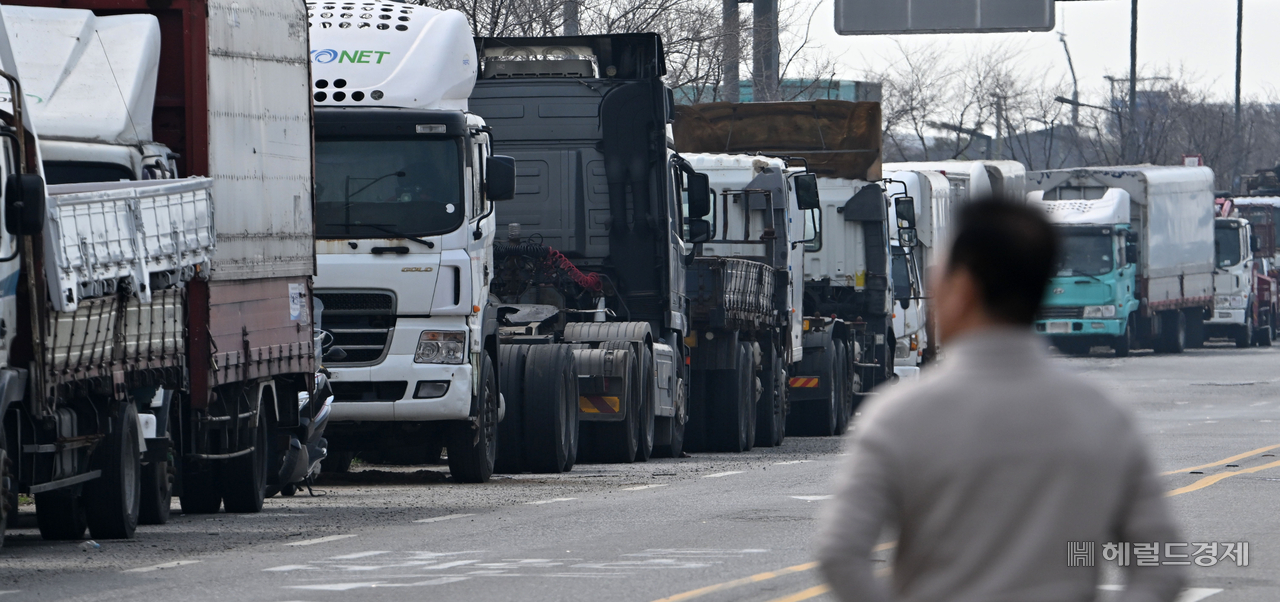
South Korea will introduce a mandatory periodic inspection system for commercial freight and special-purpose vehicles to prevent serious highway accidents caused by detaching truck wheels.
The Ministry of Land, Infrastructure and Transport said Thursday it will publish a proposed amendment to the enforcement rules of the Automobile Management Act on Saturday, establishing detailed standards for the new inspection regime, which is set to take effect Dec. 3.
The system was developed in response to a February 2024 accident on the Gyeongbu Expressway in which a variable axle wheel detached from a freight truck, killing two people and seriously injuring two others. Under the new rules, trucks equipped with variable axles — raised when the vehicle is empty and lowered when carrying cargo — will be required to undergo regular disassembly inspections.
Vehicles subject to the inspections include freight trucks at least seven years old with a maximum payload of 5 tons or more, or a gross vehicle weight of 10 tons or more, as well as special-purpose vehicles with a gross weight of 10 tons or more.
However, to ease the burden on the industry, the requirement will be phased in: this year it applies only to vehicles 13 years old or older, expanding to those 10 years old or older next year, and covering all vehicles eight years old or older from 2028.
Inspections must be carried out by comprehensive repair shops capable of both disassembling and servicing variable axles on freight and special-purpose vehicles. To prevent shoddy inspections, shops will be required to photograph the inspection process and retain the footage for two years.
After disassembling the variable axle, inspectors will check nine items related to braking and driving systems. Vehicles found to pose a risk to safe operation will receive a failing grade and must undergo re-inspection within 15 days of completing any required repairs.
Owners who fail to obtain an inspection face a fine of up to 600,000 won (about $430), while those who do not carry out repairs after a failing grade face a fine of 5 million won.
The inspection validity period is set at one year. If all variable axle components are replaced with certified new parts, however, the validity period extends to five years.
To reduce the compliance burden, the inspection window mirrors that of regular vehicle safety checks — a total of 121 days, beginning 90 days before and ending 31 days after the expiration date.
"Once the enforcement rule amendment is finalized, we expect the periodic inspection system to operate effectively and prevent accidents caused by truck wheel detachment," said Bae So-myeong, head of the ministry's Vehicle Operation and Insurance Division.
smh@heraldcorp.com