'Students must build the stamina to read from cover to cover'
Discussion based on what they've read sharpens critical thinking
Teaching others what you've learned helps information stick longer
Cha calls for reading and debate clubs in schools
'Newspaper articles can also serve as excellent teaching materials'
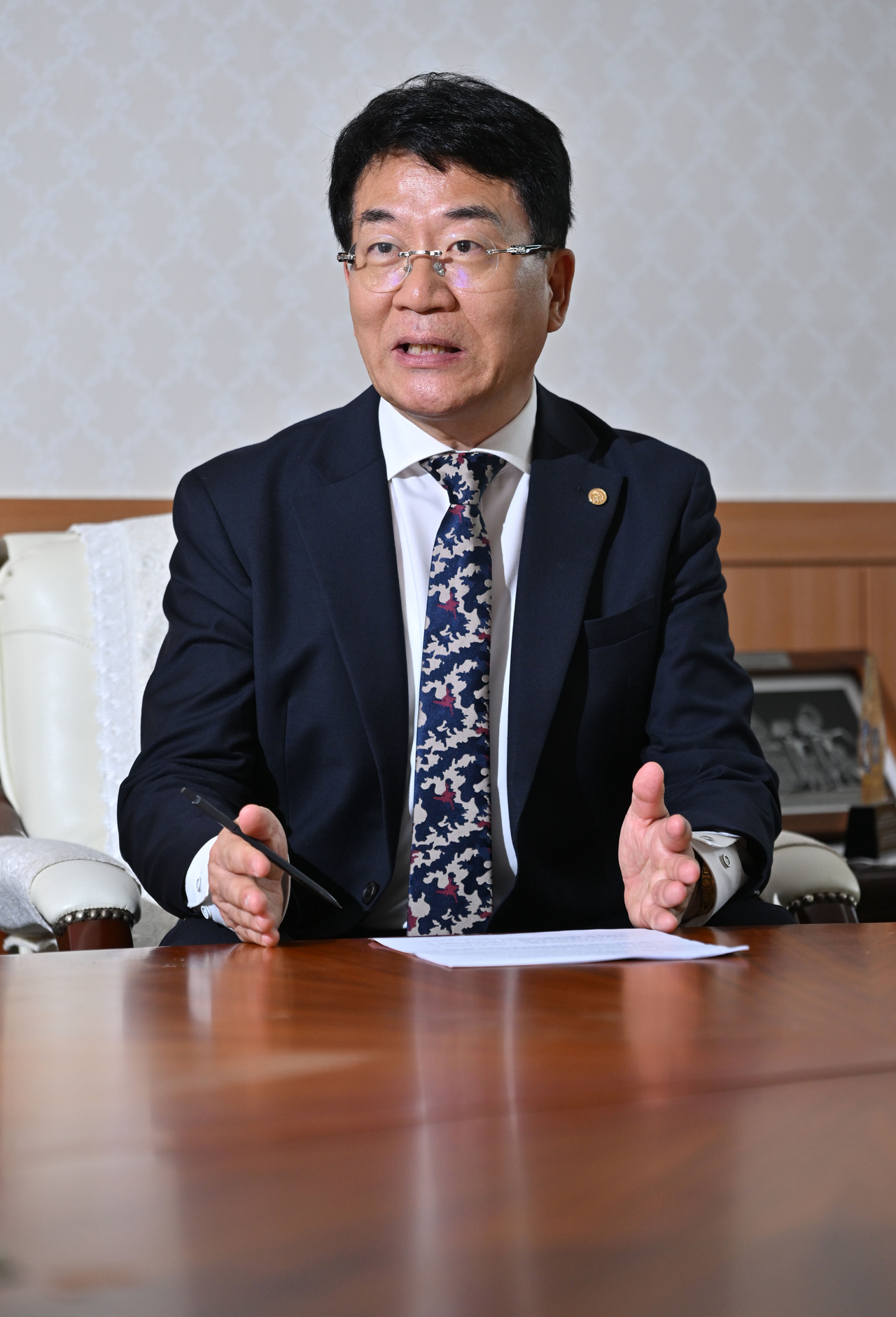
The AI era is fully upon us — but Cha Woo-gyu, president of Korea National University of Education, says reading remains the surest path for students to build literacy. He recommends not just picking up any book, but choosing good ones and developing the habit of reading them carefully from start to finish rather than skimming.
Speaking at the university's main administration building in Cheongju, Cha said the driving force behind South Korea's rise to a top-10 global economy was the perseverance and tenacity of its people — a refusal to quit until a goal was reached. "In the past, our young people had the spirit to push through hardship all the way to the end in pursuit of their goals," he said.
"To cultivate that spirit now, students need the strength to read a book page by page, from beginning to end," he added. "Personally, I think that matters a great deal."
Reading alone is not enough, Cha said — students should also discuss what they have read with one another. "When children learn to build consensus through debate, almost like a game, they develop critical thinking and the ability to filter information," he said. "They also build the capacity to take in other people's ideas and learn something new through that exchange."
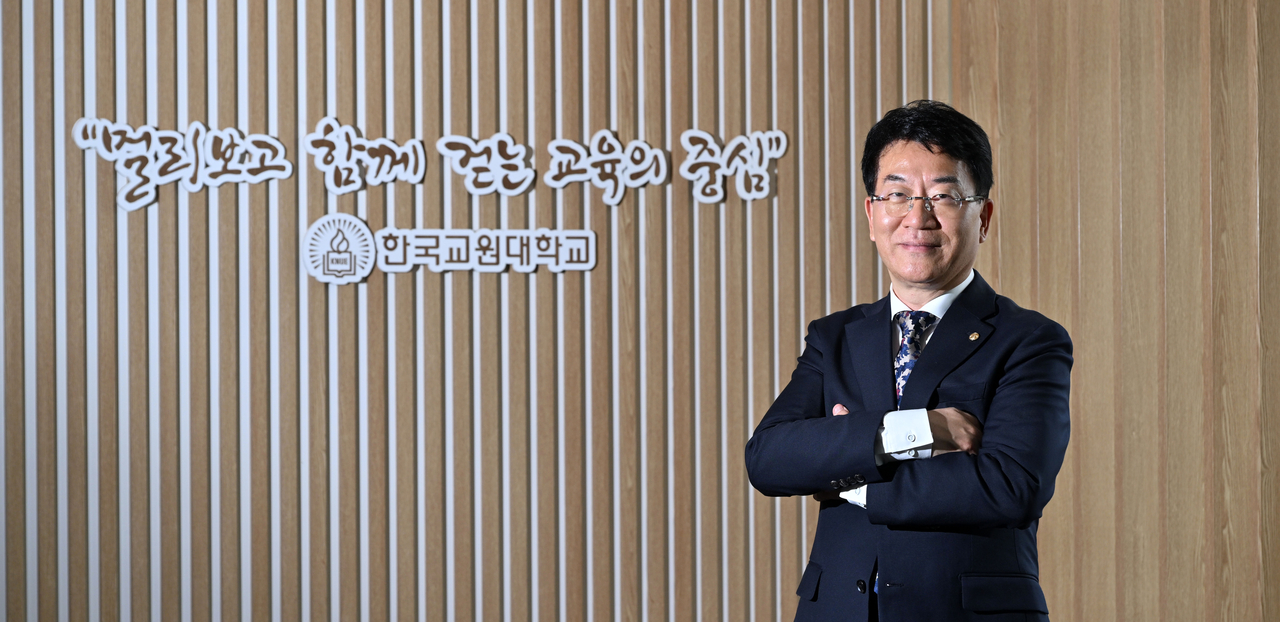
To retain what they learn, students should teach it to others, Cha advised. "You explain to someone else what you learned from a book or a discussion, and you take in their criticism — that is cognitive learning," he said. "The cognitive process of storing what you have observed and experienced as memory is called retention, and it forms the foundation for later recall and integration."
Cha said schools need to foster a culture where that kind of learning takes place. "It would be good to form reading or debate clubs so students can read and discuss together rather than alone," he said. "In that process, if they pick a subtopic from a broader theme, share their thoughts and work toward a shared view, literacy will develop on its own."
Cha added that the learning process need not be limited to books. "Newspaper articles can also serve as excellent teaching materials in this kind of learning environment," he said. "Encouraging children to participate in media by having their writing published can both deepen their engagement with journalism and strengthen their literacy."
ken@heraldcorp.com