Seocho-gu launches safety inspections of 12 public parking facilities built more than 10 years ago, with completion targeted by September; Jung-gu and Seongdong-gu also plan checks of aging structures in their districts following the Seosomun overpass collapse last month
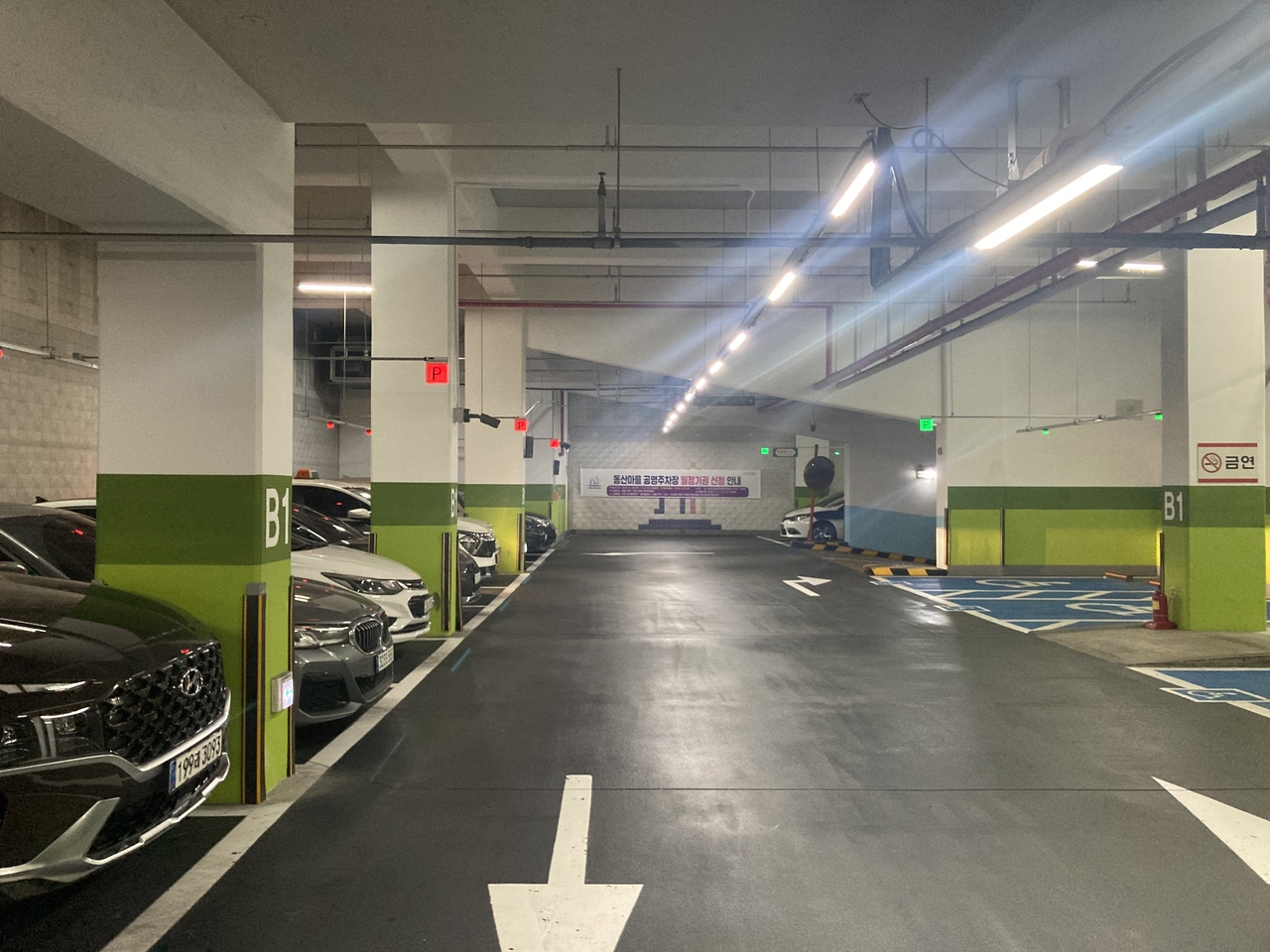
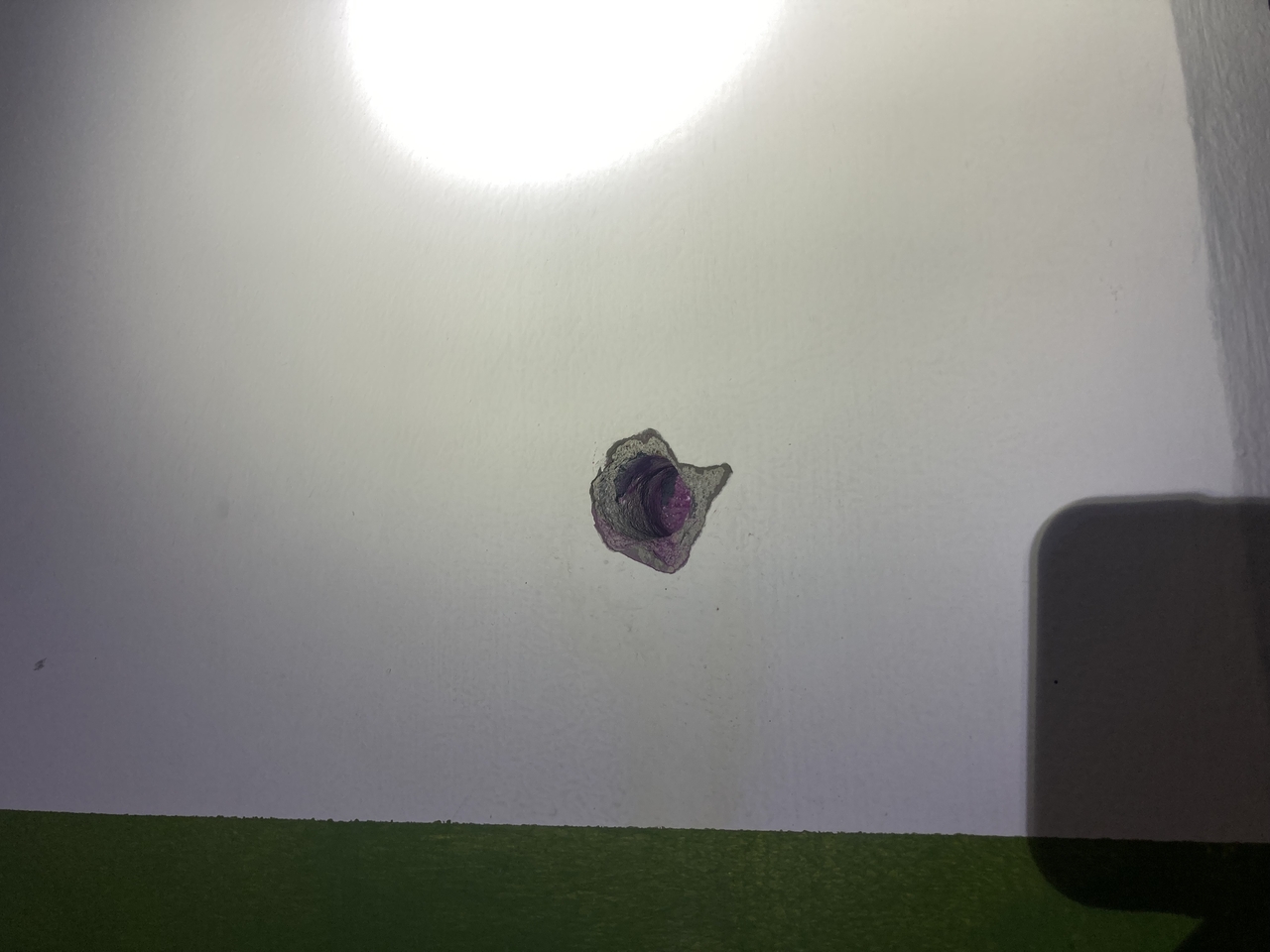
Three engineers from the Korea Land and Safety Research Institute arrived Tuesday morning at the Dongsan Village public parking facility in Yangjae 2-dong, Seocho-gu, Seoul. They began by drilling a small hole in a pillar on the first below-ground floor and inserting purple phenolphthalein powder. Concrete is alkaline, and the color change of phenolphthalein reveals how far carbonation — or neutralization — has progressed. When concrete carbonates, the steel reinforcement bars inside can begin to corrode.
Moving to the second below-ground floor, the engineers stripped paint from one pillar and scanned it with an RC radar device used to detect rebar. The scan checked whether the position and spacing of the steel bars inside the pillar met required standards. The Dongsan Village facility was the first site in Seocho-gu's new round of detailed safety inspections covering 12 reinforced-concrete or steel-frame public parking structures completed more than 10 years ago.
Completed in 2005, the Dongsan Village public parking facility covers 4,180 square meters and accommodates up to 121 vehicles. The inspection team moved through the structure carefully, checking for cracks in walls and signs of deformation in load-bearing elements.
Seocho-gu is not alone. Across Seoul, district governments have been stepping up safety inspections of aging buildings — a response to the collapse at the Seosomun overpass on May 26, when a section of the roughly 60-year-old elevated road gave way.
According to district officials, the Facility Safety Act classifies structures into three tiers based on their design, scale and safety requirements. First-tier facilities are buildings of 21 floors or more, or with a total floor area of at least 50,000 square meters. Second-tier facilities are those outside the first tier that have 16 or more floors or a total floor area of at least 30,000 square meters. Third-tier facilities include small bridges and tunnels more than 10 years past completion.
By those standards, the Dongsan Village parking facility falls below the threshold for mandatory safety inspections. Seocho-gu has nonetheless been developing a safety management plan for its public parking facilities since last year as a precautionary measure.
"This inspection is not because something has gone wrong," a Seocho-gu official said. "It is about checking how much deterioration has occurred in buildings that are now around 20 years old. Just as people get annual health checkups, buildings age over time and need regular inspections."
The official added that any problems found during the current round would trigger a follow-up detailed inspection. "Think of it like a health checkup where high cholesterol or liver enzyme levels lead to further testing," the official said.
Starting with Tuesday's inspection at Dongsan Village, Seocho-gu plans to complete checks at all 12 public parking facilities — including those at Bangbae Yeollin Cultural Center, Banpo 2-dong and Guryong Park — by September. The district has allocated 135 million won (about $97,000) for the inspections.
Jung-gu is conducting its own "2026 Intensive Safety Inspection" of 89 facilities in the district through June 19. The inspection covers traditional markets and large retail stores (26 sites), apartment complexes and general buildings (15 sites), tourism accommodation facilities and karaoke establishments (12 sites), mechanical parking structures (8 sites), and performance venues and museums (7 sites). The district said it will focus particularly on high-risk facilities, including buildings more than 30 years old and venues with high public foot traffic.
Seongdong-gu is also conducting an intensive safety inspection of mid- and large-scale buildings and public open spaces in the district through July 1. The inspection covers 412 mid-size buildings with a total floor area of at least 2,000 square meters but under 10,000 square meters, 140 large buildings with a total floor area of 10,000 square meters or more, and 104 public open spaces — 656 sites in total.
Facility safety has become the top priority for the Seoul Metropolitan Government and district offices following the collapse at the Seosomun overpass demolition site last month.
After the Seosomun accident, the Seoul Metropolitan Government conducted emergency inspections of 27 elevated bridges under its management that carry a safety rating of C — a rating indicating average condition, usable without restriction but requiring some repairs.
"We carried out emergency on-site inspections of the 27 C-rated locations and found no problems," a Seoul Metropolitan Government official said. "Where minor repairs were needed, we addressed them immediately. We are also planning to select a specialized agency to conduct detailed safety inspections going forward."
ikson@heraldcorp.com