US toughens terms after rejecting draft MOU; Iran vows to counter with its own revisions and warns it is prepared for no deal
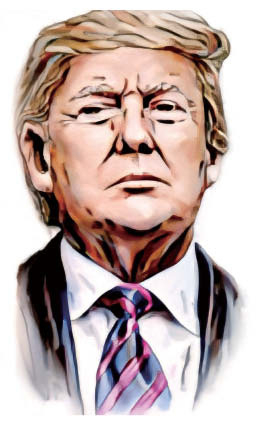
Donald Trump sent Iran a revised draft memorandum of understanding to end the war after rejecting an earlier version, toughening the terms of a potential agreement. Iran signaled it would respond with its own counterproposal. Trump pressed Tehran on both developing and purchasing nuclear weapons, and Iran warned it was "fully prepared for a no-deal scenario," pushing the final stretch of negotiations into an intense standoff.
In a Fox News interview Friday with his daughter-in-law Lara Trump, Trump said he was ready to reach a deal because signing it would immediately reopen the Strait of Hormuz. "The one guarantee we have to have is that Iran doesn't have nuclear weapons," he said.
Trump said Iran had already agreed to forgo developing nuclear weapons, but he pressed further. "I said, 'What happens if you buy nuclear weapons?'" he recounted, adding that Tehran had since agreed not to develop or acquire military weapons "in any way." "That's a big difference," he said. The remarks drew attention alongside a New York Times report that Trump had declined to approve a tentative agreement in the draft MOU and sent a revised version back to Iran.
The New York Times, citing three officials, reported that Trump had toughened the terms of the tentative agreement and sent a document reflecting the changes back to the Iranian side. The specific revisions were not disclosed, but Trump had previously expressed concern over a provision in the draft that would unfreeze Iranian assets.
Iran signaled it would push back with its own revisions. The semi-official Tasnim News Agency reported May 31, citing a source familiar with the matter, that exchanges of draft text between the two sides were continuing and that Iran would "naturally" incorporate its own amendments into the agreement. "Nothing has been finalized yet," the source said, adding that Iran's benchmark was whether it could directly agree to the wording. The source stressed that Trump's revisions did not mean Iran had accepted them, and that Tehran was "fully prepared for a no-deal situation."
Meanwhile, Iran's presidential office denied rumors circulating on social media that President Masoud Pezeshkian had resigned. Pezeshkian, widely seen as a proponent of negotiations, had also publicly criticized the governance structure dominated by the Islamic Revolutionary Guard Corps. According to semi-official Fars News Agency, Pezeshkian told a cabinet meeting May 31 that "not only the public but all social groups, economic stakeholders and scientists must participate in Iran's decision-making process," adding that greater public involvement in decision-making and problem-solving would increase the likelihood of resolving issues.
sjy@heraldcorp.com