Rubio urges caution, says breakthrough 'not imminent'
Trump says deal would reduce need for further strikes
Nuclear, maritime disputes cloud negotiation outlook
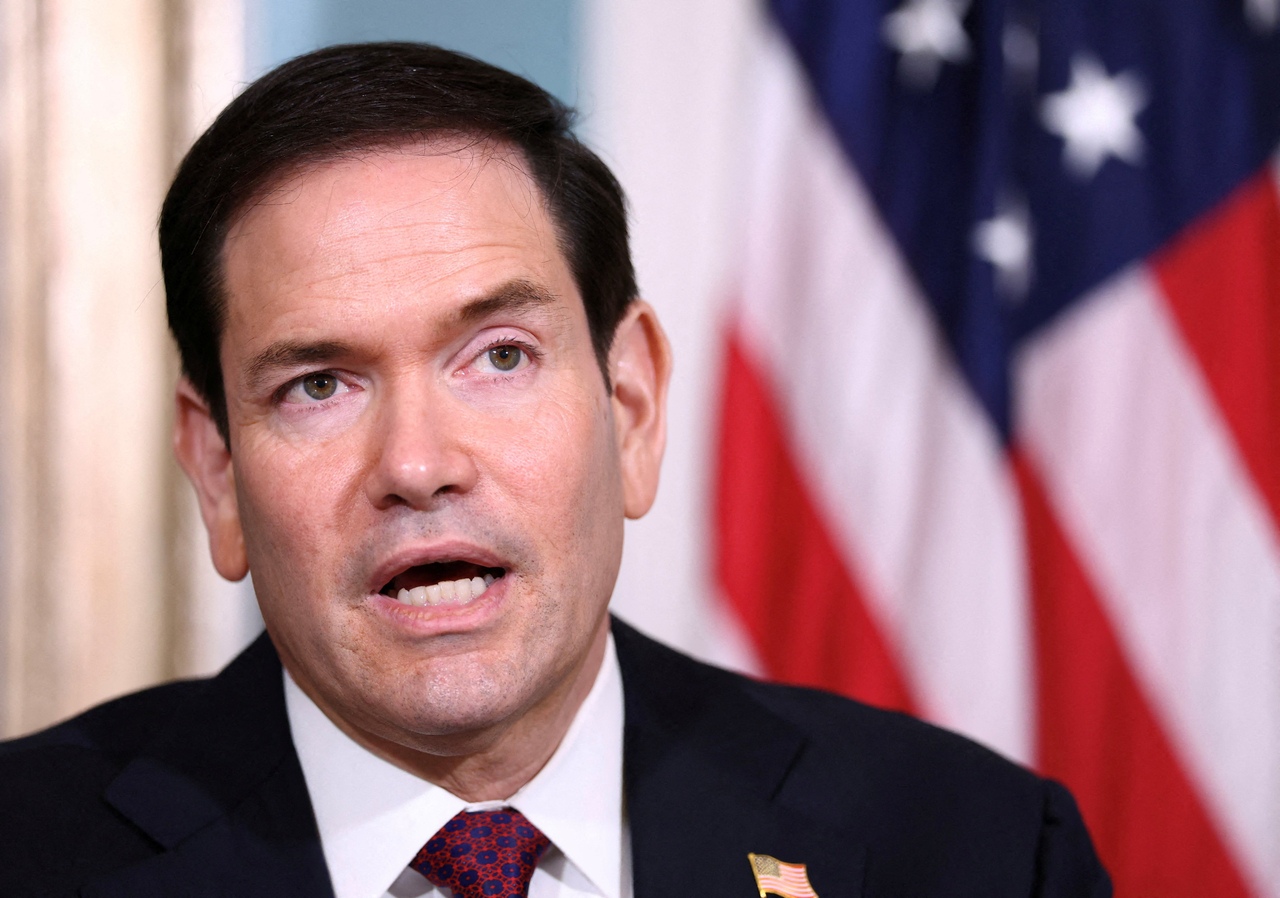
Prospects for a diplomatic resolution to the Iran war have resurfaced following the US midterm elections, but the gap between Washington and Tehran shows no sign of narrowing. While President Donald Trump suggested that further military strikes would be less likely if negotiations advanced, Secretary of State Marco Rubio drew a line against expectations of a deal, calling Iran's demands unrealistic.
Speaking to reporters in Florida on Sunday (local time), Rubio said various countries were continuing to engage Iran with different ideas, but added: "I would not say we are on the verge of a breakthrough."
Rubio was particularly blunt in his criticism of Iran's negotiating demands. "Some of them are beyond simply unacceptable — they are absurd, they make no sense, they are truly unrealistic," he said.
He did not specify which demands he was referring to.
The two sides remain at odds even over the preconditions for resuming talks. Iran has demanded that the United States lift its naval blockade of Iranian ports in the Persian Gulf and remove sanctions. Washington, for its part, has called on Tehran to reopen the Strait of Hormuz and make concessions on its nuclear program.
With each side insisting the other move first, finding common ground to restart negotiations has proved difficult.
Rubio's hard line stands in contrast to the somewhat warmer tone Trump struck recently on the possibility of a deal.
In a phone interview with CNN, Trump was asked about the prospect of further military strikes against Iran. "It depends on whether they sign a deal," he said, adding that the likelihood of further action was "very low."
The remark signaled that significant progress in negotiations would reduce the need for additional strikes. Trump stopped short of ruling out military options entirely.
Since the Republican Party lost its majorities in both chambers of Congress in the midterm elections, attention has turned anew to the possibility of a diplomatic settlement to the Iran war. With the Democratic Party now controlling Congress, analysts have raised the prospect of shifts in the Trump administration's foreign policy.
Qatar, which has played a mediating role between Washington and Tehran, is also pursuing a diplomatic solution. Doha said Iran was reviewing a proposal related to its nuclear activities, and Trump recently discussed de-escalation options with Qatari Emir Sheikh Tamim bin Hamad Al Thani.
Iran, however, distanced itself from suggestions that active mediation efforts were underway.
Iranian Foreign Minister Abbas Araghchi told the state news agency IRNA on Sunday that "there has been absolutely no activity or movement by mediators since the US midterm elections."
"It remains to be seen how long it takes the United States to accept the election results, and what direction it chooses afterward," he added.
The picture that emerges is one of divergence: Trump is keeping the door open to a deal, Rubio is holding firm on the terms, and Iran is waiting to see how Washington moves next.
Whether the heightened hopes for an end to the war that followed the midterm elections will translate into real progress in negotiations remains unclear. Bridging the divide over the naval blockade, sanctions, the Strait of Hormuz and Iran's nuclear program is expected to be the central challenge in any future talks.
sjy@heraldcorp.com