"Something we must avoid at all costs."
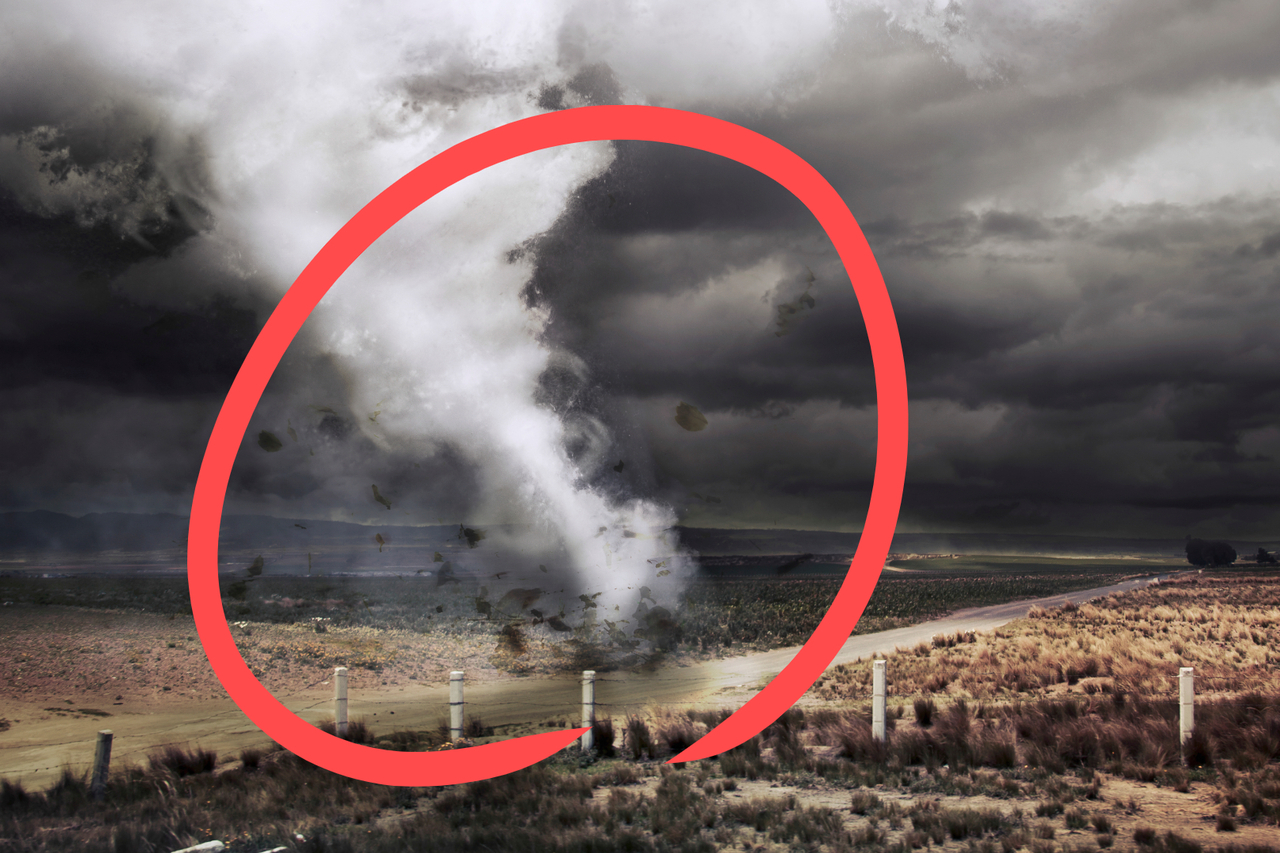
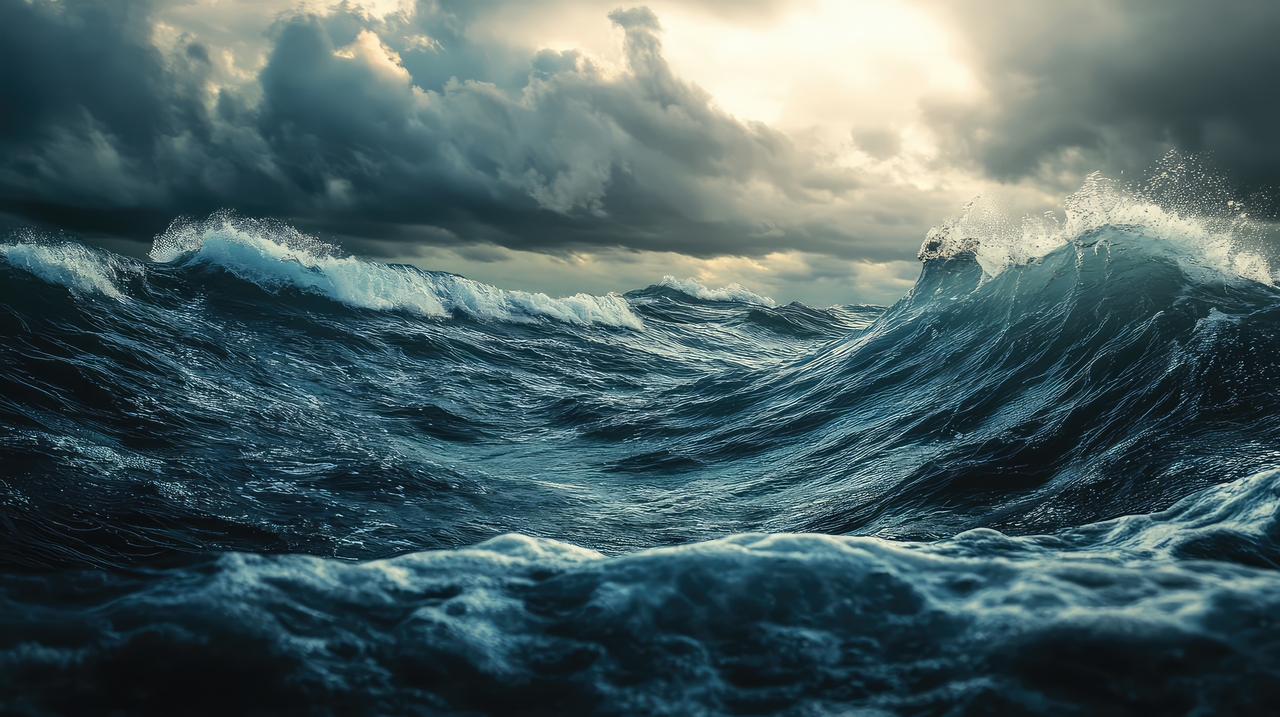
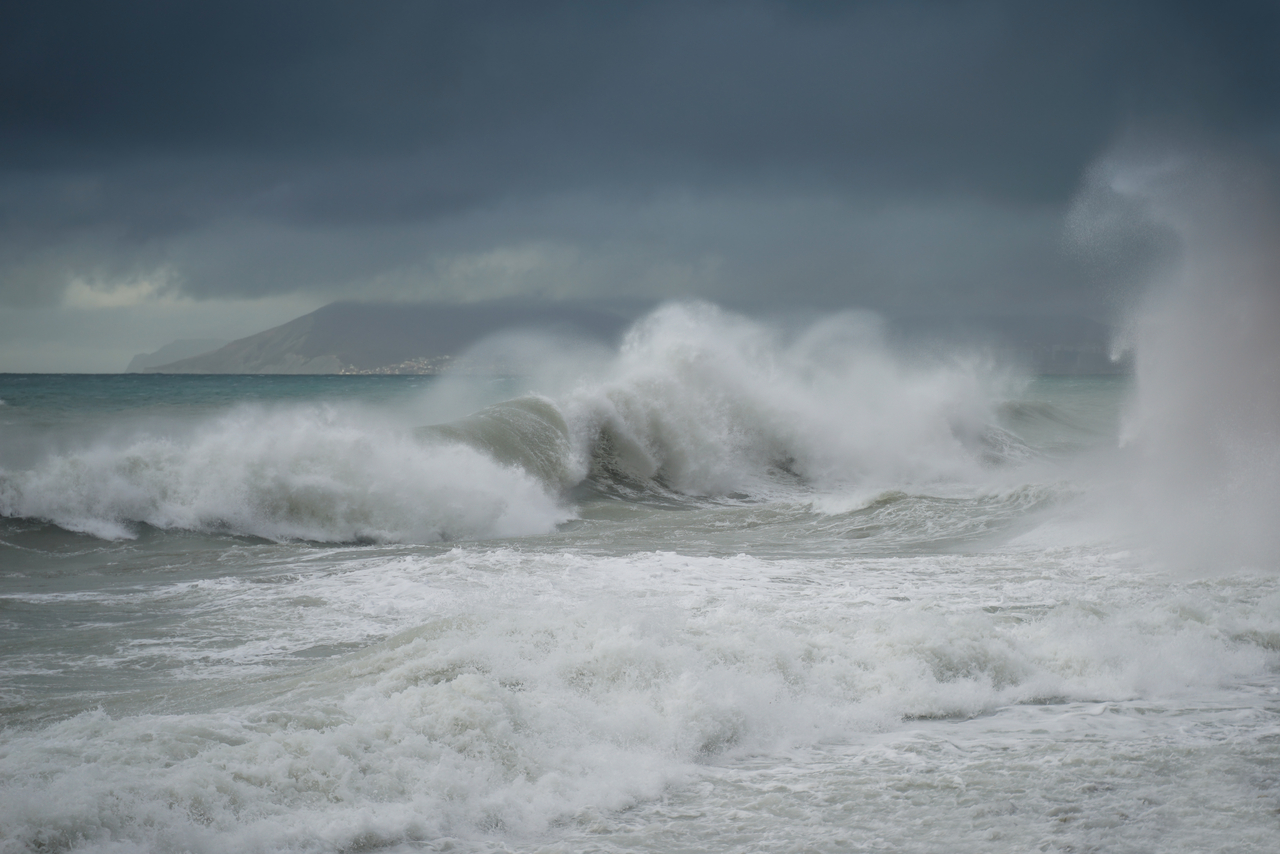
A winter storm as violent as a tornado. A city frozen in an instant. Waves dozens of meters high crashing over it.
Scenes from a typical disaster film — but also a plausible, perhaps likely, vision of Earth's future.
Nor is it a distant future. These are the kinds of disasters that could unfold by mid-century — or at the latest, before this century is out.
A new analysis warns that the climate systems governing most of the planet are breaking down, setting in motion irreversible changes.
The warning stands apart from the familiar drumbeat of climate alerts. The phenomenon in question last occurred 12,000 years ago.
This is not a pessimistic fringe forecast. Researchers describe it as the most realistic projection available. That is why scientists are united in saying it must be avoided at all costs.
A recent study predicts that the circulation system sustaining Earth's climate will weaken, cross a tipping point around mid-century and face collapse by century's end. The concern goes beyond temperatures simply rising or falling — the very system that determines weather patterns could break down entirely.
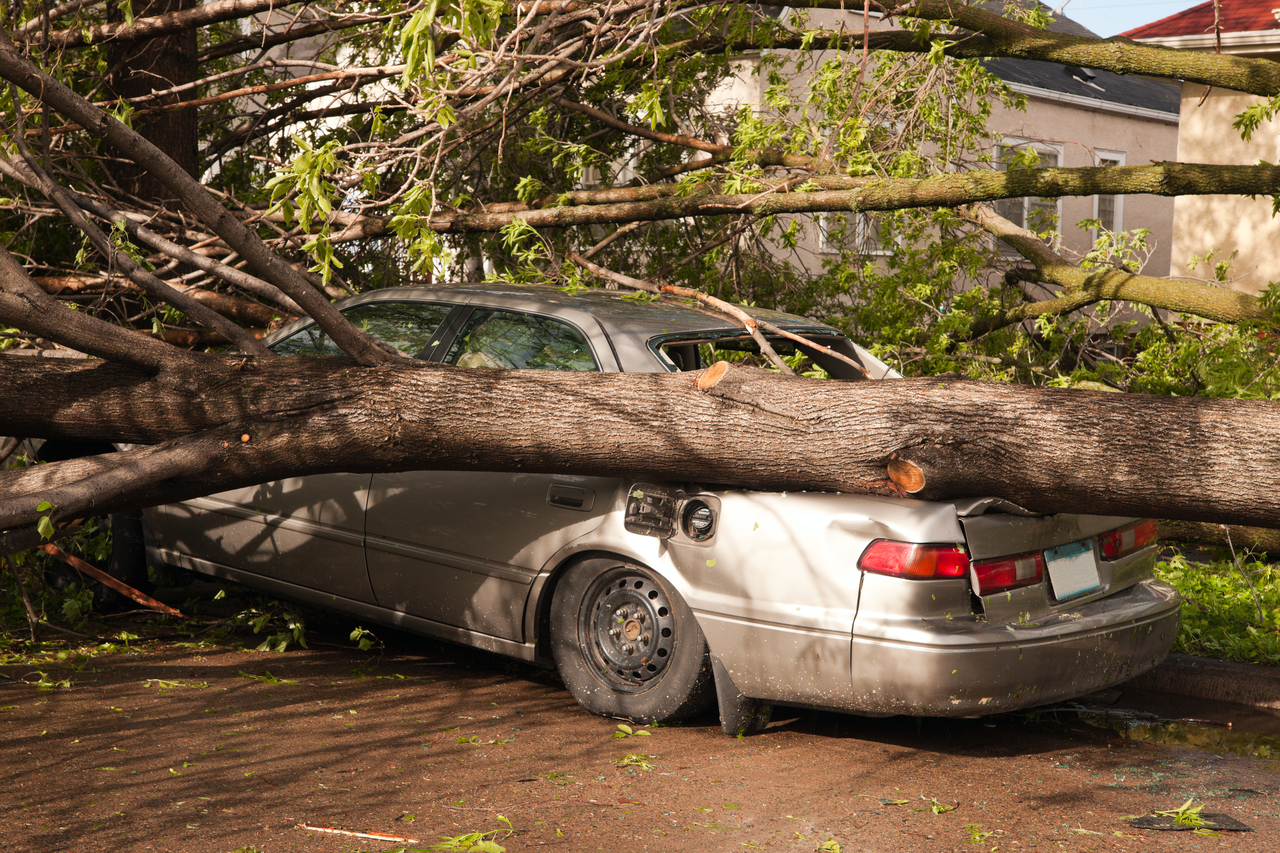
A research team led by Dr. Valentin Portmann of France's National Institute for Research in Digital Science and Technology (INRIA) published findings in the journal Science Advances warning that the Atlantic Meridional Overturning Circulation, or AMOC, could weaken by 42 to 58 percent by 2100.
AMOC governs the movement of water throughout the Atlantic Ocean — a vast conveyor belt that carries warm water northward from the Southern Hemisphere and returns cold water southward. Driven by factors including water temperature and salinity, this circulation system shapes the climate of the regions it touches.
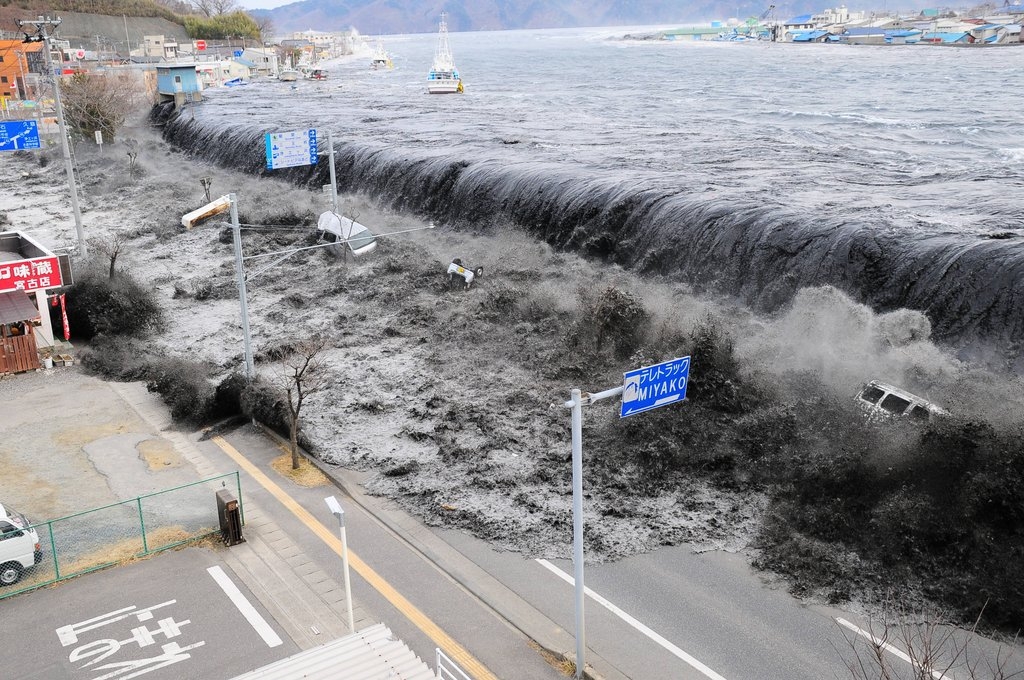
California's mild, sunny weather year-round; hot, dry summers and wet winters in Western Europe — the climate patterns people take for granted are shaped and sustained by the movement of Atlantic waters.
The study finds that this oceanic conveyor belt could slow to roughly half its current strength by 2100. The implications reach far beyond a gradual deceleration. The vast system that regulates climate would enter a state of functional decline, upending the regional weather patterns that communities have long depended on.
The resulting weather shifts could be as extreme as what most people would call catastrophic. The researchers project that average winter temperatures in Europe will drop sharply, bringing severe cold. Arctic sea ice is expected to advance as far south as parts of the United Kingdom and the Netherlands, amplifying the chill.
Storms are also forecast to intensify. As sea ice expands, the temperature gap between northern and southern Europe will widen — and the greater the differential, the stronger the winds and the more powerful the storms. In the Southern Hemisphere, by contrast, heat waves and warming are expected to intensify well beyond anything seen today.
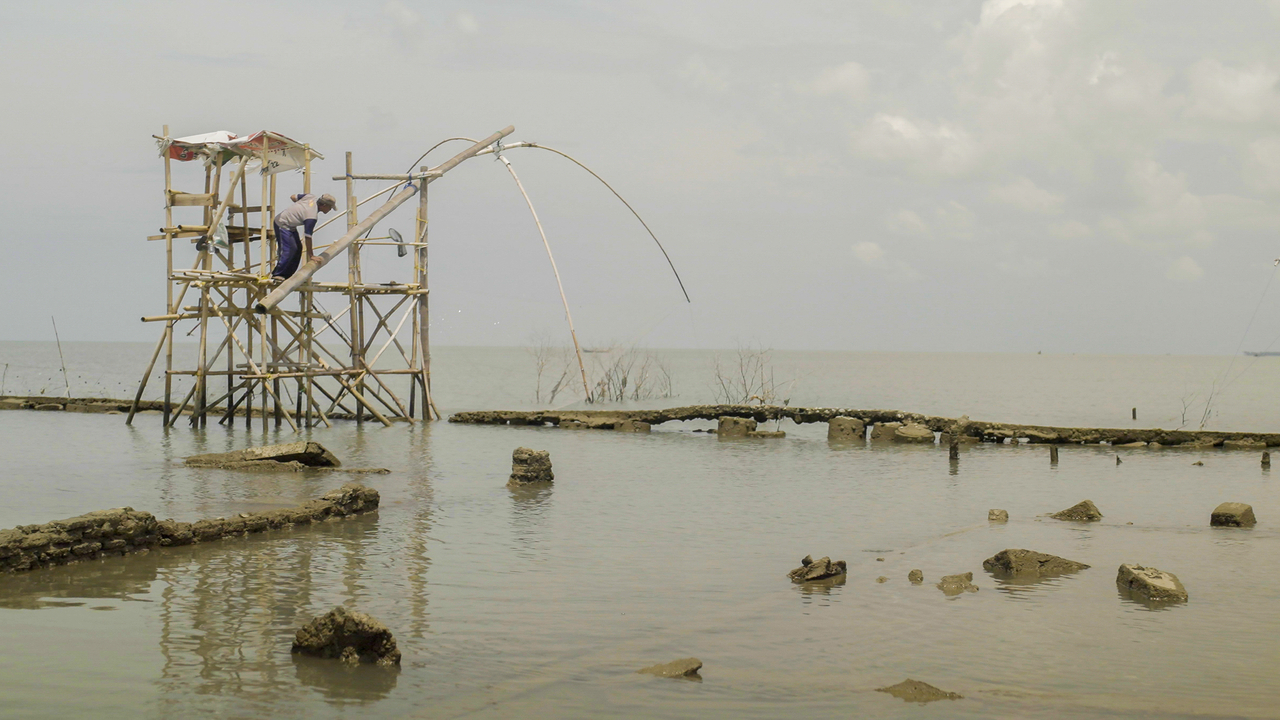
The consequences extend well beyond enduring cold or heat. Existing agricultural and fisheries systems would be upended. Weather-dependent crop and fishery production would be destabilized, raising the prospect of a global food security crisis. As societies focus resources on basic survival against extreme weather, existing industries and infrastructure could also be thrown into disarray — a disaster, in the truest sense, that leaves little room for preparation.
In the United States, extreme sea-level rise and flooding are projected to be the most severe consequences. Flooding linked to AMOC weakening is already increasing along the northeastern coast. Should sea levels rise by more than 1 meter, numerous coastal cities would be inundated, and the area exposed to flood damage would expand significantly.
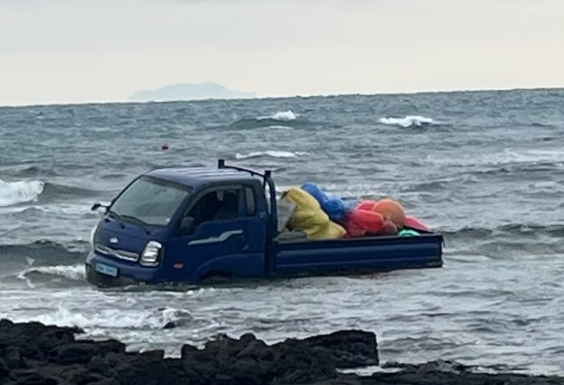
Asia would also be among the hardest-hit regions. Disrupted rainfall patterns are expected to deal a heavy blow to crop production. Rice — one of Asia's most critical staples — depends above all on the timing and regularity of rainfall. Shifting precipitation patterns would alternate between drought and torrential downpours, destabilizing harvests.
South Korea, even setting aside the most extreme climate scenarios, faces a significant risk of being hit through food prices and the stability of imports. The country relies heavily on imports for agricultural and food products, meaning the economic shock is more likely to arrive through grain prices and food inflation than through direct domestic temperature changes.
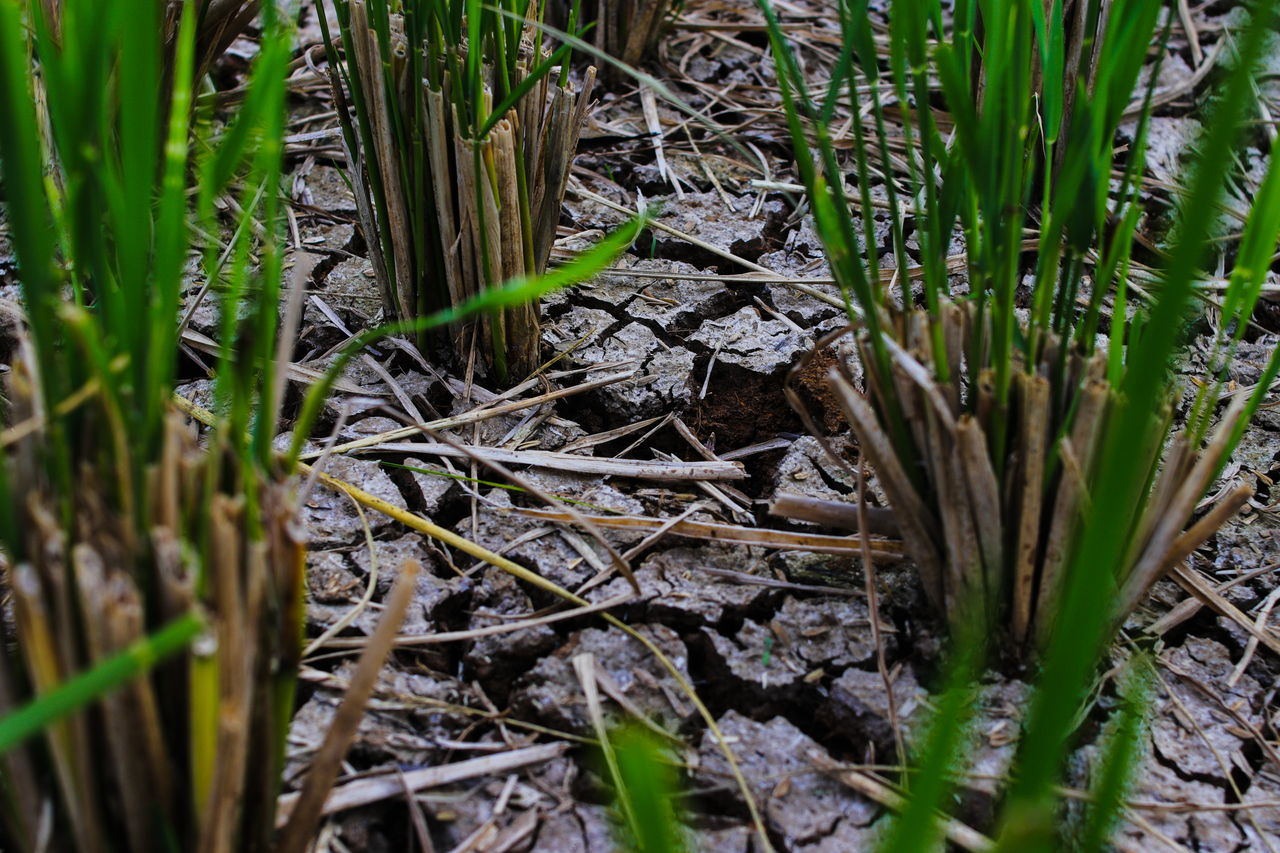
These remain projections. Precisely forecasting the changes that would follow a breakdown of ocean circulation systems is not possible. Even knowing that disaster is coming, researchers say it is difficult to predict when, how or in what form the damage will begin.
Research into AMOC collapse is ongoing. Some analyses suggest that a sudden collapse before 2100 is unlikely — but there is no disagreement that AMOC will weaken. Within the scientific community, calls are growing louder for policy action to limit the damage from climate change and mount a science-based response.
The Intergovernmental Panel on Climate Change said that "reducing greenhouse gas emissions can lower the frequency of extreme weather events and the likelihood of abrupt changes," and that "abrupt changes are irreversible on human timescales and can push natural systems past tipping points into new states." The IPCC added that "governance drawing on diverse expertise and considering a range of options is most effective in managing remaining risks."
The scientific consensus is clear: the question is no longer whether AMOC will weaken, but how much — and how quickly societies can act to limit the consequences.
"Down from 3 billion to 100 million won" — retail investor who bet on triple-leveraged inverse funds is left with only a rental deposit
A retail investor who had booked gains of around 3 billion won (approximately $2,040,000) by betting on high-risk products including a triple-leveraged semiconductor inverse fund later saw the value of their holdings fall to roughly 100 million won (approximately $67,900), suffering extreme losses.
https://biz.heraldcorp.com/article/10720188
woo@heraldcorp.com