Iran's president has admitted the country is facing severe economic hardship, in effect acknowledging the toll of the US maritime blockade and the ongoing war on the Iranian economy.
President Masoud Pezeshkian told state television "we have no money," the Wall Street Journal reported Wednesday (local time), citing Yonhap.
The admission came as end-of-war negotiations with the United States remain deadlocked and the US tightens its all-front blockade, compounding Iran's economic strain.
In a televised address Friday and at a public event the following day, Pezeshkian said Iran was fighting "a silent war far harder than one with missiles flying and destruction happening" and called it "an economic war that is by no means easy."
Iranian government statistics bear out the severity of the crisis. Food and beverage prices have risen more than 110 percent year on year, while the rial has collapsed — from around 32,000 rials to the dollar at the time of the 2015 Iran nuclear deal, known as the JCPOA, to roughly 2.9 million rials today.
Under mounting fiscal pressure, the government has also begun cutting energy and food subsidies.
State power company Tavanir has introduced rolling blackouts of up to two hours a day in some areas after war damage to natural gas fields left fuel supplies short. Authorities have also reduced low-price flour and bread quotas in seven of Iran's 31 provinces and more than doubled the supply price of industrial-grade flour.
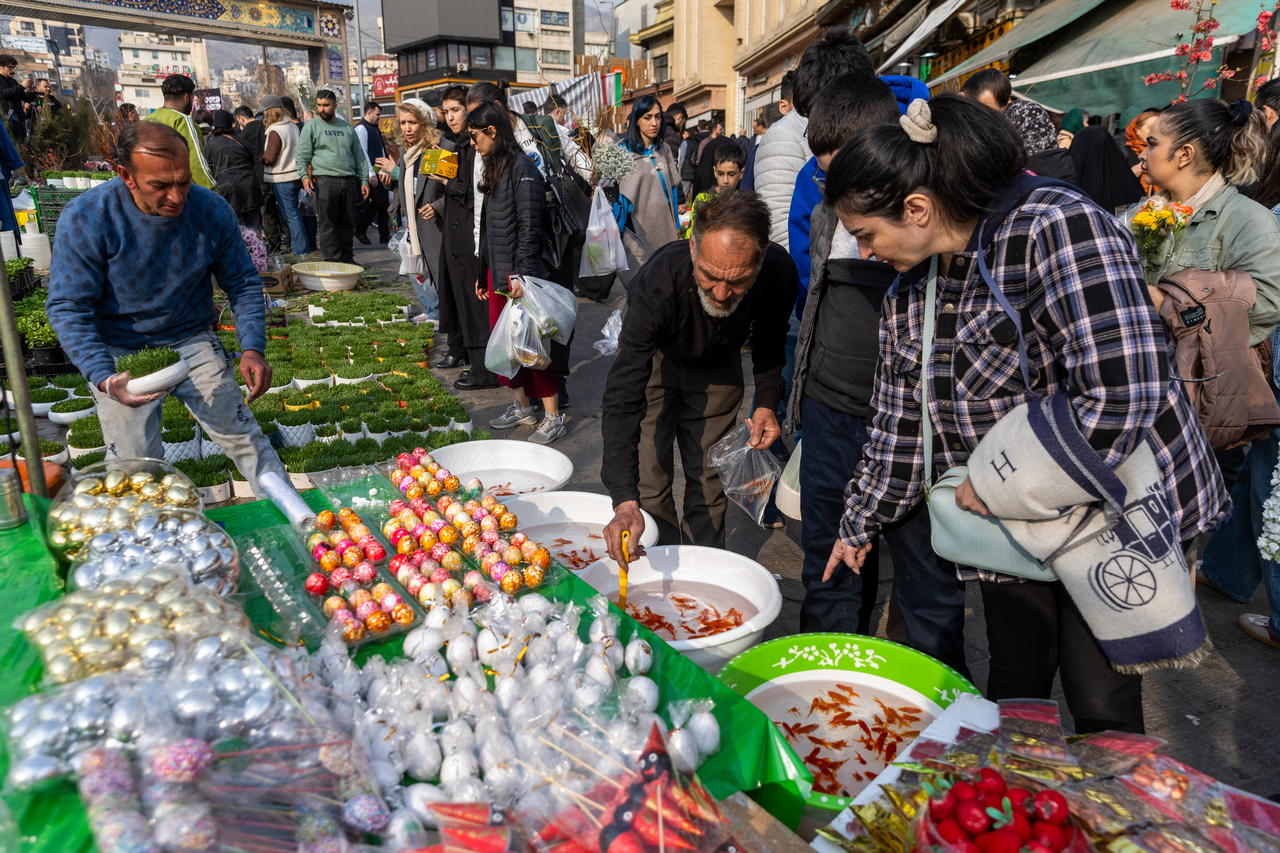
A Tehran resident in their 70s told the Wall Street Journal they paid 35 cents for a single piece of sangak flatbread — seven times the previous subsidized price — saying it was "the first time in my life I've paid this much for a loaf of bread."
Even in affluent neighborhoods in northern Tehran, bakeries have reportedly been mixing feed-grade flour into their dough, causing bread to turn dark and spoil quickly.
US raises pressure with launch of Task Force Iron Gate
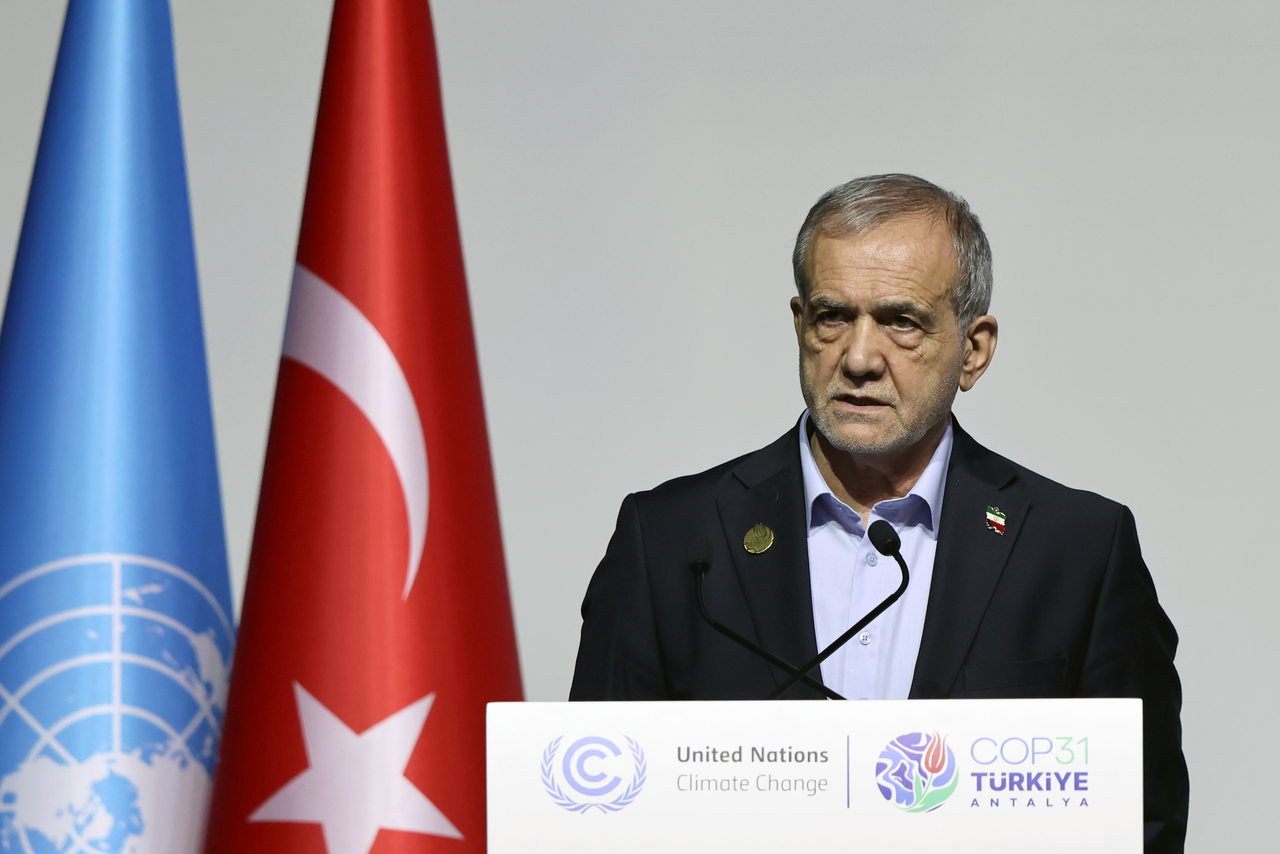
Meanwhile, Iranian First Vice President Mohammad Reza Aref said the country's strategic reserves are solid and supplies remain sufficient, Yonhap said.
Aref said the increase in cargo unloading and customs clearance through borders other than the south "sends a message that we are not concerned about the enemy's maritime blockade."
Aref also said the government is working to prevent price increases on basic necessities for at least the next three months.
According to Iran's statistics authority, consumer prices in Iran surged 88.7 percent year on year in October, with the annual average inflation rate running at a steep 76.8 percent.
Food and beverage prices in particular soared 112.6 percent compared with the same period last year.
The United States resumed its maritime blockade of Iranian ports in July. Earlier this month, Washington announced the launch of Task Force Iron Gate, aimed at cutting off the movement of weapons and sanctioned goods through Iran's land borders and across the Caspian Sea.
yul@heraldcorp.com