Tokyo repeats the regret it voiced over July forced-labor tariffs; AI, semiconductor investment plans flagged as potential pressure point
The United States announced Wednesday (local time) that it would impose overproduction tariffs on 14 countries, including South Korea, China, Japan and the EU, prompting the Japanese government to express regret over the decision. At the same time, there are signs of relief in Tokyo that the rate applied matches the 15% agreed last year, when Japan sealed a deal with the Donald Trump administration by pledging massive investment in the United States.
The Office of the United States Trade Representative announced the overproduction tariffs Wednesday (local time) following a Section 301 investigation. The tariff ceiling applied to Japan — which, like South Korea and the EU, had previously reached a trade agreement with Washington — is 15%, the same rate that emerged from last year's US-Japan deal.
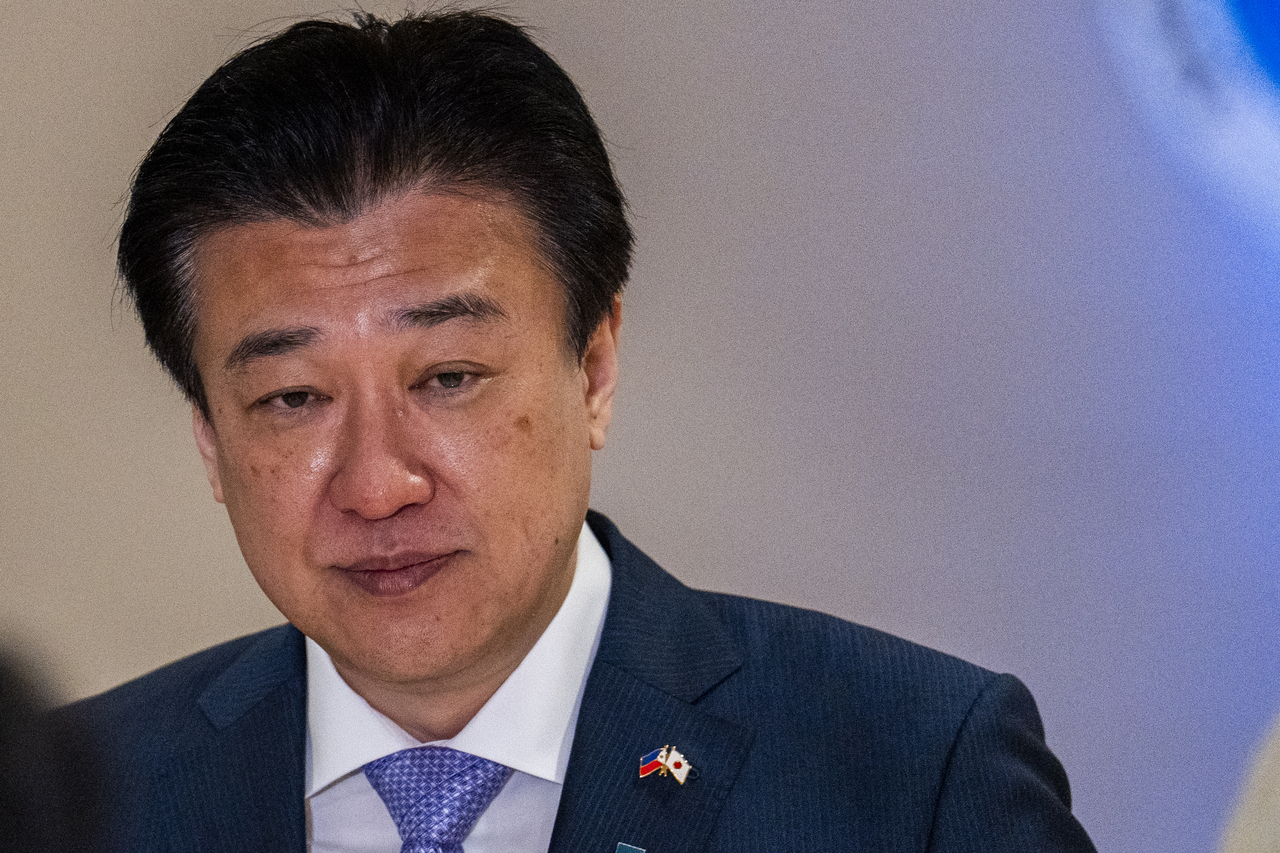
Japanese Chief Cabinet Secretary Kihara Minoru, the government's spokesperson, told a news conference Thursday that the new US tariff proposal was "regrettable" and said Tokyo had conveyed its position to Washington. "Japan does not have non-market policies or practices, nor structural overcapacity, to begin with," Kihara said. "Japan and the United States have been cooperating to address overproduction problems in third countries, and we are steadily fulfilling our investment commitments to the US."
The Japanese government had similarly expressed regret in July, when the Trump administration announced a 12.5% tariff rate on Japan under a forced-labor tariff measure.
Despite the official pushback, voices of relief are also emerging from within the government, given that the rate matches the 15% reciprocal tariff agreed with Washington in July last year. A Japanese government official told NHK that Tokyo had "repeatedly confirmed with the US side that no tariffs beyond the level agreed last year would be imposed," adding: "This tariff measure is in line with that agreement, so it comes as no surprise."
Japan and the United States concluded negotiations in July last year on a 15% reciprocal tariff rate on Japanese goods, with Japan agreeing to pursue $550 billion in investment in the US as a condition. After the US Supreme Court struck down in February the reciprocal tariffs imposed under the International Emergency Economic Powers Act and put the brakes on the Trump administration's tariff policy, a universal 10% tariff was applied to Japan, as it was to other countries.
In July, the Trump administration imposed new tariffs in response to forced-labor concerns, bringing the total rate on Japanese imports to 12.5%, inclusive of the existing rate.
In announcing the 15% rate for Japan this time, however, the USTR said it had determined that Japan was engaging in overproduction and excess exports in the automotive, steel and semiconductor industries — partly through financial support — and that this was damaging US industry. It also warned that the rate could be raised to as high as 20% if progress on investment commitments to the US was deemed insufficient.
Japanese officials are closely watching how US tariff policy develops, particularly after Washington cited the Takaichi cabinet's large-scale investment drive aimed at nurturing strategic industries.
The Nikkei reported that among the grounds cited by the Trump administration for the new tariffs was the Takaichi cabinet's plan to channel more than 370 trillion yen ($2.32 trillion) in public and private investment into 17 strategic sectors — including AI and semiconductors — by fiscal 2040. The cabinet had adopted a basic policy on economic and fiscal management and reform centered on mobilizing that investment, and there is now concern that Washington may use Japan's large-scale public-private investment plan as grounds for trade barriers.
The Asahi Shimbun said the Trump administration's tariff policy has lost the leverage it once wielded to force countries into deals, and that its effectiveness is increasingly in doubt. The paper analyzed that while tariff pressure was one of the factors behind the Republican Party's heavy defeat in the recent US midterm elections, the policy has not been withdrawn because it remains a core presidential priority.
"The Trump administration that once brandished high tariffs to drag countries to the negotiating table is nowhere to be seen anymore," the Asahi Shimbun said.
yckim6452@heraldcorp.com