US targets 14 economies with overproduction tariffs
Renewable every 4 years, seen as lasting policy legacy beyond Trump's term
Presidential veto looms even as 62% of Americans back repeal
Bipartisan consensus on China's overproduction complicates Democratic pushback
A single word from Donald Trump can shake global markets and economies. If keeping up with the flood of Trump news feels overwhelming, this daily briefing has you covered — delivering the essential Trump stories that move US markets and global assets, curated for a quick one-minute read any time of day.
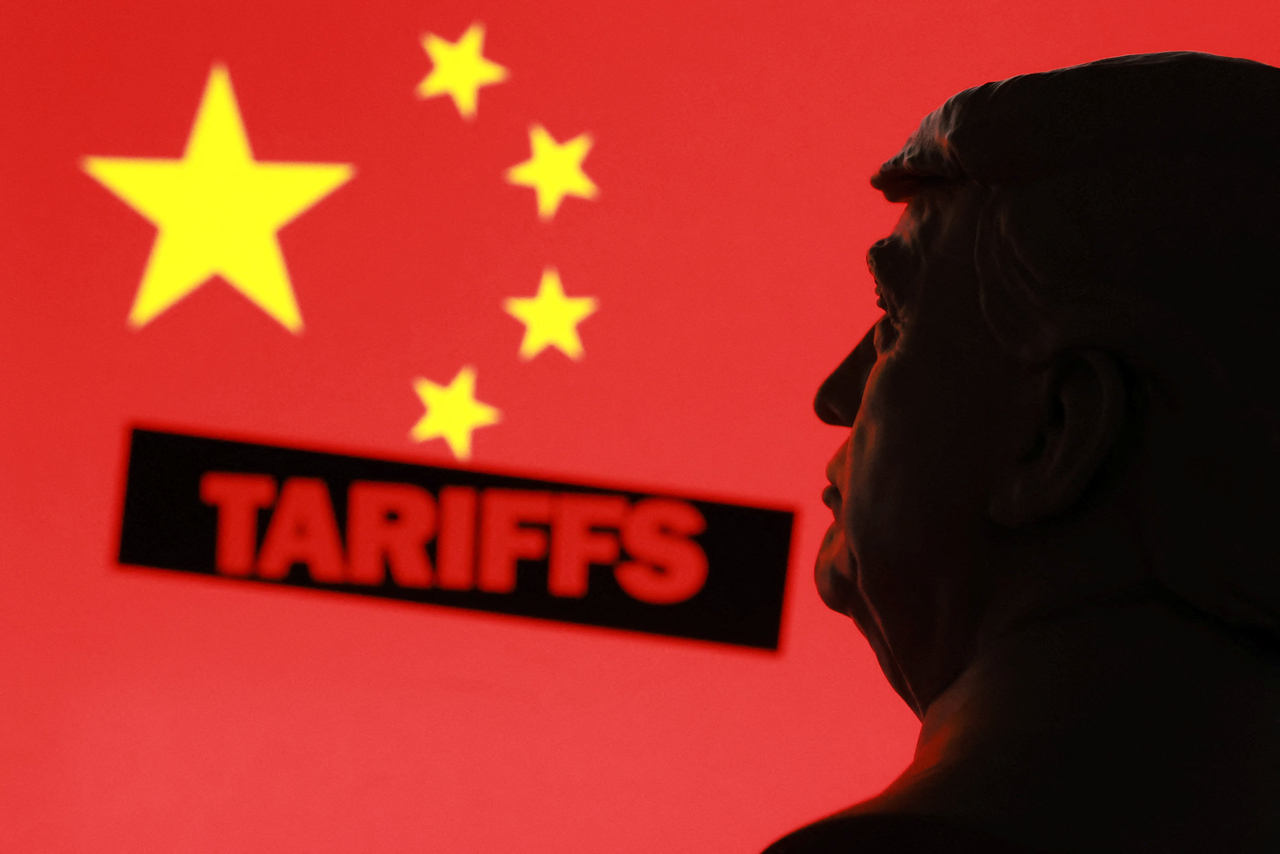
Donald Trump has reached for the tariff card again, even after his Republican Party's midterm defeat. After the Supreme Court ruled earlier this year that his reciprocal tariffs lacked a valid legal basis, Trump moved to rebuild his tariff regime under different statutes. Even if Democrats take control of both chambers of Congress in January, reversing his tariff policy will be difficult — given his veto power and a bipartisan consensus that China's overproduction poses a genuine threat.
The Trump administration on Wednesday (local time) announced new tariff proposals targeting 14 economies, including China, the EU, Japan and South Korea. Reuters noted that the move came just three weeks after Republicans lost the midterm elections, signaling Trump's determination to press ahead with protectionism regardless of the electoral outcome.
Trump imposed a 10 percent baseline tariff on all imports in April last year under the International Emergency Economic Powers Act, with higher rates applied to 60 countries — the steepest tariff levels in roughly a century. The policy stoked inflation at home, though more than 20 trading partners responded by opening their markets or concluding trade agreements.
The Supreme Court put the brakes on that approach in February, ruling that the law did not grant Trump the authority to impose such sweeping tariffs.
The administration then turned to Section 122 of the Trade Act of 1974, but those tariffs expired after 150 days. In the interim, the administration launched two Section 301 investigations into unfair trade practices — one targeting overproduction in manufacturing, the other examining whether countries tolerate forced labor.
The forced-labor investigation has already resulted in tariffs of 10 to 12.5 percent on 60 countries, including the 16 economies under the overproduction probe, and legal challenges to their validity are pending before the US Court of International Trade.
The new overproduction tariffs will not stack on top of the existing forced-labor tariffs. They will also not be added to sector-specific tariffs imposed on national-security grounds, such as those on steel, aluminum and automobiles. Where the overproduction rate is higher than the forced-labor rate, it will replace the latter. Exemptions cover energy products such as oil and gas, food that cannot be produced in the United States, critical minerals, fertilizers, and certain semiconductors and pharmaceuticals.
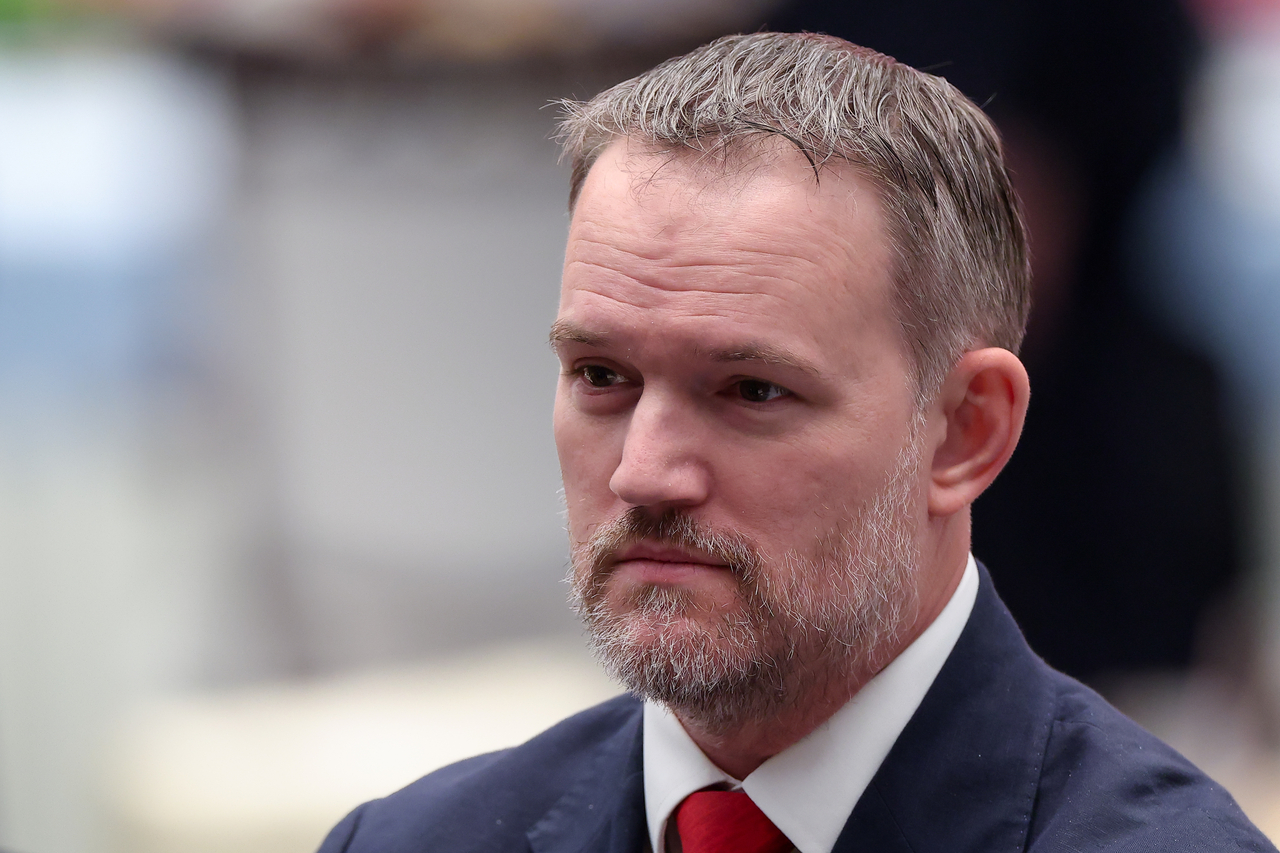
The tariffs are set to be finalized after public hearings and a comment period. US Trade Representative Jamieson Greer said the tariffs would not take effect until after a public hearing scheduled for Jan. 25.
A key distinction is that the Supreme Court struck down the legal basis for Trump's tariffs, not the tariff policy itself. Unlike the International Emergency Economic Powers Act, Section 301 of the Trade Act explicitly authorizes tariffs in response to unfair trade practices.
Because Congress has delegated broad trade authority to the executive branch through multiple statutes, the administration retains the ability to pivot to a different legal basis even when courts block tariffs under a specific law. The new overproduction tariffs could still face legal challenges, however.
Section 301 tariffs expire after four years but can be renewed. Ryan Majerus, a partner at King & Spalding who served as a trade official under both the Trump and Biden administrations, told The Washington Post that the tariffs represent the "cornerstone" of Trump's broader trade policy and are likely to be "a policy legacy the current administration will want to outlast its term." The Biden administration shared the view that overproduction disadvantages American companies, and largely preserved the tariffs it inherited from Trump's first term.
Democratic opposition faces real limits. Trump's tariff policy and the cost-of-living pressures it created were central issues in the midterms. A Reuters/Ipsos poll conducted after the election found that 62 percent of respondents supported Democratic efforts to repeal Trump's tariffs.
Sen. Ron Wyden, Democrat of Oregon, who is set to chair the Senate Finance Committee in the new Congress in January, condemned the announcement. "Less than a month after voters rejected President Trump's trade policy, he's decided to raise prices again," Wyden said. "I will use every tool available to put an end to these tariffs."
Even so, if Democrats pass legislation to curb the president's tariff authority, Trump is likely to veto it. Overriding a veto would require a two-thirds majority in both chambers. The bipartisan agreement that manufacturing overproduction — led by China — must be addressed is another obstacle to repeal. Joe Biden, too, kept much of the tariff architecture built during Trump's first term.
Nathaniel Halverson, a Baker McKenzie partner and former USTR official, said trade policy does not "break cleanly along party lines," adding that Congress has long delegated politically costly decisions to the executive branch and that the new Congress is unlikely to change that pattern.
Global financial group ING said the developments show "once again that while the legal basis for tariffs keeps shifting, reversing US protectionism is becoming increasingly difficult."
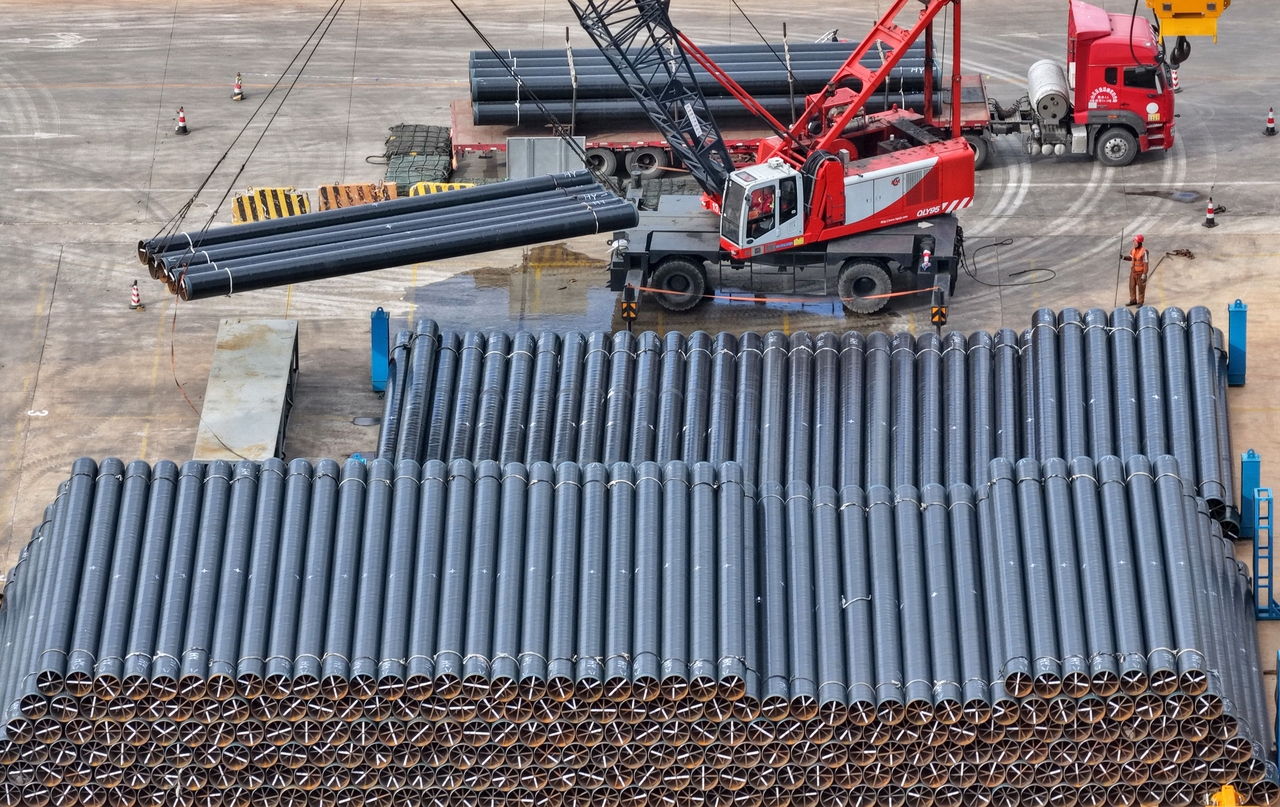
The USTR said the 14 targeted economies have subsidized their industries beyond domestic market demand, fueling overproduction. As a result, cheap goods have flooded global markets, eroding the competitiveness of American manufacturing.
China faces the highest proposed rate. Under the terms of a US-China trade truce set to expire Jan. 10, a 20 percent tariff has been proposed — but that rate could rise to 40 percent if the truce collapses. The new tariffs would also stack on top of the existing 25 percent tariffs imposed since 2018 on certain Chinese technology and industrial goods.
Chinese Foreign Ministry spokesperson Guo Jiakun said "tariff wars and trade wars serve no one's interests" and rebuffed the premise of the overproduction allegations, saying the so-called "industrial overproduction" problem "does not actually exist."
South Korea, Japan, Taiwan, the EU and Switzerland will be subject to a tariff cap of 15 percent, inclusive of existing most-favored-nation rates. Cambodia, Indonesia, Malaysia, Thailand and Bangladesh face a cap of 18 percent, while Singapore's cap is set at 10 percent. India and Vietnam could face tariffs of up to 25 percent and 35 percent, respectively, depending on the outcome of trade negotiations with the United States.
mokiya@heraldcorp.com