Business matching seminar held at Korean embassy in Tokyo, co-hosted by 6 universities
Dongguk University Vice President for Research Kang Kyu-young attends; tech presentations and one-on-one consultations held
University-based startups from South Korea converged on Tokyo to explore entry into the Japanese market, presenting technologies and products spanning real-time AI interpretation, voice authentication, molecular diagnostics and skin care as they searched for local business partners.
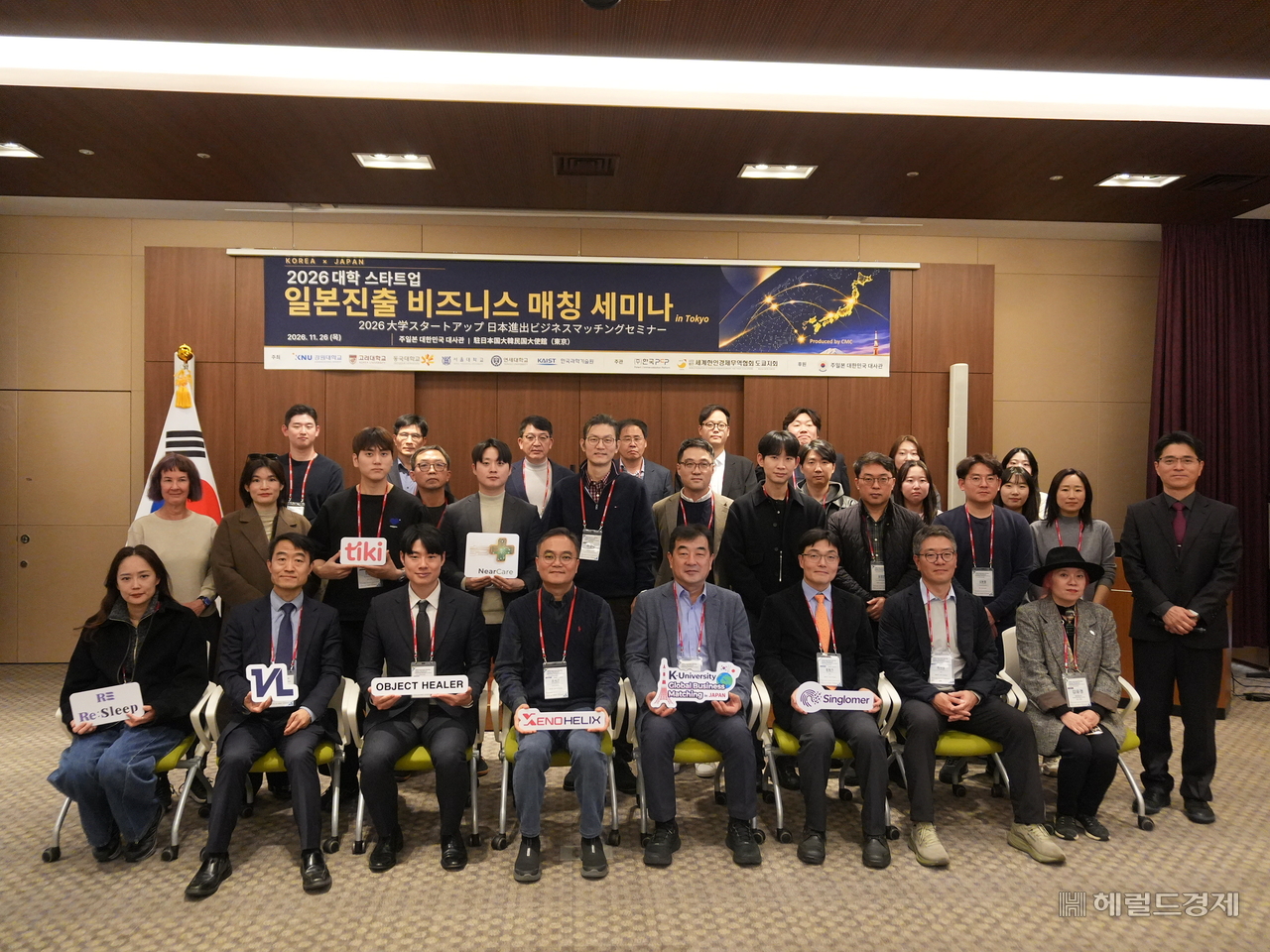
The 2026 University Startup Japan Entry Business Matching Seminar was held Thursday at the Korean Embassy in Tokyo. The event was organized to introduce the technologies and business models of South Korean startups to Japanese industry representatives and to explore potential business partnerships through individual consultations.
The seminar was co-hosted by six universities — Kangwon National University, Korea University, Dongguk University, the University of Seoul, Yonsei University and KAIST — and organized by Korea PCP and the World Korean Business Federation (World-Okta) Tokyo chapter, with local planning and operations handled by CMC. Attendees included Dongguk University Vice President for Research Kang Kyu-young, Korean Embassy Economic Minister-Counselor Choi Young-bae, university officials, startup founders, and Japanese business and investment representatives.
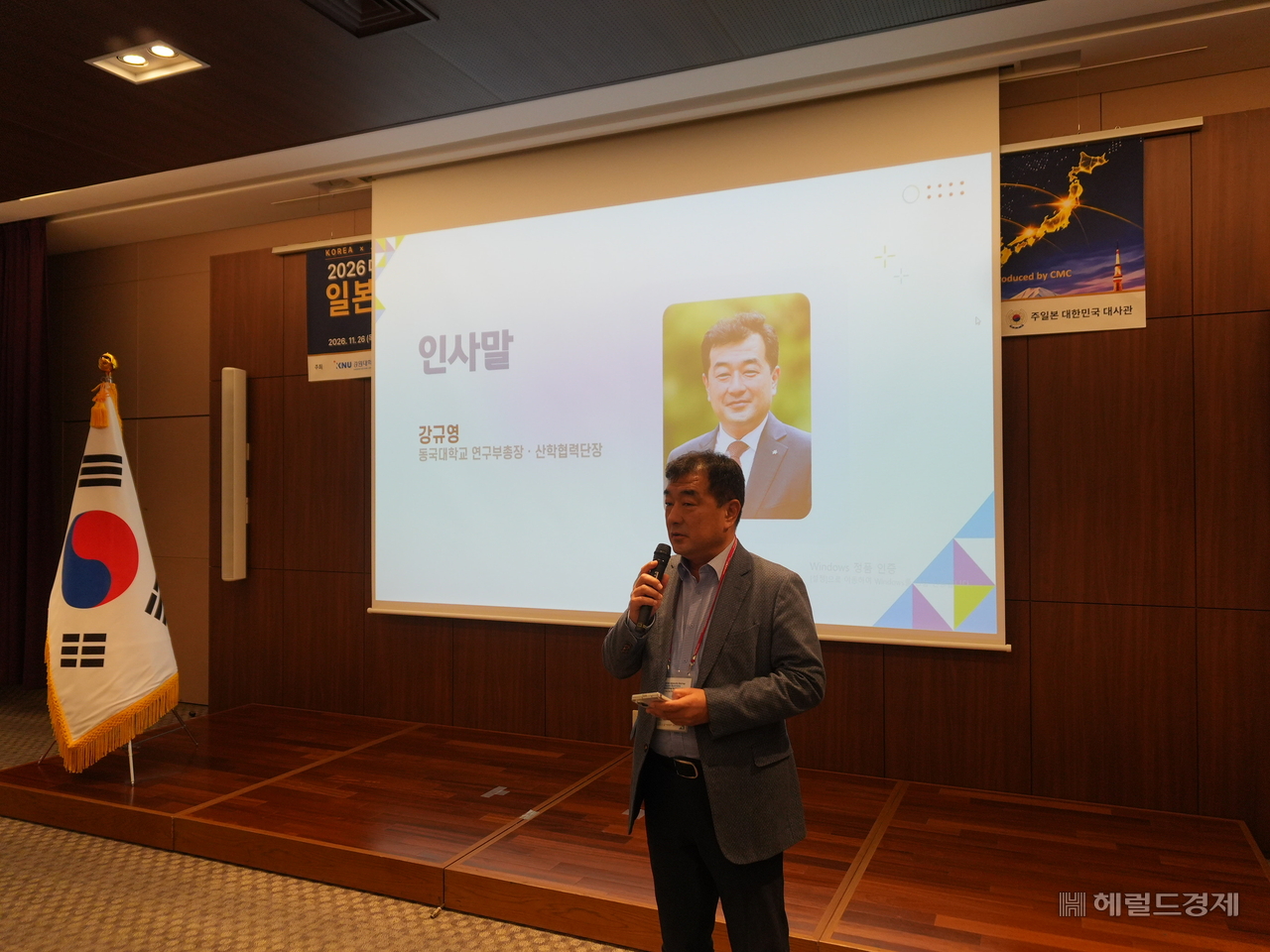
Korea PCP CEO Kim Yu-shin served as master of ceremonies, handling the opening and participant introductions. In the morning, 10 companies presented their technologies and business models through IR sessions, while afternoon consultations were arranged for 12 companies, including Trione and LTCware.
In his opening remarks, Economic Minister-Counselor Choi expressed continued support for the event and urged participating companies to make full use of available support networks — including not only the embassy but also KOTRA and intellectual property support agencies — as they pursue entry into Japan.
Company presentations highlighted each technology's distinguishing features alongside the types of partners the startups were seeking in Japan. Undermilli CEO Lee Ho-jong introduced Maloha, a real-time voice interpretation service, saying the company is looking for partners to deploy the service at hospitals and hotels in Japan. Lee outlined a model in which the service would provide facility information to visitors while also offering interpretation functions.
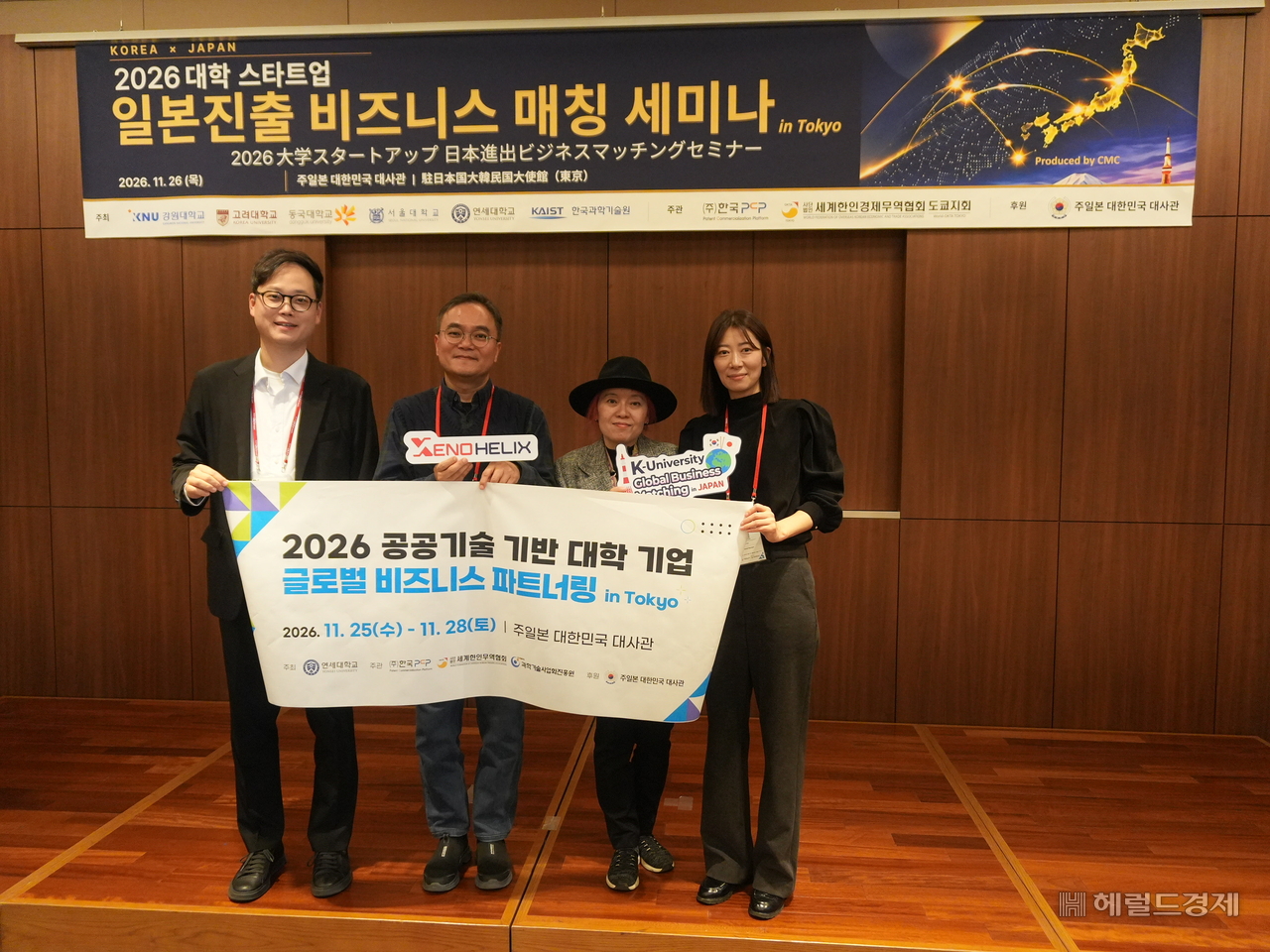
Genohelix drew particular attention with its nucleic acid-based skin care ingredients and scalp and skincare products. The company said it is expanding its precision molecular diagnostics expertise into skin care material development, presenting naturally derived exosomes and a low-molecular-weight PDRN ingredient called miPDRN as its core technologies. Products on display included the EX HEAL serum, mist, toner and hair tonic, as well as the miPDRN 50K+ serum.
After the event, Genohelix also pursued individual meetings with local retail contacts. Research Director Jo Seok-geun and Yonsei University Technology Holding Company BI Team Manager Choi Jae-won said they planned to meet a cosmetics buyer in Tokyo's Shinjuku district after the seminar concluded. Both said they hoped the technology introduction would lead to substantive consultations with local buyers and ultimately to real transactions and sales.
Voicelens presented an on-device voice login solution powered by a proprietary AI model that operates entirely within the device. Tiki showcased an AI-based question creation and review platform incorporating expert feedback, highlighting its potential applications in mathematics education.
In the biotech and healthcare segment, JuneTree presented a molecular diagnostics platform that enables on-site testing without sending samples to an external laboratory. Nearcare introduced an AI-based platform that allows users to photograph urine test strips with a smartphone to check health-related information. ObjectHealer unveiled SIG-NAPSE, an auditory feedback solution that delivers personalized sound stimulation based on an individual's biosignals.
In consumer goods and skin care, Gochawon presented Re: Sleep, a spray for air and fabric care, while Genohelix showcased EX HEAL, its RNA- and DNA-based scalp and skincare product line. DermaFluxLab presented Textune, a cosmetics line for skin barrier management, along with its related formulation technology.
Singulomer introduced an anti-counterfeiting solution combining DNA-based special ink patterns with AI detection technology. CEO Yun Dong-gi explained the company's plan to apply the technology to verifying the authenticity of artworks and collectible cards.
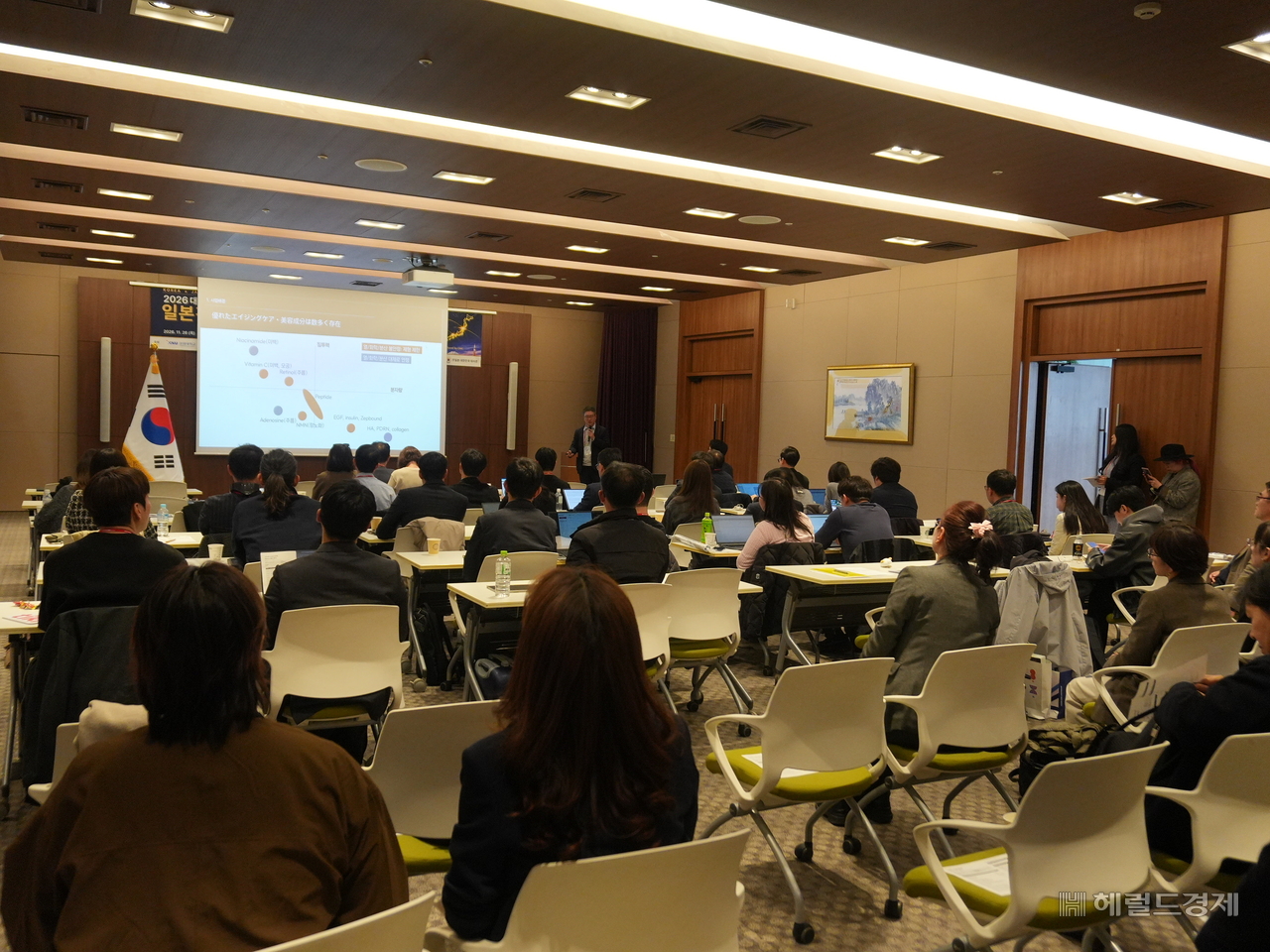
Organizers also made advance preparations to maximize the efficiency of consultations. Company presentation materials were translated into Japanese and distributed to attendees from Japan. Interpreters were briefed before the afternoon sessions and asked to review technical content and key terminology with company representatives ahead of the consultations. The afternoon sessions ran in 30-minute slots over six rounds, during which participating companies discussed potential local applications and business cooperation with their Japanese counterparts.
Kim Yu-kyung, CEO of CMC and the event's local producer in Japan for the eighth consecutive year, said the seminar is focused on "strategic business matching so that the excellent technologies and innovative ideas of Korean university startups can translate into real business opportunities in the Japanese market."
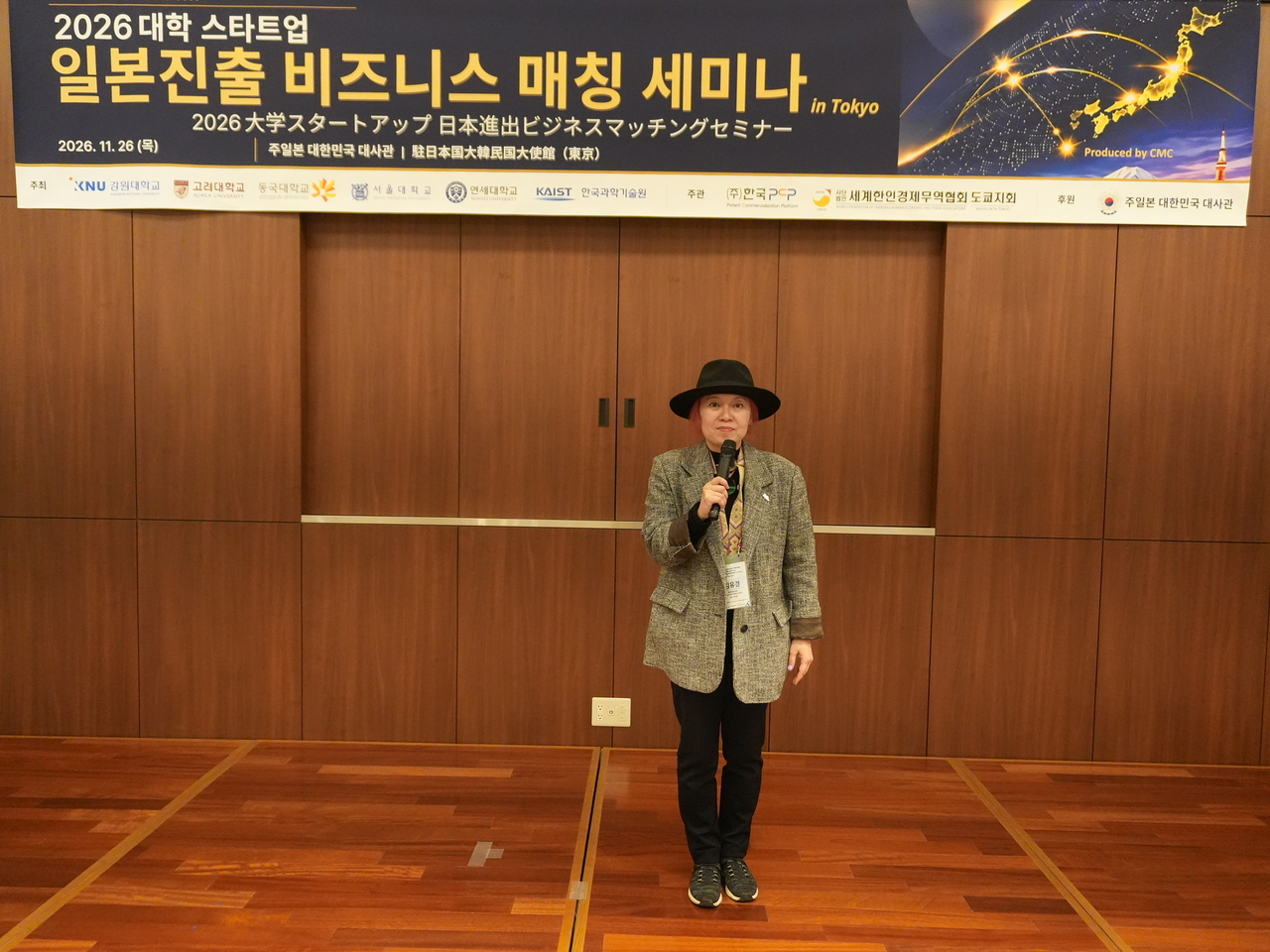
Kim stressed that success in the Japanese market requires more than competitive technology and products. "Understanding the local market, finding the right business partners and building long-term relationships of trust are what matter most," Kim said, adding that turning consultations into actual business deals requires not only the efforts of participating companies but also sustained, long-term attention and support from universities and related institutions.
"Rather than stopping at a one-time event or a simple tally of consultations, we need continuous follow-up support and systematic management even after the meetings conclude," Kim said. "Building on eight years of business exchange, we aim to create a sustainable Korea-Japan business cooperation ecosystem that leads to genuine technology commercialization, investment attraction and market development."
Jeong Gyeong-won, chair of the World-Okta Tokyo chapter, expressed gratitude to the economic section of the Korean Embassy in Tokyo for its sustained cooperation in facilitating exchanges that support Korean university startups' entry into Japan.
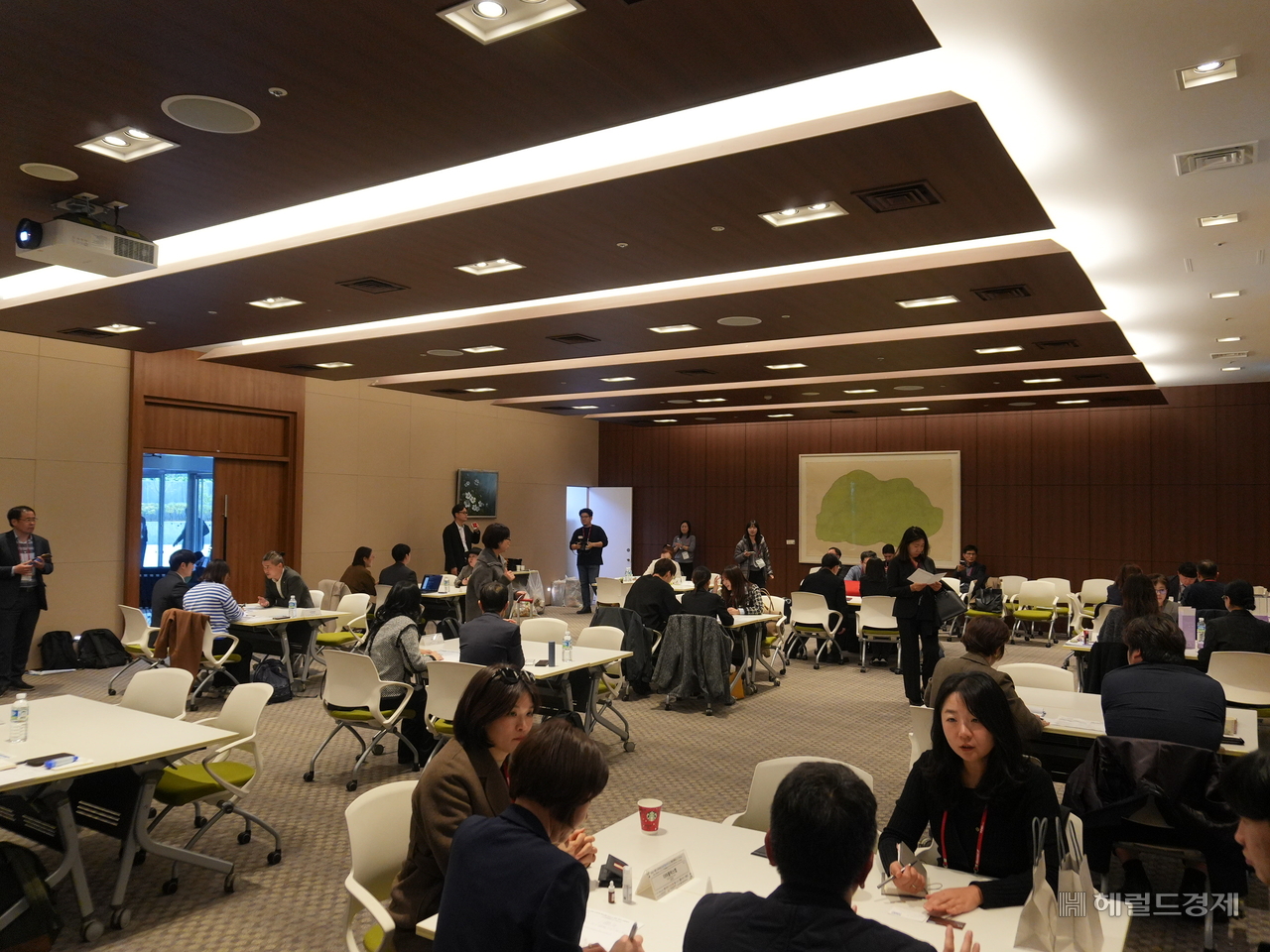
Korea PCP CEO Kim Yu-shin said the event was first launched in Japan in 2018 to help domestic university technologies and the startups built on them gain a foothold overseas. "Over the past eight-plus years, through online and offline matching consultations, a number of success stories have emerged — including exports to Japan, the establishment of local subsidiaries, investment attraction and joint ventures," he said.
Kim said the significance of this year's event lay in confirming the overseas commercialization potential of university technologies. "This was an event that proved Korean university technologies can absolutely hold their own abroad," he said. "I hope this kind of exchange will spread to other countries and serve as a catalyst for the successful overseas expansion of university and public-sector technologies."
sjkim@heraldcorp.com