
Accounts suspended after AI tools handle ads, blog posts on major platforms
Naver, Kakao cite existing policies against unauthorized automation
Industry sees platform control battle heating up as AI agents spread

As AI agents that carry out tasks on behalf of users gain popularity, a growing number of Naver and Kakao account holders are finding themselves permanently banned.
The suspensions stem from Naver and Kakao's restrictions on unauthorized automated access to their services. The spread of AI agents that move freely across platforms has set the stage for an intensifying battle over service access rights.
According to the IT industry Wednesday, users of personal AI agents such as Pickle have recently had their Naver and Kakao accounts permanently suspended.
Personal AI agents go beyond answering questions — they carry out tasks directly on behalf of users. Pickle, developed by a Korean-American startup headquartered in Silicon Valley, is a leading example. When a user issues a command, the app connects directly to external platforms to handle everything from product orders and restaurant reservations to sending messages. Since its domestic launch last month, Pickle surpassed 200,000 monthly active users within a month.
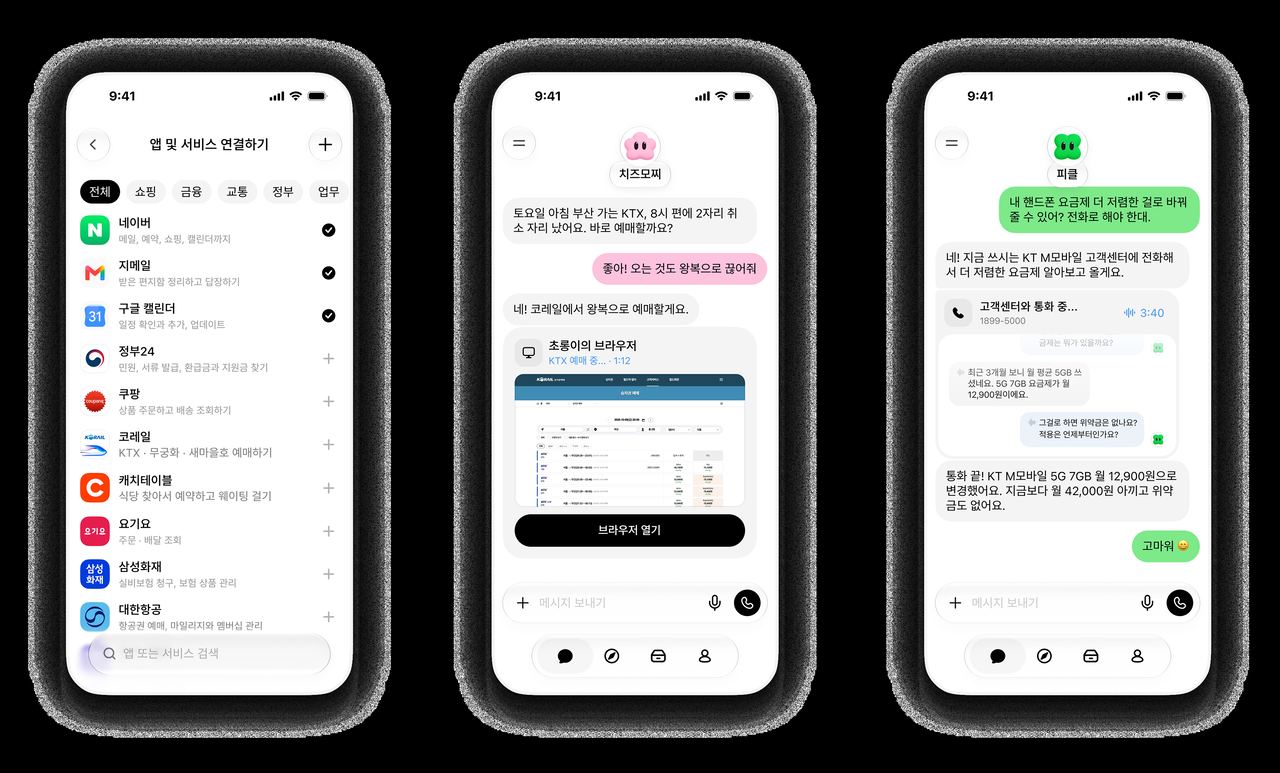
The permanent bans appear to have occurred while users were using AI agents' automation features. One user, identified only by the surname Kim, 31, said their Kakao account was suspended while using a tool called OpenClo to conduct marketing activities in KakaoTalk open chat rooms. Another user, surnamed Choi, 29, said they received a permanent Naver account ban after instructing Pickle to upload blog posts every two hours. Similar cases have been surfacing in online communities.
Naver and Kakao say the suspensions are consistent with their existing terms of service. A Naver official said the company does not act against AI agent use alone, but that abnormal usage patterns — such as macros or mass abuse — are subject to permanent suspension under existing policy. A Kakao official similarly said the actions were not directed at AI agent use itself, but were the result of applying existing terms of service.
Naver prohibits automated logins, searches, post creation and email sending without prior authorization, and reserves the right to permanently restrict accounts for policy violations. Kakao also permanently bans users from all KakaoTalk services for automated activity that undermines service stability.
Both companies have recently begun taking a more active stance toward external AI agents accessing their services. Naver has decided not to respond to customer service calls placed by AI agents acting on behalf of users. Kakao has launched a review of how Pickle integrates with KakaoTalk, examining whether the method poses risks to user protection.
A Naver official said the company would review whether to grant agents access, with service stability and user protection as its top priorities. A Kakao official said the company plans to verify whether there are any policy or legal concerns from a user-protection standpoint before determining its response.
The industry expects the question of how much access platforms grant to external AI agents to emerge as a major new flashpoint as the AI agent market grows rapidly. Since both Naver and Kakao are developing their own AI agent services, analysts say the issue could expand beyond user protection into a broader contest over control of their platforms.
"If platforms cede control to AI agents, they risk being reduced to a kind of subcontractor providing backend services — so the fight over access rights will only get fiercer," one industry official said. "If AI agents begin handling payments on users' behalf, the existing revenue models of major platforms will inevitably have to change."
chami@heraldcorp.com




