
- 13th Education ODA Conference held with Ministry of Education
- Shift toward co-design with partner countries, demand-driven programs
South Korea is exploring a new international development cooperation strategy aimed at building self-sustaining local education systems in developing countries, moving beyond one-off support.
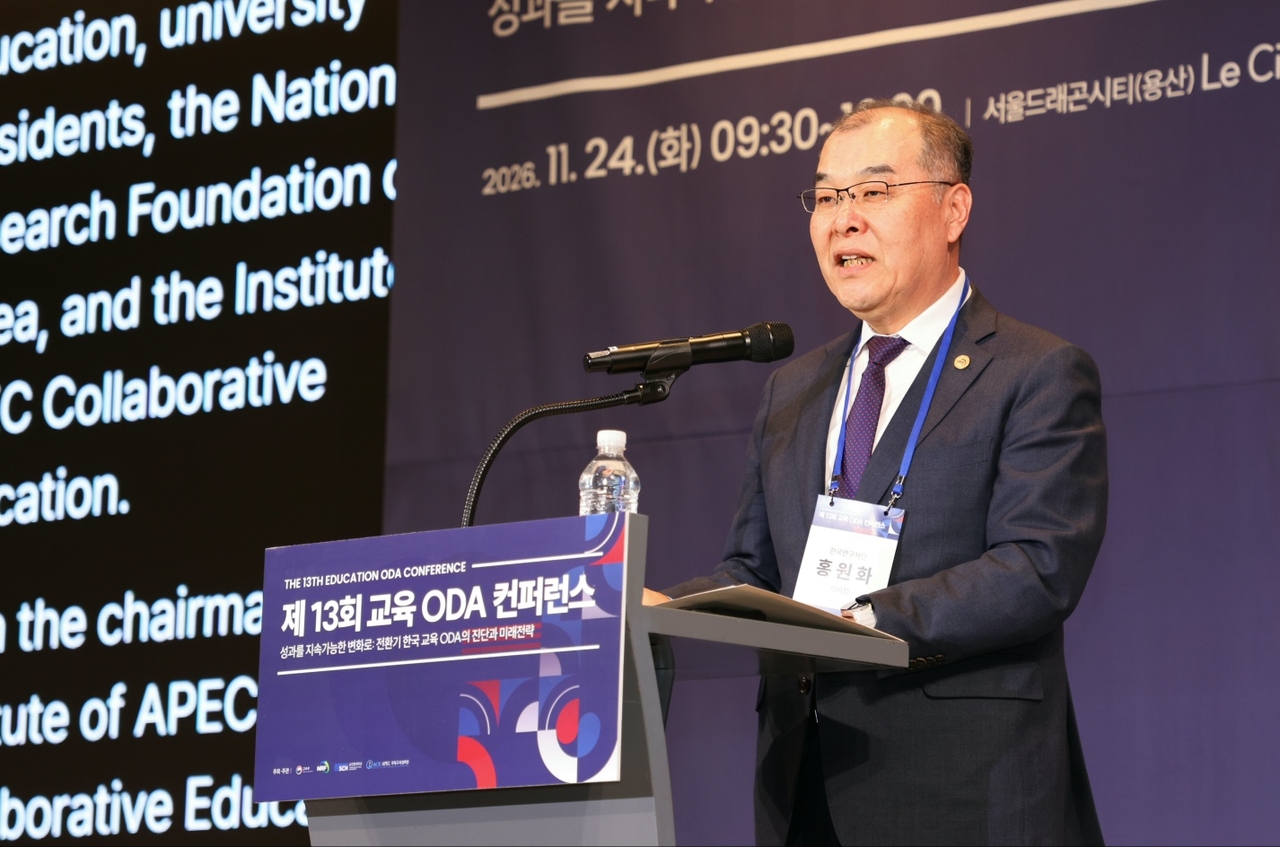
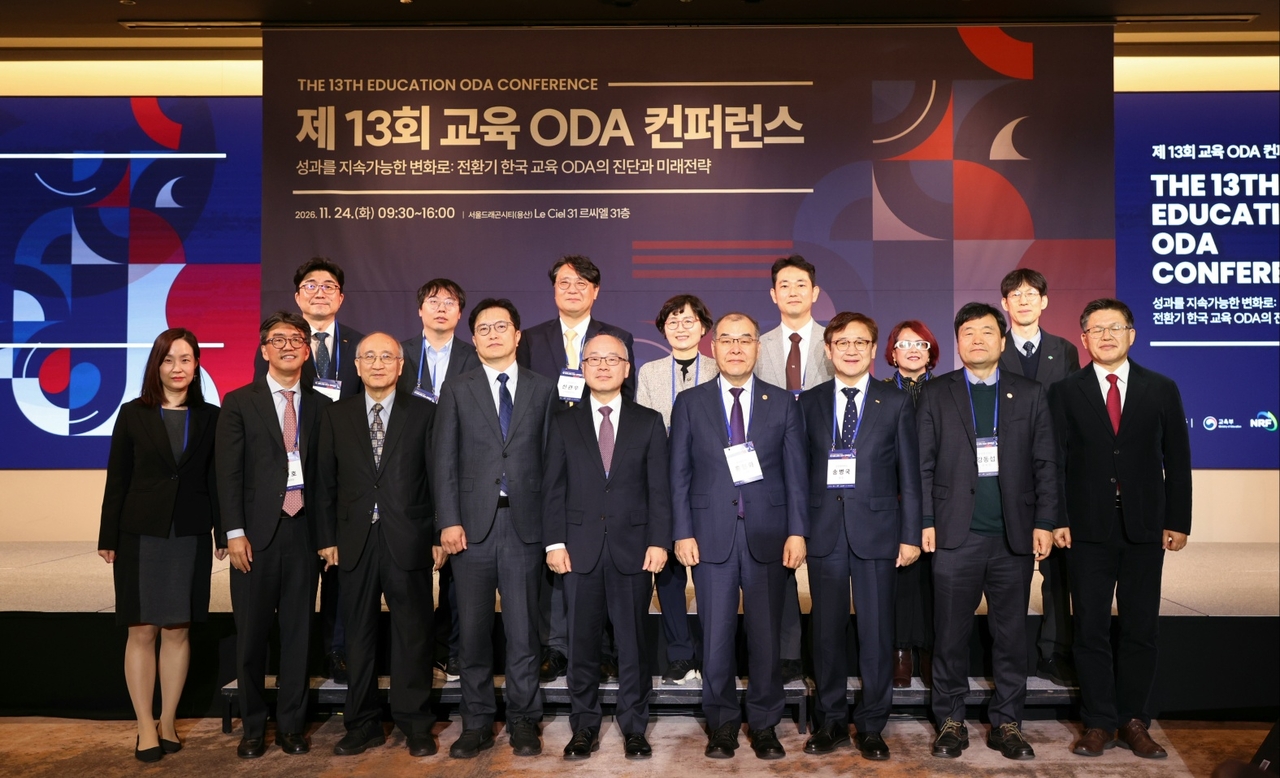
The National Research Foundation of Korea and the Ministry of Education held the 13th Education Official Development Assistance Conference on Tuesday at Seoul Dragon City.
Held under the theme "From Results to Sustainable Change: Diagnosis and Future Strategy for Korean Education ODA in Transition," the event brought together officials from government agencies, public institutions, universities and international organizations to discuss sustainable models for education cooperation.
NRF Chairman Hong Won-hwa said the sector is at a policy turning point — marked by the drafting of the Fourth Comprehensive Basic Plan for International Development Cooperation — and called for a shift toward "co-design," in which partner countries participate from the project planning stage, and toward "strategic program-based projects" tailored to each country's specific needs.
Lee Gyu-ho, director general for development cooperation at the Ministry of Foreign Affairs, outlined ways to strengthen the strategic alignment of education ODA and generate sustainable outcomes from a development-effectiveness perspective.
Thematic sessions focused on managing the long-term results of education ODA, successful cases of local institutionalization, and approaches to reforming education systems in line with partner-country demand.
Shin Gwan-woo, head of the industry-academic cooperation foundation at Sogang University, presented cases in which a program supporting leading universities in international cooperation — funded by the NRF — drove institutional change at local universities even after the project had ended.
Participants also discussed ways to embed AI and education technology into local education cooperation efforts. Officials from the Indonesian Embassy in Seoul and the World Bank shared proposals for improving education systems that reflect the practical needs of partner countries.
A general discussion identified strengthening public-private cooperation, building country-specific tailored programs, and expanding AI and digital education cooperation as the key policy priorities going forward.
"The successful implementation of education ODA ultimately depends on drawing out real, on-the-ground execution within the conditions and context of each location," Hong said. "We will continue to provide sound project management and careful institutional support so that project teams and researchers can focus on building the foundations for partner countries' self-reliance."
nbgkoo@heraldcorp.com




