
Prediction platforms surge as stars and leagues sign on
A dangerous alliance at the crossroads of sports, finance and gambling
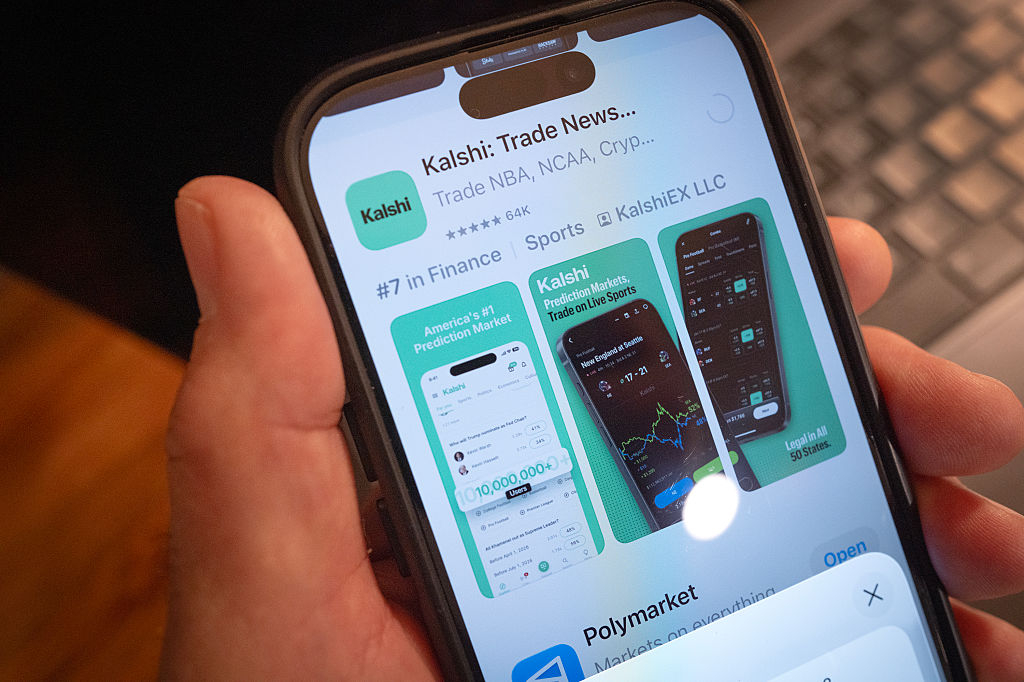
Sports stars are finding new ways to make money off the field. Beyond endorsement deals and sports brand ventures, a growing number are now partnering with prediction market platforms such as Kalshi and Polymarket — online exchanges where users buy and sell contracts on the likelihood of specific outcomes, from game results to political and economic events.
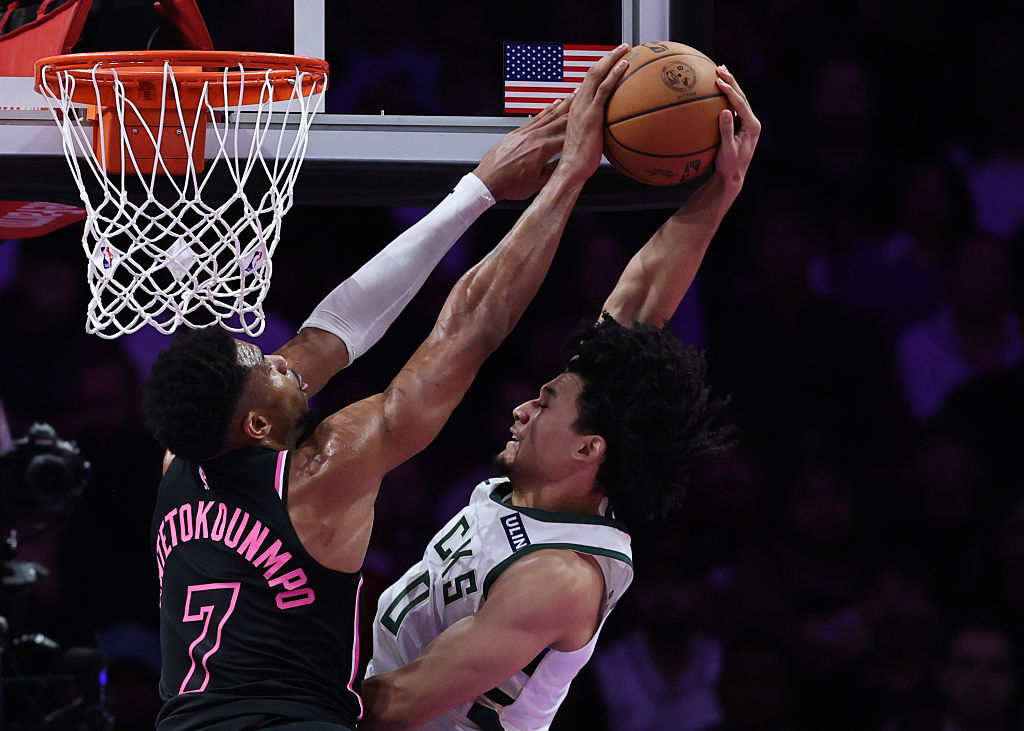
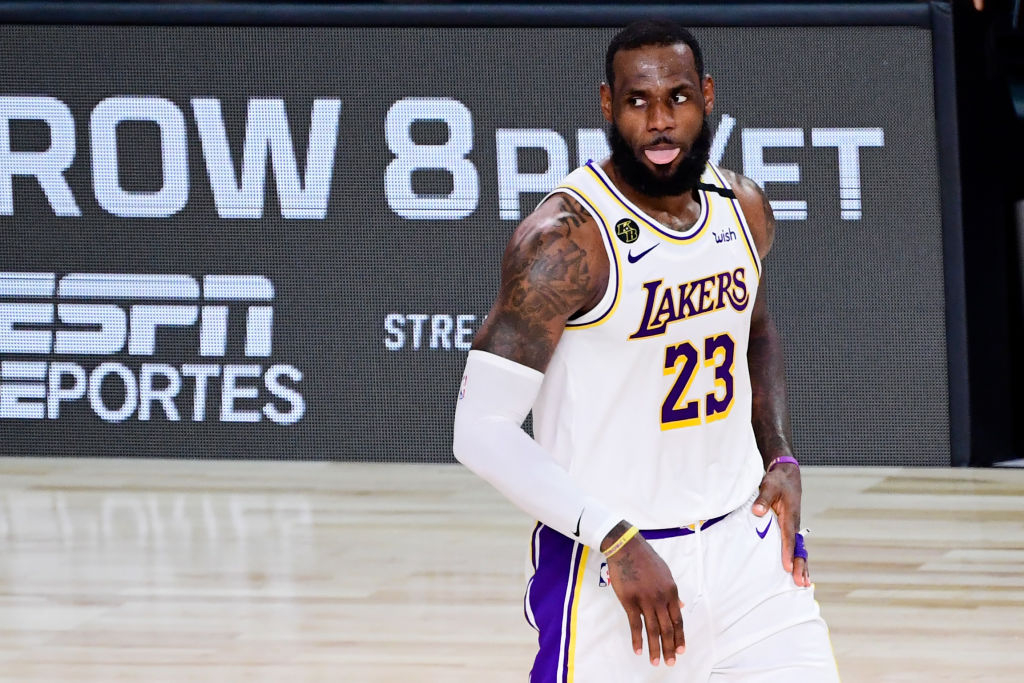
NBA star Giannis Antetokounmpo, 31, of Greece, announced in February that he had acquired an equity stake in Kalshi. Tennis legend Pete Sampras, 55, appeared in a Kalshi advertisement during this year's US Open, and soccer manager Jose Mourinho, 63, of Portugal, took part in a Kalshi promotional campaign ahead of the World Cup. The Guardian reported that LeBron James, 41, recently signed a partnership with Polymarket worth $15 million a year.
The trend is hardly surprising in the world's largest professional sports market, given the explosive growth of prediction platforms. The Guardian reported Tuesday that Kalshi's monthly notional trading volume surged from about $40 billion in August to about $100 billion in October. A significant share of that trading is concentrated on sports-related predictions, making the names and star power of athletes a potent marketing tool for bringing these platforms to a mass audience.
It is telling that Victor Wembanyama, 22, of France — widely regarded as the NBA's next superstar — made headlines simply by saying he would never promote such companies. In October, Wembanyama said, "I will never do that," adding, "It's everyone's choice to do what they want, but honestly, seeing some players promote those kinds of companies is very sad." The Guardian observed that the line between sports hero and gambling industry ambassador is disappearing fast.
The spread of prediction markets is moving beyond individual athlete endorsements and into the business strategies of professional leagues themselves. The Associated Press reported in October that the NBA had selected Kalshi and Polymarket as its official prediction market partners, signing multi-year deals with both platforms.
For the league, the partnerships offer new revenue streams, fan engagement opportunities, access to trading data and statistics, and increased brand exposure. But the official tie-ups also pull prediction markets from the periphery of the sports industry into its core. Wagering money on game outcomes is, in effect, becoming a formal part of the league's own business.
Prediction markets are sports betting in all but name
A prediction market is a platform where participants trade contracts on the outcomes of future events — political, economic or sporting. Buyers and sellers take positions on whether a specific event will occur, and contract prices fluctuate based on market supply and demand. The platforms describe themselves not as gambling operations but as financial markets that aggregate collective information and judgment into prices.
Consider a bettor who expects the Lakers to win an NBA game. In traditional sports betting, the bettor places money at odds set by a sportsbook and collects a payout based on the result. In a prediction market, the bettor instead buys a "YES" or "NO" contract on the question "Will the Lakers win?" If a "YES" contract is priced at 60 cents, the buyer is purchasing a contract worth $1 at settlement for 60 cents. A correct call yields a 40-cent profit per contract; a wrong one means losing the purchase price.
Contract prices shift continuously as participants trade. Even before a game ends, a bettor can sell a contract that has risen in price to lock in a profit. The structure resembles futures trading, in which contracts on the future price or value of an asset are bought and sold before settlement. The key difference is that while traditional futures markets deal in the future prices of raw materials or financial assets, prediction markets trade on whether specific events will occur and how they will unfold.
The mechanics, product structure and regulatory framework differ from traditional sports betting. But the fundamental activity — predicting sports outcomes for financial gain or loss — is the same. As sports-related contracts come to dominate trading volumes, prediction markets are in effect becoming a new frontier of sports betting. The language of "prediction" instead of "betting," and "trading" or "investment" instead of "gambling," gives these platforms the appearance of conventional financial products — and can draw in people who would otherwise recoil from gambling by framing it as analysis or investment.
The legal status of prediction markets remains contested in the United States. The platforms argue they operate as federally regulated financial markets, but some state governments contend they are no different from sports betting and should be subject to state gambling laws. As sports-related contracts multiply, the debate over where financial products end and gambling begins is only intensifying.

Match-fixing temptation grows stronger
One of the most serious concerns about the convergence of prediction markets and sports is the heightened risk of match-fixing and insider information leaks. As tradeable contracts expand beyond overall game outcomes to cover individual player statistics and specific in-game situations, the value of non-public information grows accordingly. Details about player injuries, lineup decisions and game-management strategies could be exploited for betting purposes, and the incentive to manipulate specific results or in-game moments could intensify.
The UFC has detected multiple anomalies linked to sports betting and has repeatedly tightened its oversight. At a 2015 UFC event in Seoul, brokers were found to have offered Bang Tae-hyun 100 million won ($74,400) to take a deliberate loss. In November 2022, abnormal betting patterns emerged before a bout involving Darrick Minner of the United States, with wagers concentrating heavily on his opponent winning by first-round knockout, prompting the UFC to sanction the coaches and fighters involved.
In response, the UFC partnered with professional betting monitoring firms and banned not only fighters but also coaches, managers and trainers from wagering on UFC bouts. When suspicious betting activity was detected before a November 2025 fight involving Isaac Dulgarian of the United States, the UFC notified the FBI and cooperated with the investigation.
The NBA is not unaware of the risks. Its prediction market deals include safeguards designed to protect competitive integrity — limiting the range of tradeable markets, requiring the sharing of suspicious transaction data, and prohibiting league and team personnel from trading on NBA games. The NBA also retains approval authority over which game and player contracts may be offered. The league has additionally signed an MOU with the US Commodity Futures Trading Commission covering regulatory oversight and integrity protection.
Yet these safeguards are unlikely to eliminate entirely the match-fixing risks that come with linking prediction markets to professional sports. The league now faces the growing burden of securing new revenue while simultaneously defending the fairness and credibility of its games.
Sports gambling has already taken deep root in South Korea
In South Korea, wagering money on sports outcomes is generally illegal. The only legally permitted sports betting product is Sports Toto, the sports lottery issued by the Korea Sports Promotion Foundation. Private sports gambling outside that framework is prohibited, and offshore betting sites are also off-limits to domestic users. The Supreme Court has ruled that South Korean law can be applied to nationals who use privately operated overseas sports gambling sites, even when those sites operate legally in their home jurisdictions.
Prediction markets are also being treated as gambling under South Korean law. Reports emerged in June that police were investigating domestic users of Polymarket on illegal gambling charges. The Korea Communications Standards Commission ruled in August that Polymarket constituted a speculative service and voted to block access to it from within South Korea. Polymarket argued that its platform operates as a peer-to-peer exchange based on virtual assets and does not support won-denominated payments, but regulators determined that the technical structure and branding of a service cannot shield it from domestic law.
Online sports betting has already penetrated deeply among South Korean users, particularly teenagers. A 2025 youth gambling survey by the Korea Center on Gambling Problems, which covered 13,481 students from fourth grade in elementary school through the final year of high school nationwide, found that 4.0 percent reported gambling experience. Among those with gambling experience, online sports betting accounted for 16.0 percent of the types they had ever tried — a substantial share, trailing only online casino games at 35.8 percent and online mini-games at 29.8 percent.
Among youth with gambling experience, 19.4 percent had continued gambling within the previous six months. Data from the National Gambling Control Commission showed that 5,838 minors aged 19 or under received counseling or treatment for gambling problems in 2025, a 40.9 percent increase from the previous year. The figures illustrate that wagering on sports outcomes has already become a familiar form of online gambling among South Korean youth.
Betting-related advertisements and odds information are already visible throughout overseas sports broadcasts and venues. When athletes who have already amassed hundreds of millions of dollars in wealth still chase further riches by fronting prediction market campaigns — and when professional sports leagues lean heavily on gambling and prediction industry money and marketing — fans are nudged toward treating betting as a routine part of sports consumption.

Shaken integrity drives fans away in a vicious cycle
The financial rewards for athletes and leagues are real. But what sports stand to lose in return is the trust of fans and the purity of competition. The moment star power expands the reach of betting markets and official league partnerships lend those markets legitimacy, sports cease to be a mere advertising vehicle and become an engine of growth for the gambling industry.
Sports have long derived their value from the excitement of competition, the skill of athletes and the passion of fans. But as the ties between sports and prediction markets deepen, the meaning of a game risks being reduced to an opportunity to profit by picking the right outcome. Fans may grow more attuned to odds and contract prices than to the play on the field, and every moment of a game may come to be consumed purely as a source of financial gain or loss.
The deeper danger is that exposure to match-fixing and insider information leaks will also grow — a dynamic that could corrode the very essence of sport: fair competition. Repeated match-fixing allegations make it harder for fans to trust results. Fans who once found joy in the unpredictability of athletic competition may lose interest in the games themselves and walk away.
South Korea has lived through this before. In 2010, it emerged that Ma Jae-yoon and other current and former professional players in the esports title StarCraft had colluded with illegal betting operators to fix match outcomes. The Pro League, once the flagship of domestic esports, suffered a contraction in teams and a sharp decline in popularity. Five years later, a match-fixing scandal erupted in StarCraft II as well. Repeated fixing incidents in what had been the golden era of Korean esports shattered fan trust on a massive scale.
Warnings are now being raised that sports, in pursuing new revenue through betting markets, may face the paradox of destroying the very fan trust that sustains the industry. The appealing label of "prediction market" does not make it any less risky for sports to align with the betting industry. Sports stars and professional leagues are taking a dangerous gamble — staking the credibility they have spent years building on a partnership with the gambling market.
yjc@heraldcorp.com




