
Outlook for lifting of ban on Korean content stirs retail sector
Musinsa Beauty to launch products at 5 China stores this year
APR pushes ahead with offline expansion in Chinese market
Department stores, convenience stores seen as key beneficiaries
Duty-free sector cautious despite potential tourism upside
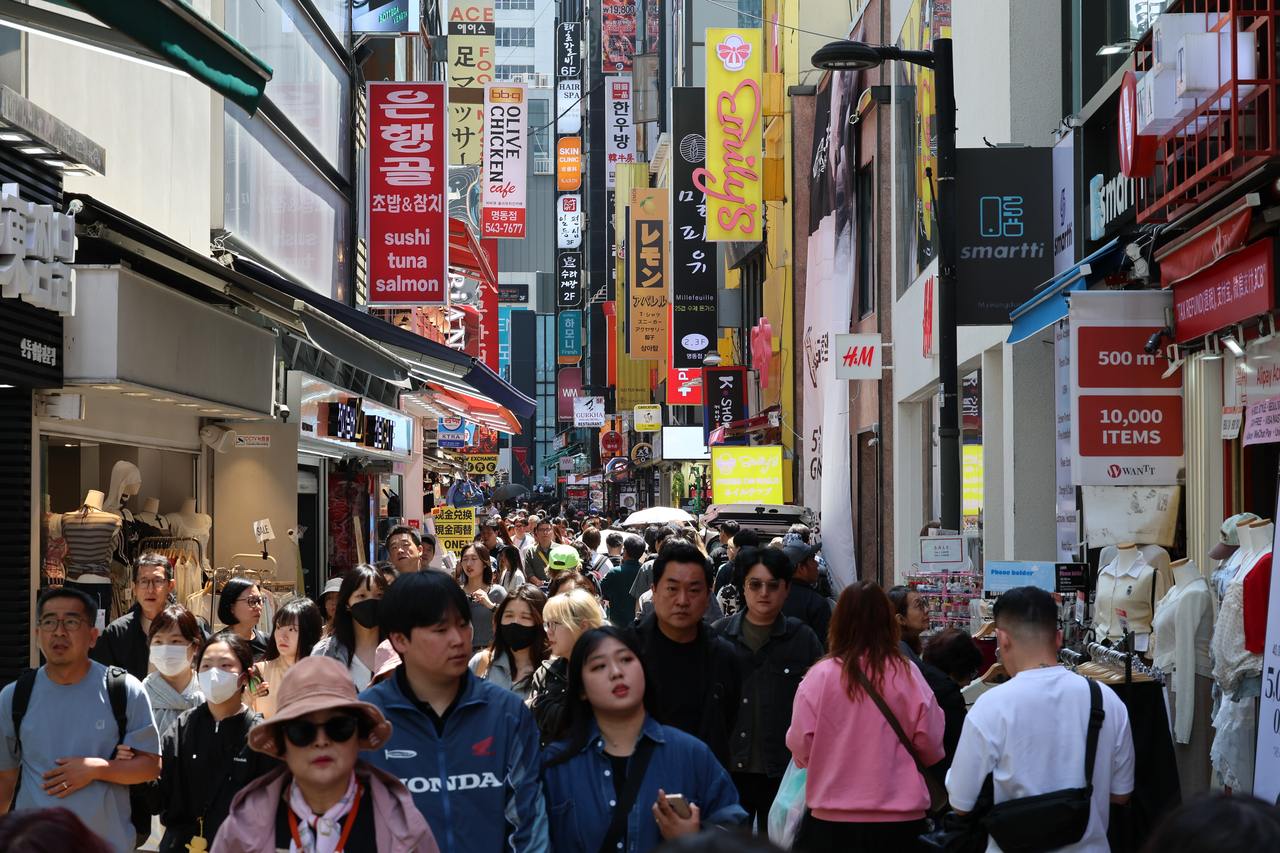
South Korea's retail industry is closely watching for signs that China may lift its informal ban on Korean cultural content. Expectations of a more open Chinese market have grown after a South Korea-China summit produced a breakthrough in follow-up negotiations on the Korea-China free trade agreement's services and investment provisions — the first substantive progress in eight years and eight months.
The deal signals that China's long-shuttered market could finally reopen. Beijing informally restricted the distribution of Korean content and the activities of Korean entertainers starting in 2016, in retaliation for Seoul's decision to deploy the US Terminal High Altitude Area Defense system. The industry is watching closely for the benefits the FTA follow-up agreement may bring, but whether the deal will translate into actual deregulation remains to be seen.
Indie beauty brands push into China's offline market, eye deregulation
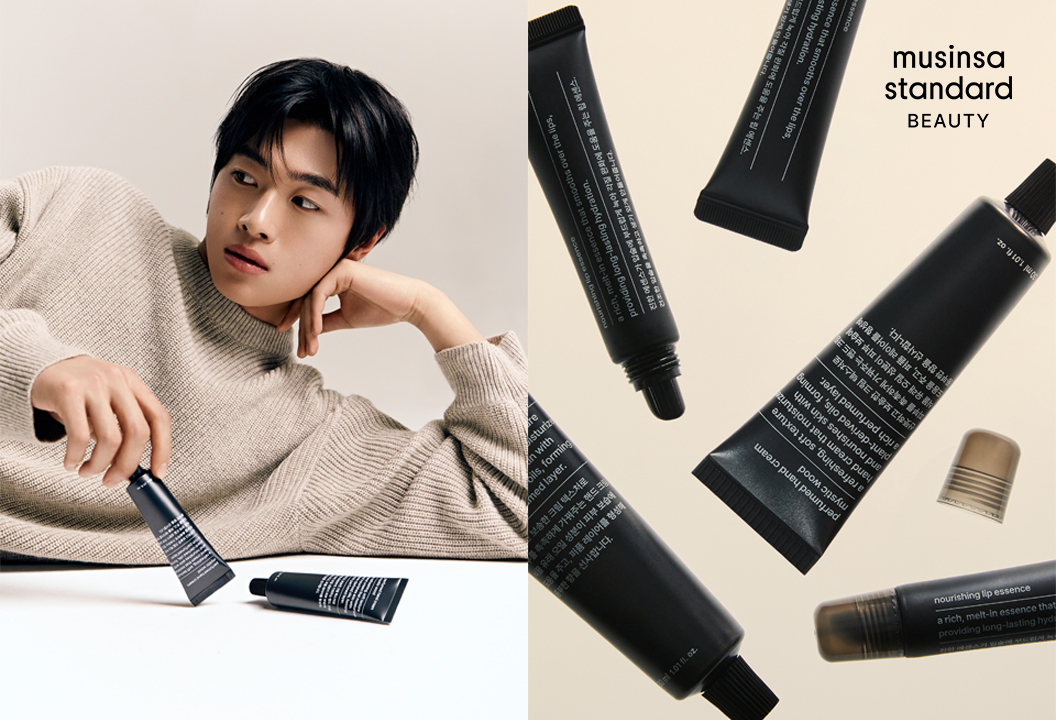
The beauty sector is moving most aggressively. Riding the global K-beauty wave, emerging brands have been knocking on China's door. Musinsa, which has already entered China directly, plans to begin selling Musinsa Standard Beauty products at its five Musinsa Standard stores in the country before year-end. Taking into account the local market's preference for color cosmetics, the company will lead with its skincare and fragrance lines. Musinsa Beauty has completed its cosmetics sales registration and is now working through the remaining export requirements, including sanitary permits. "We also plan to sell beauty products at future Musinsa Standard stores we open in China," a Musinsa Beauty official said.
APR, the top K-beauty company by market capitalization, has been expanding offline sales of its Medicube brand through local Chinese distributors since July and August. The move goes beyond its existing presence on online platforms — including Tmall, Douyin, Kuaishou, Xiaohongshu, JD.com and Pinduoduo — and aims to reach offline consumers directly. The brand is currently stocked at WOW COLOUR, SANFU and HARMAY.
The beauty industry is watching whether improved South Korea-China relations will lower China's high regulatory barriers for cosmetics imports. "China has complex import regulations and strict certification procedures for foreign businesses," one industry official said. "Sanitary permits from Chinese authorities are mandatory before offline sales are possible." The official added that even an indirect easing of such regulations "would help strengthen the foundation for K-beauty brands to expand their local business, alongside greater cultural exchange between the two countries."
Established beauty giants Amorepacific and LG H&H are taking a more cautious approach. Having dominated China's premium cosmetics market before the THAAD deployment in 2016, both companies took a heavy blow after the ban took effect and have since restructured their export portfolios toward North America and Europe. Their brand strategies have shifted as well — Amorepacific, for instance, has been building up Ryeo, Aestura and Hera alongside its flagship Sulwhasoo, which had previously relied heavily on Chinese demand. "Given that they already have local subsidiaries and production facilities in place, they are likely to monitor shifts in the international landscape before mapping out a flexible strategy," another industry official said.
Department stores and convenience stores with large foreign customer bases see upside
Department stores, which have been posting record results this year, are widely seen as among the biggest potential beneficiaries if the ban is lifted. Lotte Department Store last month crossed 1 trillion won ($744 million) in total sales to foreign customers, and Shinsegae and Hyundai Department Store expect to hit the same milestone before year-end. A revival of Chinese group tourism could drive further sales growth at flagship stores in Seoul, Busan and other cities that draw large numbers of foreign visitors.
"If the number of Chinese group tourists increases, sales at each company's key stores are expected to jump significantly," one industry official said, adding that the age profile of Chinese shoppers — currently skewed toward younger consumers — would also diversify. In a recent report, Shinhan Securities said that if direct recruitment of group tourists becomes possible and tourism packages tied to Korean content expand, "we can expect not only quantitative growth in inbound demand but also a rise in spending that combines shopping with experiential activities."
Convenience stores are also expected to benefit. Korean convenience stores have carved out a place on Chinese tourists' travel itineraries by promoting their private-label products and intellectual property collaborations. According to GS25, Chinese-speaking customers accounted for around 40 percent of its sales from January through October this year, the highest share of any nationality. CU reported that Chinese nationals made up 24.2 percent of its sales over the same period, also its top customer group by nationality.
Ongoing promotional efforts to raise brand awareness in China are expected to work in the convenience stores' favor as well. Major chains have consistently run promotions tied to payment platforms popular among Chinese consumers, including Alipay and WeChat Pay. GS25 has gone further, running dedicated banner advertisements on Xiaohongshu, a popular Chinese social media platform.
'THAAD trauma': duty-free sector treads carefully
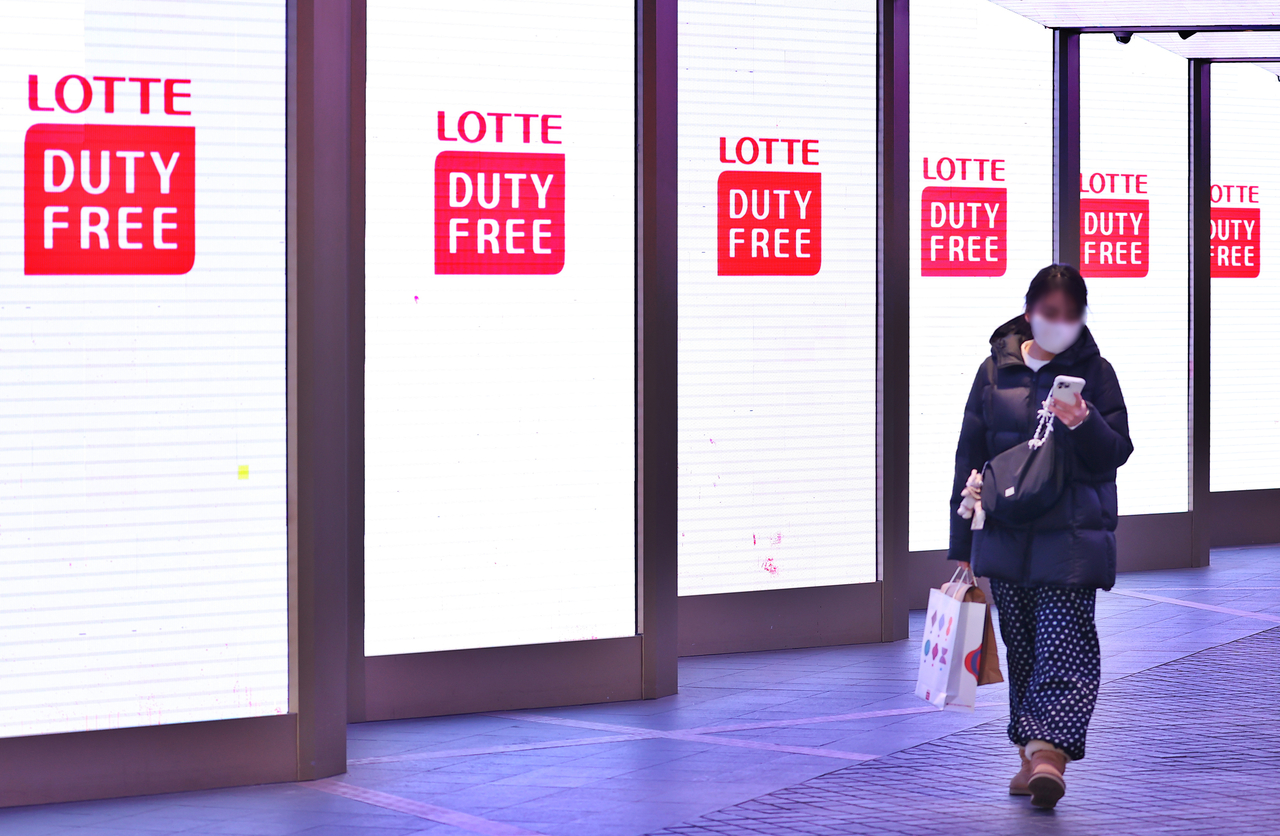
Duty-free shops are typically seen as direct beneficiaries of rising tourist numbers, but insiders say the mood within the sector is cautious. The sharp drop in Chinese group tourists after the 2016 THAAD dispute hit the industry hard, and operators say a conservative approach is warranted given that Chinese travel has since shifted toward independent travel. In a recent report, Hana Securities said "how much additional growth in Chinese tourist numbers there will be remains uncertain," noting that Chinese group tourism to South Korea is forecast to reach only 530,000 visitors in 2026 — just 7.4 percent of total Chinese tourist arrivals — after the steep decline that followed China's retaliatory measures.
There are also concerns that intensifying competition for group tourists could revive the heavy referral-fee burdens of the past, eroding profitability. "It's a kind of trauma from living through the THAAD crisis," one industry official said. "The feeling is that we need to be careful, because the situation can change dramatically at any moment."
soho0902@heraldcorp.com




