
Samsung, SK hynix lure engineers with massive bonuses, deepening talent gap
Custom HBM race drives up salaries for experienced chip designers
Small fabless firms offer stock options and perks but still can't fill roles
Foreign semiconductor firms also losing staff, triggering chain reaction
Fears grow over collapse of South Korea's system semiconductor ecosystem
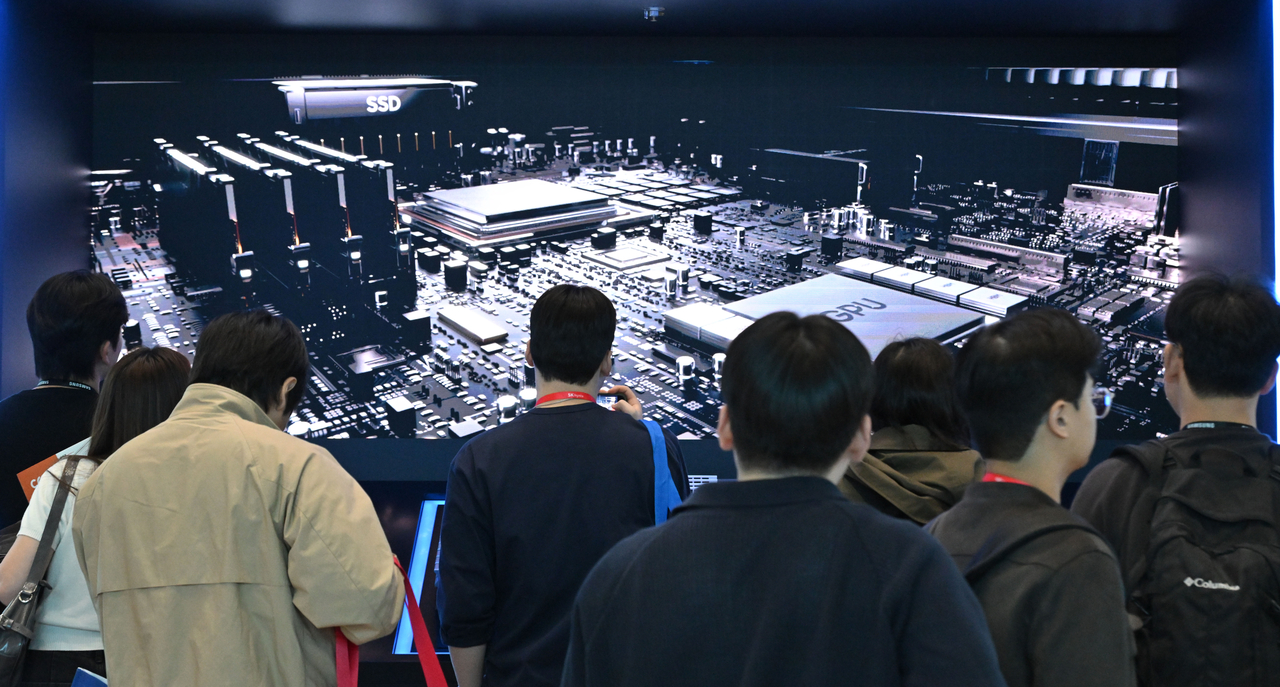
Company A, a domestic memory chip fabless firm that raised about 300 billion won ($223 million) within four years of its founding, has been aggressively hiring chip designers to keep pace with its expanding business. It plans to double its workforce from roughly 100 employees to 200.
The company's founder, a former SK hynix executive, initially built the team by recruiting former colleagues and university classmates. Personal networks alone, however, proved insufficient to meet the growing demand for talent.
Even as the semiconductor industry's unprecedented boom has drawn more science and engineering students to the field, Company A says hiring has only grown harder.
"Samsung Electronics and SK hynix are dangling bonuses worth hundreds of millions of won, and small fabless companies simply cannot compete," a company official said. "Keeping the people we already have has become the more pressing concern."
Company A offers stock options to share in the company's growth and has introduced a range of benefits, including mandatory monthly days off and meal subsidies.
But the bonus war ignited by Samsung Electronics and SK hynix has raised engineers' expectations so sharply that such incentives alone are no longer enough to secure talent, the company said.
The AI-driven boom sweeping the semiconductor industry has paradoxically put South Korea's small fabless companies on high alert. As Samsung Electronics and SK hynix post record earnings and dramatically expand their performance-based pay, they are also hoovering up the talent pool.
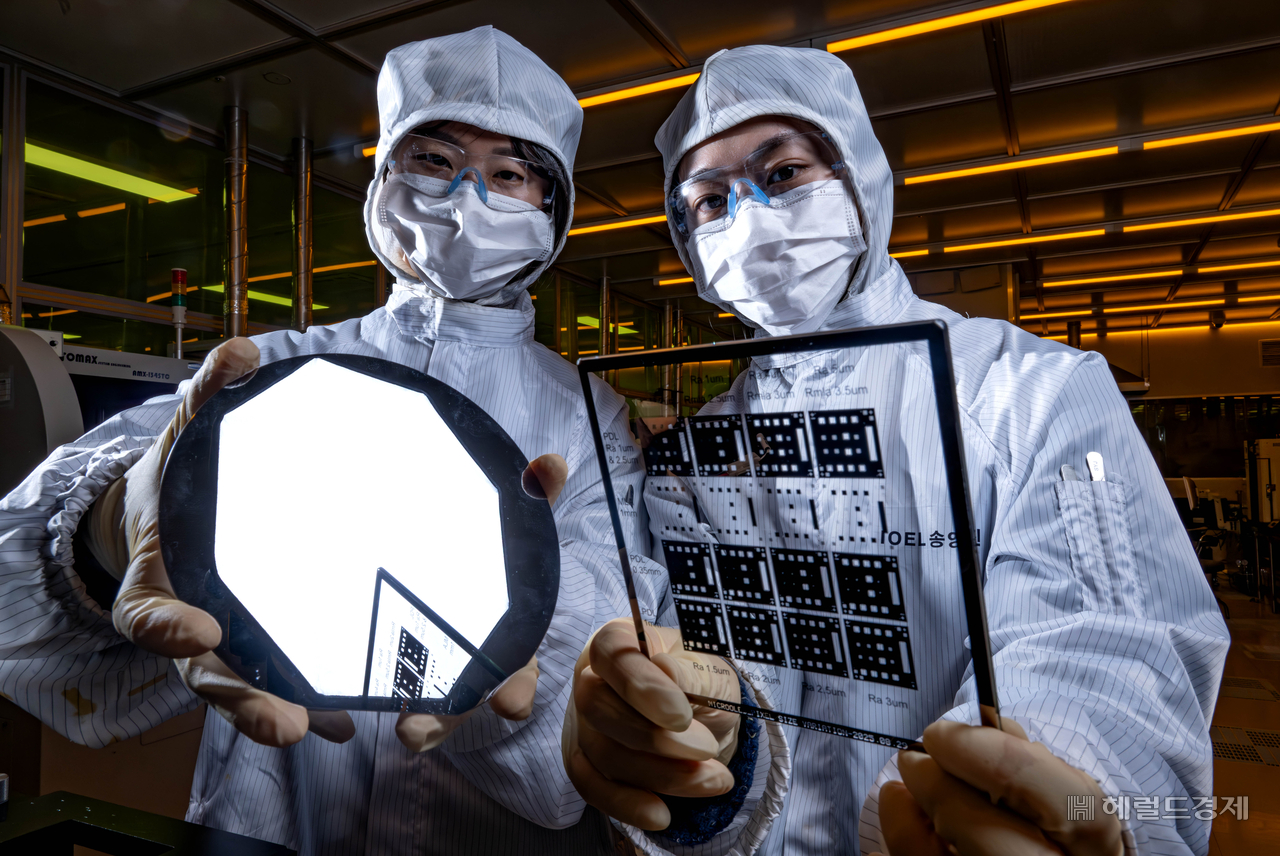
Concerns are growing that the hardening structural divide — in which smaller companies with limited compensation budgets absorb the full brunt of talent flight — could further shrink an already fragile domestic fabless ecosystem.
"Lately, engineers from foreign semiconductor design firms like Synopsys and Cadence have also been moving to Samsung Electronics and SK hynix in growing numbers," said an official at Company B, a domestic design house. "The vacancies they leave are being filled by people from domestic design houses, so the ripple effect is reaching us too."
Design houses optimize chip designs created by fabless companies so that foundries — contract semiconductor manufacturers — can actually produce them.
In the fabless and design house sectors, where human capital is the core competitive asset, the continued exodus of experienced engineers risks not only a widening talent gap between large and small firms but also the erosion of the broader domestic system semiconductor ecosystem.
"We're already short of designers we can put to work immediately, and on top of that, junior employees we've spent time training often move to large companies once they've built up some experience," said an official at another fabless firm, Company C. "It feels like we've become a talent incubator for the conglomerates."
As competition for custom HBM — products optimized for individual customers' performance and power-efficiency needs — heats up with the sixth-generation HBM4, Samsung Electronics and SK hynix have moved aggressively to recruit engineers with system semiconductor expertise.
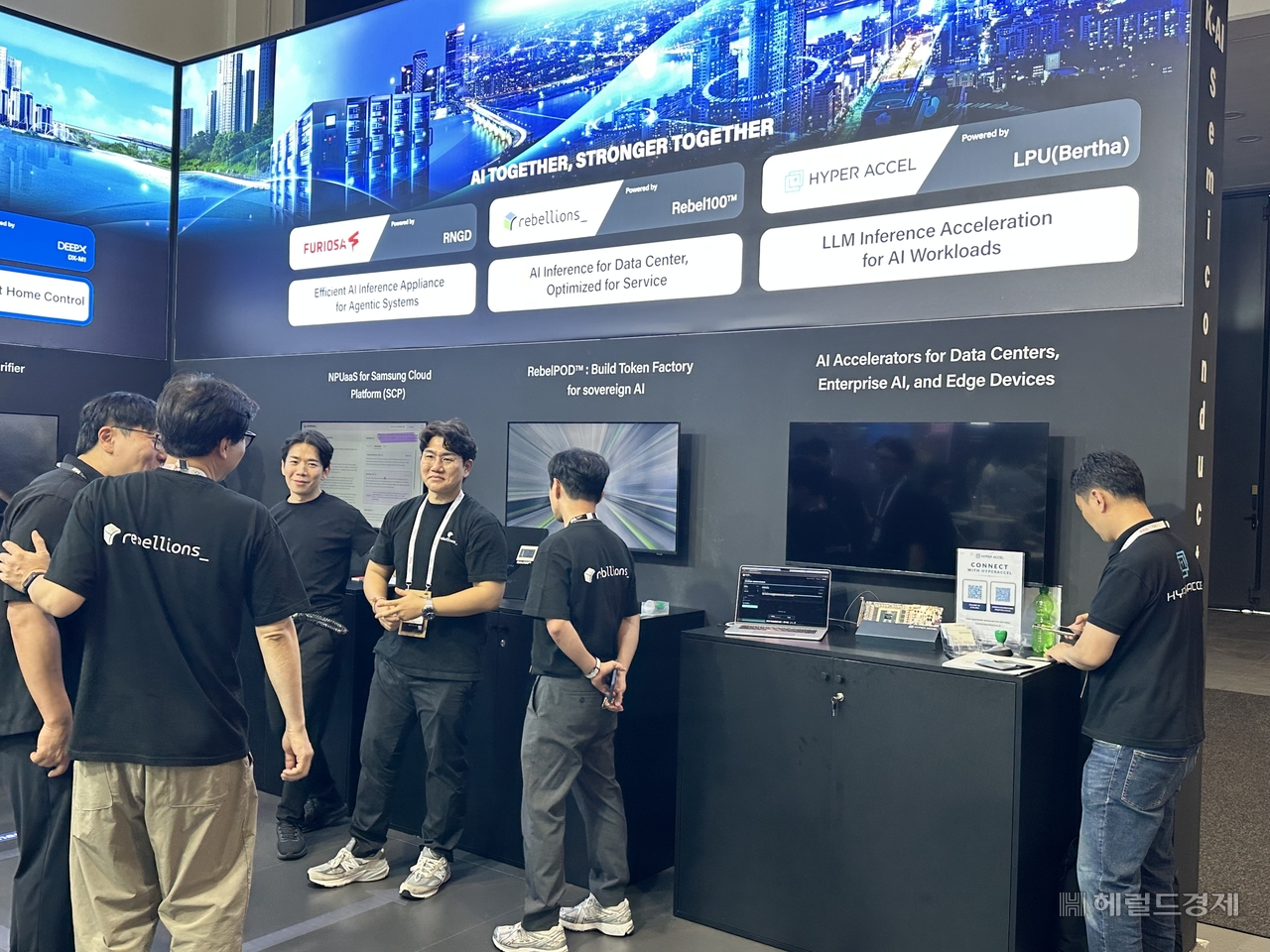
SK hynix's mid-career recruitment drive, which began Tuesday, includes a large number of roles focused on HBM base-die logic design and custom HBM architecture design.
As global big-tech customers such as Nvidia and Google demand products tailored to their own processors, competition to secure experienced chip designers is expected to intensify further.
The Korea Semiconductor Industry Association projects that the domestic semiconductor industry will need 304,000 workers by 2031 but will face a shortfall of 81,000. Of that gap, an estimated 54,000 positions will be in specialized roles including chip design.
Small fabless companies now face a double bind: talent is fleeing faster than ever, while the overall supply of specialized engineers is itself insufficient, raising questions about the long-term viability of their businesses.
In response, the Korea Chamber of Commerce and Industry commissioned a research project in May to develop a plan for analyzing fabless industry workforce demand and training engineers to meet it. The proposed approach calls for creating a privately led chip design training program that reflects industry needs, to be run through the chamber's Seoul Technology Education Center and regional workforce development institutes.
A special bill on strengthening the semiconductor industry's competitiveness, introduced earlier in the National Assembly, also included a proposal to significantly raise the stock option ceiling that mid-sized companies can offer AI chip engineers.
There are also growing calls to acknowledge that domestic talent alone cannot solve the staffing crisis at small fabless firms, and to create pathways to attract and retain overseas engineers.
In a report published in May titled "Proposals from Citizens and Businesses for Future Growth," the five major economic organizations recommended establishing E-7-1 visa criteria that would allow South Korea to train and verify the capabilities of overseas workers in fields with specialist shortages — including semiconductors — before bringing them to the country.
joze@heraldcorp.com
jeongwan@heraldcorp.com




