
Beijing suspends gallium, germanium export curbs through late January; move seen as part of fragile US-China trade truce
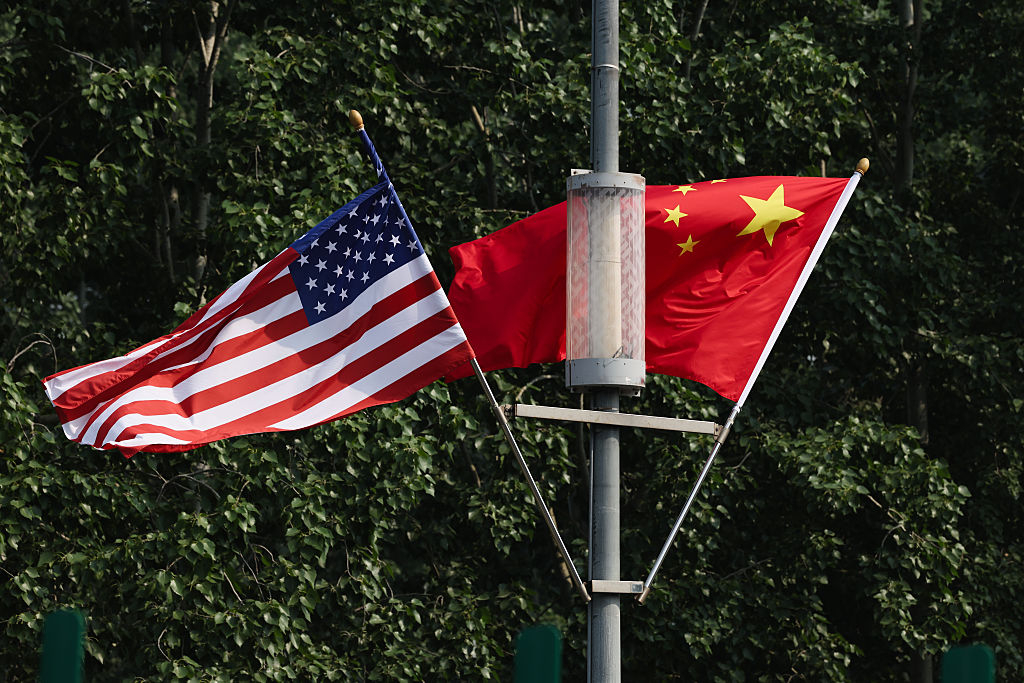
China has extended its suspension of export controls on critical minerals — including gallium, germanium and antimony — to the United States through January, while a Chinese airline signed a deal to purchase 50 Boeing aircraft. The moves signal that both countries are maintaining a trade truce ahead of a G20 summit next month in the US.
China's Ministry of Commerce announced it would suspend, from Saturday through Jan. 27, the second clause of a previously issued notice tightening export controls on dual-use materials — goods that can serve both military and civilian purposes — destined for the United States, according to Chinese outlet Hongxing News on Tuesday.
That clause bars, in principle, exports to the US of dual-use materials related to gallium, germanium, antimony and superhard materials, and requires stricter end-user and end-use reviews for dual-use graphite exports to the US.
Gallium and germanium are widely used in semiconductors, solar panels, lasers and night-vision equipment. Antimony goes into products ranging from batteries to weapons, while graphite is a key raw material for secondary batteries.
Amid the US-China trade war, Beijing has weaponized rare earths and critical minerals in response to US export controls on advanced semiconductors. Following a summit held in Busan in late October last year, China announced it would suspend the measures for one year through Nov. 27.
Bloomberg reported that the latest move came within hours of Nvidia CEO Jensen Huang's return under US President Donald Trump's backing, and that Beijing also held back from retaliating against the US Commerce Department's recent decision to restrict China's remote access to Nvidia chips.
Bloomberg also assessed that the decision was aimed at preserving a key element of the "fragile" trade truce that emerged from a meeting between the two leaders on the sidelines of the Asia-Pacific Economic Cooperation summit, held Wednesday and Thursday in Shenzhen, Guangdong province.
Bloomberg went on to say that China's suspension of an additional 24 percent tariff on US goods and its freeze on further rare earth export controls are both set to expire Jan. 10.
The two leaders are scheduled to meet on the sidelines of the G20 summit, to be held Dec. 14-15 in Miami, Florida.
Meanwhile, China Southern Airlines announced that its subsidiary Xiamen Air signed a contract with Boeing on Tuesday to purchase 50 B737-8 aircraft, subject to approval by relevant authorities. The airline said the list price stands at $7.4 billion, but that Boeing offered a substantial discount, meaning the actual transaction price will be lower.
chami@heraldcorp.com




