
Musinsa, 8seconds to Keen, Kolon Sport expand presence on island
Resident spending plus foreign tourists fuel Jeju fashion market growth
Foreign sales rise as Chinese visitors drawn by price competitiveness
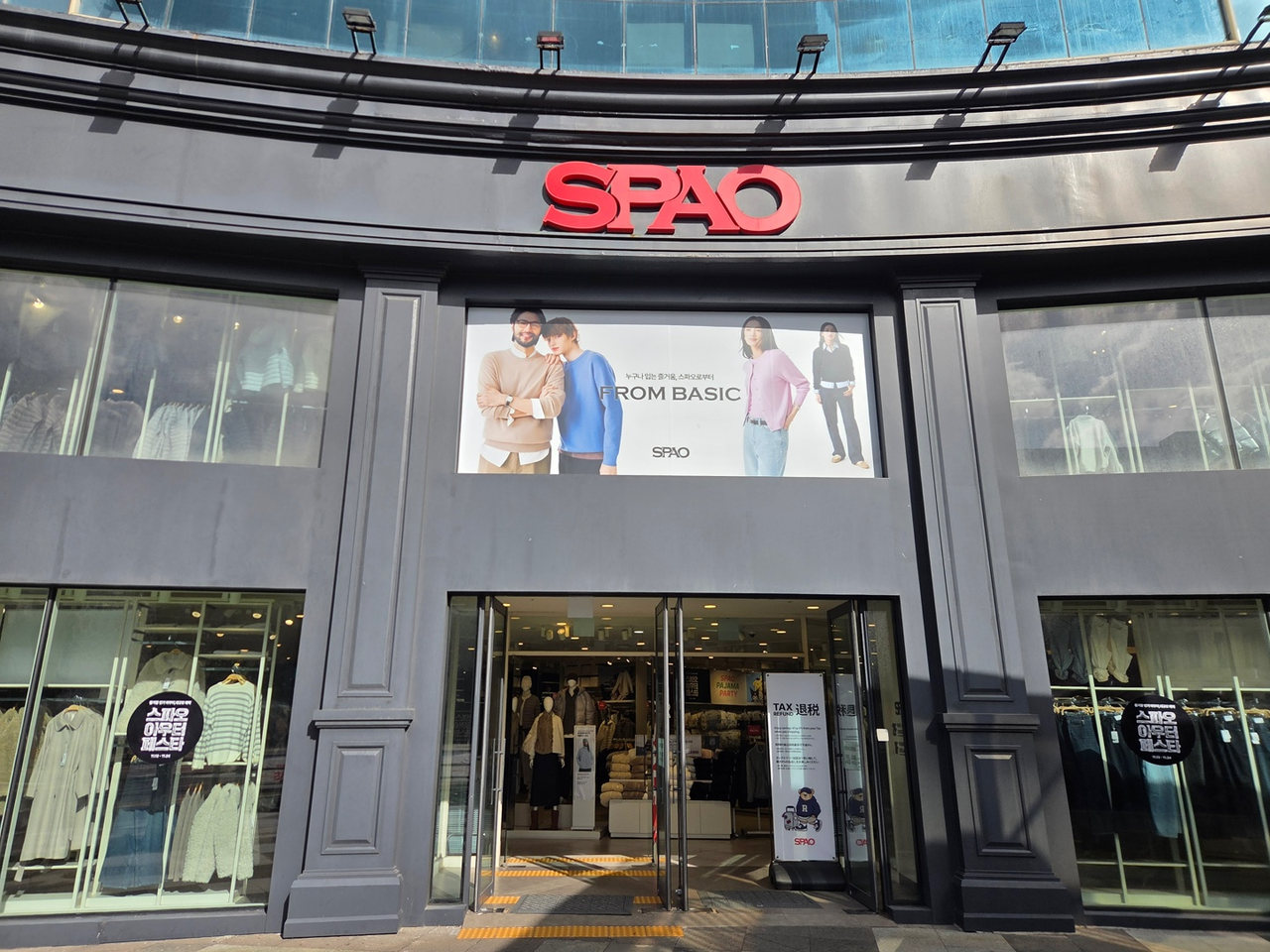
Jeju Island has emerged as a new battleground for fashion brands. With no department stores, the island has long been dominated by single-brand outlets — but the arrival of platforms such as Musinsa is now intensifying competition and strengthening the retail corridor. Brands are also pushing into Jeju to capture a growing influx of foreign tourists. The effect is already showing up in the numbers: at 8seconds, sales growth at its Jeju store has far outpaced the brand's overall offline growth rate.
The Jeju market combines everyday spending by residents with a steady flow of domestic and international tourists, giving brands access to a broad and varied customer base. Expectations for Chinese tourist spending have also risen following the substantive conclusion of follow-up negotiations on services and investment under the Korea-China free trade agreement.
The structural characteristics of Jeju's retail market are another draw. High delivery costs for online orders mean many shoppers prefer to visit stores in person, and tourists frequently make unplanned clothing purchases on the spot when the weather changes unexpectedly.
Industry sources said Tuesday that Jeju's consumer base has been expanding consistently. According to Statistics Korea, the island's resident population grew from 641,597 in 2016 to 664,792 as of December last year. Foreign tourist arrivals are also on the rise: figures from the Jeju Special Self-Governing Province Tourism Association show that about 1.99 million foreign tourists visited Jeju in the first nine months of this year, up 14.5 percent from the same period a year earlier. Total tourist spending on Jeju in the first half of this year reached 1.31 trillion won ($976 million), up 6.4 percent year on year, while spending by foreign tourists surged 44.4 percent.
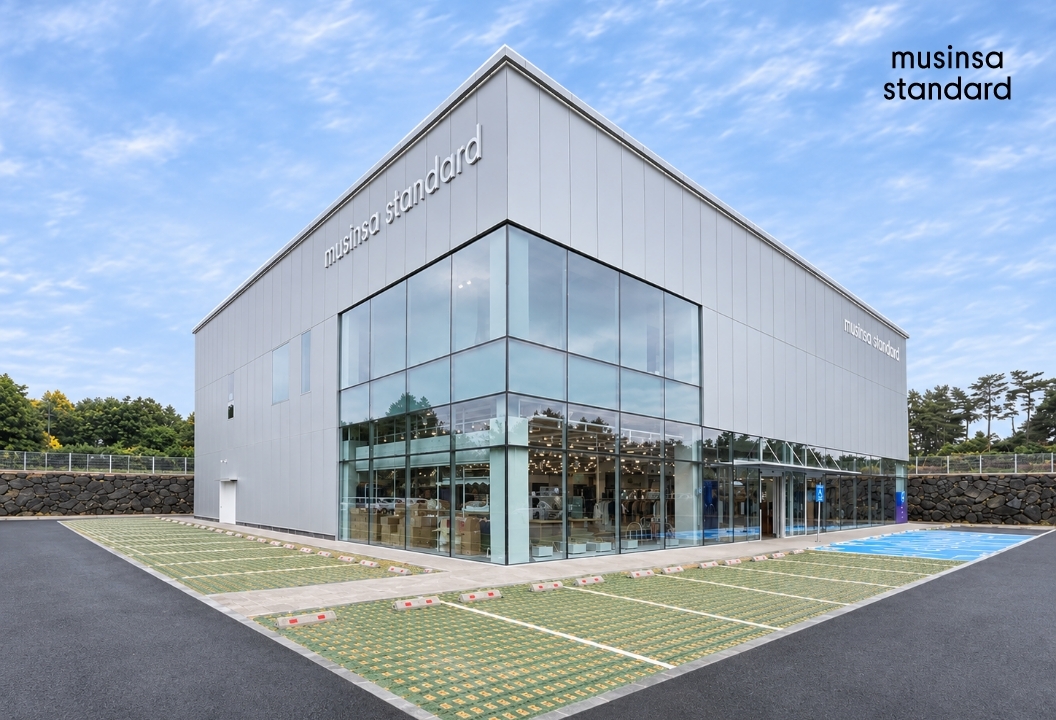
Musinsa Standard is set to open a new store in Donam-dong, Jeju, on Thursday. A combined Musinsa Kicks and beauty store is also in the works near Jeju International Airport. Until now, Musinsa had reached Jeju consumers only through its presence at Shilla Duty Free's Jeju outlet. The offline expansion is part of a strategy to broaden the brand's reach among local residents and tourists while developing Jeju-specific content.
Location-exclusive products have also proven effective at driving store traffic. Uniqlo's UTme! customization service, once available only at its Jeju store, drew lines at opening time after a tangerine-print T-shirt became a hit. Musinsa Standard is taking a similar approach, releasing 12 Jeju-limited T-shirt designs featuring local symbols such as tangerines, hallabong citrus and dolhareubang stone figures — blending regional identity into the shopping experience while targeting tourist demand.
Beyond Musinsa Standard, other SPA brands are pressing ahead with their Jeju strategies. Spao, the SPA brand operated by Eland World, posted sales growth of 17 percent at its Jungang-ro store in Jeju and 22 percent at its New Jeju location for the period from January through Monday, compared with the same period a year earlier. Sales at Spao Kids' Jeju Yeon-dong store jumped 83 percent over the same stretch. Foreign customers account for about 60 percent of store visitors on weekdays, while the share of domestic shoppers rises to 70 percent on weekends as local families come in.
Samsung C&T's fashion division SPA brand 8seconds is also gaining ground in Jeju. Sales at the 8seconds Jeju Jungang store rose 28 percent in the third quarter compared with the same period last year, with foreign customer sales up 27 percent — both figures surpassing the brand's overall offline sales growth rate of 15 percent. The brand has been actively courting tourist spending by running discount promotions for customers paying via WeChat Pay, Line Pay and Alipay.
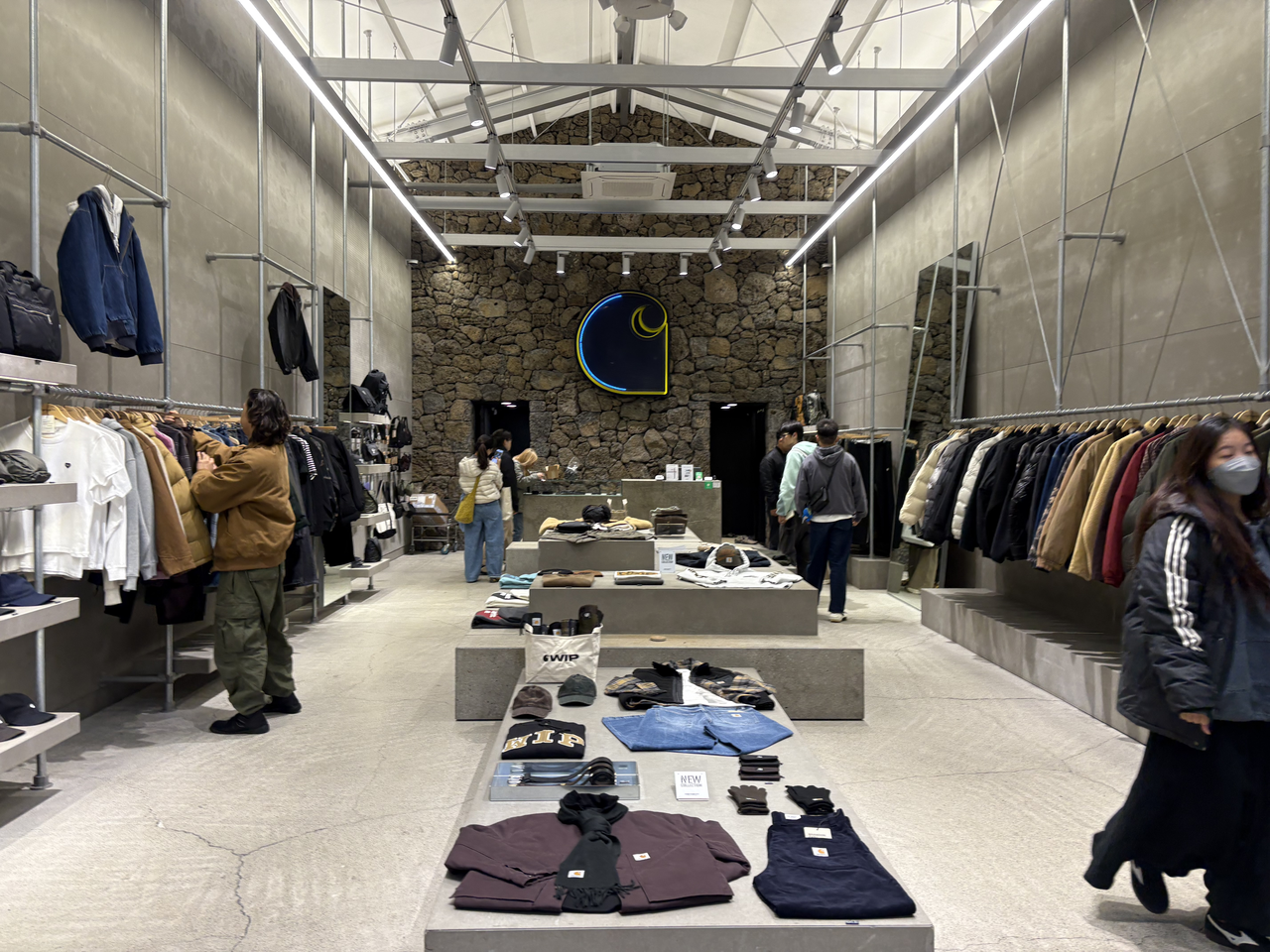
The expansion is not limited to SPA brands. Street labels and sports and outdoor brands are also moving in, drawn by Jeju's combination of mountains — including Hallasan — and coastline. An outdoor multi-brand shop is also preparing to open a new location on the island.
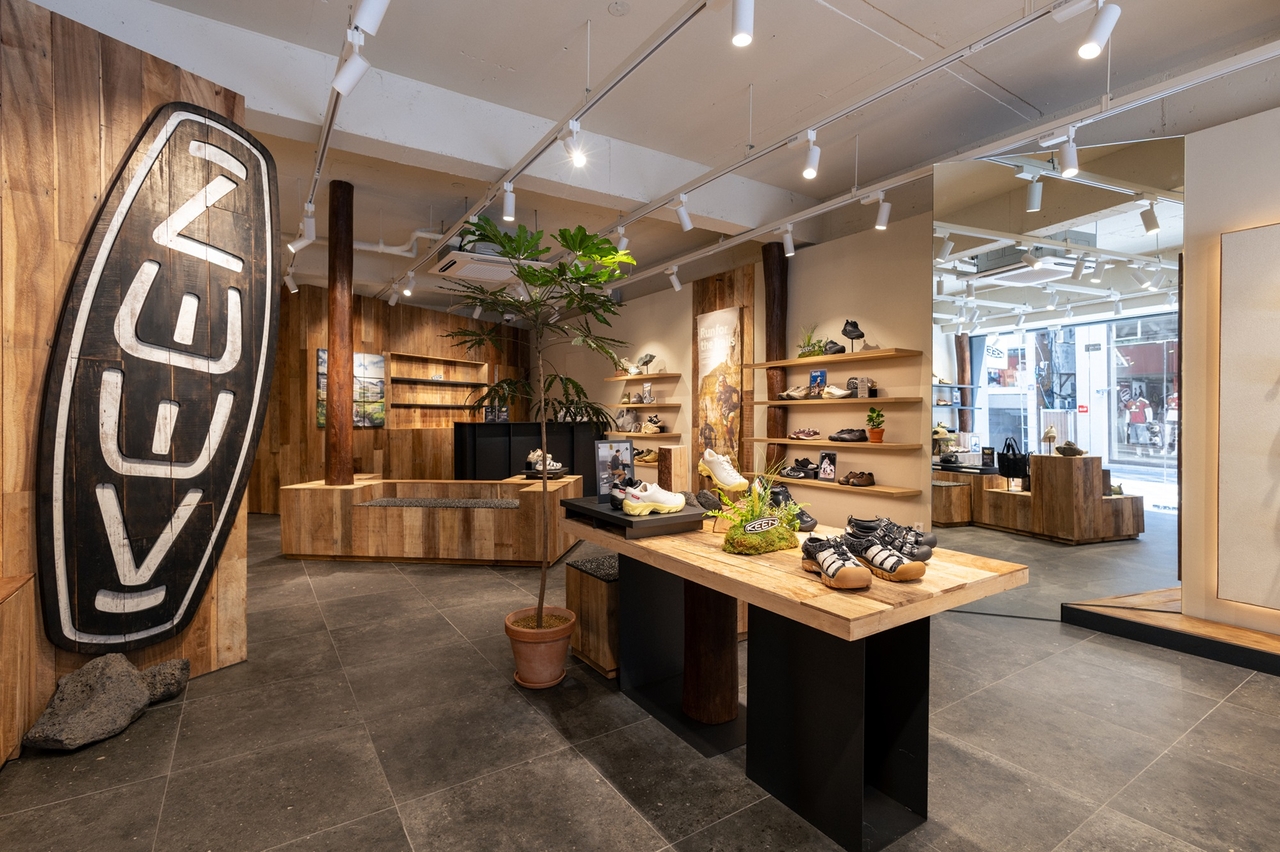
The Chilseong-ro fashion strip is growing more competitive as well. LF opened a Keen store on Jeju's Chilseong-ro in August, and monthly sales have been climbing about 10 percent since the opening. Foreign and domestic customers account for roughly 60 and 40 percent of shoppers, respectively. Women's products and collaboration items are popular with foreign visitors, while children's footwear leads among domestic customers.
Near the Keen store on Chilseong-ro, a cluster of brands has taken root — Kolon Sport, thisisneverthat, Mont-bell and Carhartt among them. The range of entrants now spans sports labels to street and casual brands. Sports brands in particular are benefiting from strong tourist demand, as sporty styles have gained popularity among Chinese-speaking visitors, translating directly into sales.
Kolon Sport's Jeju store is also riding the foreign tourist wave. A store representative said sales were up about 20 percent from last year, adding that Chinese-speaking customers make up a large share of visitors and that foreign tourists now outnumber local residents among the store's clientele. A Chinese tourist, Wang Yu, who visited the store that day, purchased a padded jacket. "Kolon Sport products are about 50 percent cheaper here than in China, so I bought one," Wang said. The brand is also planning to open an additional Jeju location in the first half of next year.
"Jeju is a market where resident spending and tourist spending combine to create a diverse customer base, and where brands can build recognition and generate sales at the same time thanks to tourist traffic," an industry official said. "As the growth in foreign tourist arrivals continues, fashion brands are paying more and more attention to the Jeju retail market."

siuu@heraldcorp.com




