
Sleeping with a dog does not reduce owners' sleep time or efficiency — and owners were twice as likely to move first at night
Separate research finds the opposite: dogs disturb owners more
Sleeping with a cat may actually be slightly better
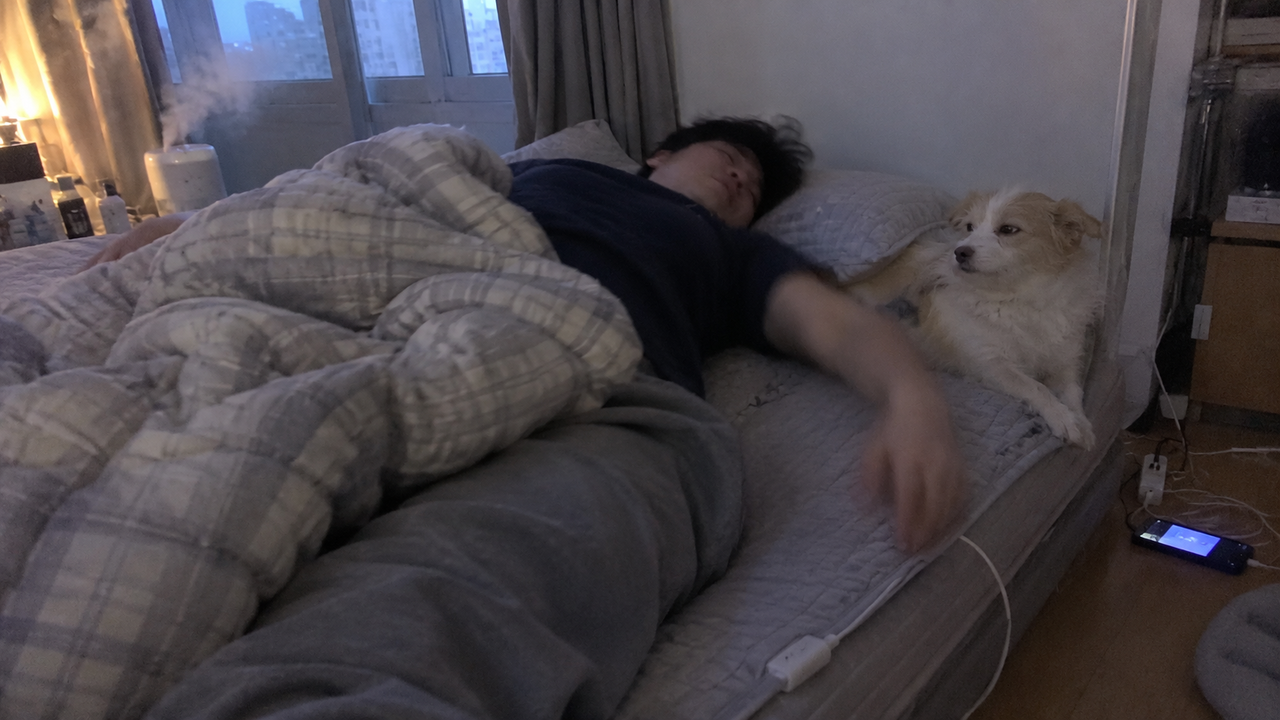
If you wake up in the middle of the night sharing a bed with your dog, who is really to blame? Researchers who tracked the nighttime movements of dogs and their owners found that owners were more often the ones who moved first.
A research team at the University of Toronto published findings in the international journal PLOS ONE on Oct. 7, analyzing the nighttime movements of 25 owners and 38 dogs over roughly four weeks. Owners wore wrist-based activity monitors while matching devices were attached to the dogs' collars.
When the team analyzed the data, owners moved first in 45 percent of cases — more than double the rate at which dogs moved first, at 18 percent. In 36 percent of cases, both moved at nearly the same time. The researchers concluded that owners were more likely to be the ones disrupting their dogs' sleep.
Dogs and humans have lived together for at least 15,000 years, but their sleep patterns differ. Unlike humans, who consolidate sleep into one long overnight period, dogs sleep in multiple shorter bouts throughout the day — meaning their sleep rhythms can easily fall out of sync with their owners'.
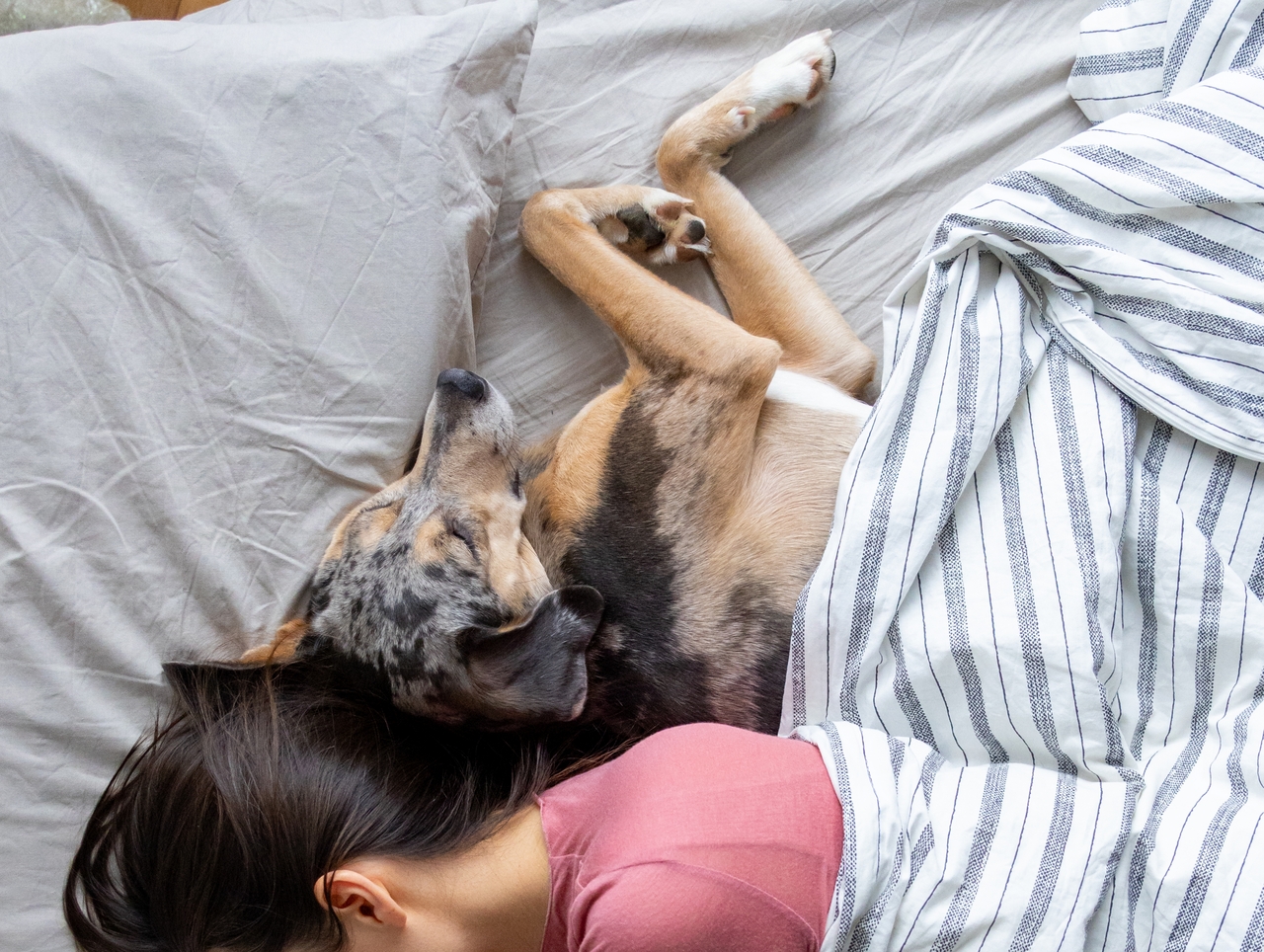
Sharing a bed with a dog did not reduce owners' total sleep time or cause them to wake more frequently. Owners slept an average of just over six hours a night and remained asleep for about 80 percent of the time they spent in bed. Whether the dog slept in the bed or elsewhere made no meaningful difference to the owner's sleep.
Lead author Mingpei Li, a postdoctoral researcher at Duke University, told the science blog ScienceBlogs that the movement data found "no strong evidence that dogs disrupt human sleep at night."
Owners who kept multiple dogs, however, reported worse subjective sleep quality even though their activity monitors showed no measurable difference in sleep.
The research team noted in the paper that a disconnect between objective and subjective sleep quality "has been widely reported in human sleep research" and that similar inconsistencies have been found in multiple studies involving pet owners.
Rebecca Spencer, a professor at the University of Massachusetts Amherst who was not involved in the study, told ScienceBlogs that the monitors may have recorded dreaming dogs twitching as wakefulness, potentially skewing the results.
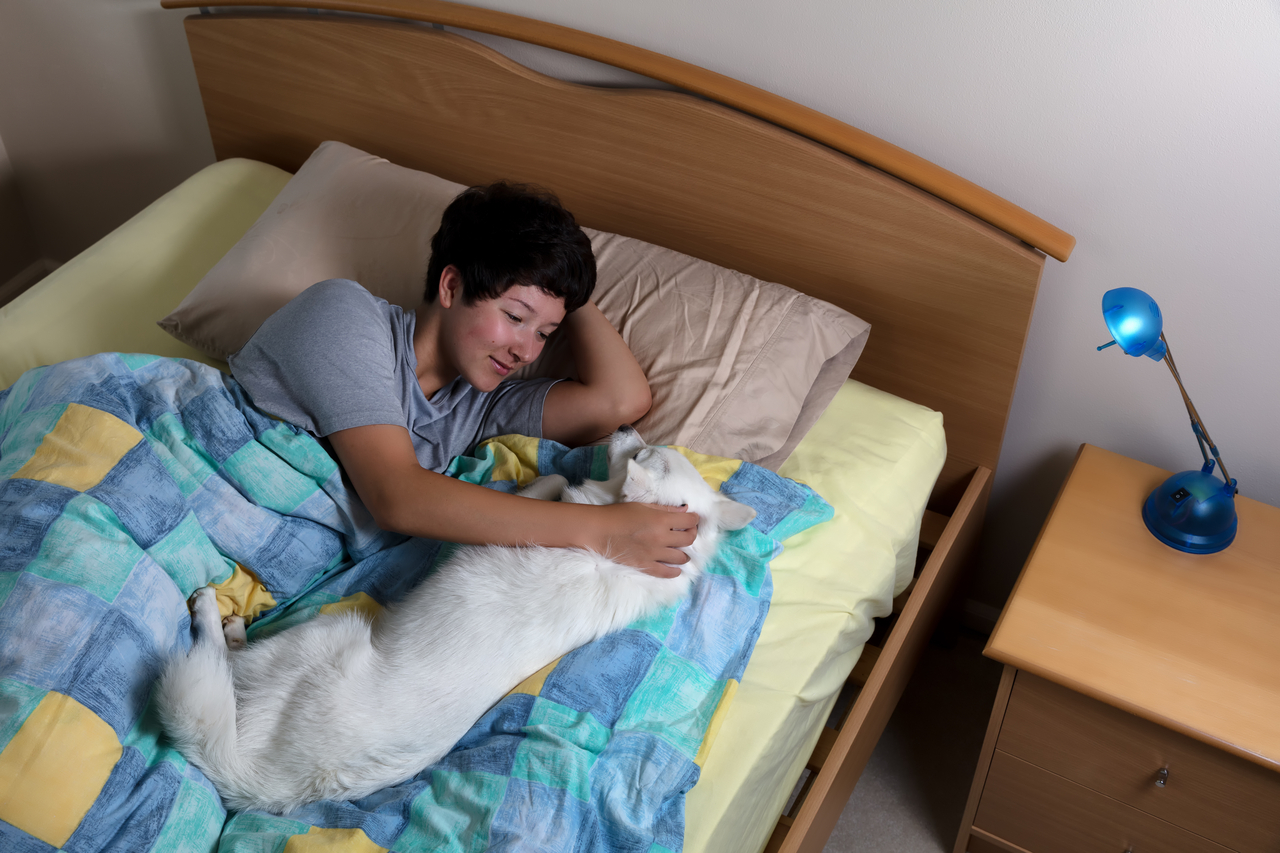
Dogs disturb owners more? Opposing research exists
A joint research team from Canisius University in the United States and Central Queensland University in Australia found the opposite in a study published in the international journal Animals in 2020. Their findings showed that dogs caused their owners to move more frequently during the night. The team tracked the movements of 12 women who slept with their dogs over two weeks.
During sleep, dogs moved nearly three times as often as their owners. In half of the moments when an owner moved, the dog was also moving. When a dog moved, the chance that a previously still owner would also move increased by roughly three times.
Even so, the research team noted that "most people did not notice their dogs moving during the night."
The following year, the same joint team published a paper in Human-Animal Interaction Bulletin, a journal of the American Psychological Association, based on a survey of 1,136 dog owners in Australia. It found that 49 percent slept in the same bed as their dog, 20 percent shared the same room but not the bed, and 31 percent kept their dog outside the bedroom.
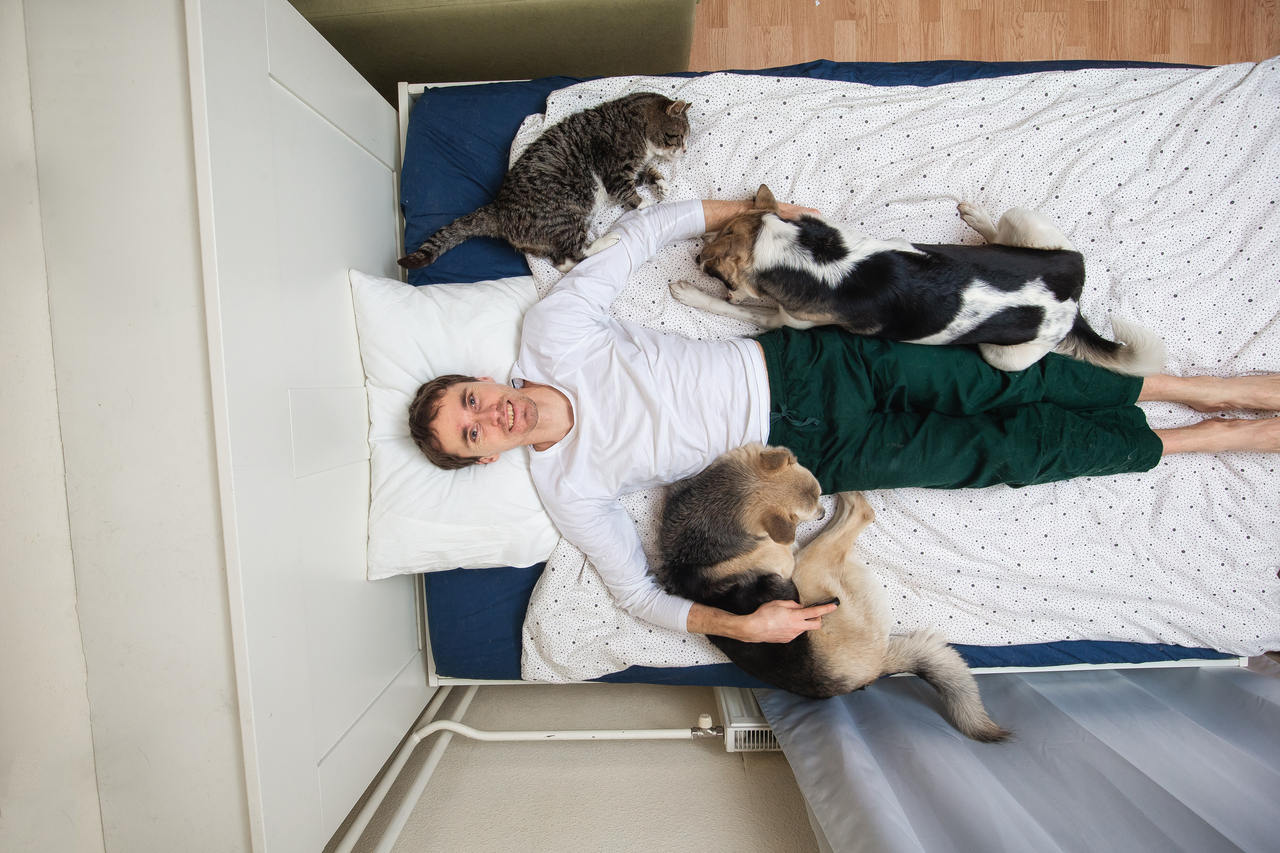
Owners of older or smaller dogs were more likely to share a bed with their pet, as were those who slept alone. About two-thirds of respondents said their dog rarely disturbed their sleep.
Owners who kept their dogs out of the bedroom were actually 1.45 times more likely to report waking up tired. The research team said it appeared "unlikely that co-sleeping with a dog meaningfully reduces sleep quality."
A 2014 study by a Central Queensland University research team, published in the journal Anthrozoös, produced somewhat different results. The study analyzed a national sleep survey of 10,128 Australian adults, 10 percent of whom reported sleeping with a pet.
People who slept with a pet took longer to fall asleep and were more likely to wake up feeling tired. Total sleep duration and daytime fatigue showed no significant difference. Among those who reported sleep disruptions, animal noises — such as a dog barking — were frequently cited as the cause.

Cats fare a little better
A 2017 study by a Mayo Clinic research team, published in Mayo Clinic Proceedings, found that sleep quality varied depending on whether the dog slept on the bed itself.
The team observed 40 adults who shared a bedroom with one dog for a week and found that participants slept soundly for more than 80 percent of the time they spent in bed. The researchers said that "people who slept in the same room as one dog tended to sleep fairly well."
Owners who let their dog sleep on the bed, however, spent more time awake during the night than those whose dog slept on the floor. The team said that "having a dog in the room may not disrupt sleep as much as feared, but whether the dog sleeps on the bed does make a difference."
A 2024 survey by a Trinity College research team, published in the international journal Scientific Reports, found that 47.6 percent of 1,591 American adults reported sleeping with a pet. Those who did reported lower sleep quality and more severe insomnia symptoms than those who did not.
The trend was most pronounced among people who slept with dogs. Those who slept with cats actually reported slightly longer periods of uninterrupted sleep. The more pets a person owned, the worse their insomnia symptoms tended to be.
The research team said that "sleeping with a pet was associated with poorer sleep."
dbsdn1110@heraldcorp.com




