
Arbitration dispute seen dragging on; Kakao must file first response by Dec. 10
KakaoX, KakaoAI face joint liability risk as spinoff timeline slips
Union gathers 4,000 signatures against split; director reappointment looms as leverage
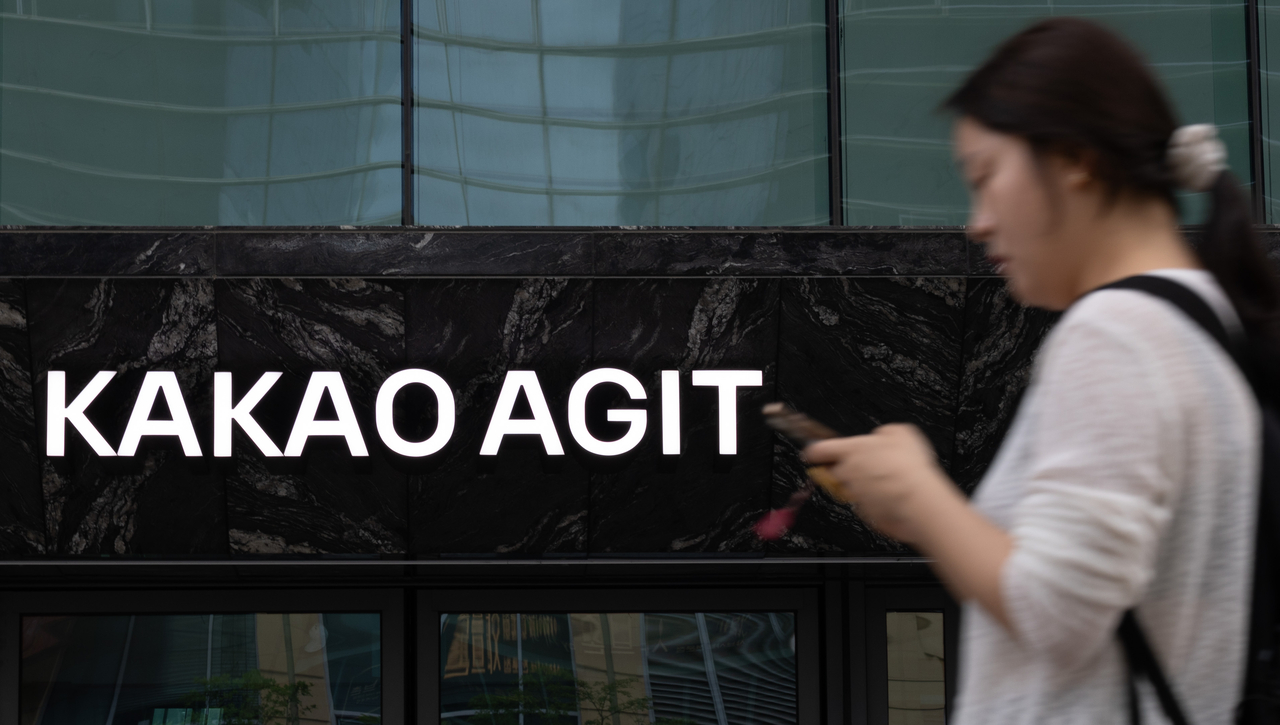
Kakao is facing trouble on multiple fronts as it prepares for a planned spinoff next year. The company has been drawn into an international arbitration dispute with TPG, the global private equity fund that is Kakao Mobility's second-largest shareholder, over a proposed US stock listing — and internally, opposition from minority shareholders and the union is growing louder.
Concerns are mounting that the dispute over Kakao Mobility could drag on for an extended period, casting a shadow over Kakao's spinoff plans. The spinoff schedule has already been pushed back once, from January to February next year, and uncertainty is building both inside and outside the company.
According to industry sources, Kakao is facing pressure from all sides ahead of the spinoff. Externally, an international arbitration claim valued at more than 1.5 trillion won ($1.12 billion) tied to Kakao Mobility looms large; internally, minority shareholders and the union are intensifying their opposition.
Industry observers expect the arbitration between Kakao and TPG to be a prolonged affair. TPG filed for international arbitration against Kakao and Kakao Mobility on Oct. 29, alleging that Kakao had violated its obligations under a shareholder agreement to pursue a US American depositary receipt listing for Kakao Mobility.
TPG has been a major financial investor in Kakao Mobility since 2017 and has pushed for a US listing as a way to exit its investment. Kakao's board, however, voted on Sept. 22 to oppose TPG's ADR listing proposal, concluding that the proposed structure would not serve the interests of Kakao and its general shareholders.
With neither side willing to budge, the dispute ultimately escalated to international arbitration. TPG is seeking contractual performance, penalty payments and damages, and has put the total monetary value of its claims at more than 1.5 trillion won.
Kakao must submit its initial response to the International Court of Arbitration of the International Chamber of Commerce by Dec. 10. Under ICC arbitration rules, a respondent must file its first answer within 30 days of receiving the request for arbitration. Kakao received the arbitration request from the ICC Secretariat on Nov. 10.
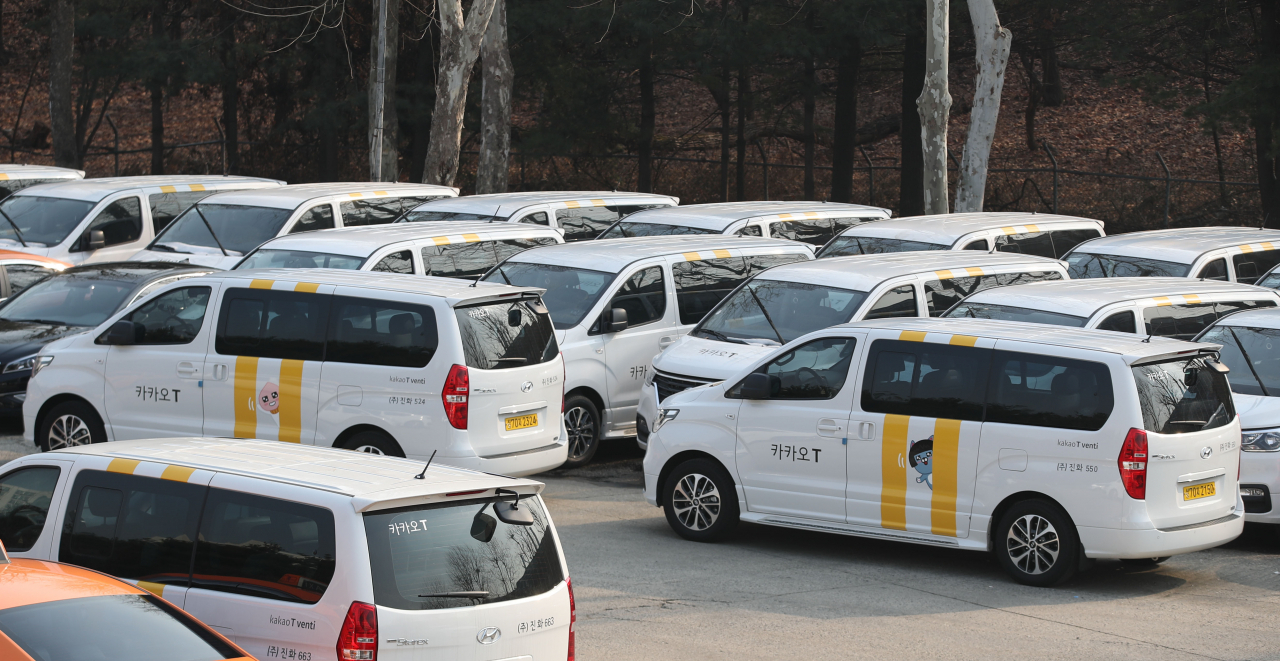
The ICC Secretariat may grant an extension for filing the response, which could delay the process further. International arbitration typically involves constituting a tribunal, written proceedings and the submission of evidence before a final award is issued — a time-consuming process that, combined with the wide gap between the two sides' positions, suggests the dispute could run for years.
The concern is that the prolonged dispute could disrupt Kakao's spinoff schedule. The company is working to split into two entities: KakaoAI, which would handle the KakaoTalk-based platform and AI business, and KakaoX, which would oversee investment in and management of key subsidiaries.
If Kakao is found liable in the arbitration, both post-split companies could be saddled with financial obligations — a significant risk. Under Kakao's spinoff plan, KakaoX and KakaoAI would bear joint liability for debts incurred before the split.
Kakao has already postponed the spinoff once. On Nov. 5, citing the need for additional time to complete a preliminary review for relisting, the company pushed the split date back from Jan. 1 to Feb. 1 next year.
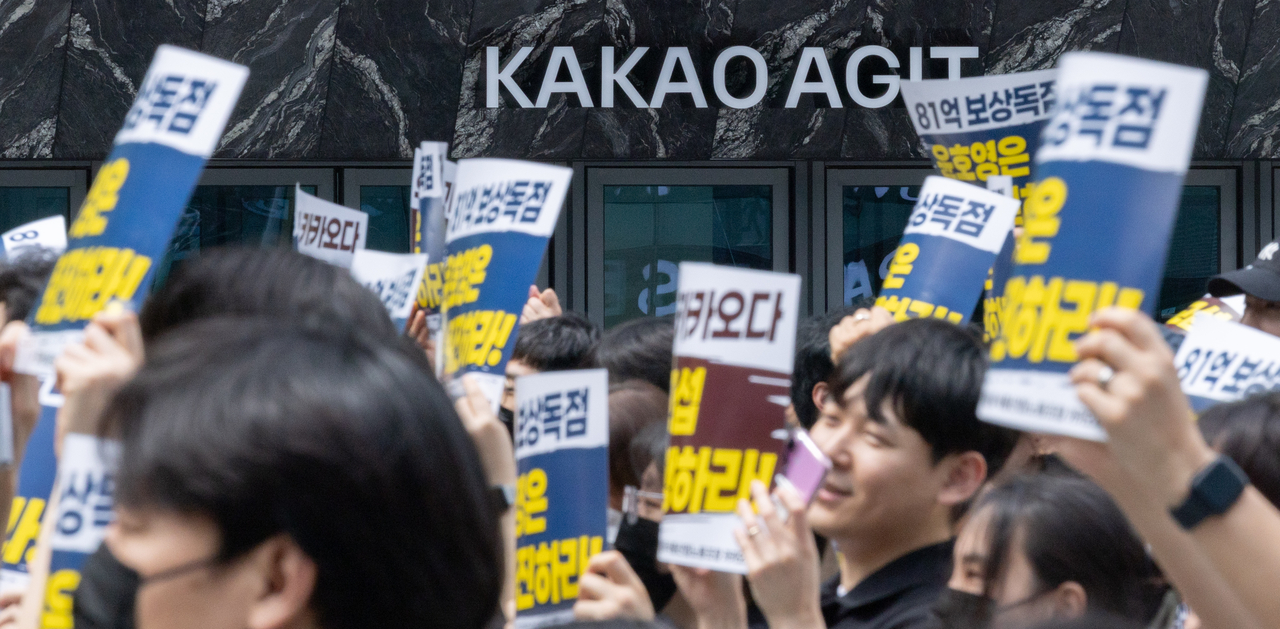
Adding to the pressure, internal dissent continues to mount. Kakao's union and minority shareholders are opposing the spinoff, citing concerns over shareholder value and job security.
More than 4,000 people signed a petition organized by the union against the split. The union argues that adequate measures to protect employment and safeguard workers have not been put in place during the spinoff process, and has also taken issue with what it describes as insufficient communication over changes to the split schedule and ratio. Some minority shareholders have begun organizing to vote against the plan ahead of an extraordinary general meeting next year.
Industry watchers expect Kakao to use its position as Kakao Mobility's largest shareholder — holding a 57.18 percent stake — to push back against TPG. A near-term flashpoint is the expiration on Dec. 13 of the board term of Yoon Shin-won, TPG's deputy head and a non-standing outside director at Kakao Mobility. For Yoon to remain on the board, shareholders must approve a reappointment at a Kakao Mobility general meeting — a vote in which Kakao, as the controlling shareholder, would have decisive influence.
chami@heraldcorp.com




