The 34.7-kilometer Seoul Station–Geumcheon-gu Station corridor is included in the government's master plan; the project is expected to ease urban division and improve residential conditions by repurposing the rail corridor
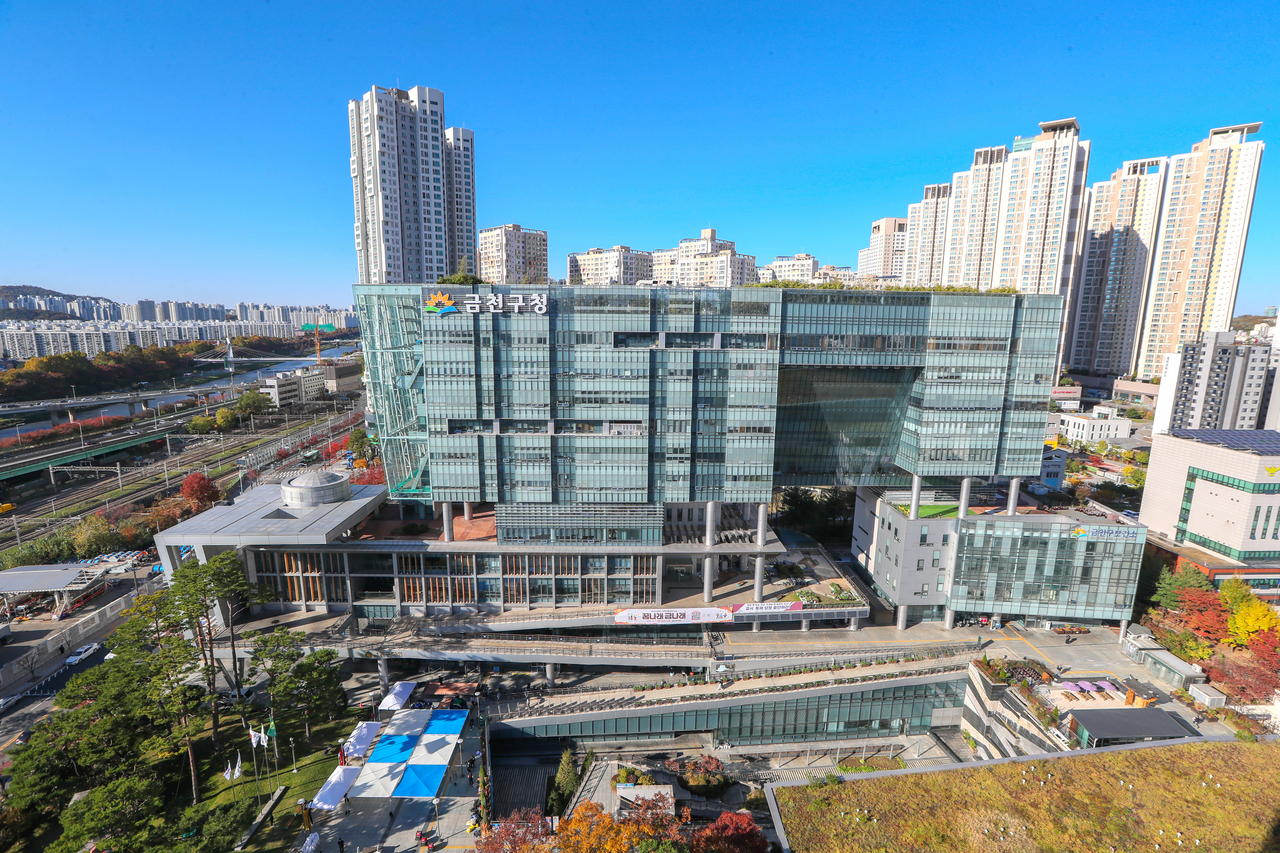
Geumcheon-gu has welcomed the inclusion of the Gyeongbu Line underground rail project in the government's master plan and said it will work with relevant agencies to push for its swift realization.
The district announced Monday that the 34.7-kilometer stretch between Seoul Station and Geumcheon-gu Station has been incorporated into the government's comprehensive plan for integrated underground rail development.
The Gyeongbu Line underground rail project aims to reconnect neighborhoods severed by the above-ground railway, reduce noise and vibration affecting residents, and redevelop the existing rail corridor into parks, green spaces, and commercial, business and cultural facilities.
The project has long been a priority for Geumcheon-gu. In May 2012, the district joined five other local governments — Yongsan-gu, Dongjak-gu, Yeongdeungpo-gu, Guro-gu, Anyang and Gunpo in Gyeonggi Province — to form a consultative body promoting the underground rail initiative. The coalition has since campaigned to raise awareness of the need for the project and press for its advancement.
Geumcheon-gu District Mayor Choi Gi-chan has also made the Gyeongbu Line underground project one of his six core campaign pledges since taking office, pursuing it as a key initiative to reshape the district's urban landscape and lay the groundwork for future growth.
Choi championed the cause for about 15 years before becoming district mayor. Around 2012, he served as chairman of an integrated committee promoting the Gyeongbu Line underground project, bringing public attention to the east-west divide caused by the railway and the noise and dust it generates. As a Seoul Metropolitan Council member, he raised concerns about delays in developing a mixed-use complex at Geumcheon-gu Station. After the Special Act on Railway Underground Development was enacted in 2024, he worked to ensure the Geumcheon-gu corridor was included as Seoul drew up its basic concept and submitted its proposal to the Ministry of Land, Infrastructure and Transport.
The district said it expects the plan's inclusion to reconnect Geumcheon-gu's divided eastern and western neighborhoods and reduce noise and vibration, improving residential conditions around the rail corridor.
The district also projected that converting the space above the underground rail into parks and green areas for residents, and developing business, commercial and cultural facilities linked to transit-oriented areas, would boost the local economy and strengthen the district's urban competitiveness. It added that creating a new urban space connected to the G-Valley industrial complex would serve as a foundation for transforming Geumcheon into a sustainable city where people can work, live and stay.
"I am grateful to residents who worked alongside us to see the Gyeongbu Line underground project — a long-held wish of Geumcheon-gu citizens — reflected in the government's master plan," Choi said. "We will continue to work closely with the Ministry of Land, Infrastructure and Transport, the Seoul Metropolitan Government and other relevant agencies to do our utmost until the project is realized." Choi added that he would "connect the two halves of Geumcheon divided by the railway, and turn the newly created space into an asset that enriches the lives of residents — making it a springboard for Geumcheon's new leap forward."
seouldream01@heraldcorp.com