Over 140 PROM types now cover 90% of outpatient departments and all inpatients
Department-specific tracking demonstrates treatment effectiveness and clinical efficiency
One-click EMR integration and automated survey delivery underpin IT infrastructure
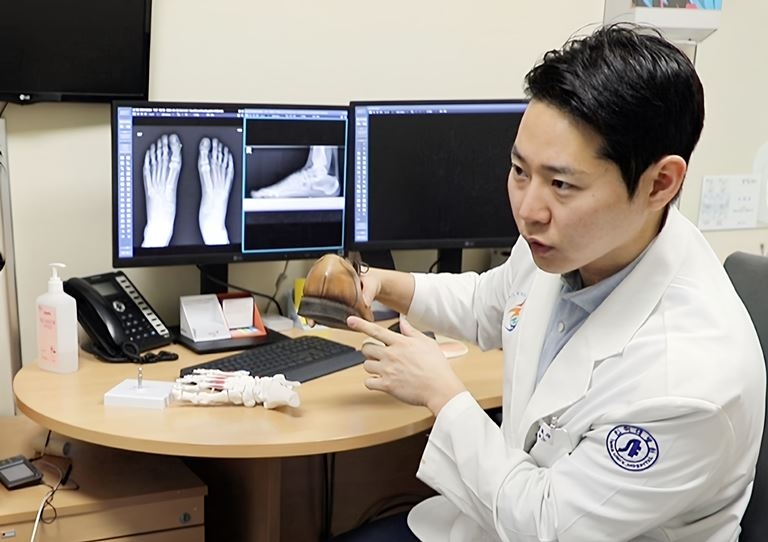
Inha University Hospital is advancing its patient-reported outcome measures system — which incorporates health-status data recorded directly by patients into clinical care and research — driving measurable gains in both treatment outcomes and clinical efficiency.
Known by the acronym PROM, the tool uses standardized questionnaires to capture changes in pain, physical function, mental health and quality of life that objective metrics such as blood tests and imaging alone cannot fully reveal. By combining physicians' medical assessments with patients' own sense of their progress, the system plays a central role in building personalized treatment plans.
Inha University Hospital first introduced PROM in 2020 and built a mobile platform in 2023, then developed its own automated survey-scheduling and real-time response-rate tracking system in-house.
When a clinician presses a dedicated button on the electronic medical record screen, the patient's survey history, score changes and interpreted results are instantly linked, enabling immediate communication and treatment decisions in the consultation room.
The hospital currently operates more than 140 types of PROM covering 90 percent of in-person outpatient departments and all inpatients.
Response rates are published transparently on the hospital's website under a medical quality indicators section, and an English-language survey for international patients was introduced in August, further improving accessibility and management standards.
The infrastructure is translating into concrete clinical outcomes across departments.
The orthopedics department tracked 329 patients who underwent total knee replacement surgery from January 2024 through July this year using the Oxford Knee Score, which is scored out of 48. The average score rose consistently from 22.8 points before surgery to 41.3 points 24 months after the procedure.
Particularly notable was the early rehabilitation intervention for patients whose recovery was slow or whose scores had declined: 77 of the 90 patients who participated in reassessment, or 85.6 percent, showed renewed improvement.
The psychiatry department introduced mobile survey scheduling the previous day before appointments and tablet-based pre-consultation questionnaires for first-visit patients, cutting initial consultation times by roughly five to 10 minutes and securing up to about 2,000 assessment data points per month.
The department screens all inpatients for depression, insomnia and suicide risk and refers cases for collaborative care. Patients with pediatric or adult ADHD undergo evaluations every six months, with results serving as objective evidence for medication dosage adjustments and treatment continuation decisions.
The accumulated data is also forming the foundation for major national research initiatives and public health projects.
Drawing on its standardized, immediately analyzable data framework, Inha University Hospital has completed a pilot project to strengthen the severe-illness care system and is currently carrying out a pilot program supporting continuous treatment for people with mental illness.
In addition, a research team led by orthopedics Professor Yoo Jun-il was selected for the Korean ARPA-H Project, a 15 billion won ($11.2 million) initiative, and is leading the development of digital biomarkers for sarcopenia by combining smart insole gait data with PROM.
The hospital plans to expand PROM coverage to all in-person departments and to launch research in connection with the Ronald McDonald House, a respite facility for families of critically ill pediatric patients that the hospital is working to establish.
"We will continue to upgrade the system and deepen its clinical and academic applications to establish a new standard for data-driven, patient-centered medical service," said Choi Jeong-seok, director of the hospital's information strategy division.
gilbert@heraldcorp.com