55 Japanese macaques at a Texas sanctuary observed
Group that survived outbreak left more than half of grapes on feces-like surface untouched
Caution appeared to broaden, not narrow, after epidemic exposure
Think back to the height of the COVID-19 pandemic — wiping down delivery boxes with disinfectant, pressing elevator buttons with an elbow instead of a fingertip. Even knowing the virus spread mainly through the air, almost everything one touched felt suspect.
That reaction has been documented in humans more than once. Studies have found that when an infectious disease circulates, people grow more averse even to things unrelated to the actual transmission route. So-called behavioral immunity — avoiding illness through behavior — becomes sharper during periods of heightened risk.
Do monkeys do the same? Earlier observations had shown that monkeys avoid food that looks contaminated. What had never been confirmed was whether that caution varies depending on what a group has actually been through.
A research team led by Stefan Kaufhold and Federico Rossano at UC San Diego recently published findings in the journal Royal Society Open Science showing that monkey groups that had survived a deadly viral outbreak rejected contaminated-looking food at a far higher rate than those that had not.
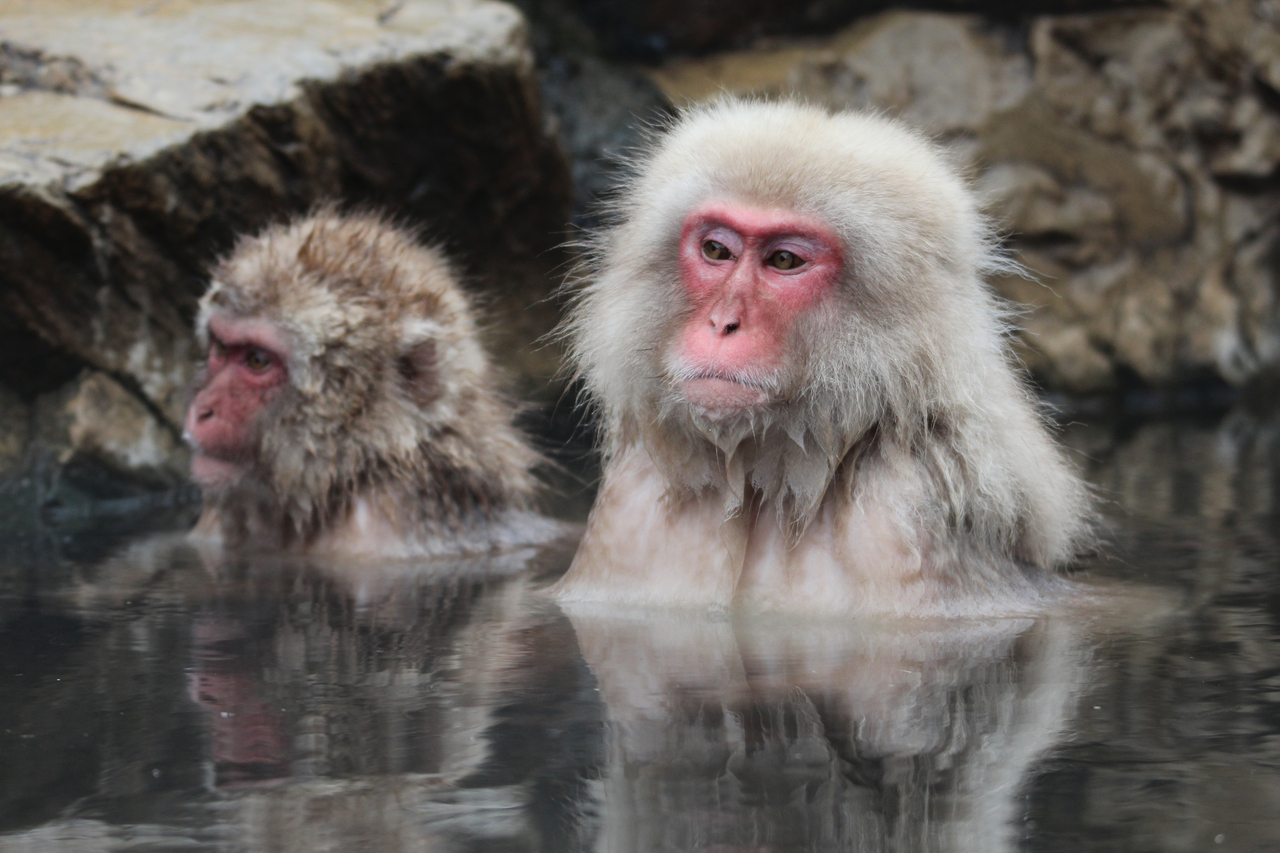
A virus swept through a troop of macaques brought from Japan 50 years ago
The study took place at a primate sanctuary in Texas. The Japanese macaques living there are descendants of a troop relocated wholesale from Arashiyama, Kyoto, in 1972.
In January 2020, type D retrovirus was detected in the troop. The pathogen spreads through blood and saliva via bites or scratches; rapid progression causes severe hemorrhaging and death, while a slower course destroys the immune system. The disease resembles AIDS in humans.
An investigation found that a single monkey retired from a laboratory and transferred to the sanctuary had been carrying the virus without showing symptoms.
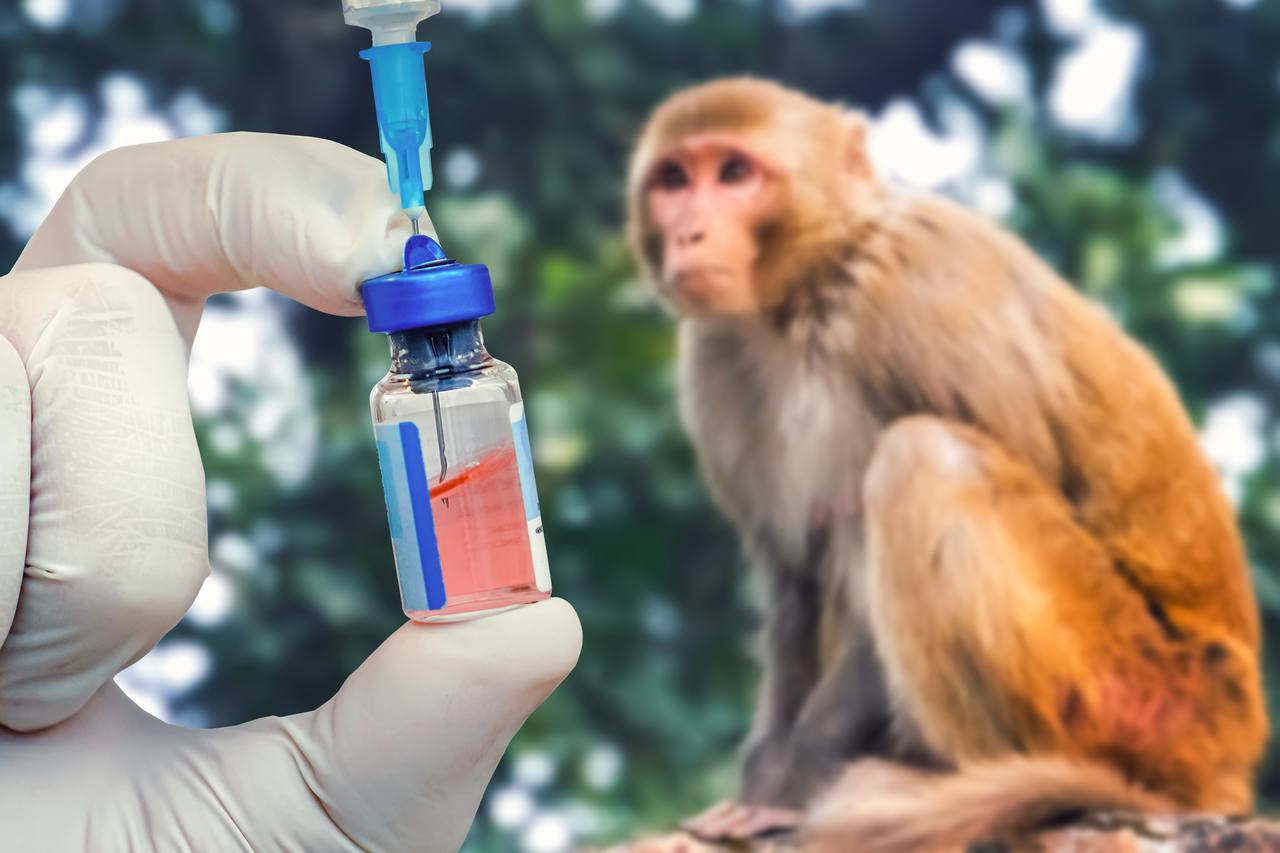
Several monkeys died from the infection, and the sanctuary separated infected animals from uninfected ones. As a result, three of the four Japanese macaque troops experienced the outbreak directly, while the remaining troop was spared.
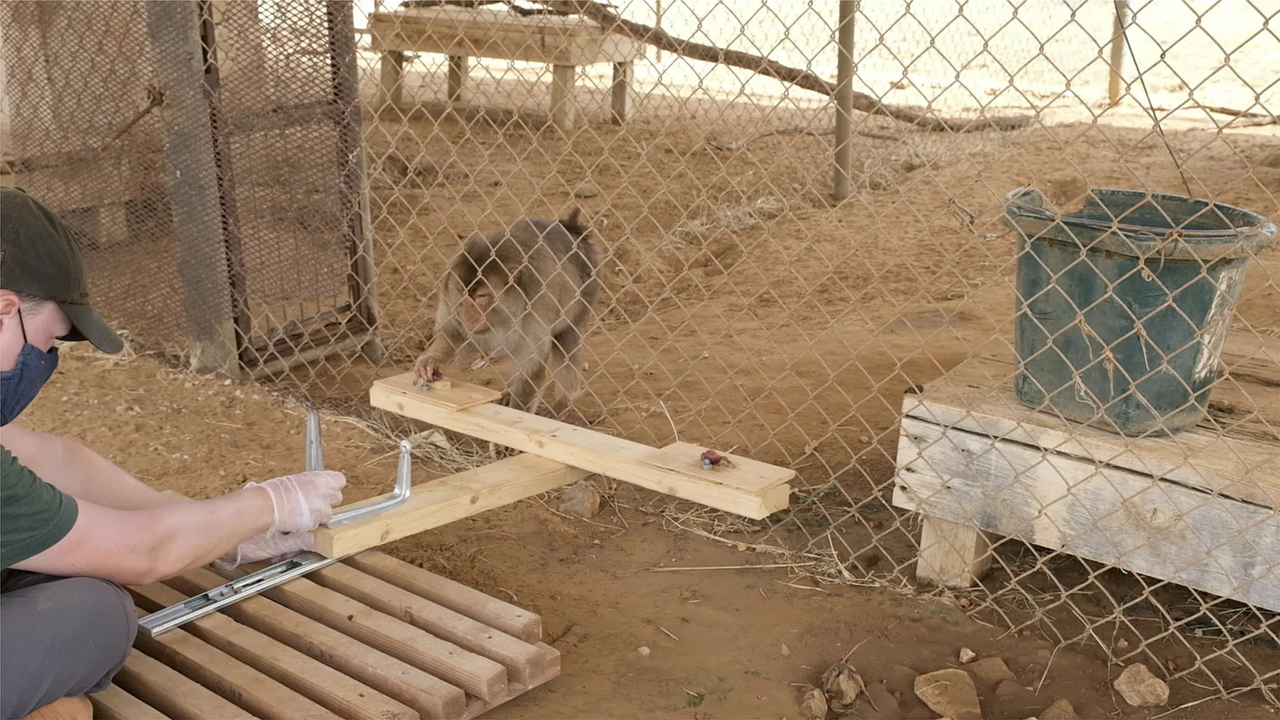
From October 2022 through March 2024, the research team placed two platforms side by side inside each troop's enclosure. One was made from monkey feces encased and hardened in clear plastic resin — it looked like feces but had no smell and no texture. The other was a piece of wood or a kitchen sponge. The team placed half a grape on each platform and observed how 55 monkeys responded across 197 trials.
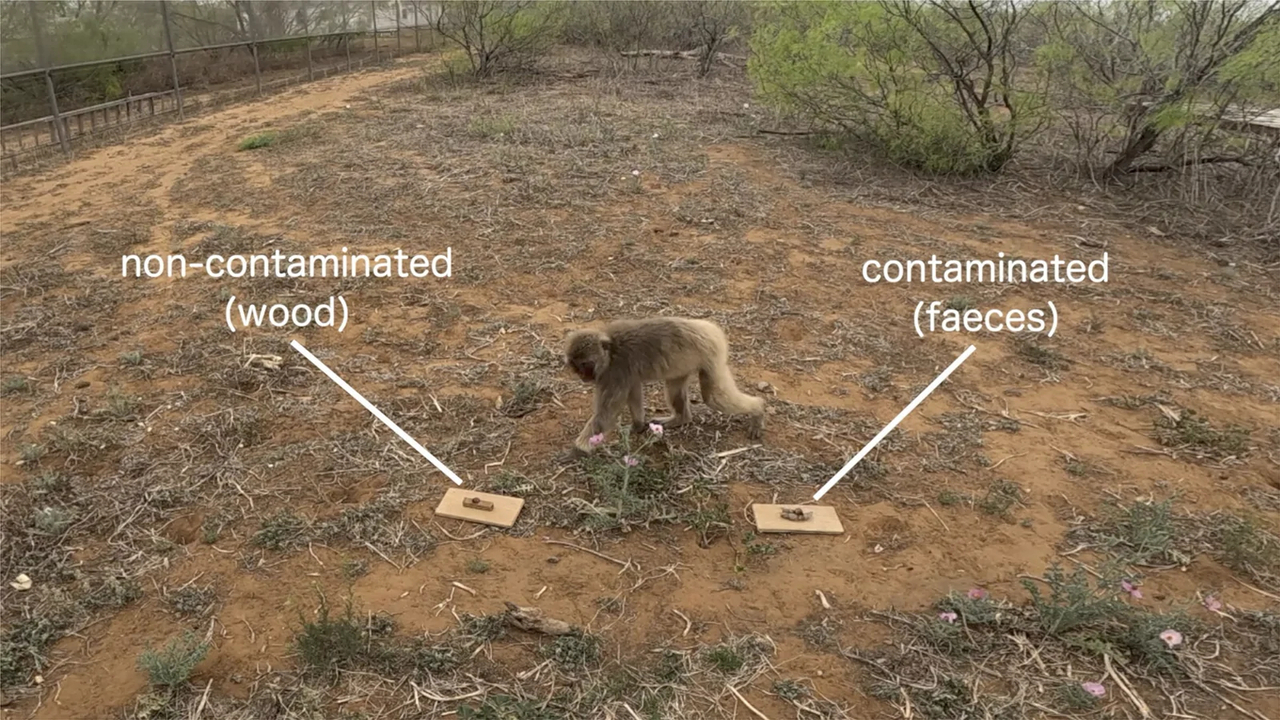
Monkeys in the group that had not experienced the outbreak ate the grape placed on the feces-like platform 79 percent of the time. Those in groups that had lived through the epidemic did so only 47 percent of the time — more than half the time, they ate only the grape on the clean platform and left the one on the feces-like surface untouched.
Notably, the virus does not spread through feces. It is hard to argue the monkeys had learned that avoiding feces would protect them from infection. The research team concluded that witnessing sick companions die had broadly heightened the animals' general sensitivity to disease-avoidance cues.
Kaufhold, who led the research, said in a university press release, "Monkeys have histories, and those histories show up in their behavior," adding that the animals appeared to have "become more cautious around contaminated-looking food after experiencing an epidemic."
Rossano said, "Even without any knowledge of how a disease is transmitted, witnessing other individuals fall ill and die changes the likelihood of engaging in behaviors that could lead to infection."
Monkeys raised by humans showed less aversion
The research team ran a second experiment at the same sanctuary, this time with 54 monkeys from seven species. The goal was to see whether caution varied depending on how a monkey was raised. A sliding-door test tray held both a feces-like platform and a clean one, and each monkey was allowed to choose only one.
Overall, the monkeys chose the food on the feces-like platform in only 32 percent of trials. A difference emerged when comparing monkeys raised by their mothers at the sanctuary with those that had been kept as pets by humans before arriving there. The human-raised monkeys chose the food on the feces-like platform more often.
Kaufhold said the human-raised animals "may not have had the opportunity to learn avoidance behaviors from their mothers or other monkeys at a young age," and that "even after living with other monkeys for many years, early-life experiences can still have an influence."
The team acknowledged a limitation: because no baseline measurements of the same monkeys were taken before the outbreak, the possibility that the affected groups were already more averse to feces-like objects before the epidemic cannot be ruled out.
Meanwhile, the researchers suggested that the human emotion of disgust toward filth may, at its roots, trace back to this same disease-avoidance instinct.
Reference
DOI: 10.1098/rsos.260011
S.P. Kaufhold, A. Goguen, K. Viano & F. Rossano, Early-life experience and disease exposure affect pathogen avoidance behaviour in macaques, R. Soc. Open Sci. 13 (2026) 260011.
dbsdn1110@heraldcorp.com