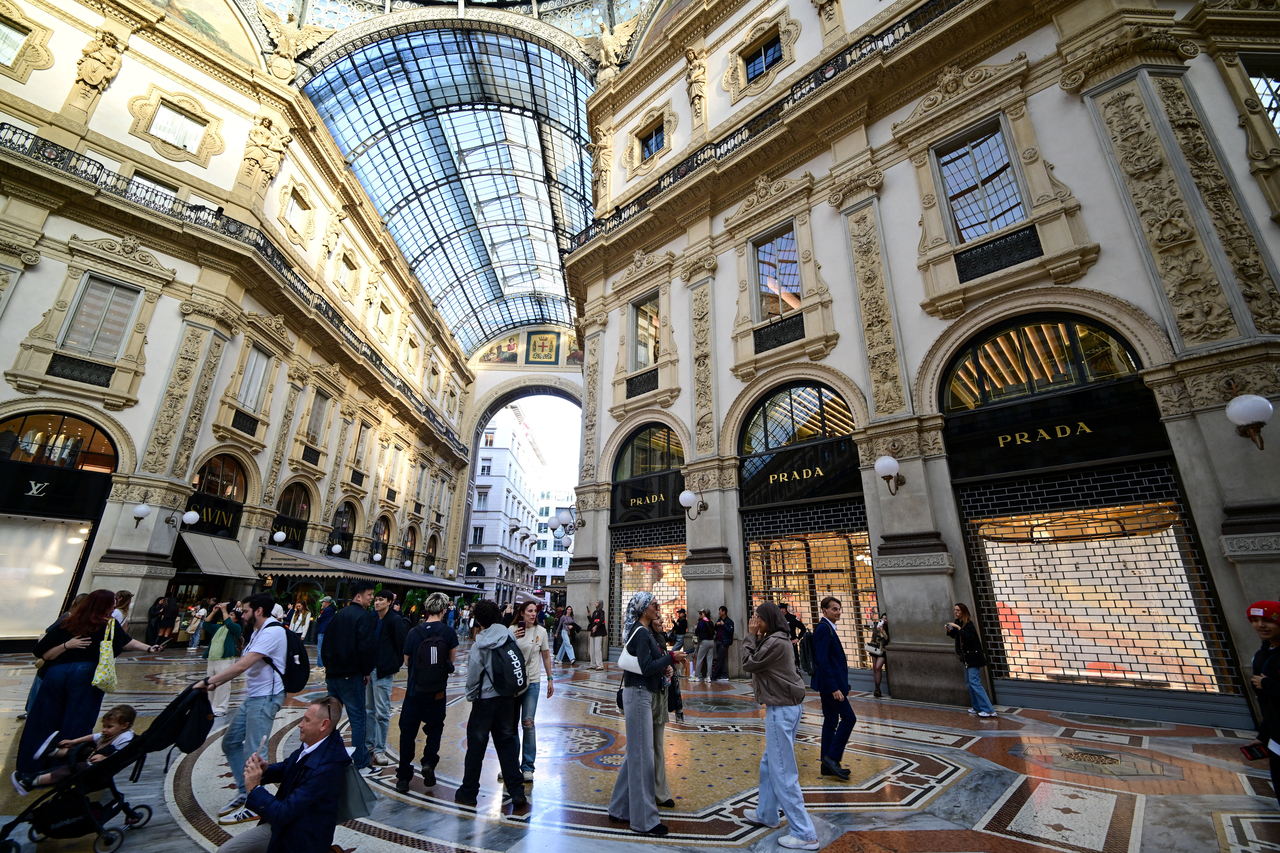
"The moment you cut prices, the brand collapses."
That has long been treated as gospel in the luxury industry. Lowering prices, the thinking goes, is tantamount to admitting the goods were never worth what customers paid. But after three consecutive years of slump, that orthodoxy is under strain. The Wall Street Journal reported Friday that executives at some of the world's biggest luxury brands are now openly debating whether to cut prices.
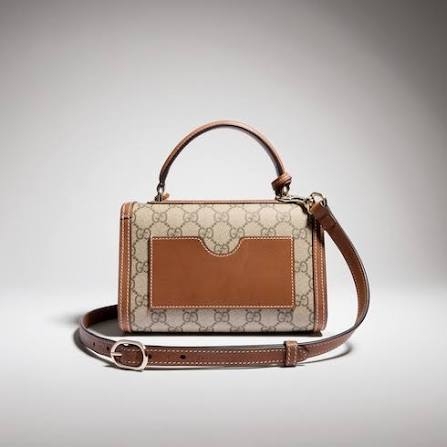
Gucci moved first. According to Luca Solca, a luxury industry analyst at investment bank Bernstein, Gucci cut prices on several products this summer. The most notable example is the Padlock Crystal Small Top Handle Bag, which sold for 3,500 euros ($3,840) in France in July but now retails at 2,450 euros — a reduction of nearly 30 percent.
Gucci's parent company Kering insists its turnaround strategy is not simply about lowering prices. Still, it acknowledges that if years of price increases have pushed some products beyond what consumers can afford, a painful adjustment may be necessary. With Gucci's sales falling for 13 consecutive quarters, the company has little choice but to consider drastic alternatives.
One measure of the strategy's early impact can be found on Gucci's official US website, where 16 of its latest handbag releases are priced within a $2,000 budget.
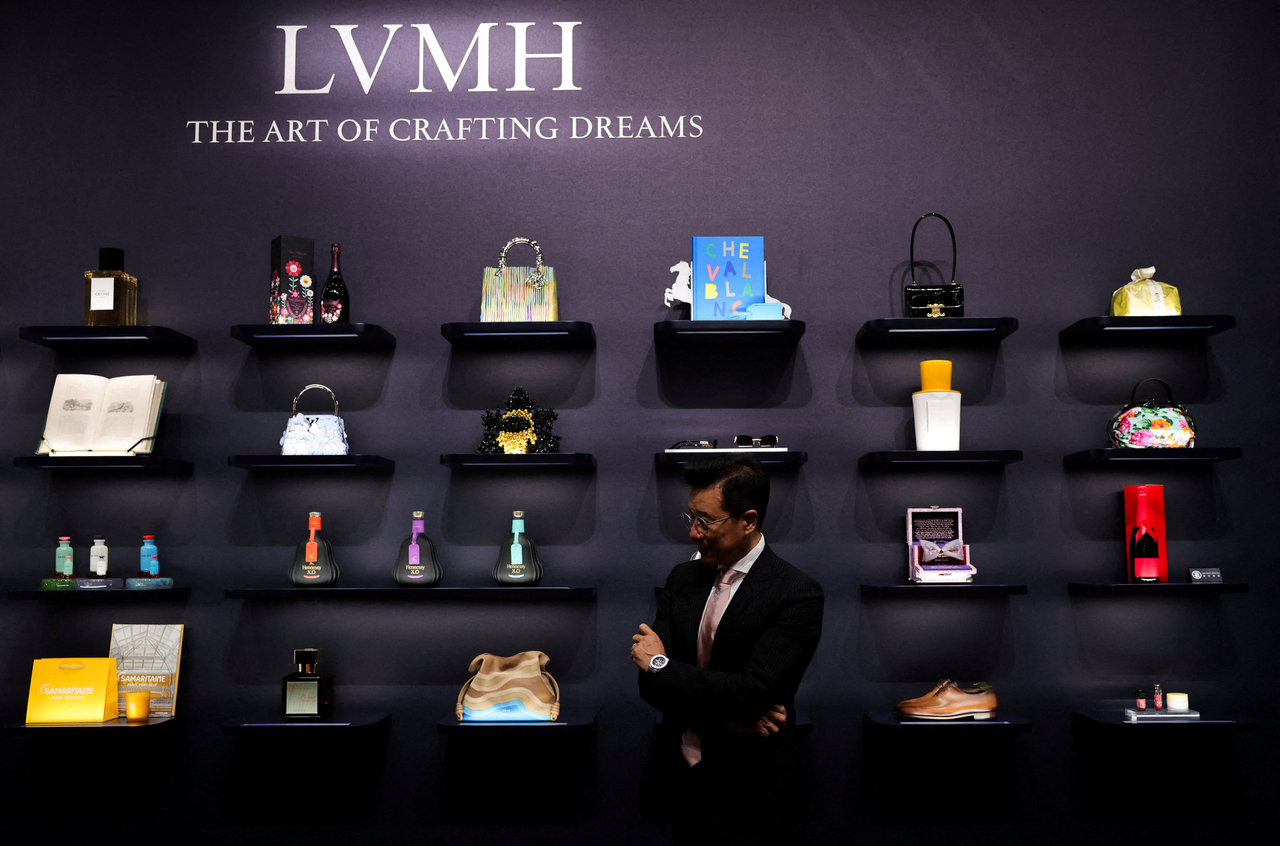
Louis Vuitton is taking a harder line. Cecile Cabanis, chief financial officer of parent company LVMH, told investors at a recent earnings presentation that management is "discussing what bold and immediate steps, such as price cuts, might look like." The mere fact that price reductions are being raised internally marks a significant shift, some say.
But Cabanis drew a clear boundary. "We do not pursue a market segmentation strategy by price tier. We are not Coca-Cola," she said.
LVMH still considers it undesirable to cut prices on Louis Vuitton and its other fashion brands. Yet according to Goldman Sachs estimates, Louis Vuitton's sales in the third quarter of this year fell 8 percent from the same period last year — and some analysts say that stance may itself be slowing any earnings recovery.
The biggest challenge facing both brands is that growth in the middle segment of the luxury market has all but disappeared. According to Bernstein, both Louis Vuitton and Gucci rely on middle-class consumers for more than half of their total sales. These shoppers typically spend around $2,000 to $3,000 a year on luxury goods, treating the occasional handbag or piece of jewelry as a treat for themselves. As financial pressure on this group has mounted, their visits to luxury stores have grown increasingly rare.
The trend may prove temporary. But if the financial health of the middle class continues to deteriorate, both brands may need to fundamentally rethink their business strategies. Should the spread of AI make the employment outlook for white-collar workers bleaker, middle-class spending power could shrink further still.
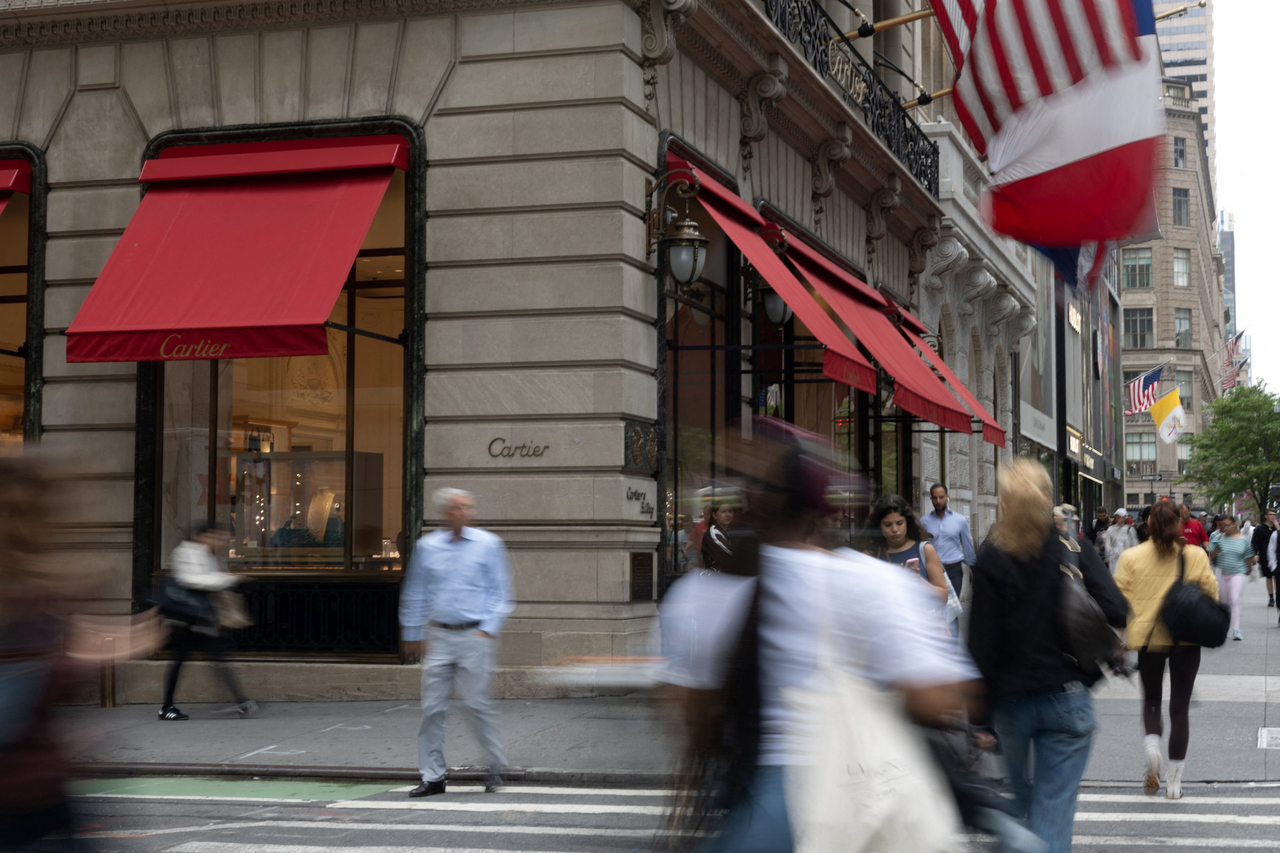
The luxury industry as a whole, however, is not frozen. Growth is emerging at both ends of the income spectrum. According to Boston Consulting Group, roughly 700,000 ultra-wealthy consumers account for 24 percent of total industry sales. Representing just 0.2 percent of all luxury customers, they continue to spend freely at top-tier brands such as Brunello Cucinelli, Cartier and Patek Philippe — all of which are thriving.
Brands priced at levels the middle class can in fact afford are also performing well. Ralph Lauren stands out as one of the fastest-growing names in the luxury space, posting sales growth of 10 percent in the three months through September compared with the same period last year.
Some analysts say Louis Vuitton's struggles are not purely a pricing problem. Erwan Rambourg, a luxury industry analyst at Goldman Sachs, said the brand has sent consumers mixed signals about what it stands for. A label celebrated for travel bags and handbags has spent recent years expanding into perfume and cosmetics — a move that some say sits uneasily with its established image.
Cut prices and lower the barrier to entry, or hold the line and protect the brand's prestige — that is the dilemma confronting the luxury industry, one unlikely to be resolved until middle-class wallets open again.
mokiya@heraldcorp.com