Network expands from 24 to 26 nationwide; special-type and platform workers eligible for free consultations
Gimpo center targets manufacturing and logistics workers; Pohang center focuses on steel industry hazards
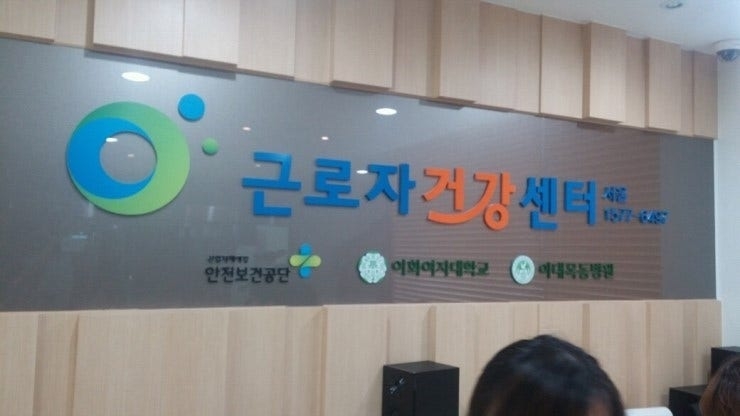
New worker health centers have opened in Gimpo, Gyeonggi Province, and Pohang, North Gyeongsang Province, to help employees at small businesses prevent occupational diseases and manage their health. The openings bring the nationwide total from 24 to 26 centers. Workers at businesses with fewer than 50 employees are the primary beneficiaries, and special-type and platform workers are also eligible for free health consultations.
The Ministry of Employment and Labor and the Korea Occupational Safety and Health Agency held an opening ceremony Monday for the Gimpo Worker Health Center at Jeongwon Building on Sawujung-ro in Gimpo. The North Gyeongsang East Worker Health Center in Pohang held its opening ceremony Tuesday.
The Gimpo center, which serves an area dense with small manufacturers and logistics and transport companies, will focus on preventing musculoskeletal disorders among workers who repeatedly handle heavy loads. It will also provide follow-up care based on health screening results for workers at small manufacturers and support prevention of cardiovascular and cerebrovascular disease among logistics and transport workers who frequently work long or overnight shifts. The center will additionally operate an occupational trauma unit offering psychological assessments and counseling.
The Pohang center, serving a region built around the steel industry, will concentrate on preventing health hazards from exposure to noise, dust and chemical substances. It will offer workers occupational disease prevention consultations and help businesses manage workplace hazards and improve working conditions.
The worker health center network launched in 2011 with three locations. Across all centers nationwide, about 380 staff work, including specialists in occupational and environmental medicine, nurses, physical therapists, industrial hygienists and psychological counselors. The centers measure blood pressure and blood sugar to assess the risk of cardiovascular and cerebrovascular disease, offer tailored exercise programs for musculoskeletal symptoms and provide job-stress counseling. Workers whose health screenings flag abnormal findings also receive follow-up support, including job reassignment or workplace environment improvements.
Ryu Hyeon-cheol, head of the Ministry of Employment and Labor's Occupational Safety and Health Bureau, said the government would support the centers in evolving beyond health consultations into regional occupational health hubs that identify and prevent workplace health risks and help workers recover physically and mentally.
fact0514@heraldcorp.com