Regulators flag 73 clauses across 17 categories in bank and savings bank contracts
Arbitrary service suspensions, fee structures and liability waivers targeted
Inadequate customer notification also cited as unfair practice
Contract terms that allow banks and savings banks to arbitrarily change or suspend financial services, or to impose fees without clear criteria, are set to be revised. Provisions that restrict customers from canceling products enrolled in online from canceling them except at physical branches, or that excessively exempt banks from liability, have also been flagged for correction.
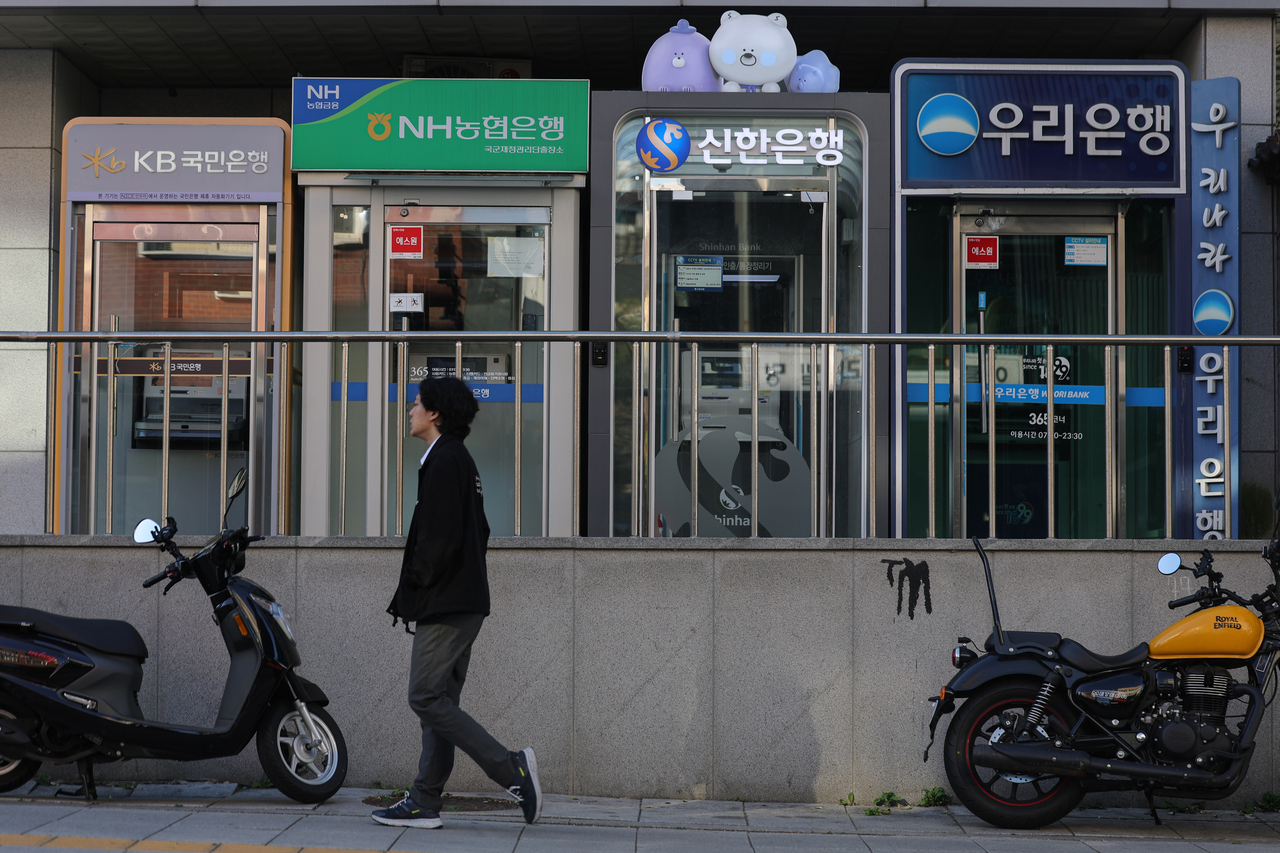
The Korea Fair Trade Commission said Monday it reviewed 1,550 bank and savings bank contract terms revised or newly introduced last year and found 73 clauses across 17 categories that infringe on the rights of financial customers. It has asked the Financial Services Commission to order corrections.
Banks account for 65 clauses across 12 categories, while savings banks account for eight clauses across five categories.
Among the most representative unfair terms are provisions allowing banks to change, suspend or restrict services at their own discretion. Some banks included vague, catch-all language — such as "when the bank is unable to maintain the service due to various circumstances" — as grounds for suspension.
The Fair Trade Commission determined it was unreasonable to allow banks to alter or discontinue services on grounds customers could not have anticipated at the time of signing.
Provisions that let banks unilaterally set fees or service conditions were also flagged. Notable examples include open banking terms of service that do not specify which transactions are subject to fees or how amounts are calculated, and integrated asset management service agreements that allow banks to modify existing contract terms through their own internal operating policies.
Clauses that expand banks' right to terminate contracts while restricting customers' equivalent right were also found problematic. Some banks included terms allowing them to cancel contracts on the grounds that a customer poses a risk to the bank's reputation. The commission also took issue with provisions requiring customers to visit a branch in person to cancel products — such as the Jangbyeong Naeil Junbi savings account — that can be opened through mobile banking.
Also targeted for correction were clauses that blanket-exempt banks from liability or excessively limit the scope of damages even in cases where the bank may bear responsibility, such as account hijacking or unauthorized use resulting from personal data breaches.
Terms that fail to individually notify customers of unfavorable changes, or that rely on inadequate notification methods, were also cited. Some savings banks included provisions allowing them to cancel automatic transfer agreements without separately notifying customers when a transfer has not been completed for six months or more due to insufficient funds.
Additional provisions flagged for correction include clauses designating the court with jurisdiction over the bank's head office as the exclusive venue for disputes, and terms allowing banks to strip customers of their right to deferred repayment based on the bank's own judgment.
Financial authorities plan to follow up on the Fair Trade Commission's correction requests by issuing recommendations or orders to individual banks and savings banks to revise their terms.
The commission said it plans to swiftly request corrections this year for unfair terms identified in the credit finance and financial investment sectors, where reviews are currently ongoing, and will continue working with financial authorities to improve unfair contract practices across the industry.
y2k@heraldcorp.com