We see the world through food. Welcome to Midam, stories with flavor. The day humans first mastered fire, the first chef was born. For more than a million years, they have woven culture into what we eat. These are the stories of the oldest artists in the pursuit of great food — the chefs.
An interview with Kim Yong-hyun, head chef of L'Angolino del Parco
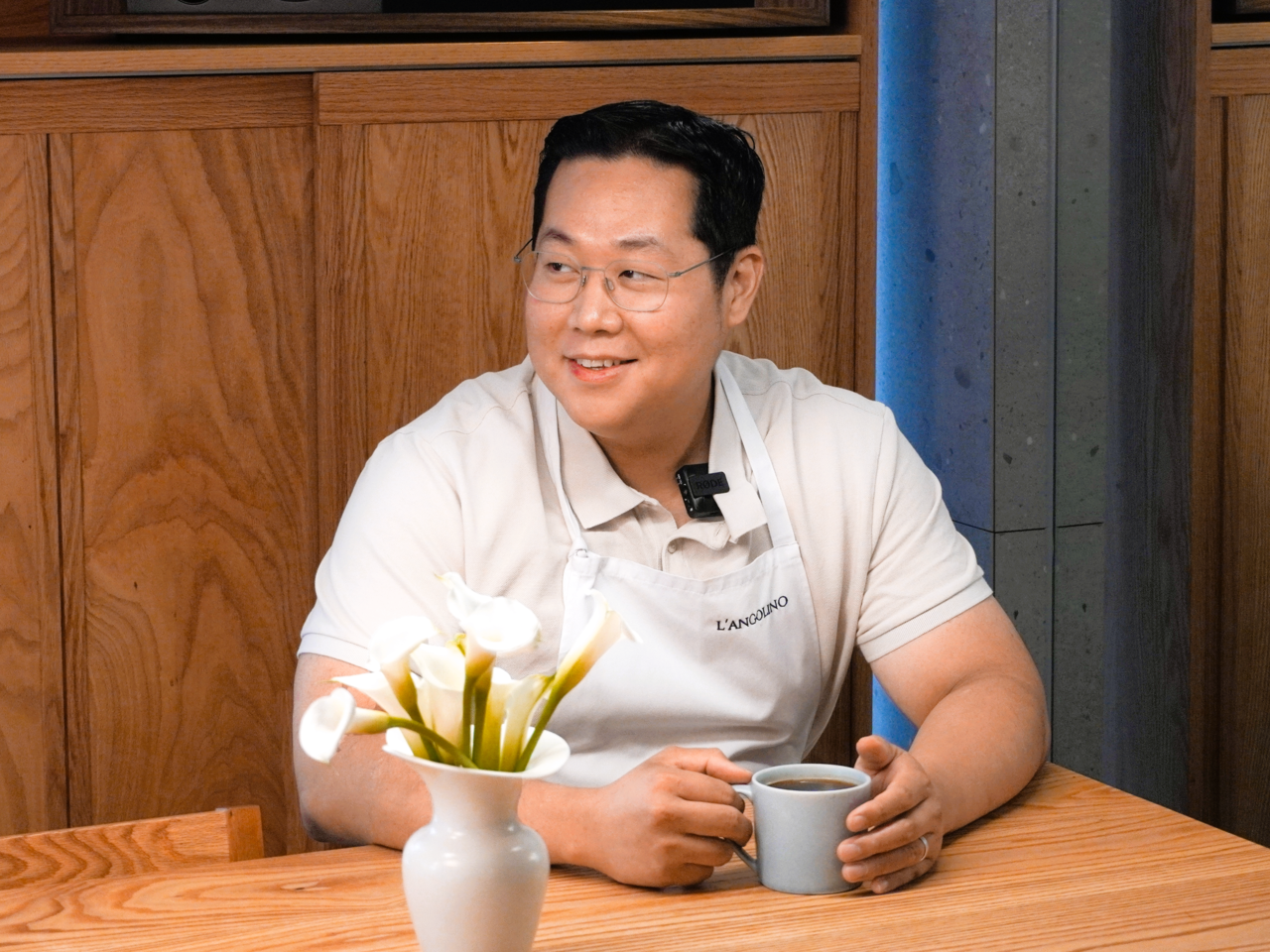
"Sikgu" — the Korean word for family.
Embedded in that word is the idea of people who live under one roof and share their meals. The dining table was once the place where a family exchanged the small details of the day. Parents and children sat together, ate and talked about what had happened since morning. The table was not just where hunger was satisfied — it was where people checked in on one another and shared what was in their hearts.
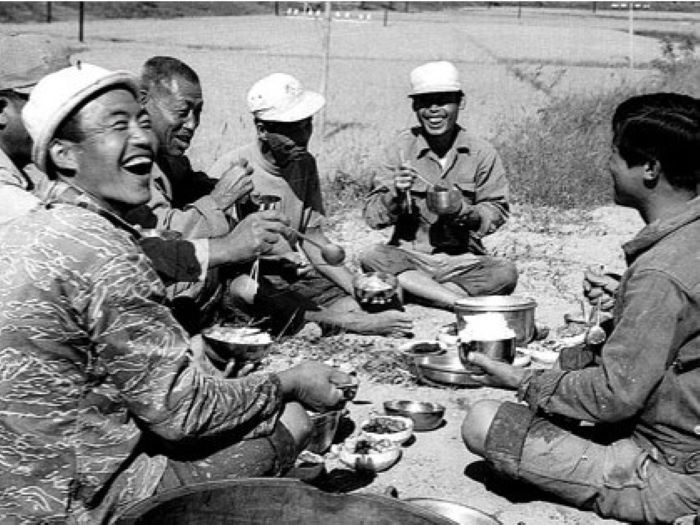
That spirit extended beyond the household to the neighborhood. People would spread out a mat, sit together and share the banchan each family had brought from home. It did not matter if the food was nothing special. The simple act of eating together was enough to dissolve the distance between people.
But what of today? The word "sikgu" still exists, yet the scene it describes is fading. Modern life moves at a pace that leaves little room to breathe, and advances in AI and social media have fragmented human connection. People now sit across from a smartphone screen rather than another person. Face-to-face conversation is disappearing.
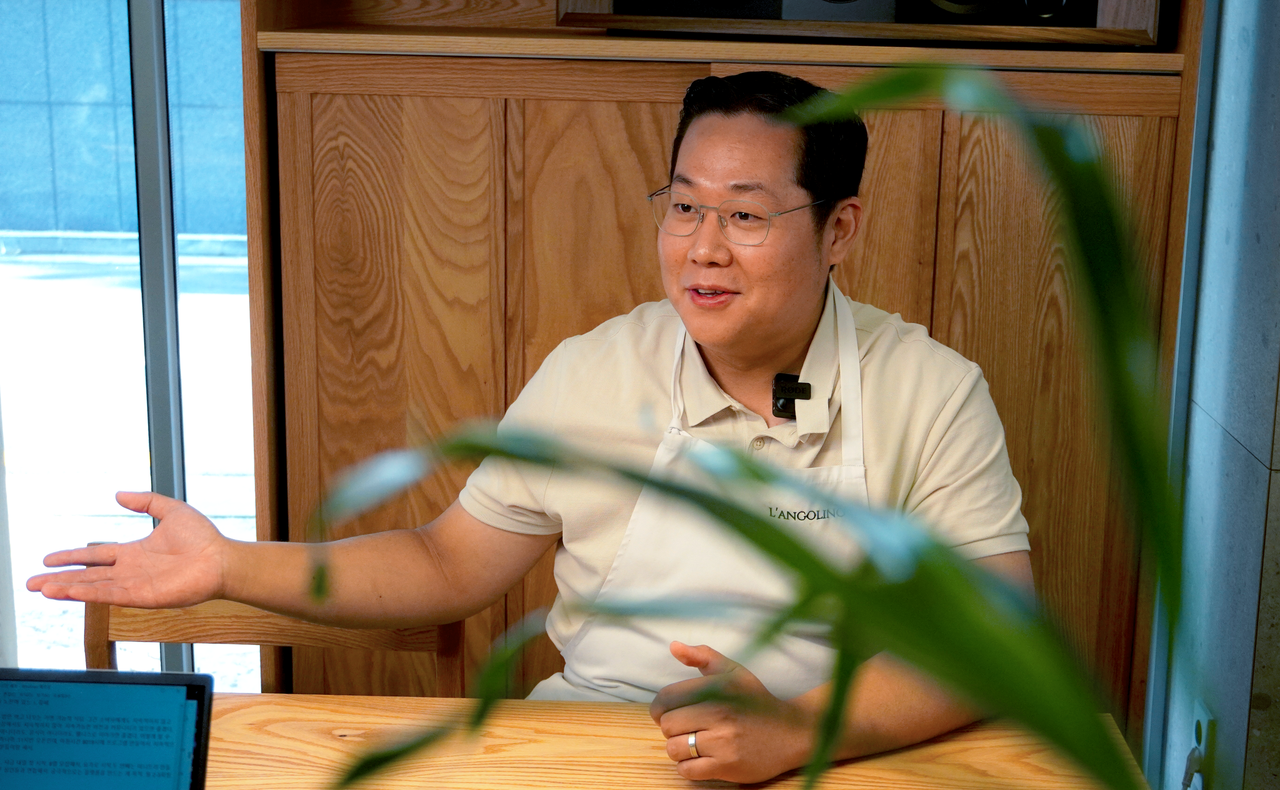
In this era, one chef is asking what the dining table still means. Kim Yong-hyun runs L'Angolino del Parco, an Italian restaurant in Seoul, and he wants people to sit across from one another again — to look each other in the eye and rebuild connection. What interests him is not the food itself so much as the conversations that flow around it. He calls this "siktak gyoje," or table fellowship.
"Eating is not simply an act of taking in nutrients. It is also how human relationships are formed — stories are exchanged, bonds are built, all through the medium of a shared meal. As AI grows ever more sophisticated and people drift further apart, I believe the dining table still has something to offer. The dinners I shared with my mother, father and sister — sitting together at the end of the day — meant something beyond the food itself."
The table Kim remembers was nothing elaborate — a plain spread of doenjang jjigae bubbling in a pot, kimchi and braised black beans. Yet it held time shared as a family, and the day's stories passed back and forth across it. For him, the table was never just a place to taste food; it was a space where relationships were confirmed.
He believes that in modern life, the longing for human connection is actually growing stronger. The looser relationships become and the less people communicate, the deeper the desire to feel connected to someone. He sees in that longing — in the way people today search for something to love — the possibility of reviving table fellowship.
The thought came to him, unexpectedly, through animals. When the giant panda Fubao first became a sensation, he could not understand why so many people were captivated by an ordinary panda. Then, watching the public's attachment to Bukangyi grow, something clicked.
"When Fubao first became a sensation, I was genuinely puzzled. I could not understand why so many people were going wild over an ordinary panda. Then when Bukangyi became a sensation, I finally understood. People today need something to love. Modern life can seem to have dried us out — but inside, there is still a longing to find something to care for. Could we not connect with one another again, through a shared meal?"
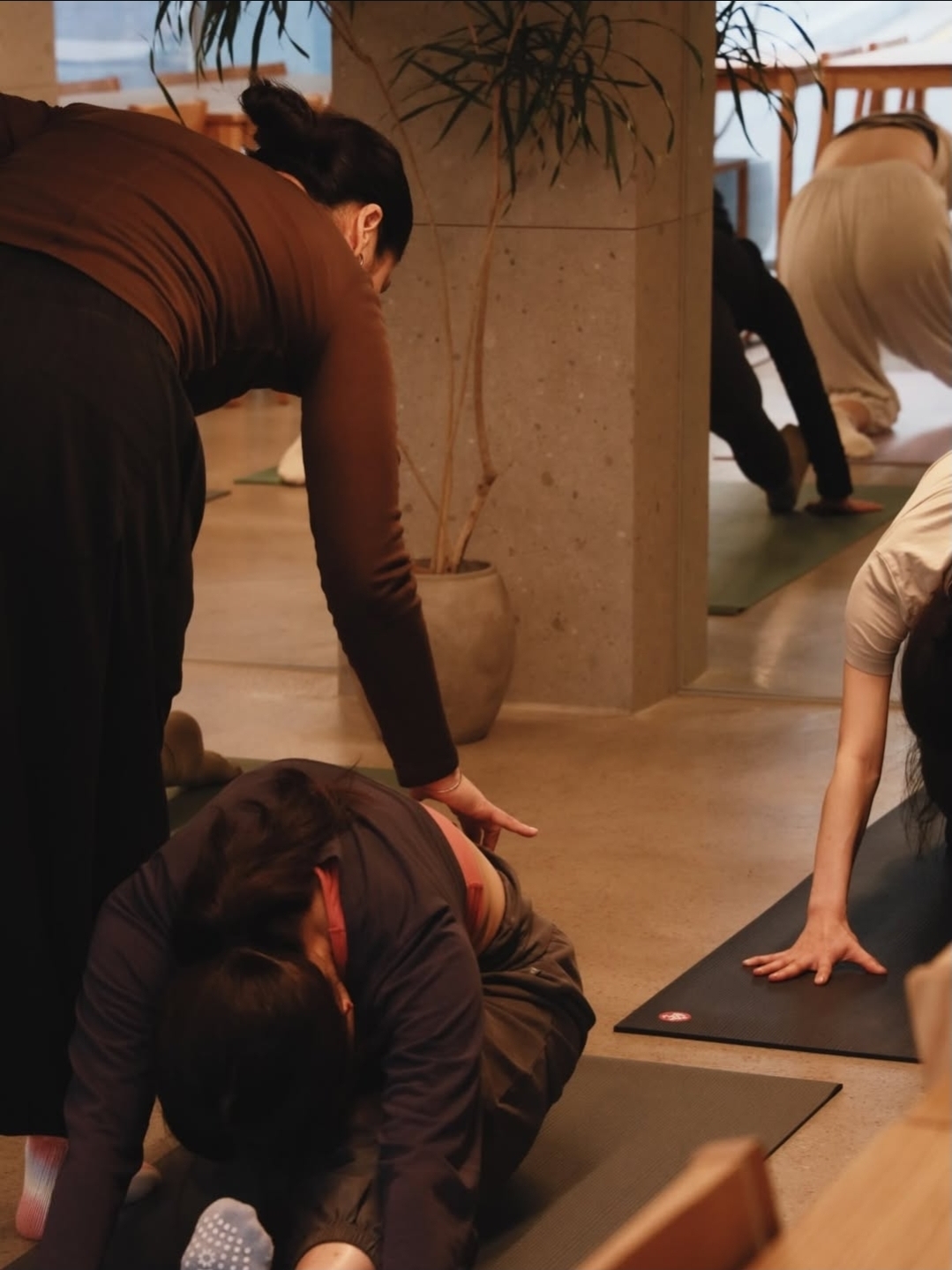
Kim has built that philosophy into how he runs the restaurant. He wants L'Angolino del Parco to be not simply a place that sells food but a wellness community where local residents come together. To that end, he uses the hours before the restaurant opens to run a range of programs — yoga, meditation, reading groups, flower-arranging classes and running. After each activity, participants share a light brunch and conversation flows naturally.
The flagship program is La Mattina — Italian for "the morning" — which runs from 8 a.m. to 10 a.m. Before the restaurant opens its doors, neighbors gather to tend to their bodies and minds and share a meal together.
"At L'Angolino, our vision is the restoration of community through table fellowship. We are not trying to build a functional space where people simply eat and leave — we want to create a community anchored in wellness. We run the La Mattina program from 8 to 10 in the morning, before L'Angolino opens. Through yoga, flower-arranging classes, reading groups, running and more, we aim to be a community that connects neighbor to neighbor."
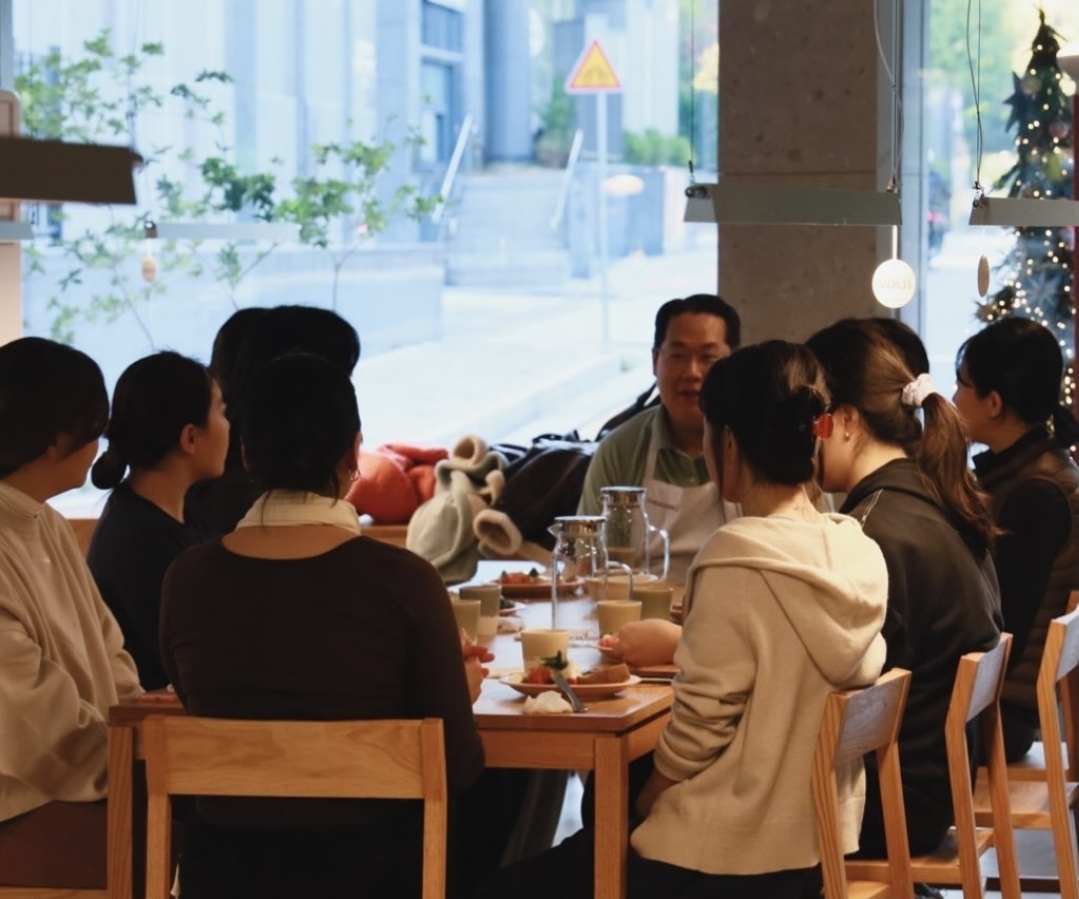
The name L'Angolino del Parco means "the little corner restaurant by the park." It reflects Kim's hope that the space will feel like a neighborhood gathering room — somewhere locals can drop in and unwind. The restaurant sits in a residential area of Songpa-gu, decorated in natural wood and beige tones. Sunlight pours through floor-to-ceiling windows, and the calm atmosphere gives the place a welcoming feel.
Another distinctive feature is that kimchi is served alongside the Italian dishes. Offering kimchi as banchan at a fine-dining Italian restaurant is an unusual choice, but guests tend to find the unexpected pairing intriguing. A richly seasoned Jeolla-style kimchi sits surprisingly well next to Italian food. For Kim, kimchi is more than a side dish — it is something every guest at the table can share and relate to, a common point of reference amid an unfamiliar menu.
"When people see kimchi served as banchan at an Italian restaurant — a fine-dining one, no less — they are all puzzled. But at the same time, they find it fun. From that moment, the awkwardness at the table starts to melt away and the distance between people begins to close, little by little. It also creates a shared taste that everyone can connect over. Kimchi builds common ground and links people together at the table. It is an indispensable part of what we do here."
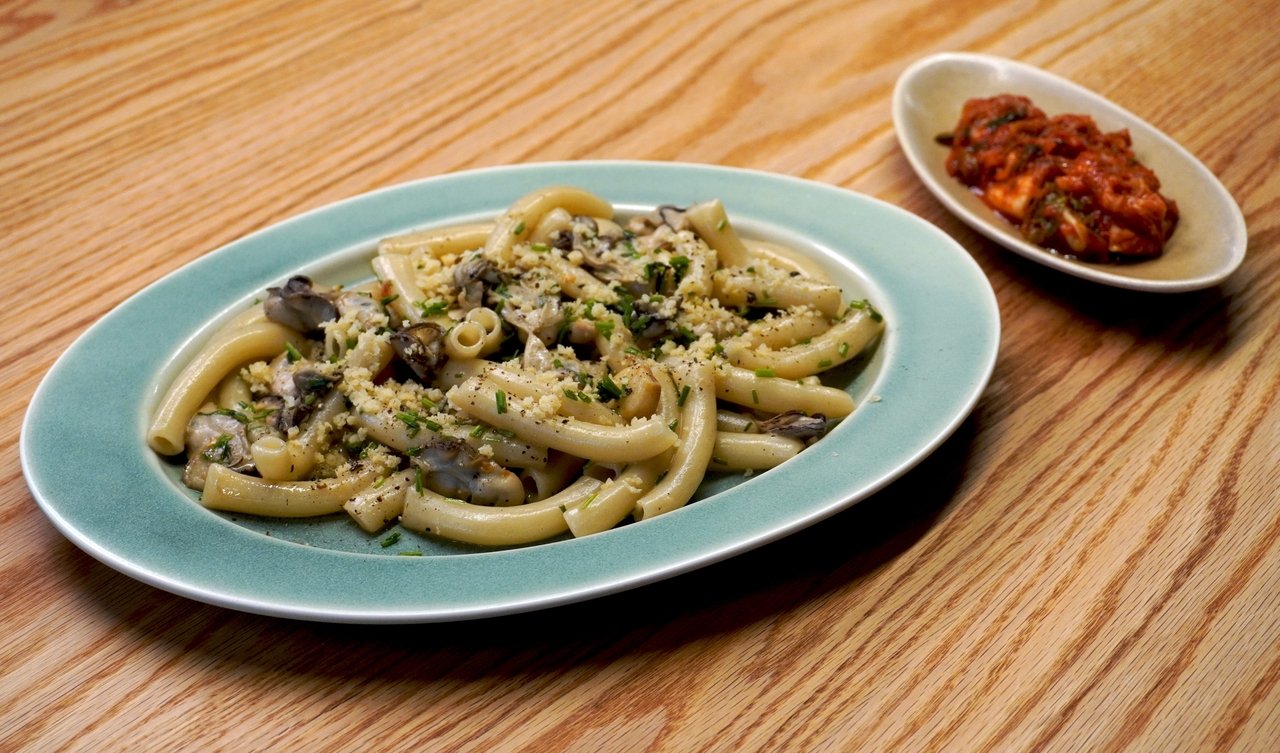
Serving kimchi at an Italian restaurant is also a way of letting two food cultures meet. By placing one familiar taste among unfamiliar dishes, Kim draws guests into conversation. Kimchi becomes the common denominator of the table. What he ultimately wants to create through food is a sense of shared feeling between people.
That philosophy shows in how he selects his ingredients. Kim cooks Italian food but insists on sourcing everything domestically. He believes the best ingredients are seasonal ones grown close to home. Every morning he goes to the market himself, picks the finest produce of the day and builds the menu around what he finds.
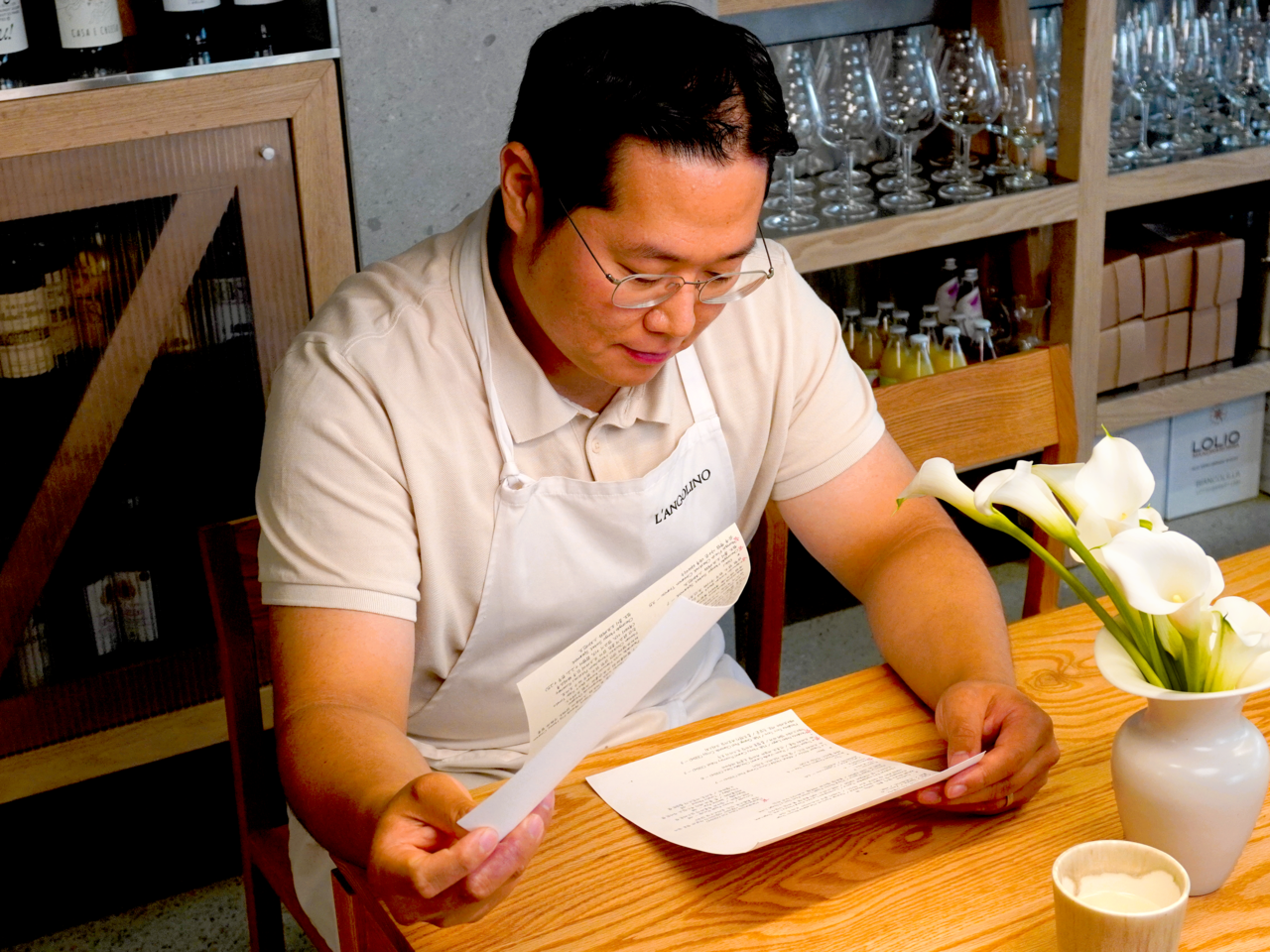
Kim began his culinary career at Bene Bene, a long-loved Italian restaurant in Songpa-gu. Chef Kim Jong-pil, who ran the kitchen there, gave him a chance despite his lack of any formal cooking background, telling him that "a blank slate is better." Kim spent 10 years at Bene Bene learning the fundamentals and building his experience. He then opened L'Angolino del Parco in February to present his own cooking.
The core lesson he took from Italian cuisine was to express seasonal ingredients as naturally as possible — stripping away unnecessary cooking steps and decoration to let the ingredients speak for themselves. The image of Italian chefs sourcing their own produce every morning before service has stayed with him as an important benchmark.
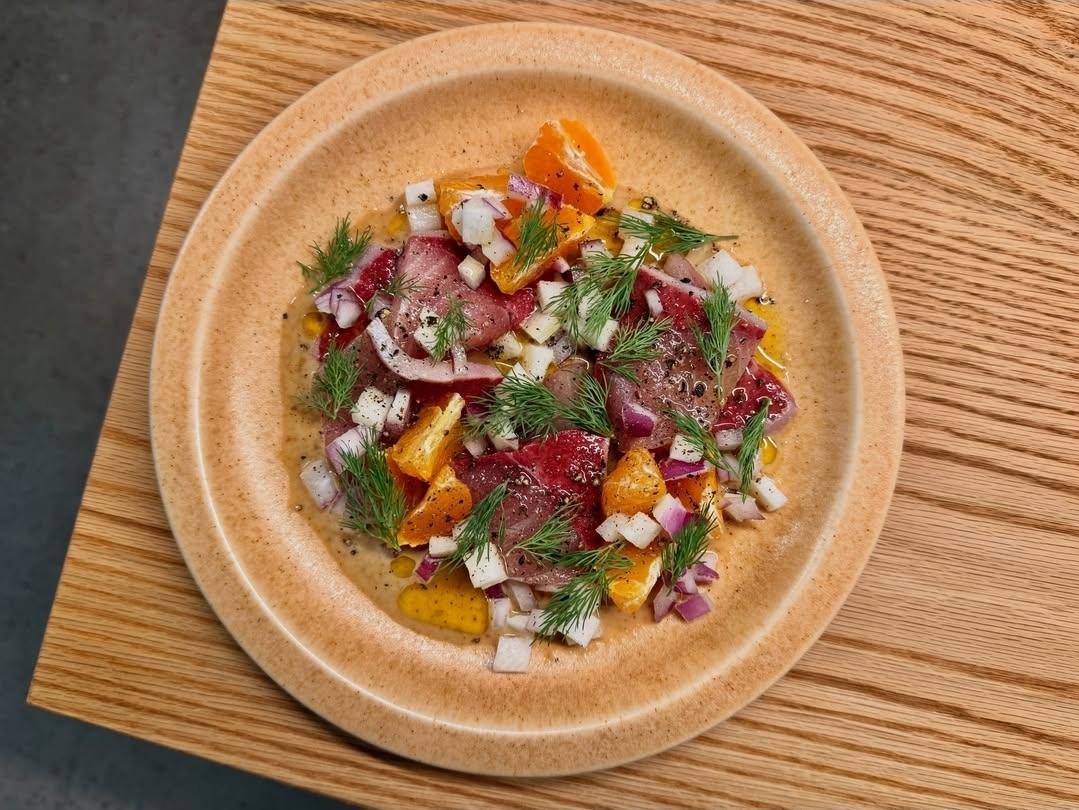
"The identity of Italian food as I learned it was about expressing seasonal ingredients with the lightest possible touch. In Italy, the chef would always arrive in the morning with a car full of ingredients and unload them in front of the restaurant. So I go to the market myself and build that day's menu from what I find. I look at what nature gives us each season and cook from there. Jeju cauliflower, organic yogurt from Gochang, figs from Aphae Island, black pork from Gokseong, gizzard shad from Seocheon — all across this country, every season brings its own treasure of ingredients."
The L'Angolino del Parco Kim envisions is not a restaurant where people eat and leave. It is a place where strangers become neighbors across a shared table and severed ties are mended. For him, food is less a destination than a bridge between people. A single meal becomes the start of a new connection — a moment that prompts people who have drifted apart to ask after one another again. What he wants to revive is, in the end, the ordinary but precious everyday scene of sitting down together to eat.
123@heraldcorp.com