"Warrant sought to establish charges in line with Supreme Court precedent," agency says
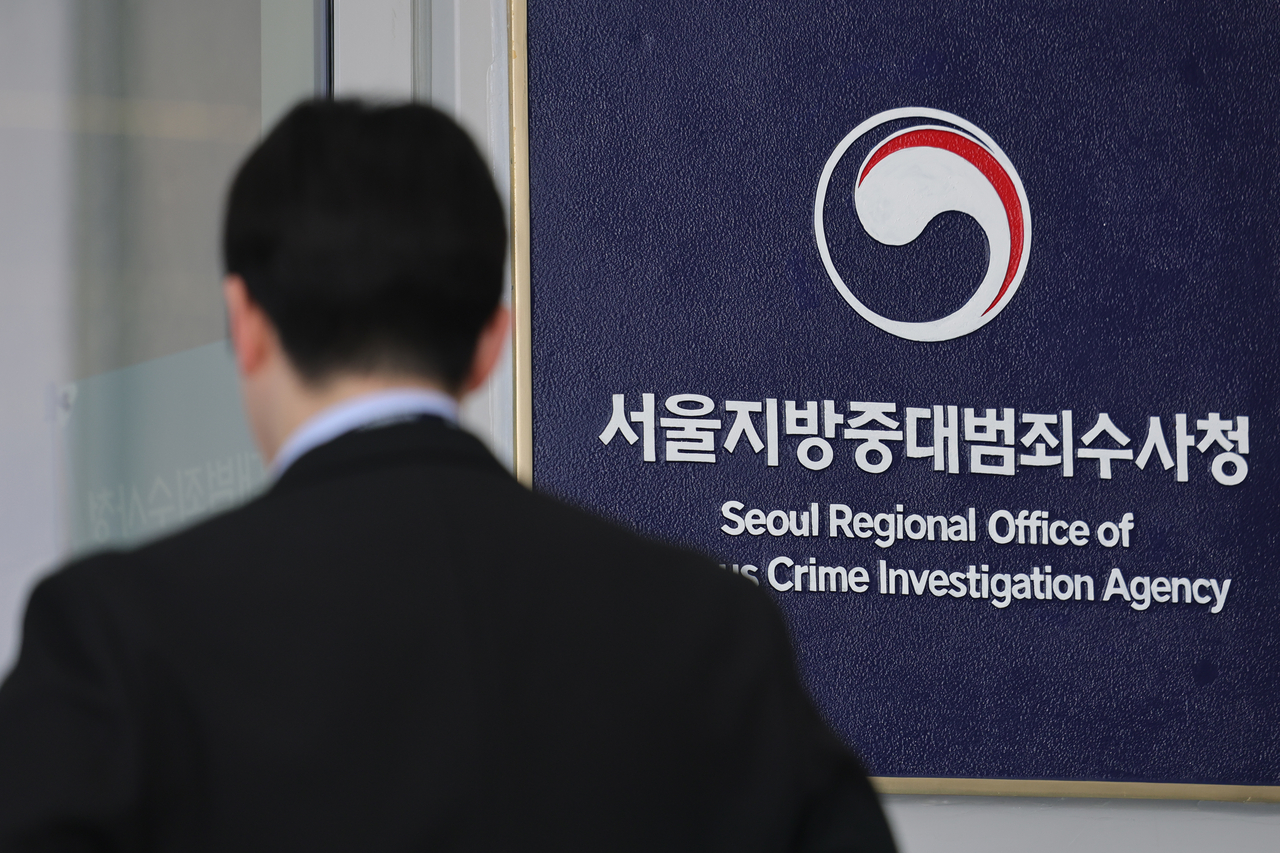
A court has rejected an additional search-and-seizure warrant sought by the Serious Crimes Investigation Agency in connection with Lee Jong-geun, chairman of Myeongnyundang, which operates the charcoal galbi franchise Myeongnyun Jinsa Galbi.
According to legal sources Sunday, the Seoul Metropolitan Serious Crimes Investigation Agency's Anti-Monopoly Investigation Bureau had recently identified additional allegations of occupational embezzlement against Lee and applied for a search-and-seizure warrant, but the court turned it down.
The agency had argued that coercive investigative measures were necessary to establish the charges in accordance with Supreme Court precedent, but the court determined that the alleged facts had not been sufficiently substantiated.
The Seoul agency had raided Myeongnyundang's headquarters in Songpa-gu, Seoul, and Lee's private residence Monday over allegations that the company had improperly provided support to a loan business owned by the chairman's family.
The raid followed a referral by the Korea Fair Trade Commission, which in September filed a complaint against Myeongnyundang and Lee on charges of violating the Fair Trade Act. It was the agency's first use of coercive investigative measures since its launch 45 days earlier.
Some in legal circles raised questions about whether the agency had attempted to pursue a separate investigation unrelated to the Fair Trade Act violations — and had been stopped in its tracks.
An agency official rebuffed that characterization. "We applied for the warrant at the early stage of the investigation after identifying circumstantial evidence of related criminal conduct, in order to establish the charges in accordance with established Supreme Court precedent," the official said. "Although the court rejected the warrant, it did so not on the grounds that it constituted a parallel investigation, but because — contrary to the views of the investigation agency and the prosecution office — it weighed the degree of criminal substantiation at this early stage of the investigation. The agency is conducting its investigation in full compliance with due process."
yg@heraldcorp.com