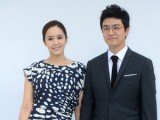
Presidential office posts essay titled 'Practical national-interest diplomacy and charm diplomacy at APEC'
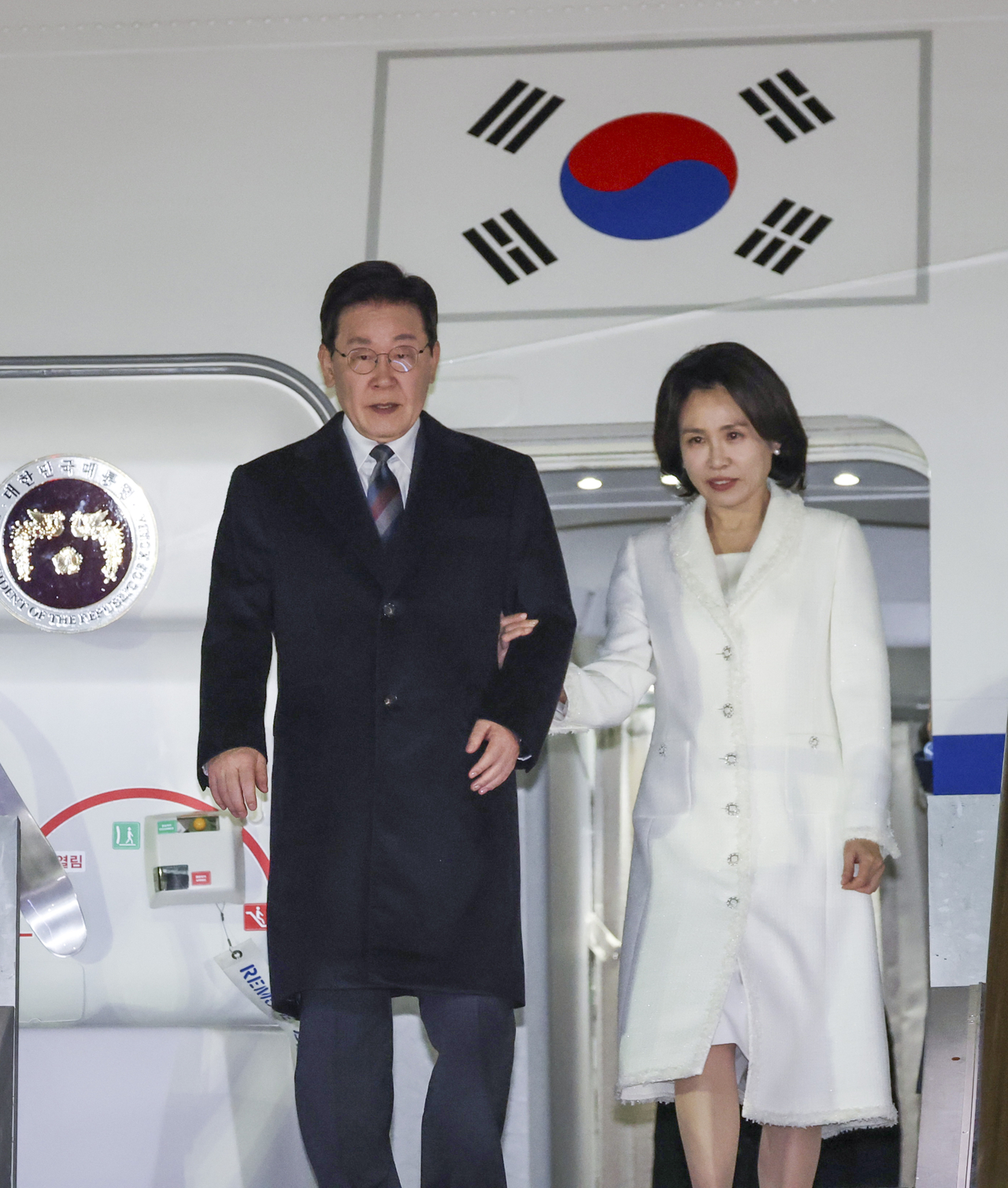
Cheong Wa Dae pushed back Sunday against opposition party criticism of President Lee Jae Myung's frequent overseas trips, saying South Korea's diplomatic influence would grow when the ruling and opposition parties work together to advance national interests.
Presidential communications chief Seong Gi-hong made the remarks in a post on his X account, under the title "Practical national-interest diplomacy and charm diplomacy at APEC."
Seong said the world's attention had been fixed on what he described as the first-ever trilateral summit among the leaders of the United States, China and Russia on the sidelines of the Asia-Pacific Economic Cooperation forum. "There were concerns that Korea passing — being sidelined by the great powers — might become a reality, recalling the history of more than 80 years ago when the fate of the Korean Peninsula was decided by major powers," he wrote. "But this time was different from when Korea was nowhere to be seen. President Lee was on that stage."
Seong said Lee had met separately with the leaders of the United States, China and Russia ahead of their trilateral summit, and went on to say that foreign media had praised the effort as "proactive diplomatic work to directly convey the government's position on Korean Peninsula issues."
He also highlighted what he called meaningful progress in economic and trade diplomacy, saying negotiations on a follow-up agreement to the Korea-China free trade agreement covering services and investment — which had dragged on for eight years and eight months — had been substantially concluded. "The groundwork has been laid to expand mutual market access for businesses of the two countries and open new opportunities for economic cooperation," he said.
Seong also praised what he called the personal charm displayed by the presidential couple.
"The 'charm diplomacy' of the presidential couple added to all of this," he wrote, saying Kim Hea Kyung's warm and unpretentious manner and hanbok fashion from the moment she arrived in China had captured the hearts of Chinese internet users. He noted that fan communities named after the presidential couple had even appeared on Chinese online platforms.
Seong said the South China Morning Post, the influential Hong Kong newspaper, had described the phenomenon as a "couple fandom" among Chinese supporters of the presidential pair. He added that the paper also reported it had become a trend among young Chinese visitors to Seoul to take commemorative photos at the National Assembly wall that Lee climbed to stop the martial law declaration during the "night of insurrection" in 2024.
"Winning the goodwill and trust of the people of other countries is also an important asset in diplomacy," he wrote. "This time, the presidential couple were the protagonists of soft power. They showed that summit diplomacy is not only a negotiating arena for securing national interests, but also a stage for public diplomacy that closes the emotional distance between us and the people of the other country."
Seong said summit diplomacy was "the work of protecting the nation's destiny, elevating South Korea's standing, and building the industries of the future." He added: "There is a saying — 'Politics stops at the water's edge.' It means that when it comes to national interests, we must set aside partisan considerations and pool our strength."
Turning to the opposition's criticism of Lee's frequent foreign travel, Seong noted that Canadian Prime Minister Mark Carney had devoted one of his first five days in office to summit diplomacy, and said he would encourage critics to "broaden their perspective and look at the relentless overseas diplomacy of foreign leaders."
sang@heraldcorp.com