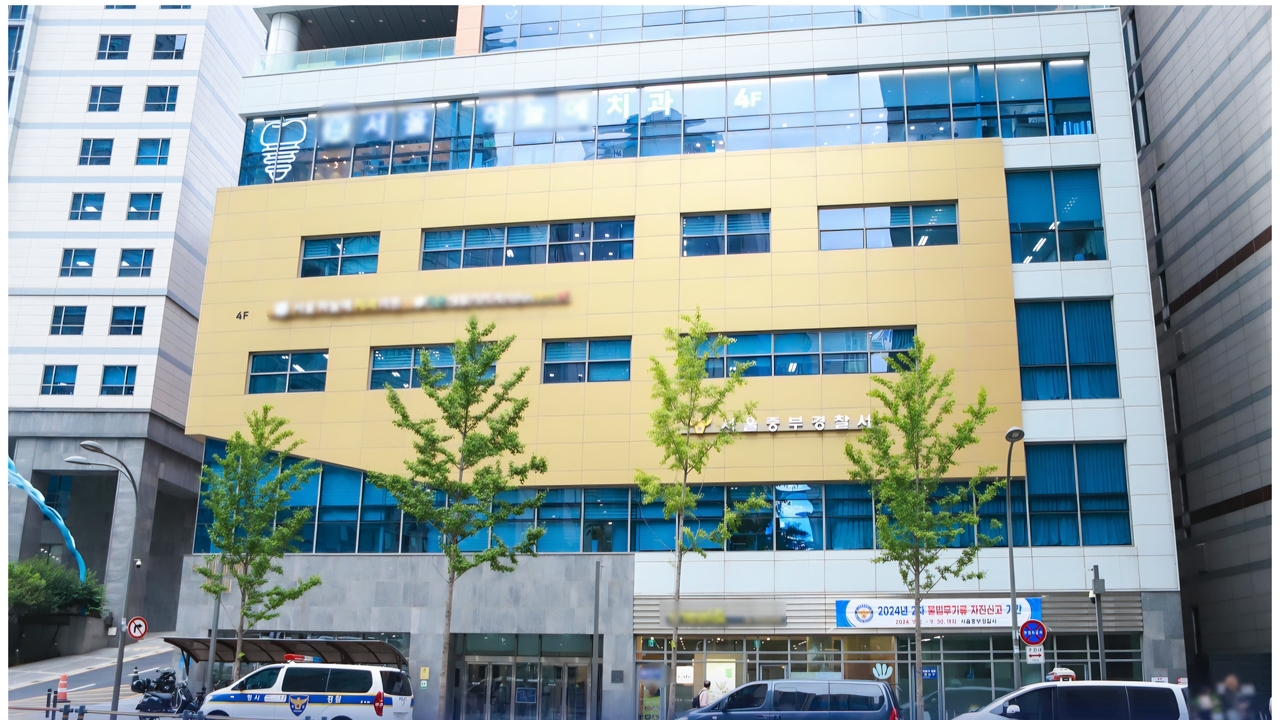
Our Neighborhood Police Station (14): Seoul Jung-bu Police Station
As the Korean National Police Agency marks its 81st anniversary, The Herald Business profiles all 31 police stations in Seoul in consecutive installments.
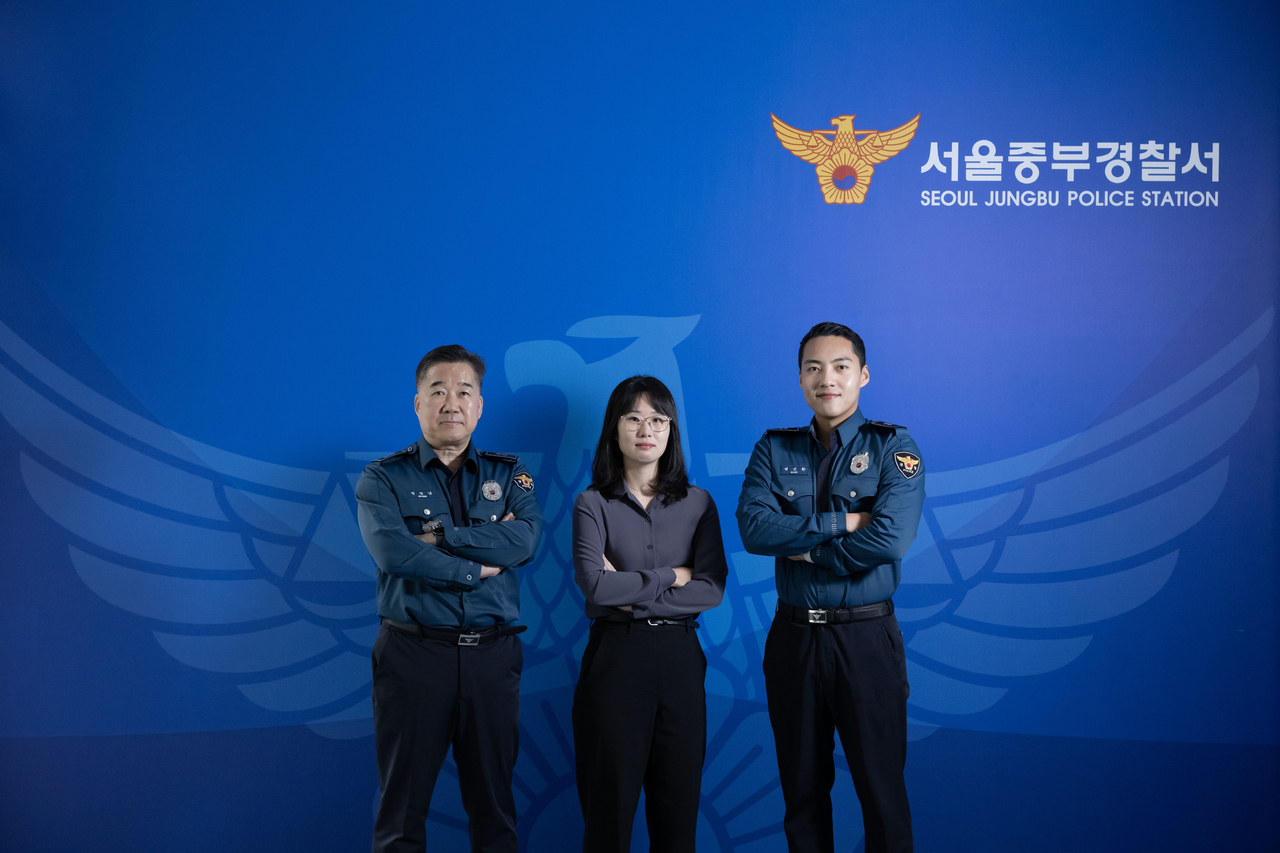
"I never thought, 'Someone else will handle it.' I felt that if I didn't act quickly, something terrible could happen inside that subway car — so my body just moved before I could think."
Lee Gye-sik, 68, was riding Seoul Subway Line 4 from Myeong-dong Station toward Chungmuro Station at around 9:12 p.m. on June 29, returning from a friend's funeral. He heard a commotion and turned to see a man trying to set fire to the emergency door-release mechanism using a lighter and an insecticide spray can. Foreign passengers nearby were shouting warnings at the top of their voices.
Without hesitation, Lee walked up to the man and snatched the spray can from his hand. Other passengers quickly called 112, and police who rushed to the scene arrested the man at the next stop, Chungmuro Station.
"I thought I had just done what anyone would do, so I was surprised when the police station said they wanted to give me a commendation," Lee said. "What I'll remember for a long time is my granddaughter saying, 'Grandpa, you were so cool.'"
Seoul Jung-bu Police Station honored Lee and two other citizens who helped stop the arson attempt at its first Community Appreciation Day event, held July 3, presenting them with commendations from the Seoul Metropolitan Police Agency chief and cash rewards.
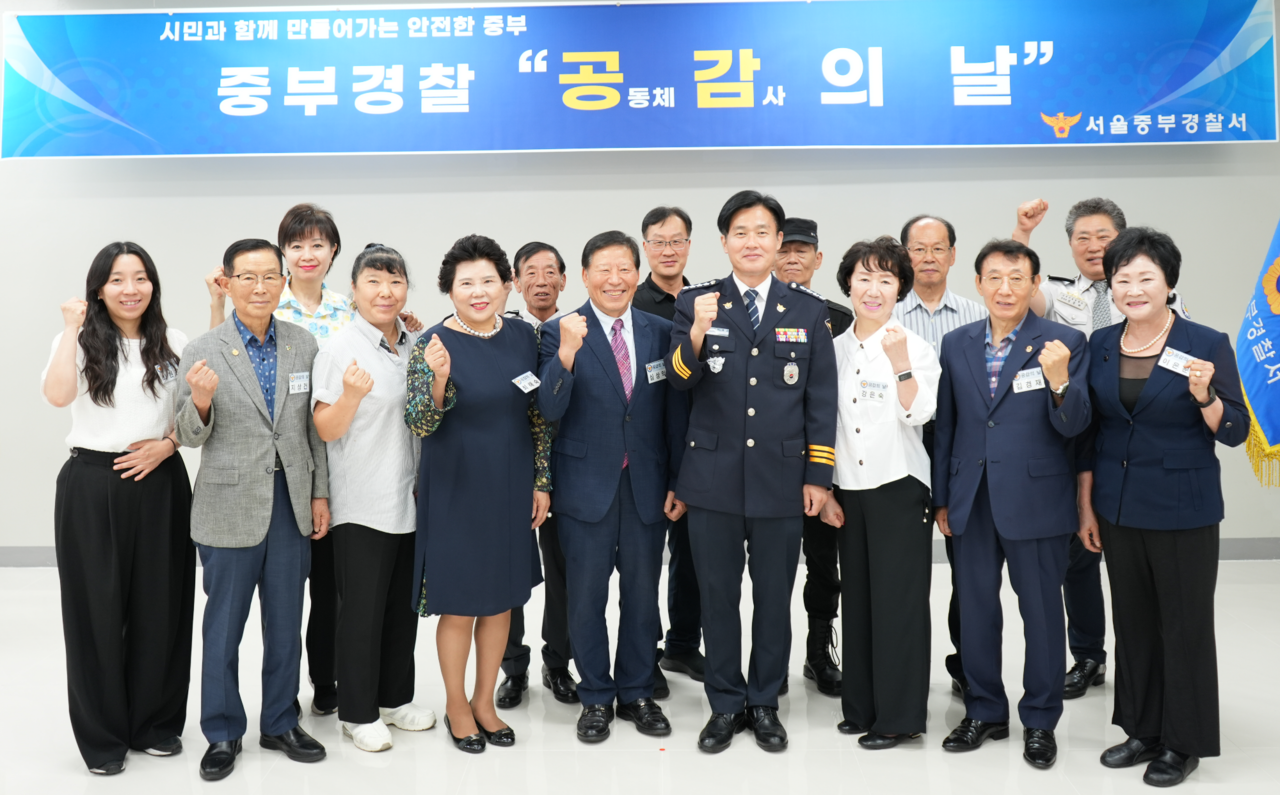
'Keeping the community safe together': Community Appreciation Day and the push for collaborative policing
Seoul Jung-bu Police Station has made collaborative policing — keeping the community safe alongside residents — a central priority. Its Community Appreciation Day, which recognizes residents who have contributed to crime prevention and public safety, has now been held four times. Honorees have included Lee, who stopped the subway arson attempt; a resident who reported a suspected artillery shell found at an apartment complex; and members of volunteer crime-prevention patrols and neighborhood council associations. A citizen who performed CPR on a person who collapsed at a bus stop, and a bank employee who helped apprehend a voice-phishing suspect, have also received commendations.
Station Chief Kim Gyeong-un stressed the importance of community policing built around citizens, saying, "Public safety in a community can only be achieved through the cooperation of citizens doing their best in their own lives — not through police effort alone."
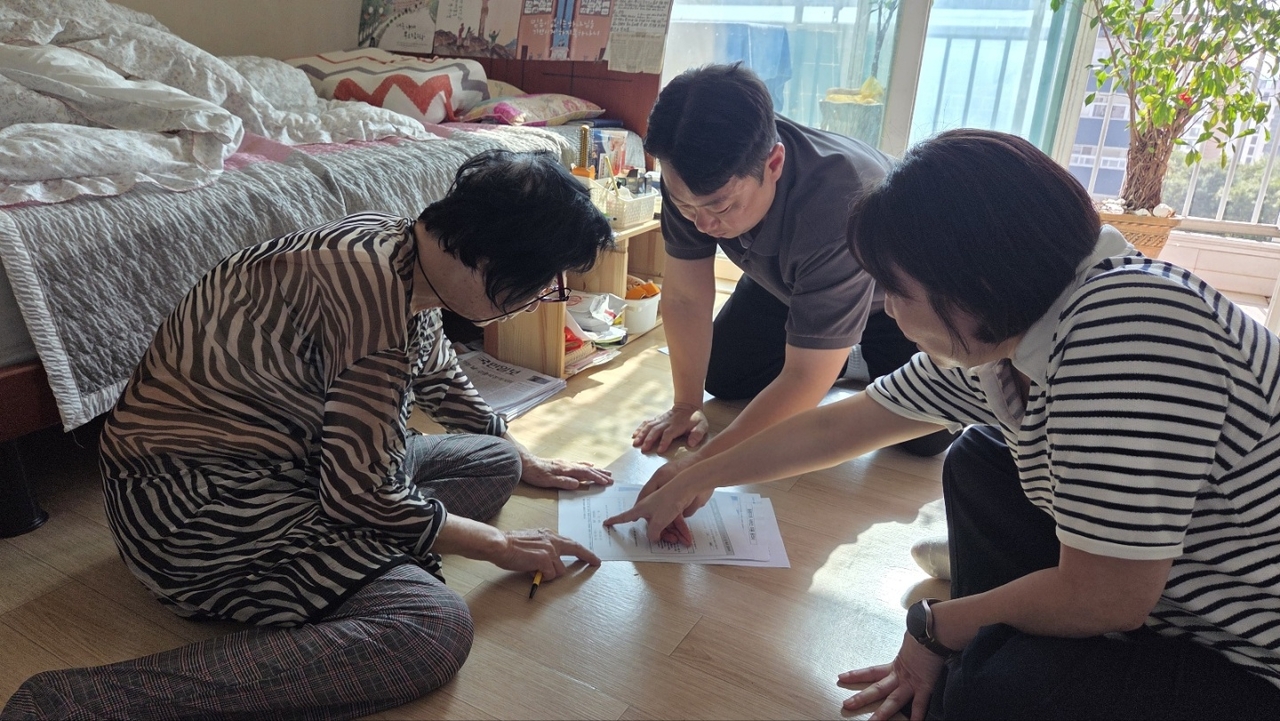
Radio code No. 1: a station at the heart of Seoul's busiest commercial and tourism districts
Jung-bu Police Station, which oversees public safety in central Seoul, is the oldest of the city's 31 police stations. Its origins trace to Namjiseo, one of five police substations established in Hanseong during the Gabo Reform of July 1894. It was renamed Nambu Police Station in 1907, then became Gyeongseong Honmachi Police Station in 1915, before taking its current name after Korea's liberation and the founding of the national police force. Today, 516 officers and staff work there. Known informally as Seoul's "No. 1 station," it holds radio dispatch code 1 — the lowest-numbered code among all Seoul police stations.
The station covers 11 administrative neighborhoods in Jung-gu — including Euljiro-dong, Jangchung-dong, Sindang-dong and Hwanghak-dong — with a registered population of roughly 97,000. Because the jurisdiction includes high-traffic areas such as the Dongdaemun fashion and culture district and the Euljiro restaurant strip, actual demand for policing services is considerably higher. The station operates three district units — Eulji, Yaksu and Gwanghui — and four police boxes: Sindang, Jangchung, Chungmu and Eul 3.
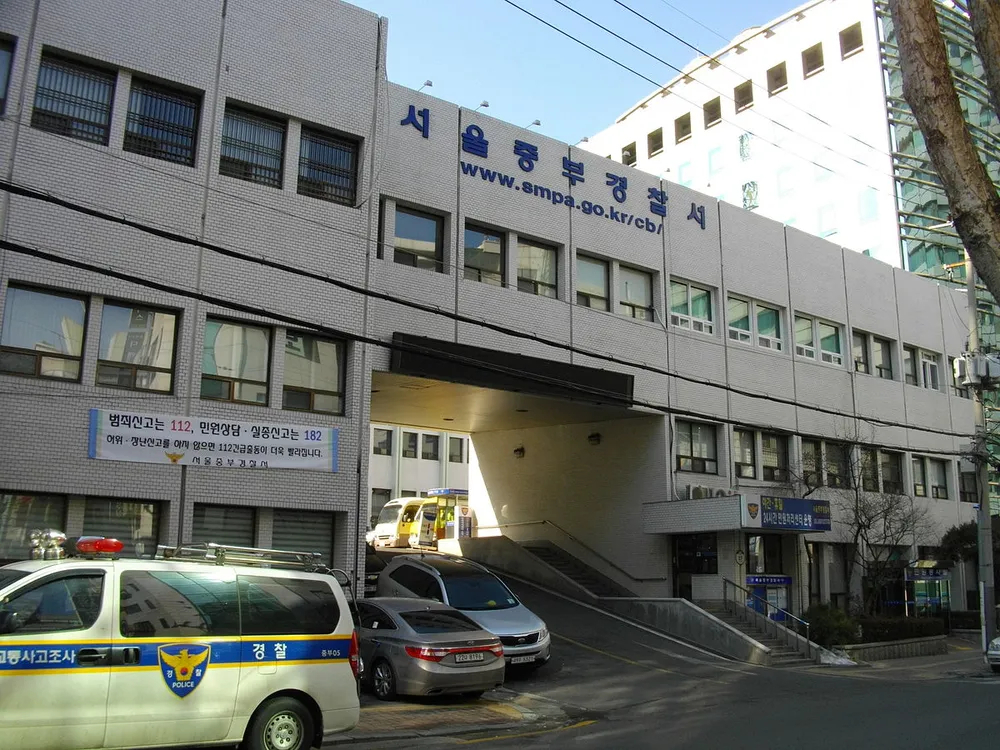
Faces of Jung-bu: Officer Baek Seung-hwan, Sindang Police Box
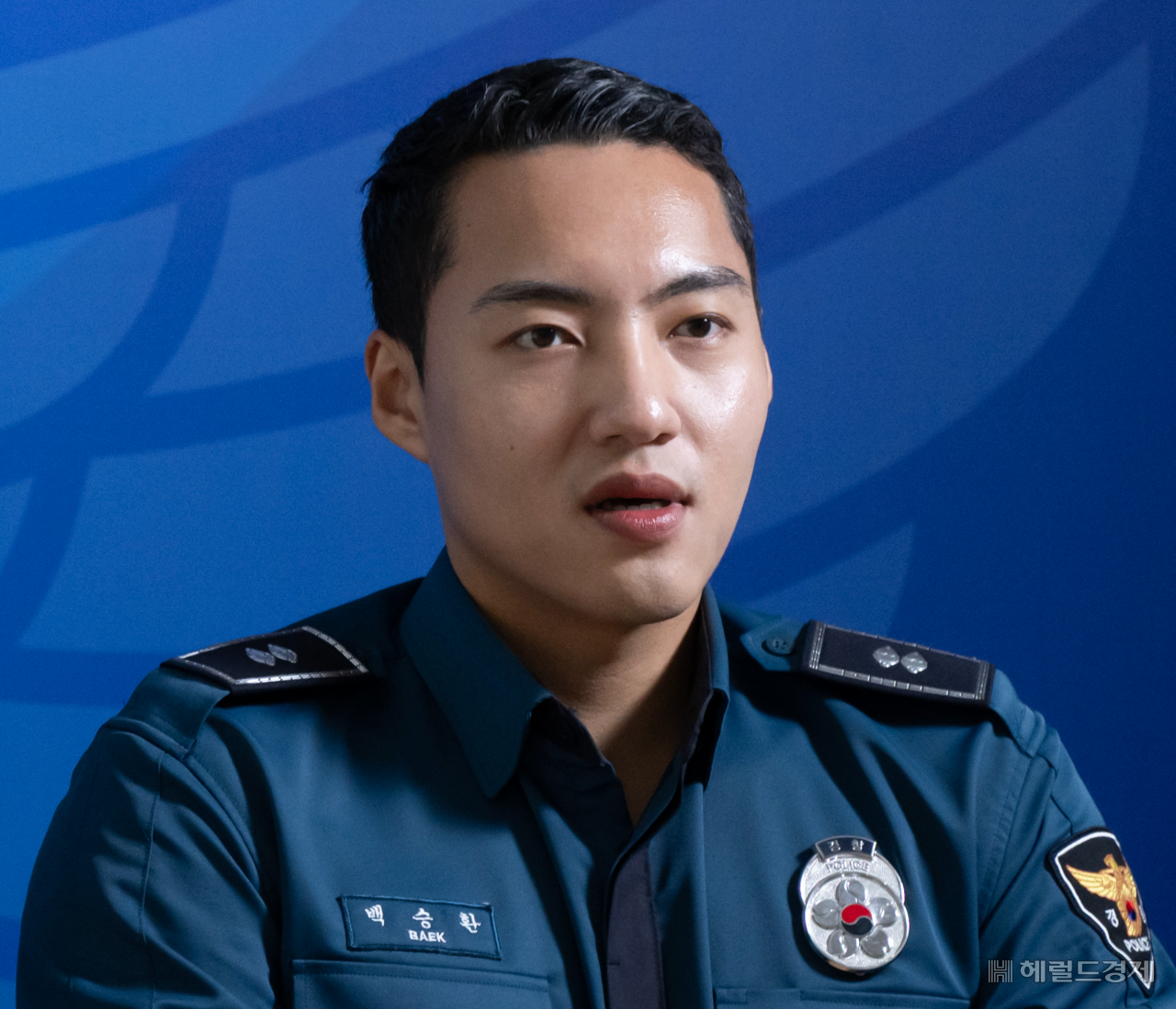
Baek Seung-hwan, assigned to Team 4 at Sindang Police Box, is just two months into his career as a police officer. Before passing the civil service exam, Baek sold hotteok pancakes at a market, saving enough money to spend six months studying for the test and fulfilling his dream of joining the force. Watching officers mediate disputes between vendors at the market was part of what first drew him to policing.
On Oct. 28 — his birthday — Baek responded to his first Code Zero call, the highest-alert designation. The report described a person in their 60s moving between a library and a PC bang while threatening people with a bladed weapon. Baek put on a shield and protective gear for the first time and rushed to the scene.
"It was my first time in a situation like that, so I was scared," Baek said. "But the stronger feeling was that I needed to get there fast and make sure citizens were safe. I want to keep being an officer who is out in the field, on the ground, for the safety of the people."
Inspector Jang Se-gyeong, Investigation Division
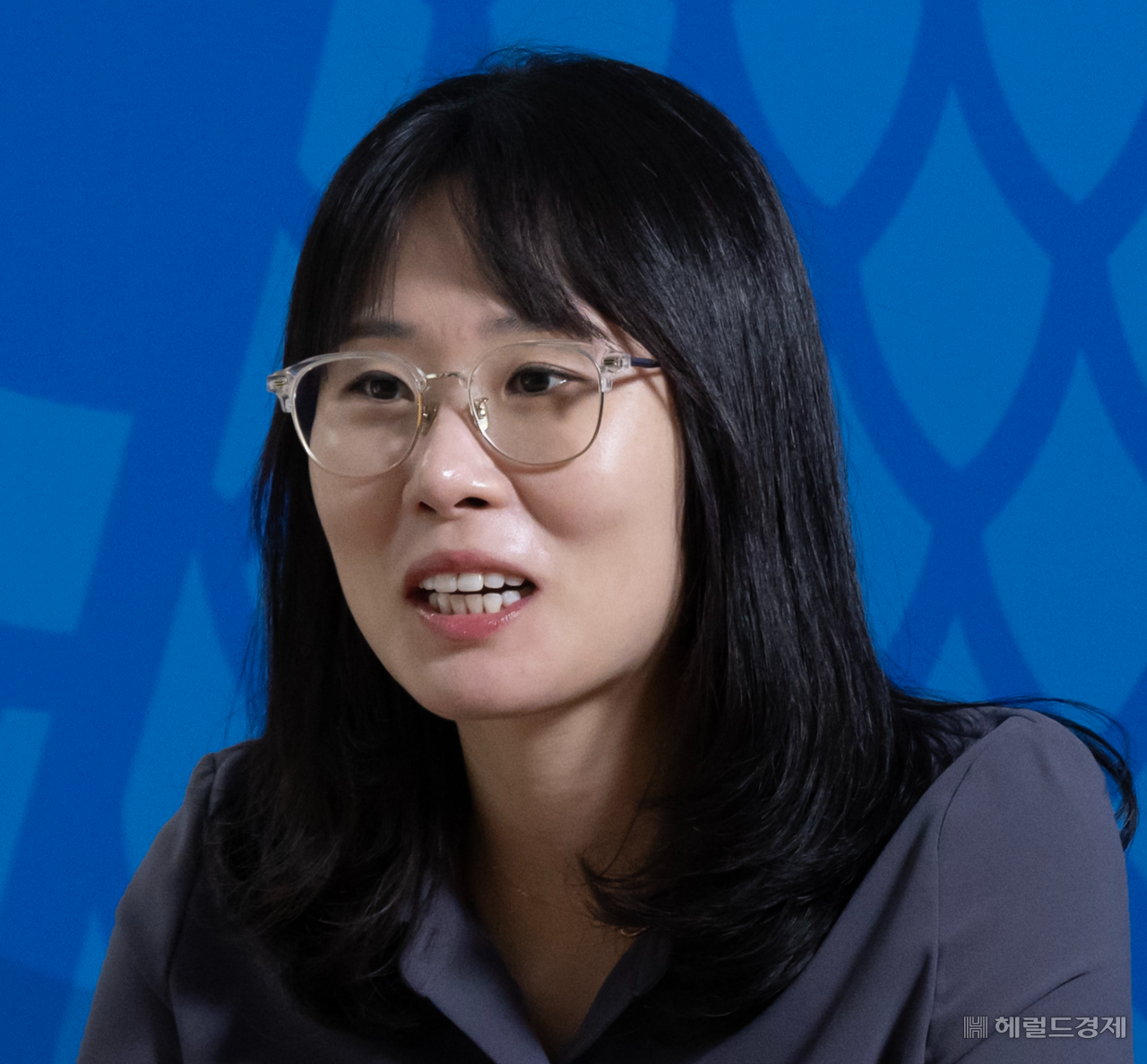
Whenever Investigation Division Inspector Jang Se-gyeong felt gaps in knowledge on the job, Jang opened a book. While working with the Seoul Metropolitan Police Agency's forensic science unit, Jang earned an industrial safety engineer certification — reasoning that knowing the relevant safety regulations would make the work far more effective when examining accident scenes.
Jang also studied for and obtained a road traffic accident analyst qualification to prepare for traffic accident investigations. In 2023, Jang enrolled in law school and passed the bar exam. "I always try to keep filling myself up, because you see as much as you know, and you can investigate as well as you see," Jang said.
After years of attending death scenes, Jang has developed a quiet personal ritual. After completing an examination, Jang straightens the blanket over the deceased and repositions the pillow. Sometimes Jang folds the person's hands together — a final mark of respect, even when no one is watching.
Jang said the goal is to be an officer who gives strength to victims of voice phishing, investment fraud and other crimes that strike at everyday life. "For a police officer, a case may be routine — but for the victim, it is something they will never forget," Jang said. "I want to keep thinking from the victim's perspective and put the experience and expertise I have built to real use in investigations."
Yaksu District Unit Chief Jeong Chang-nam
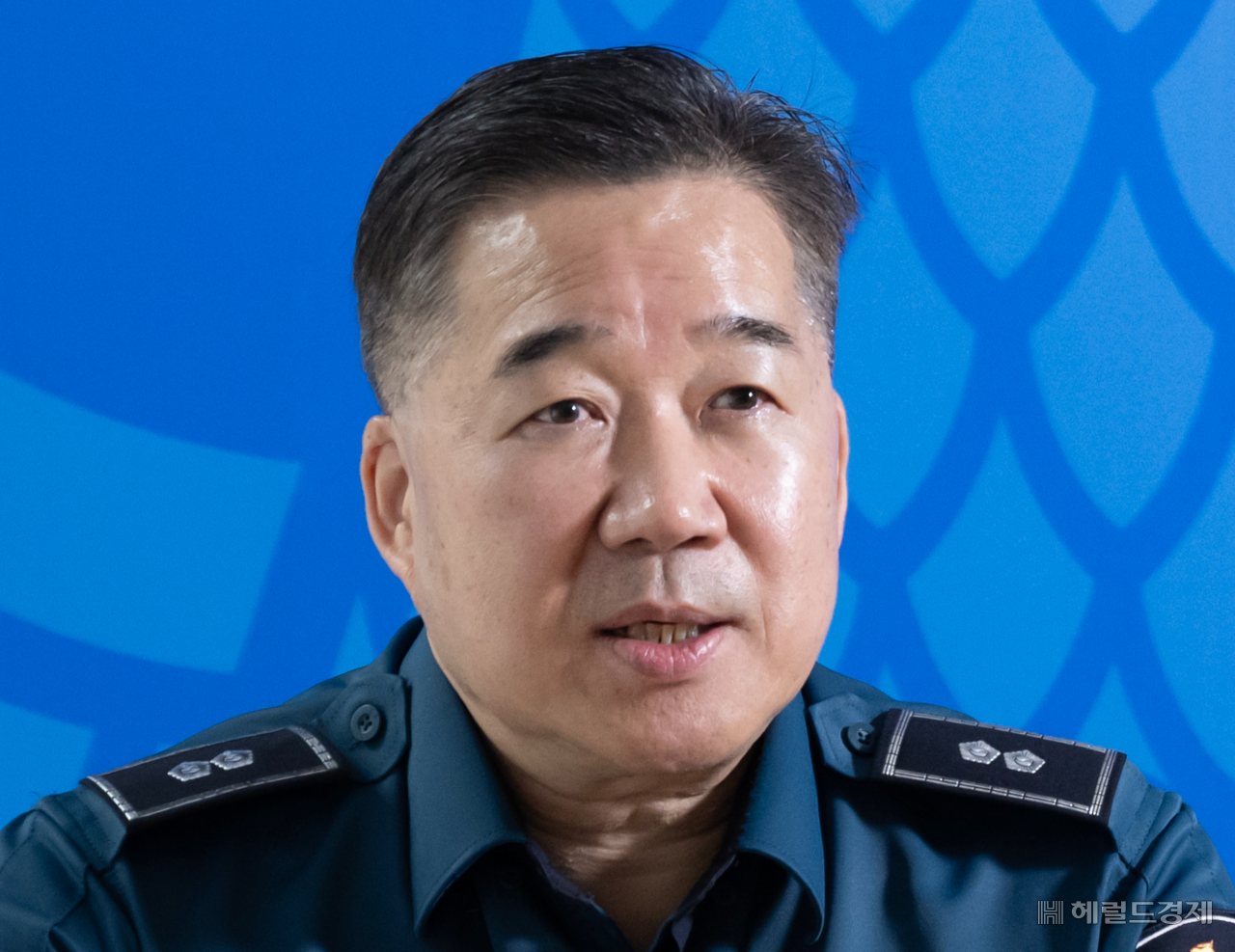
Inspector Jeong Chang-nam, who has patrolled the streets for nearly 30 years as Yaksu District Unit chief, lost a steady job when the Asian financial crisis hit and hardship swept the country. Watching "Police Story," a popular MBC program of the era, he mapped out a new path and decided to become a police officer.
After joining the force, Jeong put his Arabic major from Hankuk University of Foreign Studies to use, working in the Korean National Police Agency's foreign affairs division on Middle East and Africa affairs. He helped mediate cultural conflicts among foreign nationals in the Itaewon area of Seoul and assisted victims reporting fraud.
After transferring to Jung-bu Police Station in 2022, he served at the Gwanghui and Eulji district units.
While leading a team at the Eulji District Unit, he organized a foreign resident volunteer safety patrol of 20 to 30 Mongolian community members to address public safety issues in Jung-gu's Central Asian Street, and ran crime-prevention campaigns aimed at foreign residents.
With about three years left before mandatory retirement, Jeong's remaining goal is to be the neighborhood's go-to problem-solver for foreign residents. "When foreign nationals who have settled in Korea run into difficulties — whether with their children's education, administrative procedures or being victimized by crime — I want to be there to help," he said.
kido@heraldcorp.com