Minimum quota for next year to be announced Tuesday
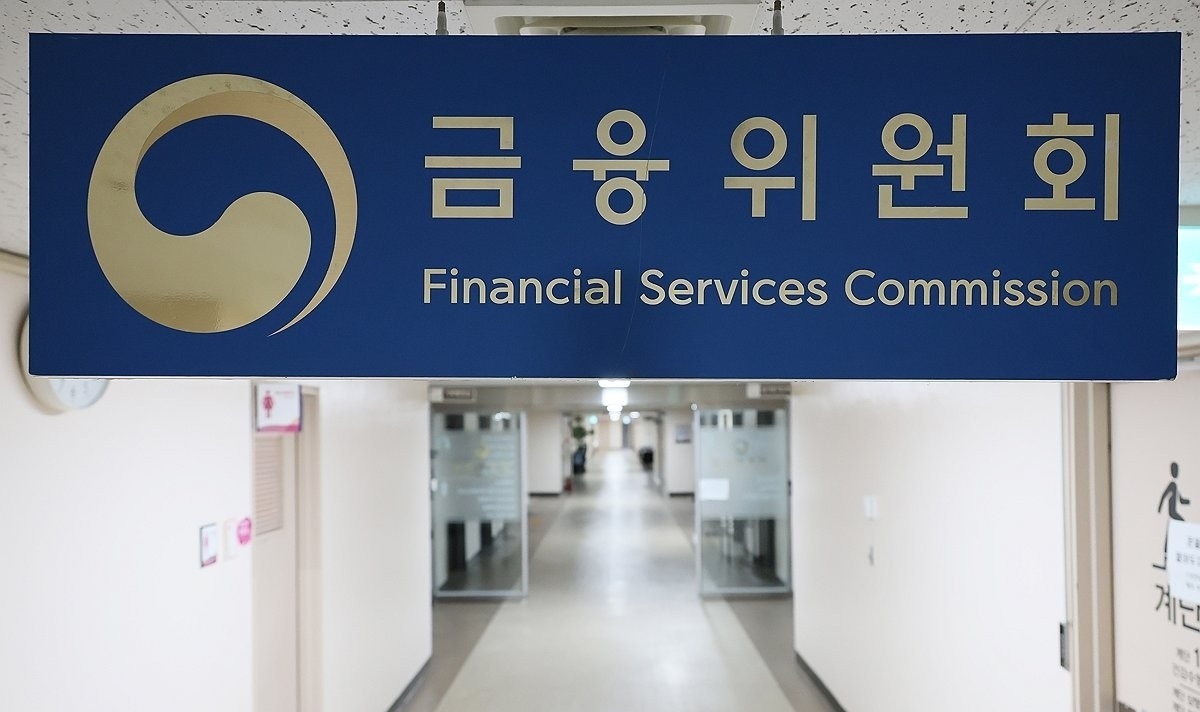
Financial authorities are drawing up the framework for next year's certified public accountant exam amid growing controversy over cheating using AI and advanced devices in national and private qualification tests.
Officials are working to prevent a repeat of the unprecedented AI-assisted cheating incidents, focusing on measures such as strengthening on-site supervision and toughening sanctions against cheaters. The number of candidates to be selected is expected to fall further from this year's figure, partly due to advances in AI technology.
According to financial authorities, the Financial Services Commission will convene a CPA qualification and disciplinary committee Tuesday to announce the minimum number of candidates to be selected for the 2027 CPA exam. With the quota set, authorities will then begin preparing for the exam, scheduled for February or March next year.
Particular attention is being paid to preventing a recurrence of AI cheating, after this year's CPA exam exposed gaps in the supervision system. The FSC oversees the exam, while the Financial Supervisory Service manages the entire process — from verifying applicants' eligibility and setting questions to accepting applications, supervising test sites and grading papers.
Among the measures under discussion is expanding on-site supervision staff and security equipment such as radio-frequency detectors. On-site supervision draws on FSS employees and commissioned external proctors including teachers, and authorities are said to be discussing budget expansion to increase that workforce and strengthen supervision procedures.
Tougher sanctions against cheaters are also under review. The Ministry of Employment and Labor is pushing to bar cheaters in national qualification exams from sitting tests for up to 10 years, and financial authorities may align with that approach. Under the current Certified Public Accountants Act, cheaters face suspension or cancellation of their results and are barred from the exam for five years.
Authorities also plan to conduct additional checks on candidates who passed under suspicion of cheating. Cheong Wa Dae has formed a task force on restoring exam integrity to develop cross-ministry measures to eradicate AI- and advanced-device-assisted cheating, and the FSC is expected to finalize its own measures through inter-agency coordination.
The minimum number of candidates to be selected for next year's CPA exam is expected to fall below this year's 1,150. The outlook reflects a lingering pool of certified accountants who passed the exam but have yet to be placed at a training firm, compounded by projections that AI will reduce demand for accounting professionals.
The minimum quota expanded from 1,100 in 2023 to 1,250 in 2024, before falling to 1,200 in 2025 and dropping by another 50 this year.
In research results released Nov. 5, the Korean Institute of Certified Public Accountants, the Korean Accounting Association, the Korea Listed Companies Association and the Accounting Policy Research Institute jointly proposed setting the annual CPA selection quota at between 850 and 1,000 over the next two to three years. The groups also counted about 300 unplaced accountants as of September and estimated that changes in the accounting environment driven by AI and other factors would reduce demand in the audit sector by roughly 12 to 16 percent within three to five years.
yg@heraldcorp.com