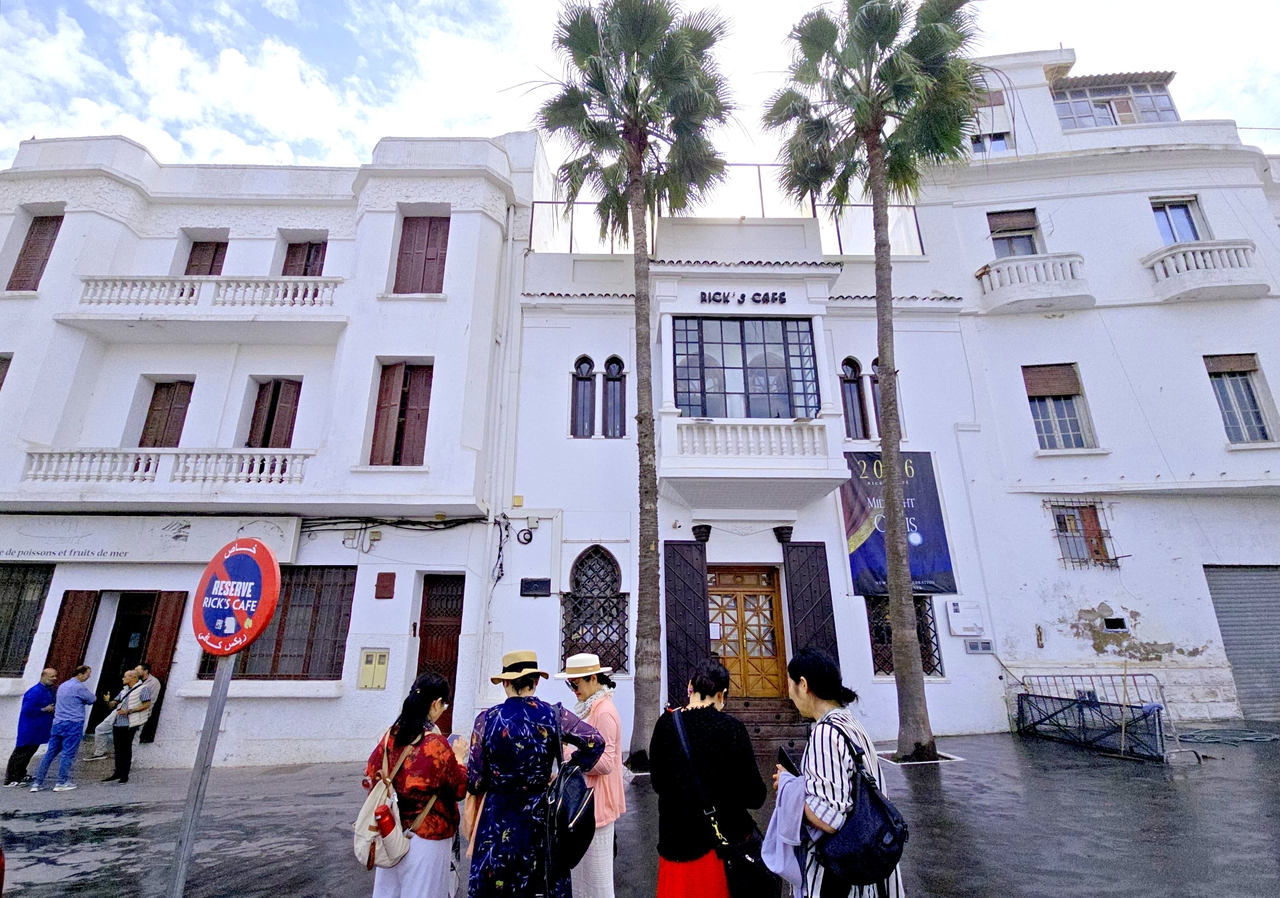
Rick's Cafe recreates the Hollywood set from the film 'Casablanca'
The Casablanca Conference, held the year after the film's release, gave Korea hope
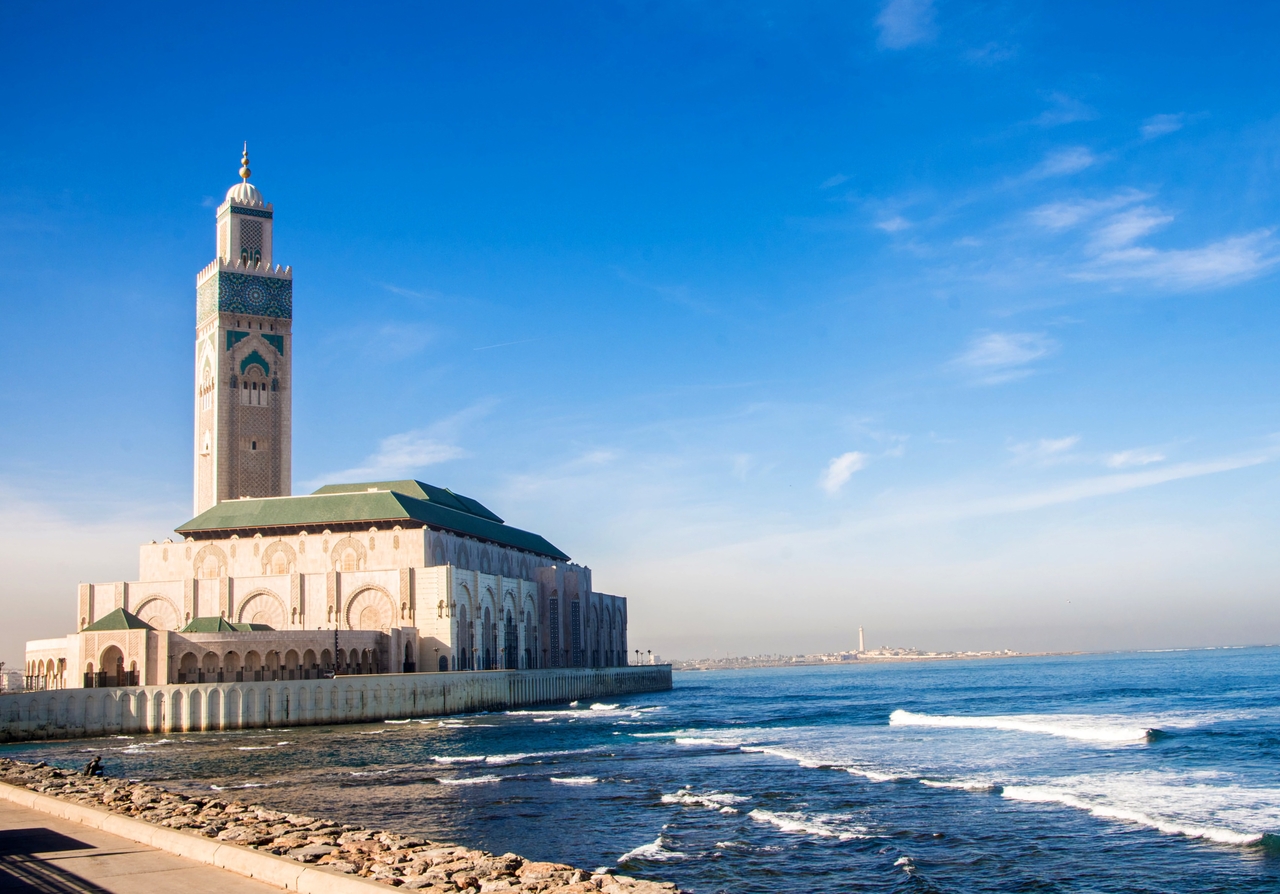
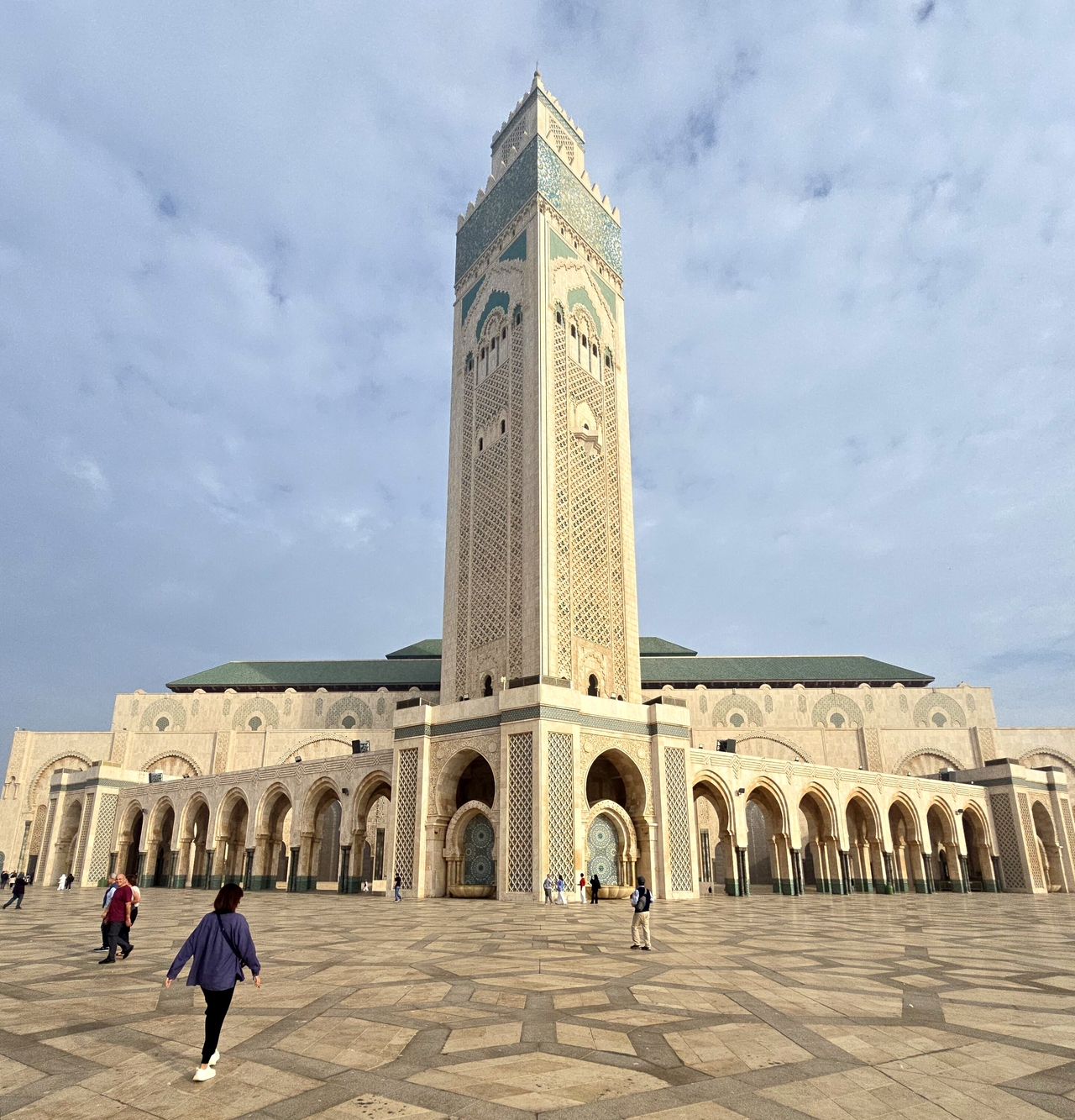
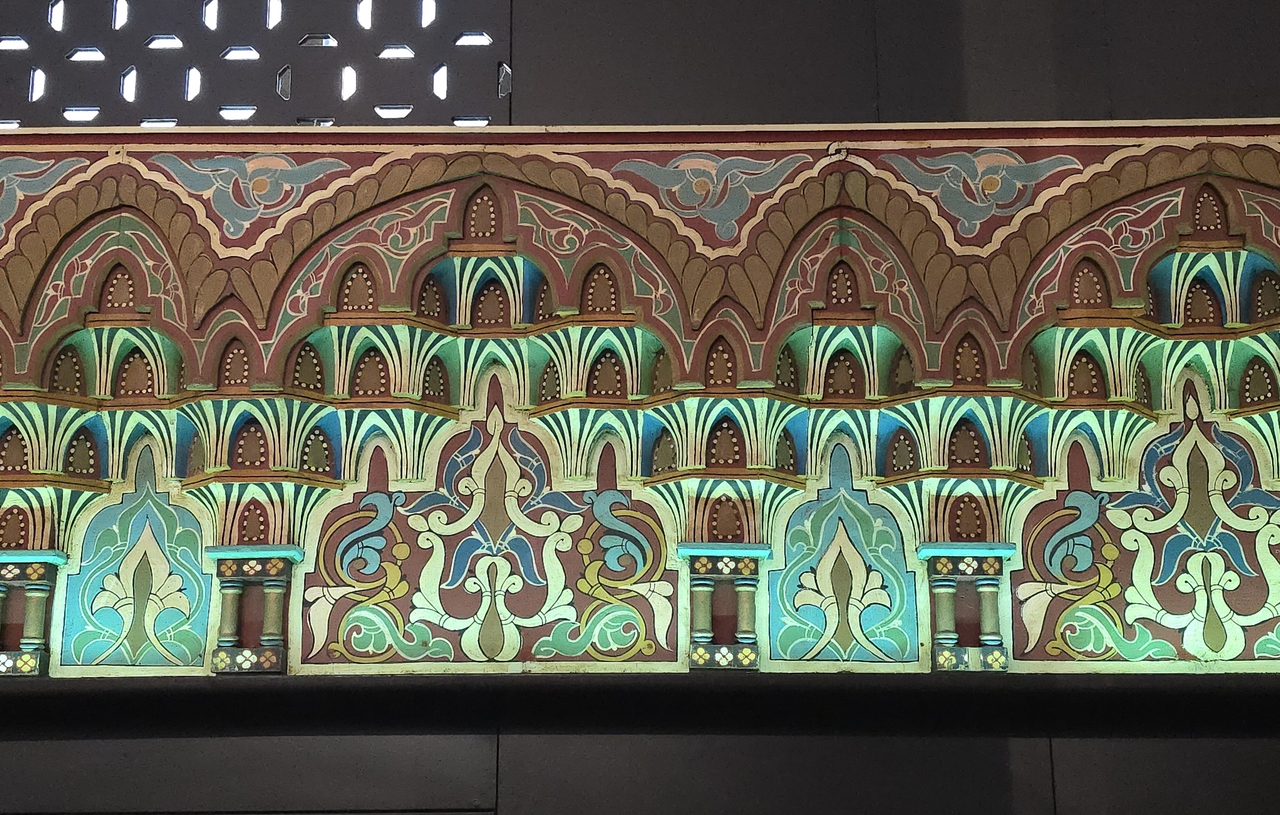
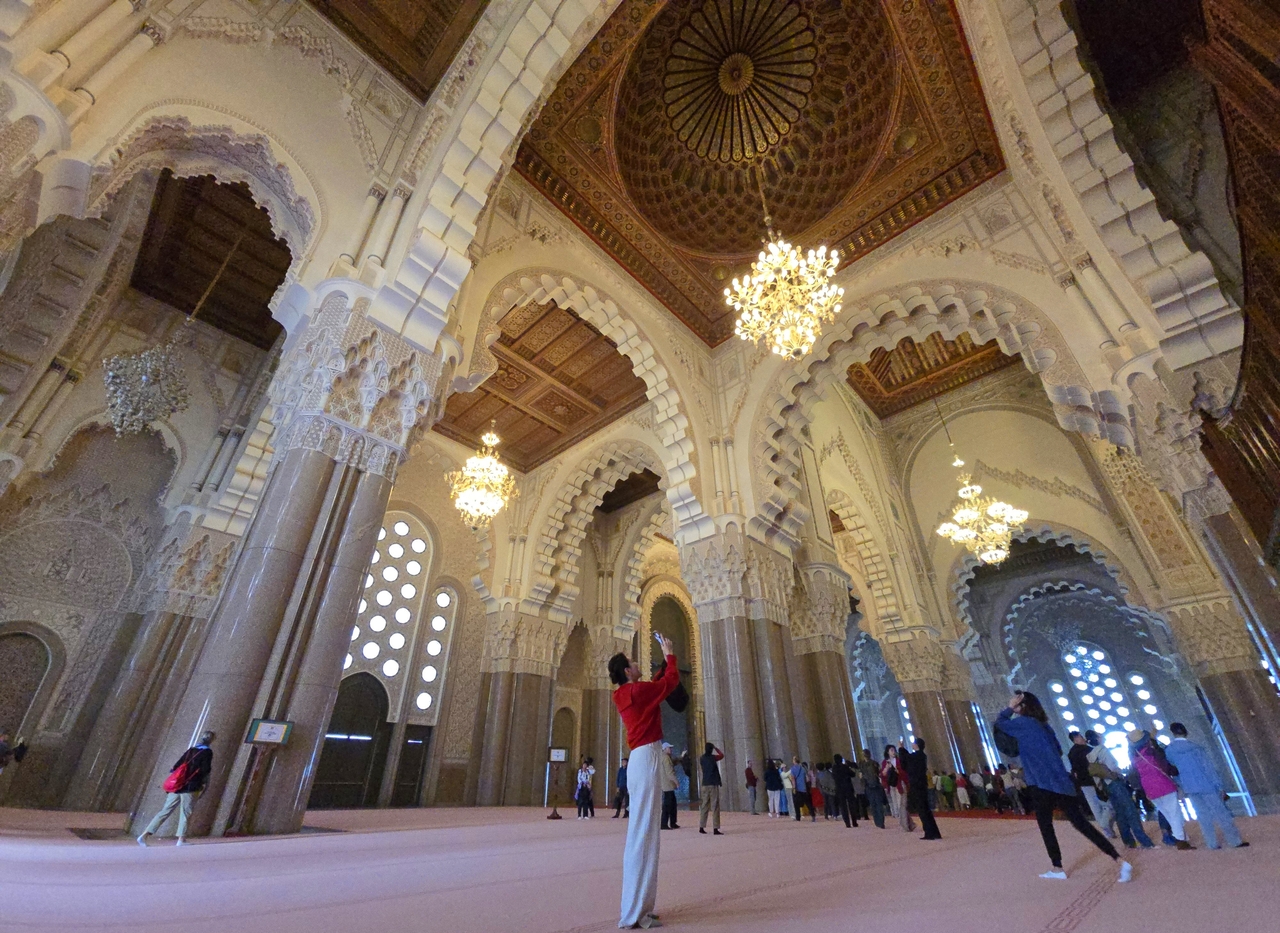
Hassan II Mosque, a masterpiece crafted by hand by 6,000 artisans
Romantic Atlantic cafes and water sports line the coastal promenade

In the 1940s, Casablanca, Morocco, was a place where the joys and sorrows of every race on earth converged — a city of staggering human complexity.
With World War II raging, waves of Europeans fled the fighting and poured into Morocco, a country bordering both the Atlantic Ocean and the Mediterranean Sea, just 15 kilometers across the water from southern Spain.
Casablanca drew the largest share of those arrivals. With a population roughly three times that of any other major Moroccan city, it became a magnet for foreigners from around the world. French leaders who had lost Paris to the Nazi advance retreated to Morocco — their own colony — and proceeded, awkwardly, to act as masters in a land where they were now refugees.
Those who had come to Morocco earlier to do business found themselves forging new relationships with compatriots driven out by the war. Diplomats, intelligence agents and Resistance fighters operated in the shadows, each pursuing their own clandestine agendas.
There were fleeting romances — and betrayals — between European mercenaries on strategic retreat and local women from the kasbah, the fortified old-town quarters of northwestern Africa (a theme that inspired the song "Woman of the Kasbah," popular in both Korea and Japan). French contempt for and exploitation of colonial Morocco, and the resistance of Moroccans and Algerians alike, played out against this already crowded backdrop.
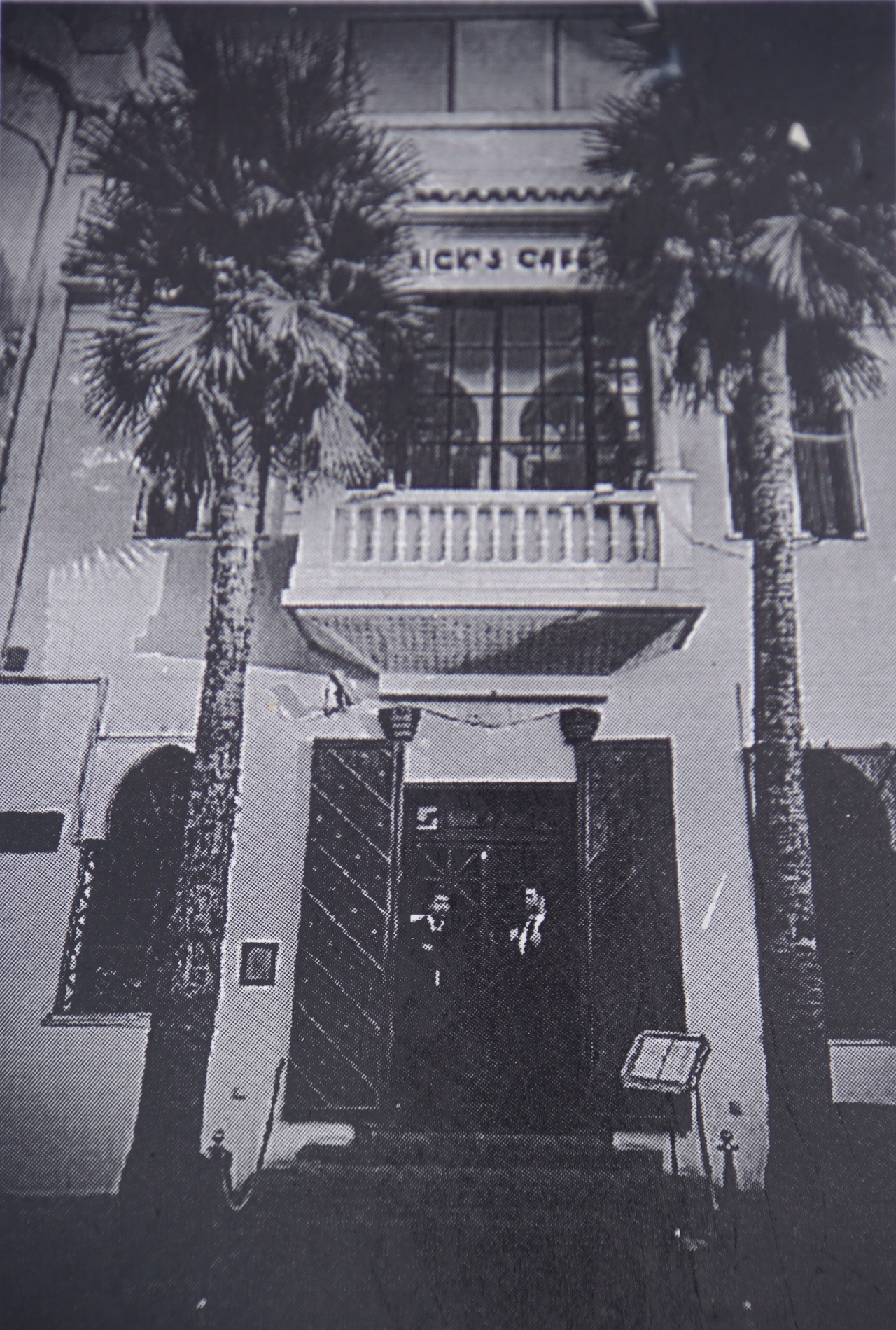
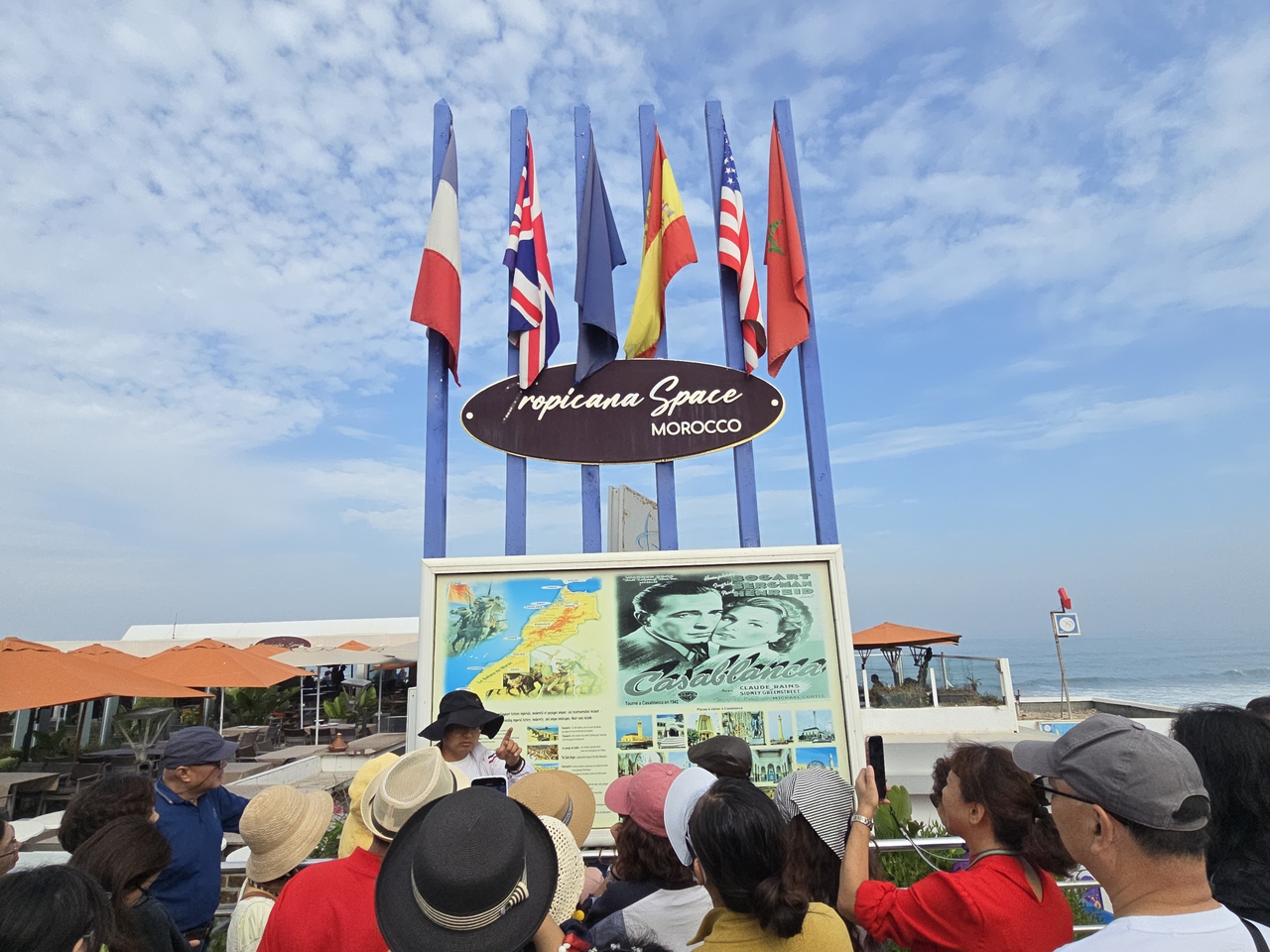
Rick's Cafe: the Hollywood set brought to life
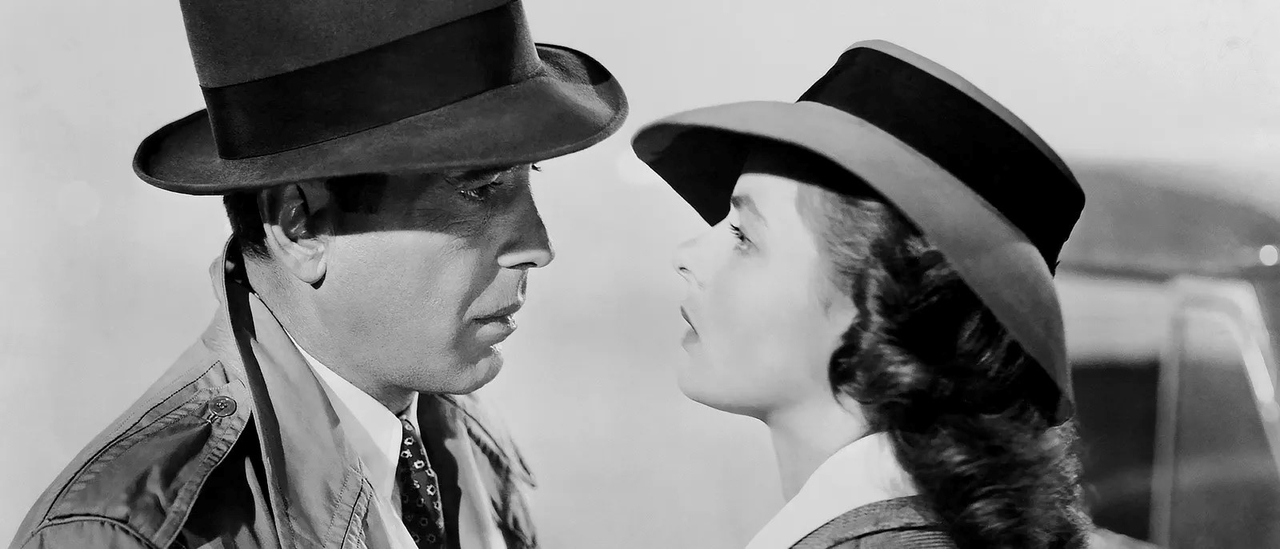
Rick's Candlelit Cafe — named after the male lead of "Casablanca" (1942) — is portrayed in the film as a place where the full spectrum of 1940s life unfolds at once: Moroccans, Arabs, French and other Europeans, Americans who loved Morocco more than almost anyone (Morocco was the first country to recognize the United States as an independent nation), Muslims, Jews and Christians all sharing the same space.
The film follows a man running a cafe in Casablanca after a love affair in France ends in separation. When the woman he loved reappears — now married — his feelings reignite, yet he ultimately helps her husband, a Resistance fighter and his romantic rival, complete a political mission, choosing her happiness over his own.
The 1982 pop song "Casablanca" opens with the line "I fell in love with you watching Casablanca" — a lyric that, from the perspective of the former girlfriend played by Ingrid Bergman, might prompt a wry thought: so it wasn't really me? The song seems to use the romance of a tourist destination as a convenient alibi for a love that was always going to be difficult.
Bertie Higgins, who was not yet born when the film was made, wrote the song years later after watching it and recalling a love it stirred in him.
In reality, the entire film was shot on a Hollywood set in Los Angeles. Morocco's tourism authorities have since recreated Rick's Cafe at a crossroads near the Soeurs Diouri building in Casablanca, where the atmosphere of the nearby port is keenly felt.
The cafe sits to the east of the Hassan II Mosque. To the west, near the lighthouse along the coastal road, a "Casablanca" film monument draws a queue of tourists eager for a commemorative photo.
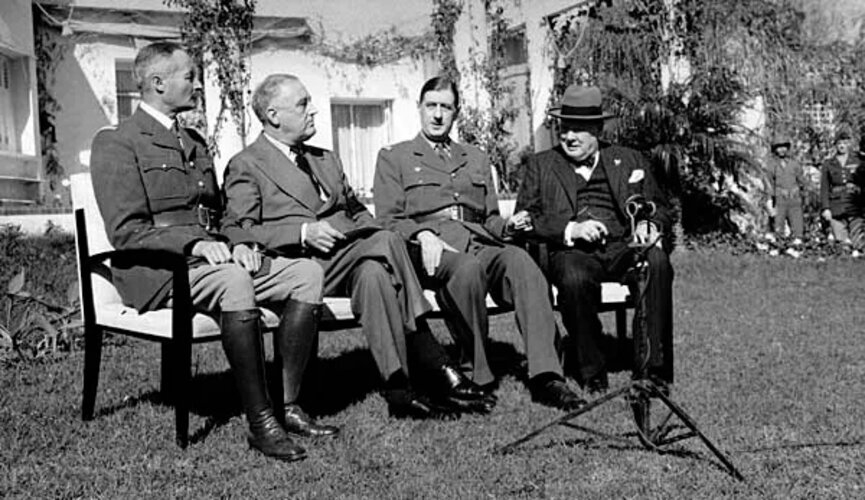
The Casablanca Conference — and what it might have meant for Korea and Morocco
A year after the film's release, in January 1943, Casablanca drew the world's attention again when the leaders of the Allied powers — US President Franklin D. Roosevelt, British Prime Minister Winston Churchill, French General Charles de Gaulle and the commander of Allied forces in Morocco, Gen. Henri Giraud — gathered there for a peace conference. They resolved to punish the Axis powers, demanding the unconditional surrender of Germany, Italy and Japan and the restoration of occupied territories.
Roosevelt, who had little affection for de Gaulle, backed Giraud for leadership of the Allied effort, but the push failed. Had Morocco's commander held the key to ending the war as Washington had hoped, Morocco's standing in the postwar world might have looked very different.
France, wary of a strong Morocco, dragged its feet on granting independence despite international criticism, finally signing off only in 1956. The delay contributed to Morocco's separation from — and lasting tensions with — neighboring Algeria and other communities that had once shared a common identity.
The Casablanca Conference gave the Korean Empire hope for full independence, including the Gando region. Two years later, however, at the Yalta Conference near the Crimean Peninsula in February 1945, the Allied powers deferred to the Soviet Union and ultimately imposed a division of the Korean Peninsula.
Even so, Casablanca holds a warm place in Korean hearts — as the city where a conference once offered Korea the promise of wholeness, and as a sister city of Busan.
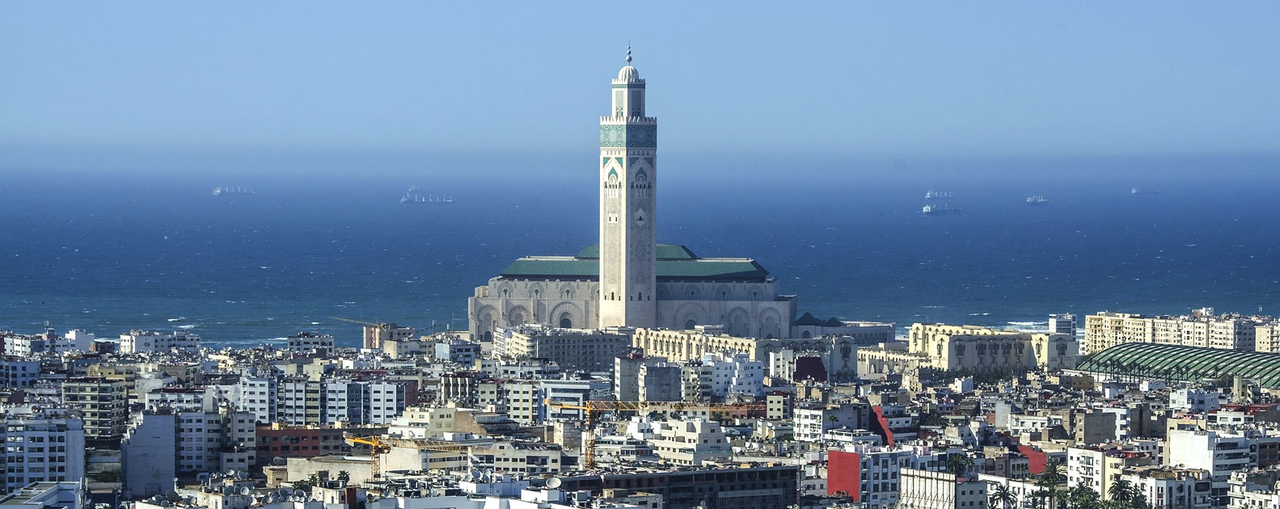
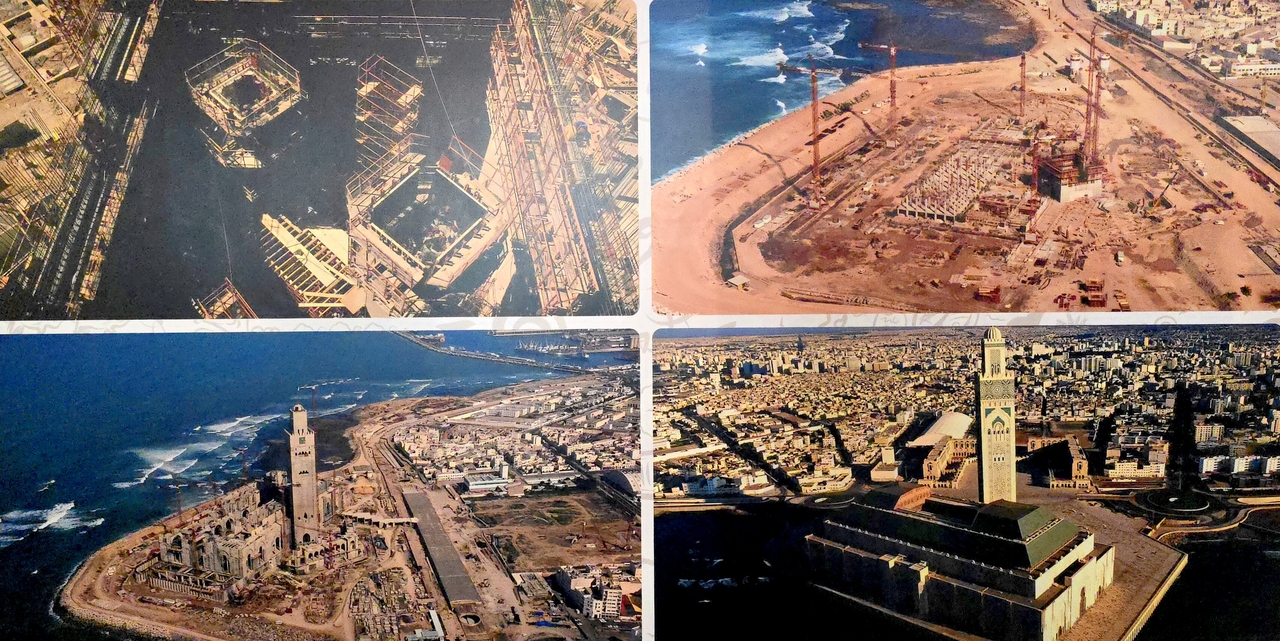
Lee Mu-jin and Kim Dae-ho marvel at Moroccan food and the Hassan II Mosque
Popular singer Lee Mu-jin joined the travel variety show "Widaehan Guide" (MBC Every1) alongside Park Myung-su, Kim Dae-ho and others for a trip through Morocco. Lee scraped a tajine dish so clean the bottom gleamed, and spent a tram ride through Casablanca gazing out the window in open admiration of the Hassan II Mosque and the city around it.
"Casa" means house and "blanca" — a word also used for white wine — means white, so the city is a sea of white buildings. Only the mosques break the palette with the sacred green of Islam. The local Amazigh name for the city is "Dar al-Baida," which also means white house.
Casablanca traces its origins to Anfa, a settlement founded by the Berber kingdom of Barghawata in the 8th century. Today, with a population of about 3.3 million, the city's top draws are the Hassan II Mosque, a coastal promenade lined with romantic cafes and lively water-sports shops, and Rick's Cafe.
Visitors arrive at Mohammed V International Airport — where actor Jack Nicholson once served as a US military firefighter — and from virtually anywhere in Casablanca, the Hassan II Mosque dominates the skyline.
The mosque stands on a promontory jutting into the sea just west of Rick's Cafe. Completed in 1993, it draws on the full range of Morocco's traditional and contemporary architectural techniques, conceived around the idea of God's dominion over the sea.
Moroccan artisans who placed God upon the sea
The plaza at the entrance was originally dry land, but the mosque itself — including some reclaimed ground — extends about two-thirds of the way out over the water. Viewed from the shore, more than half the structure appears to float above the sea.
Seven years in the making, the mosque was built on pillars sunk into the seabed in accordance with the Islamic tradition that God's throne rests upon the water. Its minaret, at 210 meters, is the second tallest in the world, and the mosque can accommodate 105,000 worshippers at once, making it the largest Muslim house of worship on earth.
Setting aside the underwater foundation work and land reclamation, the main construction took five years. Some 6,000 traditional artisans worked entirely by hand to realize the classic Islamic and Moroccan aesthetic — laying zellige mosaic tiles, carving woodwork and sculpting plaster.
The roof opens and closes electronically, letting in natural sunlight on clear days and revealing the night sky after dark. The structure was built with specialized high-strength concrete designed to withstand earthquakes and powerful winds — cutting-edge engineering for its time.
By welcoming non-Muslims through its doors, the mosque embodies Morocco's spirit of openness as a crossroads linking the Atlantic and the Mediterranean, Europe, Africa and Asia.
abc@heraldcorp.com