Electronic devices detected at college entrance exam; President Lee Jae-myung orders full reform of national testing system
As cheating scandals involving generative AI and miniaturized smart devices spread from the College Scholastic Ability Test to professional licensing exams, the government is moving to strengthen anti-cheating guidelines and overhaul its comprehensive countermeasures for civil service examinations.
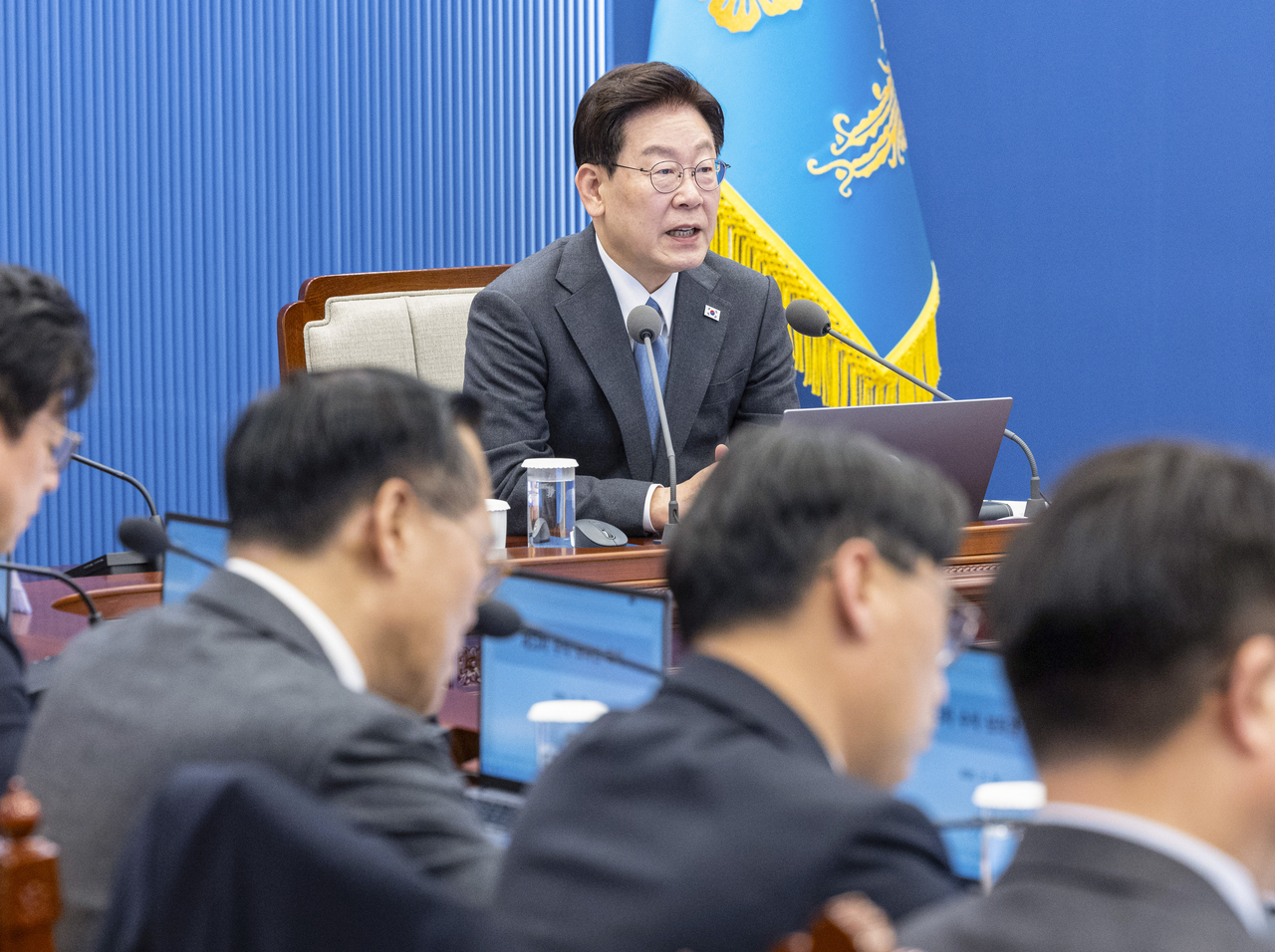
The push has gained particular urgency after President Lee Jae-myung personally ordered a full-scale reform of the national examination system, signaling that pan-government action is now underway in earnest.
South Korea's Ministry of Interior and Safety, the Ministry of Personnel Management and local governments said Saturday that relevant ministries have agreed to develop joint response guidelines and comprehensively revise existing countermeasures to root out AI- and technology-assisted cheating in next year's open competitive civil service recruitment exams.
The move follows a cascade of cheating controversies: a top-scoring candidate on the tax accountant exam confessed to using generative AI, suspicions of cheating emerged at the CSAT, and a post appeared in an online community claiming the author had passed the Grade 9 civil service exam through AI-assisted cheating. Together, these incidents have fueled growing public distrust in the fairness of national examinations.
The Ministry of Personnel Management has referred the online post to investigative authorities to determine its authenticity and pursue appropriate action.
President Lee addressed the issue directly at a senior secretaries meeting at Cheong Wa Dae on Friday, saying, "Recent allegations of cheating using AI and smart devices at the CSAT and various licensing exams are seriously undermining fairness and trust — the core values of our society." He ordered officials to "treat this matter with the utmost gravity, make an example of those responsible, and swiftly draw up a comprehensive plan to overhaul the entire national examination system and eradicate cheating that exploits advanced technology."
With the president's strong resolve now on record, the Ministry of Education, the Ministry of Personnel Management and the Ministry of Interior and Safety are expected to accelerate their response considerably.
Some local governments have already moved quickly to tighten on-site supervision.
Gyeonggi Province piloted an "AI cheating response manual" starting with its second open competitive recruitment exam for 2026, held Oct. 31. On exam day, proctors conducted a full inspection of every test-taker's glasses, checking both lenses and the frame arms for concealed devices.
Clothing items such as sleeves, earplugs and hats were also carefully examined to prevent the concealment of micro-cameras or wireless earpieces. Gyeonggi Province plans to maintain the enhanced inspection guidelines for next year's exams and is also considering a pilot program to rent and deploy metal detectors at exam venues, taking cost efficiency into account.
The government plans to keep the detailed response guidelines and device-detection procedures strictly confidential once developed.
Officials said that if specific enforcement methods or detection equipment standards were made public, would-be cheaters could exploit them to devise even more sophisticated techniques to circumvent detection.
"As cheating methods grow more sophisticated in step with technological advances, we will build a tight verification system that blocks prohibited devices at the point of entry — not just catches cheaters after the fact," a government official said.
thlee@heraldcorp.com