Land ministry's response aligns with Seocho-gu's existing legal interpretation that the levy imposition period cannot be reset; district expresses regret over lack of response to petition signed by more than 8,000 residents and vows to minimize burden through reduction provisions
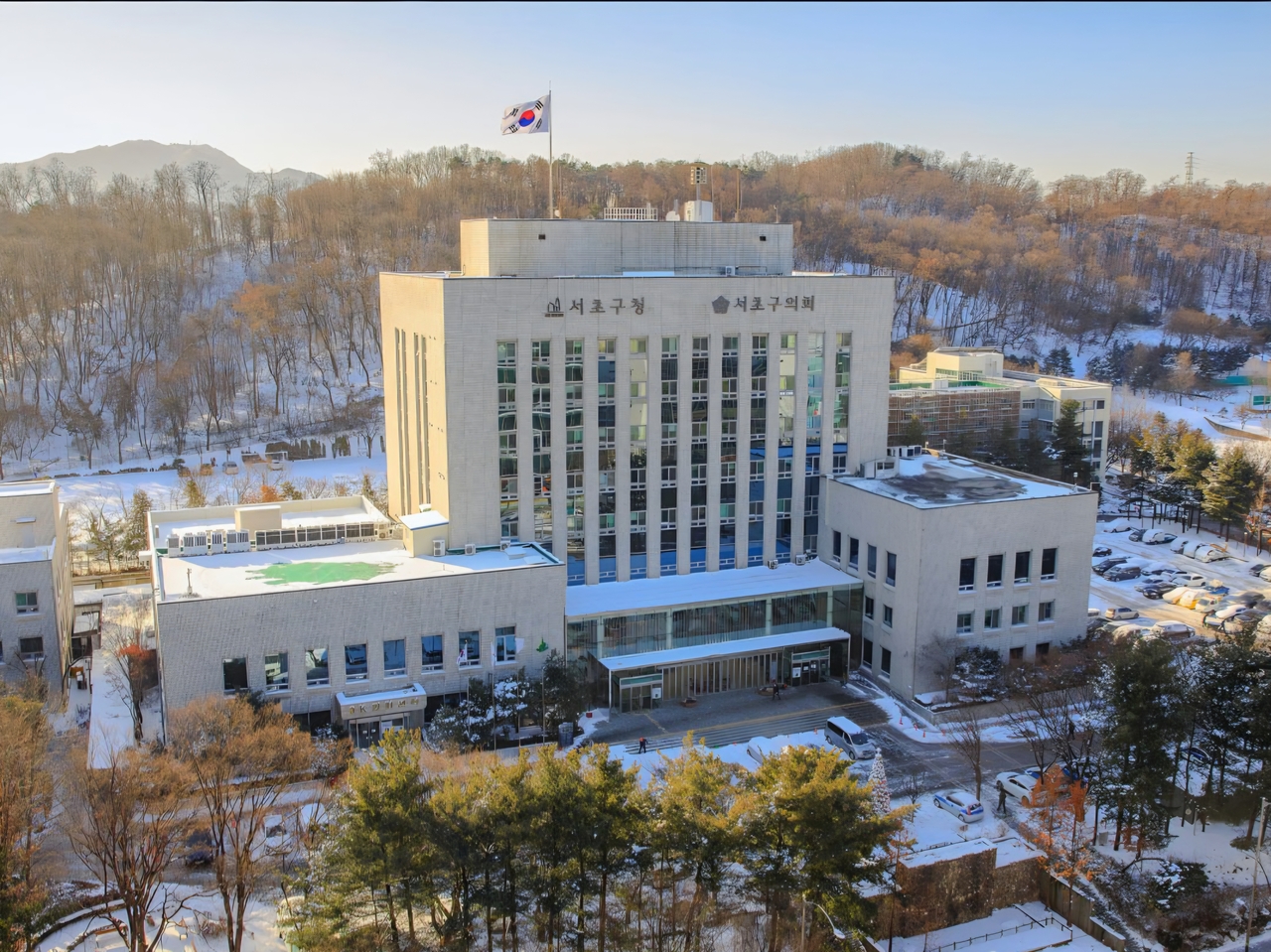
Seoul's Seocho-gu expressed regret over the Ministry of Land, Infrastructure and Transport's legal interpretation of the deadline for imposing reconstruction levies and renewed its call for the system to be abolished.
The district said the ministry's official response aligned with its own existing legal interpretation — that the exclusion period for levy imposition cannot be newly set — but added that it found it difficult to accept that the ministry had provided no separate response to a petition submitted by more than 8,000 residents.
At the center of the dispute is the Banpo Hyundai reconstruction project site. The project had been proceeding on the understanding, based on a review of relevant laws, that the deadline for imposing reconstruction levies was 2026. Reports that the ministry had recently interpreted the deadline as extendable to 2029 fueled anxiety among residents and caused confusion at the site.
In response, Seocho-gu submitted an official inquiry to the ministry to clarify the legal interpretation and resolve resident confusion.
In its reply, the ministry said Article 3 of the supplementary provisions of the amended law constitutes a special procedural deadline allowing the revised levy standards to be applied even to project sites where levy decisions and imposition had been put on hold. Resetting the starting point of the exclusion period to the date the amended law took effect would go beyond the scope of the statutory language, the ministry said.
That position is consistent with Seocho-gu's existing interpretation that the exclusion period for levy imposition does not restart from scratch.
However, the district expressed disappointment over the way the ministry presented its findings — first summarizing Seocho-gu's existing interpretation before stating that it had "reached the same conclusion as Seocho-gu." Given that the matter directly affects residents' property rights, the district said the competent ministry should have clearly explained its own independent legal review and taken clear responsibility for its conclusion.
The district also took issue with the ministry's failure to provide any separate response or explanation to the petition submitted directly by more than 8,000 residents.
Seocho-gu said it would maintain its position that the reconstruction levy system should be abolished outright, while continuing to follow relevant laws and official interpretations in carrying out administrative procedures for as long as the current system remains in place. The district also plans to closely review reduction provisions and related materials to minimize the burden on residents, and to continue urging the central government and the National Assembly to reform or abolish the system.
"The reconstruction levy system should be abolished, as it suppresses housing supply and places an excessive burden on residents," Seocho-gu District Mayor Jeon Seong-su said. "It is deeply regrettable that residents first had to endure confusion and uncertainty due to the ministry's ambiguous stance, and that the petition submitted directly by those residents received no response whatsoever."
"For as long as the system remains in place, we will explore every possible measure to ease the burden on residents even slightly, and we will continue our efforts to have the system abolished," Jeon said.
seouldream01@heraldcorp.com