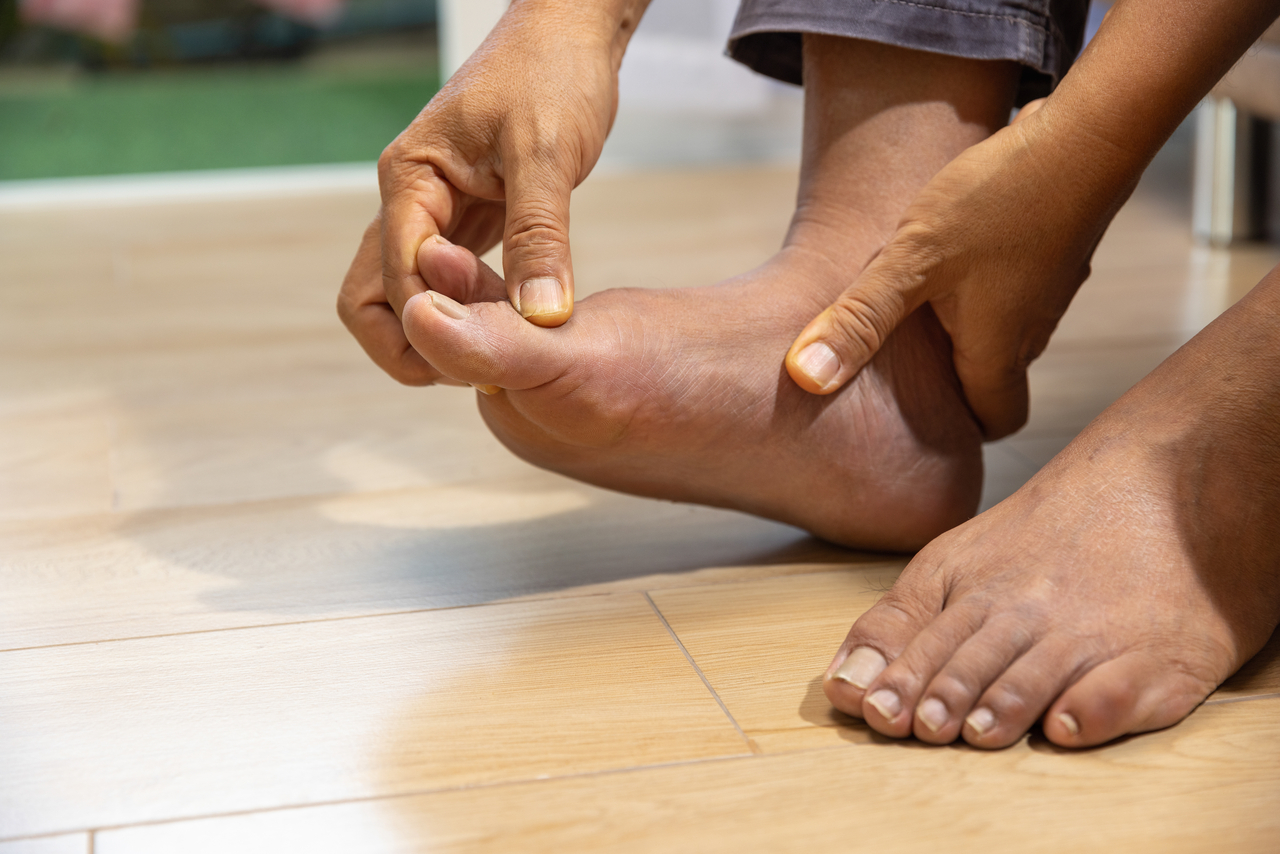
Sudden joint pain can strike during periods of frequent social gatherings and drinking. When the big toe joint turns red and swollen — and even the lightest touch of a blanket causes sharp pain — gout may be the culprit. Although the pain often subsides over several days, the disappearance of symptoms does not mean the condition itself has resolved, and ongoing management is essential.
Gout develops when an excess buildup of uric acid in the blood forms urate crystals that deposit in joints and surrounding tissue, triggering an inflammatory response that causes pain and swelling. The big toe joint is the most common site, but the condition can also affect the ankles, knees, wrists and elbows.
However, elevated blood uric acid levels do not automatically mean a diagnosis of gout. Hyperuricemia — the term for a high uric acid state — must be distinguished from gout itself, and many people with elevated uric acid never experience an actual gout attack. Conversely, uric acid concentrations can temporarily drop into the normal range during an acute gout attack. Diagnosis should therefore rely on a comprehensive assessment of symptoms and clinical findings rather than blood test results alone.
When gout is suspected but the diagnosis is unclear, joint fluid analysis, ultrasound or dual-energy CT can confirm the presence of urate crystals. When a joint suddenly becomes red and swollen and is accompanied by severe pain and fever, infectious arthritis must also be ruled out.
Attention to hyperuricemia has been growing not only among middle-aged and older adults but also among younger people. Irregular eating habits, frequent alcohol consumption and obesity are among the factors that can affect uric acid levels. Because a significant portion of uric acid is excreted through the kidneys, blood concentrations can rise when kidney function declines or when metabolic abnormalities such as insulin resistance are present.
Gout patients not infrequently have coexisting conditions such as obesity, hypertension, dyslipidemia, diabetes, chronic kidney disease and fatty liver. However, elevated uric acid alone cannot be identified as the direct cause of these conditions. What matters is that when gout or hyperuricemia is confirmed, clinicians assess overall metabolic health by examining not only joint symptoms but also blood pressure, blood sugar, lipid levels, body weight and kidney function.
Treatment decisions take into account whether gout attacks have occurred, how often they recur, the degree of joint damage and any accompanying conditions. Asymptomatic hyperuricemia without gout attacks or tophi is generally not treated with medication across the board. When attacks recur or tophi and joint damage are confirmed, however, urate-lowering therapy should be considered.
Once urate-lowering therapy begins, the general target is to reduce and maintain blood uric acid concentrations below 6 mg/dL. Sustained management of uric acid levels helps gradually dissolve urate crystals deposited in joints and surrounding tissue, reducing the risk of recurrence. In the early stages of treatment, attacks can occur as uric acid concentrations shift, so prophylactic anti-inflammatory treatment may be added for a period depending on the patient's condition.
Stopping medication on one's own because pain has disappeared or uric acid levels have reached the target range is not advisable. Gout is a condition with a risk of recurrence, and many patients require long-term uric acid management. When selecting a urate-lowering agent, kidney function, cardiovascular disease status and any other medications being taken must also be considered.
Lifestyle management is equally important. Avoiding excessive alcohol and reducing intake of high-purine foods such as organ meats and fructose-rich beverages can help. For those who are overweight or obese, appropriate weight loss combined with regular physical activity is recommended. However, when recurrent gout attacks or tophi are present, dietary changes alone may not be sufficient to control uric acid adequately, and necessary drug treatment should not be delayed.

Bae Ji-hoon, vice director and endocrinology specialist at Myeongjindan Radiology and Internal Medicine Clinic, said managing gout requires more than controlling the acute joint pain of an attack. "It is important to maintain appropriate uric acid levels and manage any accompanying metabolic conditions together," Bae said. "Particularly when conditions such as obesity, hypertension, diabetes or dyslipidemia are present, a comprehensive check of blood sugar, lipid levels and kidney function is necessary."
kty@heraldcorp.com