A Spanish-style mansion in Shinjuku, Tokyo, will mark its 100th anniversary next year. Once the private residence of a count, Ogasawara Hakushaku-tei — the Ogasawara Count's Mansion — fell into disrepair after serving as a public facility in the postwar years. Following restoration, it now operates as a Spanish restaurant, a cafe and a wedding venue.
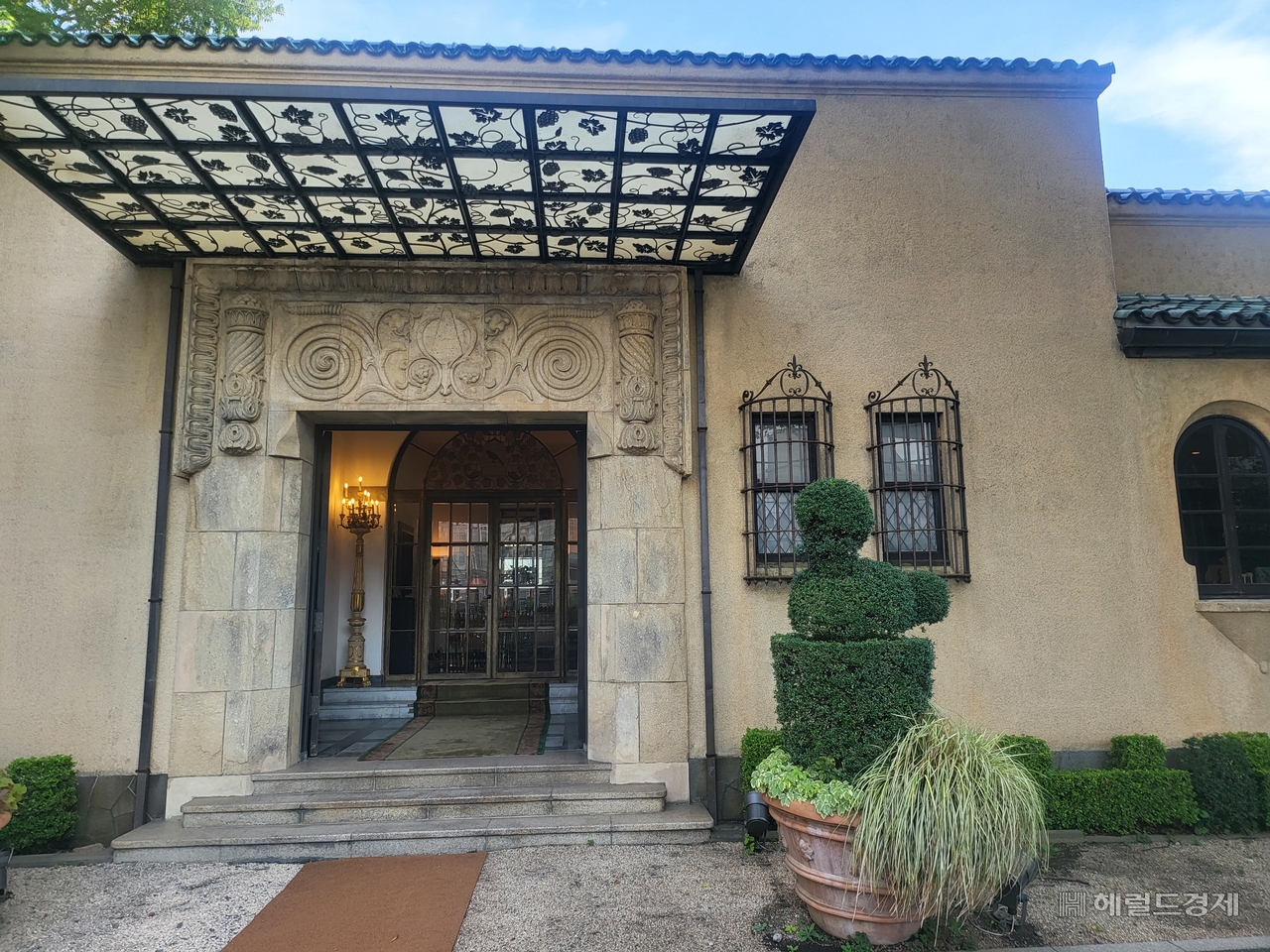
The mansion, located in Kawadacho, Shinjuku-ku, Tokyo, was built in 1927 as the residence of Count Ogasawara Nagayoshi. It was designed by the Sone and Chujo architectural firm. A roughly one-minute walk from the Kawada exit of Wakamatsu-Kawada Station on the Toei Oedo Line, the site offers a rare encounter with modern Japanese residential architecture in the heart of the city.
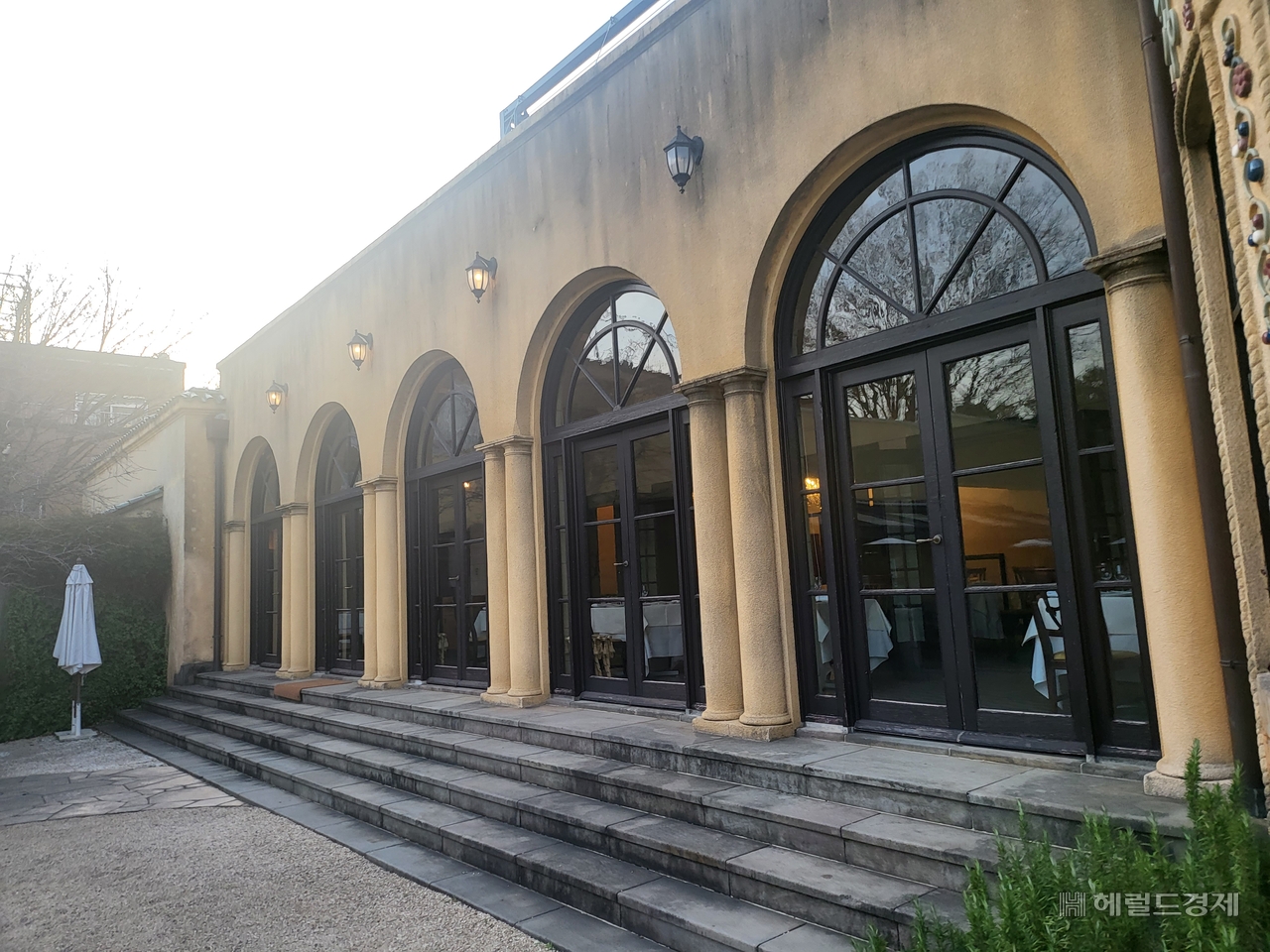
The building is distinguished by its exterior of Spanish-style roof tiles and decorative tilework. Inside, a lobby with stained-glass ceiling panels leads into a gallery corridor and lounge. Particularly striking is the former smoking room, decorated in an Islamic style, with marble mosaic tile flooring and painted plaster-carved walls that speak to the mansion's once-elaborate interior craftsmanship.
The mansion's history mirrors the broader transformation of postwar Tokyo. US forces requisitioned the property in 1948, and after the requisition was lifted, the Tokyo Metropolitan Government purchased it in 1952. It served as a child consultation center from the following year until 1975, when the center relocated due to the building's deteriorating condition. Discussions over how to preserve and repurpose the structure continued for years afterward.
The turning point came with private-sector involvement. The metropolitan government solicited operators, leasing the building on the condition that the selected party carry out and fund the restoration work. The mansion reopened in 2002 as the Ogasawara Hakushaku-tei restaurant and was designated a Tokyo Metropolitan Historical Building in 2004 — a case study in preserving a structure's cultural value while giving it new life.
The restaurant currently operates by reservation and serves Spanish cuisine. A separate OGA BAR offers seasonal cakes, baked goods, coffee, tea, Spanish wine and tapas. The mansion and its garden are also available for weddings and private gatherings. What was once the count's private quarters has since expanded into a space for dining and social exchange.
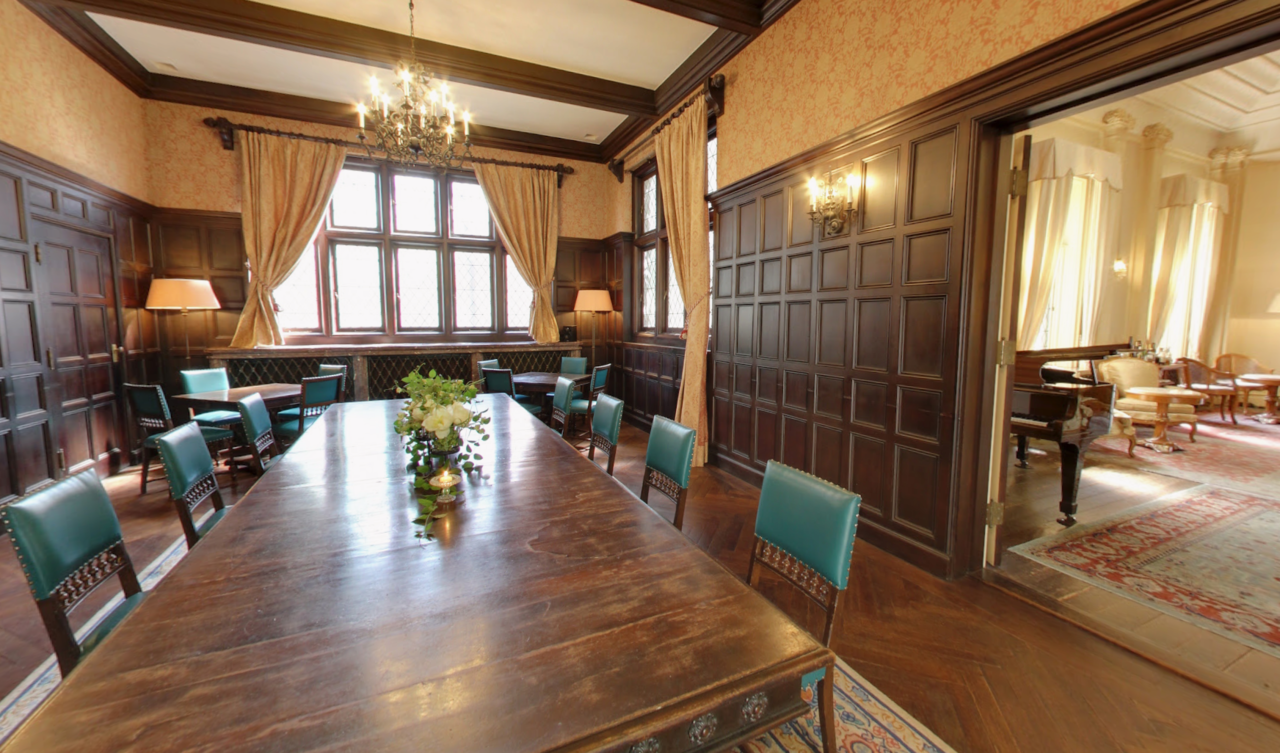
Visitors should note that access differs from a typical museum. Interior viewing is available only to restaurant or cafe patrons and may be restricted depending on private events or venue bookings. While the cafe accepts walk-in visitors, available viewing dates and hours should be confirmed before making the trip.
sjkim@heraldcorp.com