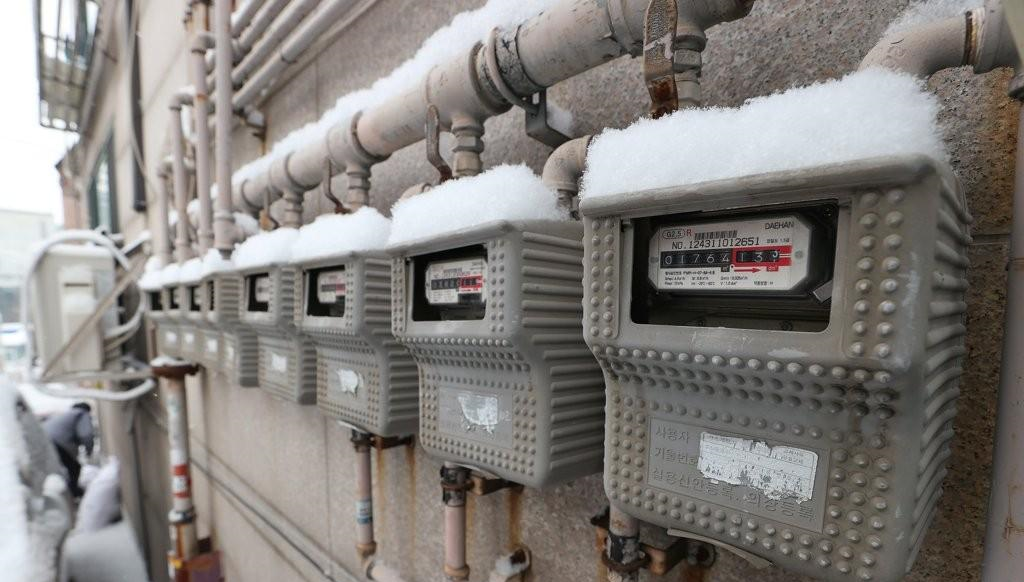
Kyung Dong Navien, Kiturami: turn down the thermostat 1–3 degrees before heading out
Well-insulated homes suit indoor-temperature mode; drafty homes suit ondol mode
Close valves in unused rooms — and hot-water habits affect gas bills too
Winter is arriving fast, with morning temperatures dropping below freezing — and with it, growing anxiety over heating bills. South Korea's two leading boiler manufacturers shared their tips for cutting heating costs this winter. Both recommend slightly lowering the temperature setting when leaving home for the day, and using away mode only when the home will be empty for at least a full day. For winter ventilation, they say opening windows wide for a short burst is more energy-efficient than cracking them open for extended periods.
Don't switch the boiler off before work — just turn it down 1–3 degrees
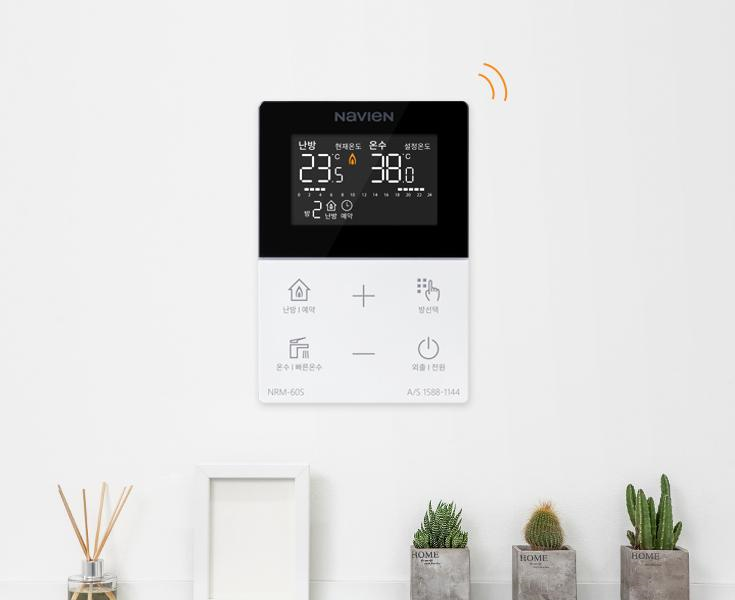
Kyung Dong Navien and Kiturami said Thursday that when leaving home for the day — for work or school — it is better to lower the temperature setting slightly rather than turning the boiler off entirely. Kyung Dong Navien recommends dropping the setting by 1–2 degrees Celsius; Kiturami suggests 2–3 degrees. For a household that normally keeps the indoor temperature at 23 degrees, that means setting it to 20–22 degrees before heading out.
The reason to adjust rather than switch off is the substantial energy required to reheat a cold home. "If the indoor temperature drops too low, it takes a long time to bring it back up, and the process can end up consuming even more energy," Kyung Dong Navien said.
On when to use away mode, the two companies offered different guidance. Kyung Dong Navien recommends switching to away mode when the home will be empty for a week or more, while Kiturami suggests doing so after just one day away. Away mode typically keeps the indoor temperature at around 8 degrees Celsius, preventing frozen pipes and excessive heat loss.
Turning the boiler off for an extended period, however, chills not only the air but also the floors and walls, and reheating the home after returning can take considerable time. Factoring in the energy needed to warm everything back up, using away mode during longer absences is the more cost-effective approach — though actual energy consumption varies depending on a home's insulation, the length of the absence, and outdoor temperatures.
Newer homes: indoor-temperature mode. Older, drafty homes: ondol mode?
Understanding the difference between the "indoor temperature" and "ondol" modes on a boiler thermostat also matters. Indoor-temperature mode runs the boiler based on the air temperature the thermostat detects. Ondol mode operates based on the temperature of the water circulating through the underfloor heating pipes.
Both Kyung Dong Navien and Kiturami recommend indoor-temperature mode for well-insulated homes and ondol mode for homes prone to drafts. In a drafty home, indoor-temperature mode can keep the boiler running even when the floor is already warm enough, because cold air near windows or entryways tricks the thermostat. The same problem can occur when the thermostat is installed near a front door or window.
Scheduled heating does not cut costs in every home, either. "For well-insulated homes, maintaining a steady temperature is the better approach," Kiturami said. "Homes with significant drafts or those that rely mainly on underfloor heating may benefit from scheduled heating."
Lowering indoor temperature by 1 degree cuts energy use by 7%
The Korea Energy Agency recommends keeping indoor heating at 20 degrees Celsius during winter. Dropping the indoor temperature by 1 degree can reduce energy consumption by about 7 percent, though actual savings vary depending on outdoor temperatures and a home's insulation. Households with infants, young children, or elderly residents should also factor in the health needs of family members.
Preventing heat from escaping is equally important. Attaching insulating bubble wrap to windows and installing draft excluders around window frames and front doors are among the most common measures. During the day, opening curtains to let in sunlight helps warm the home naturally; after sunset, thick curtains can reduce heat loss through the glass.
For winter ventilation, opening multiple windows wide for a short period — about 5 to 10 minutes, as the Korea Energy Agency recommends — saves more energy than leaving windows slightly ajar for a long time.
Close valves in unused rooms — and check the pipes
In homes where children have moved out or where several rooms go unused, closing the heating valves to those rooms can also lower heating costs. Reducing the flow of hot water to unoccupied rooms through the heating manifold cuts unnecessary energy use.
Closing multiple valves at once, however, should be avoided. "If the heating water cannot circulate properly, the boiler may overheat or shut down," Kiturami said. During cold snaps, there is also a risk of pipes freezing in unheated spaces.
If the floor takes unusually long to warm up after the boiler starts, or if temperatures vary noticeably from room to room, the heating pipes and filter should be inspected. Rust or sediment buildup inside the pipes can impede water circulation and reduce heating efficiency.
Replacing an aging boiler with a condensing model is another way to cut heating costs. Condensing boilers recover heat from exhaust gases that conventional boilers vent outside, recycling it for heating and improving overall energy efficiency.
hong@heraldcorp.com