Hanssem's Q3 operating profit plunges 76%
Hyundai Livart Furniture posts 900 million won operating loss
Bed makers also record weak results
Seoul apartment transactions fall 42%; Q4 recovery uncertain
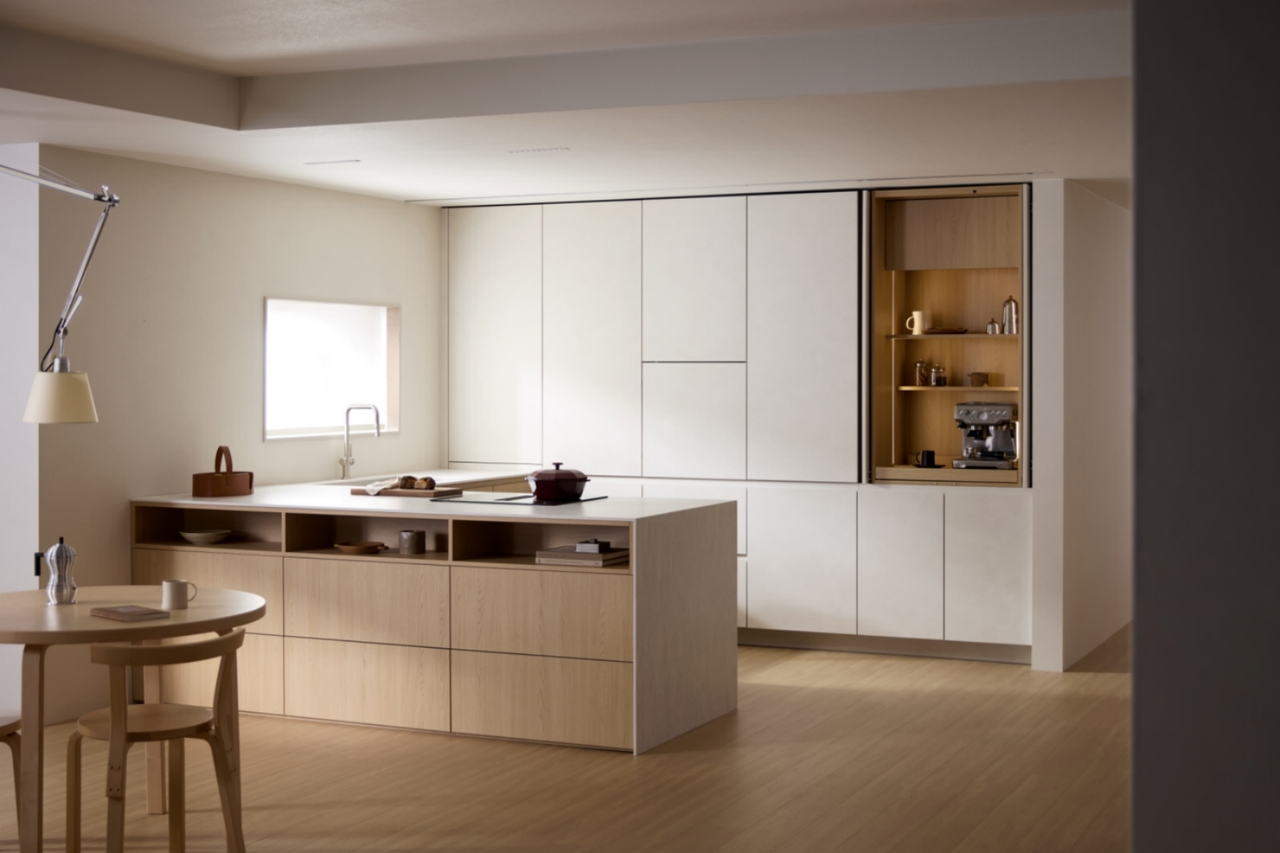
A slowdown in real estate transactions has sent a chill through the furniture industry's earnings. Falling housing sales have dampened demand for moving and interior renovation, while rising raw material costs have added further pressure, eroding profitability in the third quarter. Industry insiders say a housing market recovery remains distant, making an earnings rebound unlikely in the fourth quarter as well.
According to disclosures filed with the Financial Supervisory Service's DART system Thursday, Hanssem posted consolidated sales of 357.6 billion won ($267 million) in the third quarter, down 19 percent from the same period last year. Operating profit plunged 76.5 percent to 1.6 billion won. The results were weighed down by weakening demand for furniture and interior products amid declining housing transactions, higher raw material costs, and one-time expenses incurred during a business restructuring.
Hyundai Livart Furniture swung to a loss in the third quarter. Consolidated sales fell 2.1 percent year-on-year to 333.6 billion won, while the company recorded an operating loss of 900 million won — a reversal from the 3.7 billion won operating profit it posted in the same period last year. A drop in built-in furniture orders for apartments and other residential buildings, driven by the construction sector's downturn, weighed on results.
Shinsegae Caasa, by contrast, held up relatively well. Third-quarter sales rose 85 percent year-on-year to 118.2 billion won, and operating profit came in at 900 million won, turning around from a 400 million won operating loss in the same period last year. However, the figures reflect the consolidation of the JAJU lifestyle goods brand, which the company acquired this year, making it difficult to attribute the improvement solely to growth in its core furniture business.
Shinsegae Caasa is working to broaden its customer base by strengthening its flagship "Campo" sofa line and expanding its online-exclusive product offerings. Even amid sluggish industrywide demand, the divergence in results across companies reflects differences in portfolio strategy and sales approach.
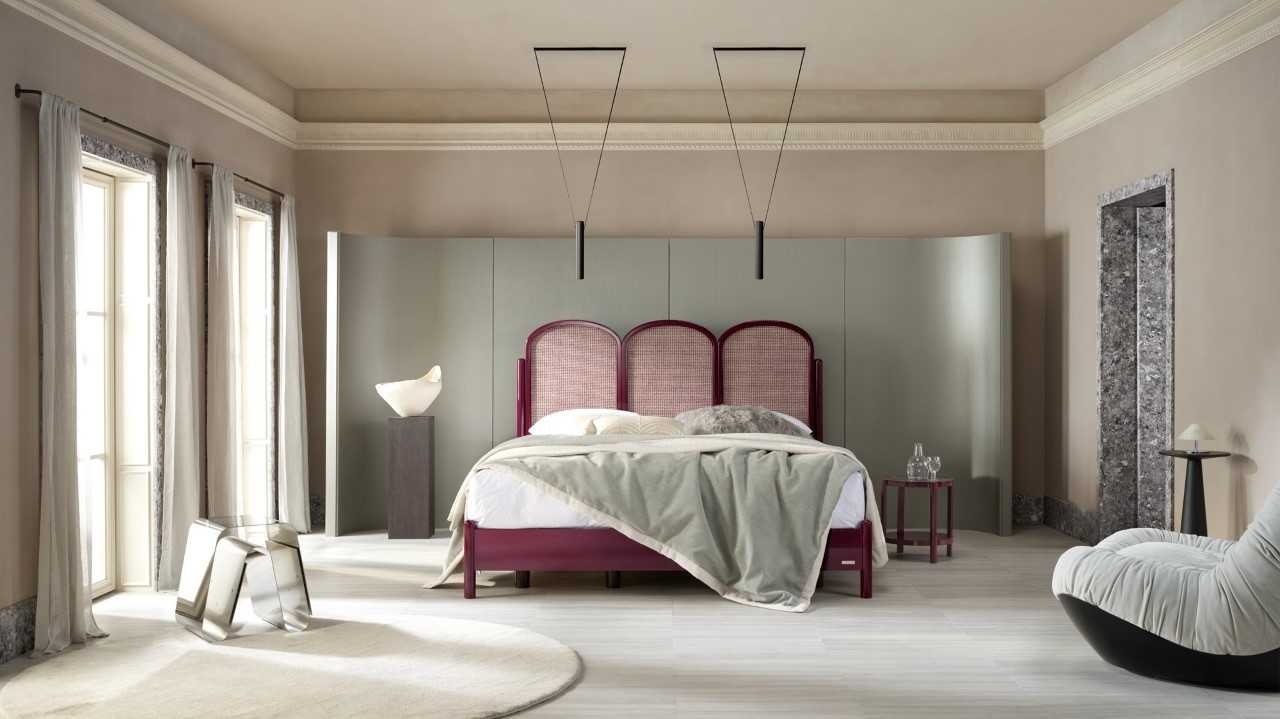
Bed makers have also seen profitability deteriorate. Ace Bed posted consolidated third-quarter sales of 78.9 billion won, down 1.3 percent from the same period last year. Operating profit fell 20.1 percent to 9.8 billion won. While the revenue decline was modest, the double-digit drop in operating profit signals growing pressure on margins.
The industry's weak earnings trace back to a contraction in housing transactions. Furniture purchases are closely tied to the real estate market, as consumers typically replace furniture when buying a home, moving or setting up a new household. Higher-priced items such as sofas, beds and built-in wardrobes are particularly vulnerable — when moving activity slows, demand for new purchases and replacements tends to contract sharply.
Data from the Ministry of Land, Infrastructure and Transport's September housing statistics bear this out. Nationwide home sales transactions totaled 48,997, down 22.7 percent from the same month last year. Transactions in the Greater Seoul metropolitan area fell 19.2 percent to 25,302, while Seoul saw a 33.4 percent decline to 7,318. Apartment transactions in Seoul were especially hard hit, dropping 42.4 percent year-on-year to 3,915 — a trend analysts say is weighing on any recovery in furniture and interior renovation demand.
"The furniture industry is heavily influenced by the real estate cycle," an industry official said. "Expensive items like furniture and interior fittings are often replaced when people move, but with transactions slowing recently, new demand has dried up and the earnings slump is continuing."
The outlook for the fourth quarter is also clouded. Furniture companies are trying to capture consumer spending through year-end promotions, but observers say there is a limit to how much earnings can improve without a rebound in housing transactions. Premium items such as sofas and beds are especially susceptible, as consumers can easily defer those purchases when the housing market is depressed.
To counter the earnings slump, furniture makers are focusing on cost improvements and operational efficiency. Hanssem is concentrating on boosting profitability through better cost structures and streamlined operations. Hyundai Livart Furniture is also pursuing cost reductions and efficiency gains while looking to expand its business-to-business operations as an additional avenue for securing profitability.
boo@heraldcorp.com