Arrears overdue more than one year surpass 150 million won; lease termination notices quadruple
Nearly 39% of purchase-rental arrears owed by welfare recipients and single-parent households, yet no rent reduction regime exists
Democratic Party lawmaker Kim Young-sang calls for immediate relief measures for subsistence-level debtors
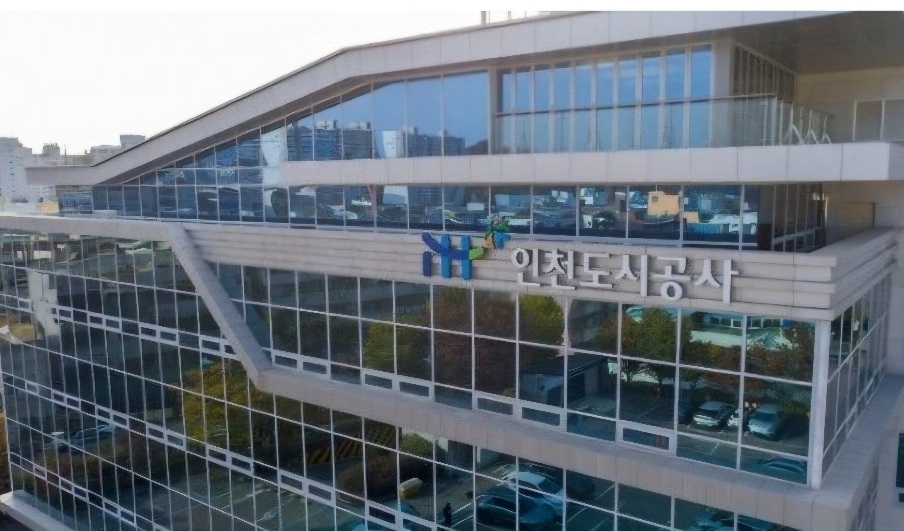
Long-term rent arrears — those overdue by more than one year — at public rental housing managed by Incheon Housing & Community Corporation (iH) have risen every year, according to administrative audit data released Wednesday.
Critics note that a significant share of the households in arrears are welfare recipients and other vulnerable groups, yet iH has no rent reduction system in place for them, deepening what observers describe as a residential blind spot.
Data submitted to Democratic Party of Korea lawmaker Kim Young-sang of the Incheon Metropolitan Council's Urban Construction Committee by iH show that long-term arrears at iH public rental housing jumped from 92.93 million won ($69,400) in 2024 to 132.76 million won in 2025 and reached 156.39 million won as of August this year — a roughly 60 percent increase in just over two years.
The overall arrears rate fell from 8.5 percent in 2022 to 3.3 percent in 2025. Analysts say, however, that the underlying residential crisis has worsened as financially distressed households fall deeper into chronic, entrenched debt.
The surge in long-term arrears has pushed growing numbers of residents to the brink. Lease termination notices issued for non-payment jumped from 14 in 2025 to 59 as of August this year — a more than fourfold increase in less than 12 months.
A central concern is that much of the long-term debt stems not from deliberate evasion but from tenants who simply cannot afford to pay.
Among arrears in purchase-rental housing, basic livelihood recipients accounted for 31.06 percent and single-parent households for 7.76 percent — together reaching 38.82 percent of the total.
Yet the institutional safety net meant to protect these residents is in effect not functioning.
iH currently has no rent reduction system for vulnerable tenants, and emergency support for households in crisis was limited to just four cases totaling 12.32 million won over the past three years.
"Separate from strict management of habitual non-payers, urgent and practical relief measures are needed for vulnerable people driven into subsistence-level arrears," Kim said. "iH should closely investigate how other cities and provinces operate rent reduction programs and develop a support plan suited to Incheon's circumstances."
On this, iH President Ryu Yun-gi said the corporation can pursue eviction proceedings after issuing payment demands, but enforcing them is difficult in practice because most residents are low-income. "We will actively review the introduction of a rent reduction system and how to assess eligibility, in consultation with the relevant Incheon city policy department," Ryu said.
gilbert@heraldcorp.com