New Jersey Assembly Deputy Speaker speaks to The Herald Business
'Build factories in Texas, but put your US headquarters in New Jersey'
'Key to US success is flexibility — localize your HR'
'Midterms sent a message; visa rules will ease'
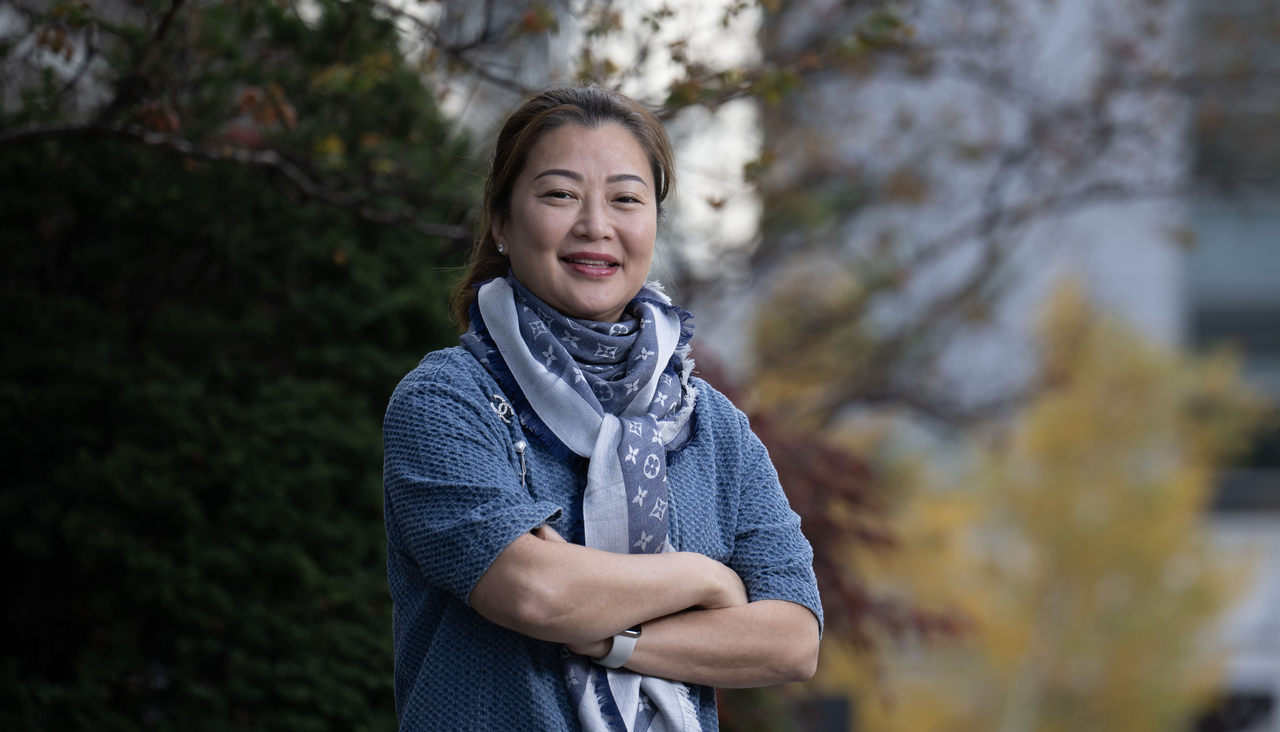
"Korea needs America's defense, but America also needs Korea's financial backing. The benefits of this relationship are not one-sided — they are mutual."
Ellen Park (Korean name Park Jeong-ju), deputy speaker of the New Jersey General Assembly (Democrat, 37th District), offered that answer when asked what she hopes to achieve for the US-Korea relationship. "My goal is to make America better understand just how powerful a country Korea is," she said. "New Jersey has started down that path, but I want to extend it to all 50 states."
Park, who led a New Jersey economic delegation to Seoul, sat down for an interview at a hotel in Gangnam-gu on Monday to discuss Korean companies' entry into the US market, economic cooperation between the two countries, and her reflections as a Korean American politician.
Born in Seoul in 1972, Park immigrated to the United States at age six. She studied political science at New York University and earned her law degree from Hofstra University School of Law, working as an attorney before entering politics as a council member in Englewood Cliffs in 2016. She won a seat in the New Jersey General Assembly in 2021 and has since been reelected to three consecutive terms.
On the visit itself, Park said Seoul feels like "the New York of Korea," adding with a laugh that she now navigates the subway with ease.
She traveled to Busan on Tuesday — her second visit to the city after a trip two years ago that included stops at the Korea Maritime Institute and the Busan Port Authority. "Last time I went for work because New Jersey has so many ports," she said. "Next time I want to set aside time to explore other parts of Korea beyond Seoul and get to know the country better."
The theme Park pressed hardest during the delegation's visit was Korean brands embedded in everyday American life. "Turn on the TV and it's a Samsung. The washer and dryer are LG," she said. "The world is excited about K-pop, the popular cosmetics industry and Korean food, but there are far more sectors — biotech, pharmaceuticals, cosmetics — that people use every day without knowing they're Korean. That was the focus of this trip."
She noted that many state legislators and companies had expressed interest in joining the delegation but held back because election outcomes were uncertain. "Still, those who came were amazed after meeting with major conglomerates — they kept saying they had no idea Korea was this powerful," she said. "Korea is far smaller than the United States, but what it produces is far larger than its size. The message of this year's delegation is that you have to come and experience it for yourself."
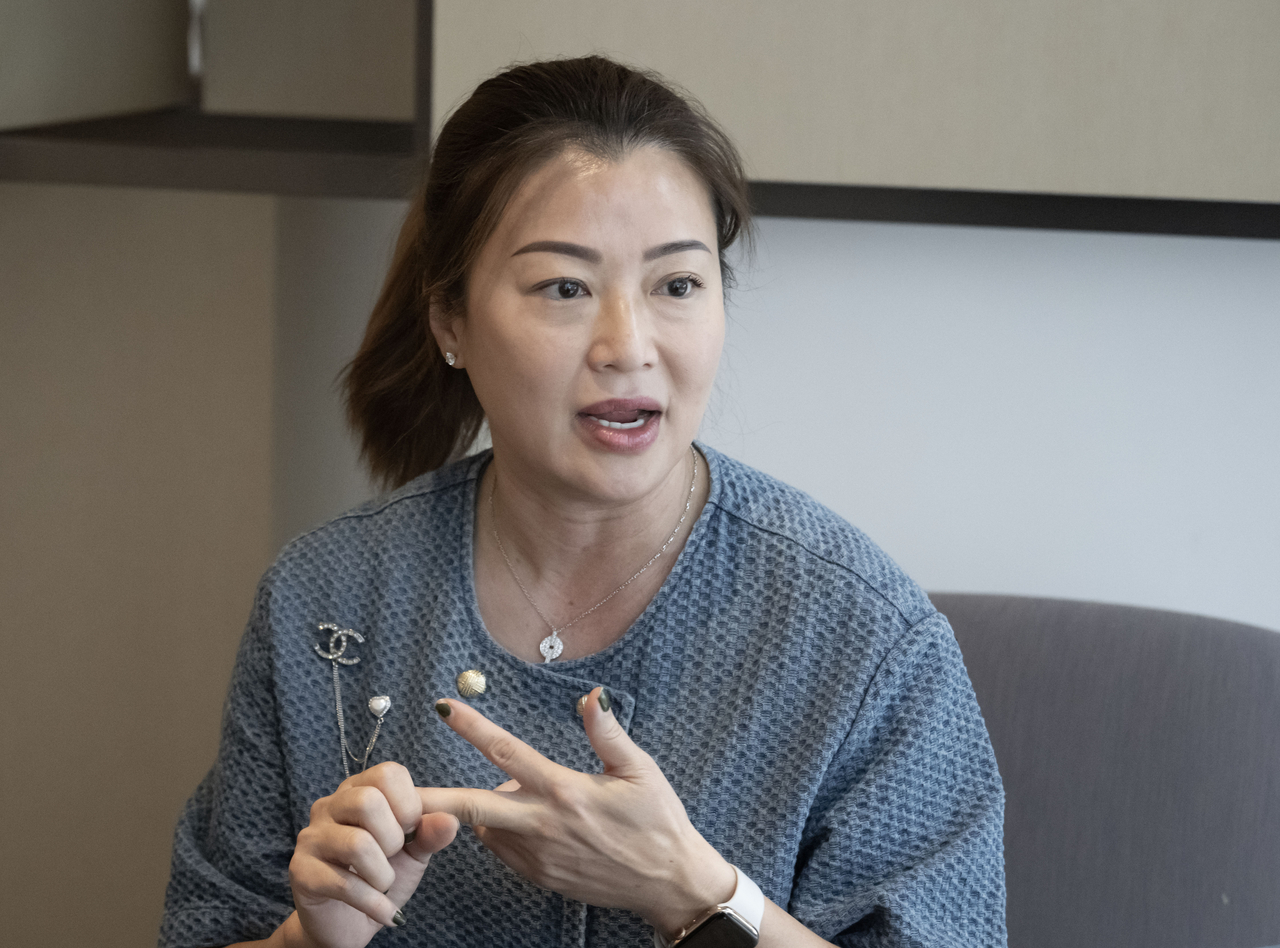
Park also shared a story about an American friend visiting Korea for the first time. "We walked through Hongdae, Seongsu and Myeong-dong, and my friend was amazed that every neighborhood had its own distinct architecture," she said. "Then they asked, 'Where are all the homeless people?' Americans don't even know what to expect from Korea."
She went on to praise Korean companies' contributions to New Jersey. "Korean firms contribute to New Jersey's economy, its workforce and its communities — and they always give back," she said. "The jobs Korean companies have created across the United States number in the tens of thousands." She added that Korean companies donate goods or sponsorship funds at every Korean American community event. "That means a great deal."
Park also recounted an experience at a Korea Society gala she attended last month. "Jensen Huang, the CEO of Nvidia, was a speaker, and I learned for the first time that he has been working with Korean companies like SK Group for more than 30 years, going back to the 1990s," she said. "We need to build on relationships like that."
The delegation held meetings with Daewoo Engineering & Construction, LG Group, Doosan and Hanwha during the visit. "I understand there are about 82 Korean companies operating in New Jersey," Park said. "We met particularly with large companies based in my district to discuss not just staying in New Jersey but expanding their business across the United States."
She also pointed to the need for federal-level cooperation. "My role is to help at the state level, but there is still work to be done federally," she said. "Fortunately, New Jersey has Andy Kim, the only Korean American in the US Senate, and he is well aware of this visit. I want to work with him — as a federal and state legislator — to find ways to support Korean companies together."
Park's ambition was clear: she wants Korean companies to plant their US headquarters in New Jersey. "Even if you build your factory in Texas or Georgia where there is plenty of land, your US headquarters should be in New Jersey," she said. "New Jersey has the infrastructure, the food, the language — everything is there, and employees will love it."
She also outlined plans to focus on mid-sized companies and small and medium-sized enterprises on her next visit. "There are many mid-sized companies that want to enter the US market but have no idea where to go," she said, noting that her own district is home to a large number of startups, mid-sized firms and franchise stores. She added, however, that next year may be difficult to visit because it is an election year with primaries to contend with.
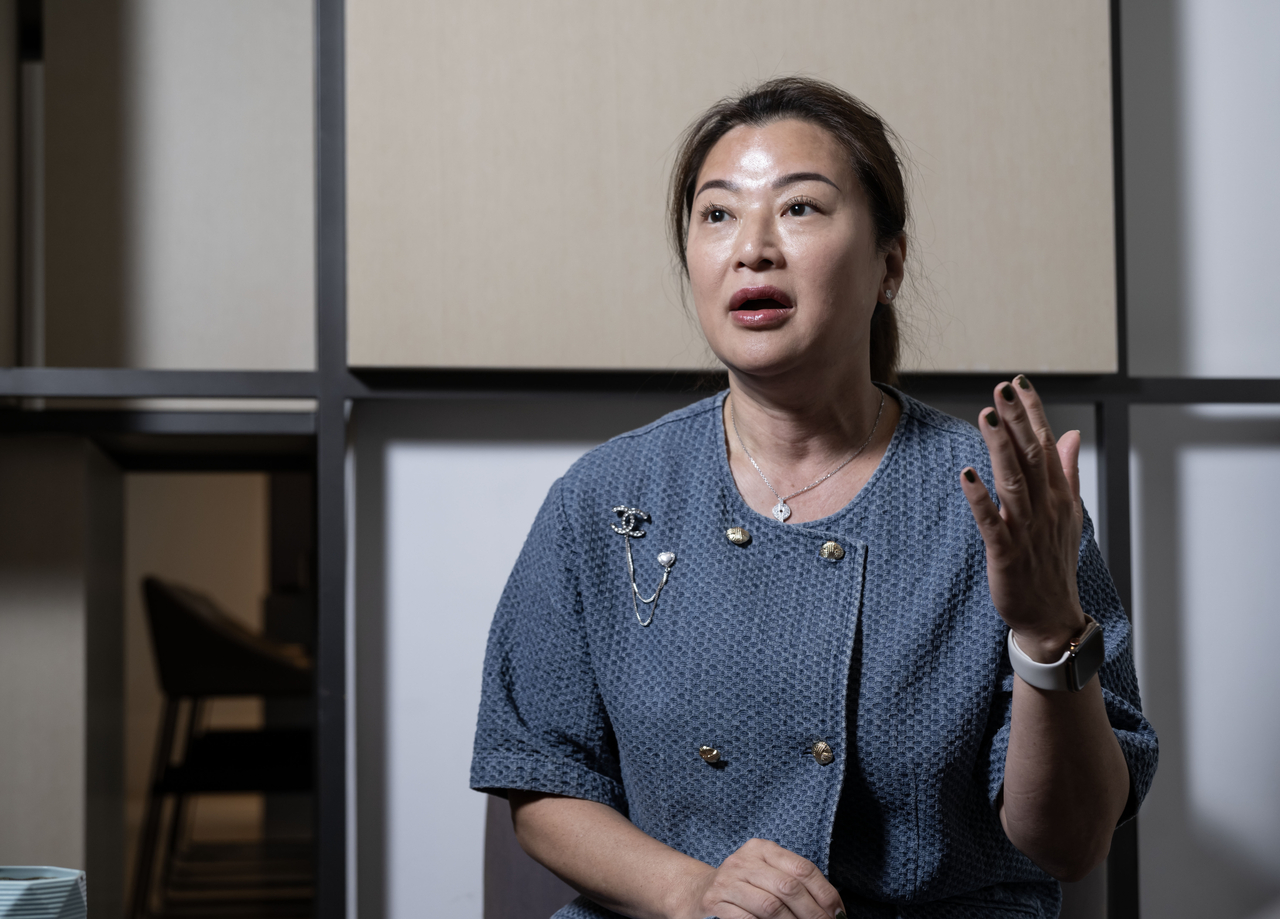
Park identified corporate culture as the biggest obstacle Korean companies face when first entering the US market. "Korea has a collective corporate culture, but the United States is strongly individualistic — most people work a nine-to-five and leave at 5 p.m.," she said. She acknowledged that Korea has also moved away from long working hours since the pandemic, but noted a key difference: "In the US, working less and being content with your current position is a perfectly valid personal choice. Accepting that individualism is what successful companies have in common."
Her advice on human resources was specific. "HR must be handled by someone who truly understands American culture. If you bring over an HR manager from Korea, you just end up replicating the same culture," she said. "What successful large companies do is have employees who came from Korea teach local staff about Korean culture, while also learning American culture in return. That exchange is the secret to success."
In a shifting investment environment, she urged flexibility. "Some companies that have no foothold in the US simply refuse to enter if the conditions are not exactly what they want — and they miss the opportunity," she said. "Companies that already have a base here are learning to adapt by expanding factories and operations across multiple states." She added that regulations, laws, politicians and the party in power all differ from state to state. "You have to learn how to find your way in America."
On the visa concerns weighing on Korean companies, she was optimistic. "Nothing lasts forever — laws are always amended and changed," she said. "The US is short on workers right now, so I expect visa restrictions for Korea and other countries to ease."
She interpreted this month's US midterm election results in the same light. "The midterms showed the government that the current immigration policy is not the answer," Park said. "The original promise was to deport only criminals, but that is not what happened — and that was one of the reasons the Republicans lost."
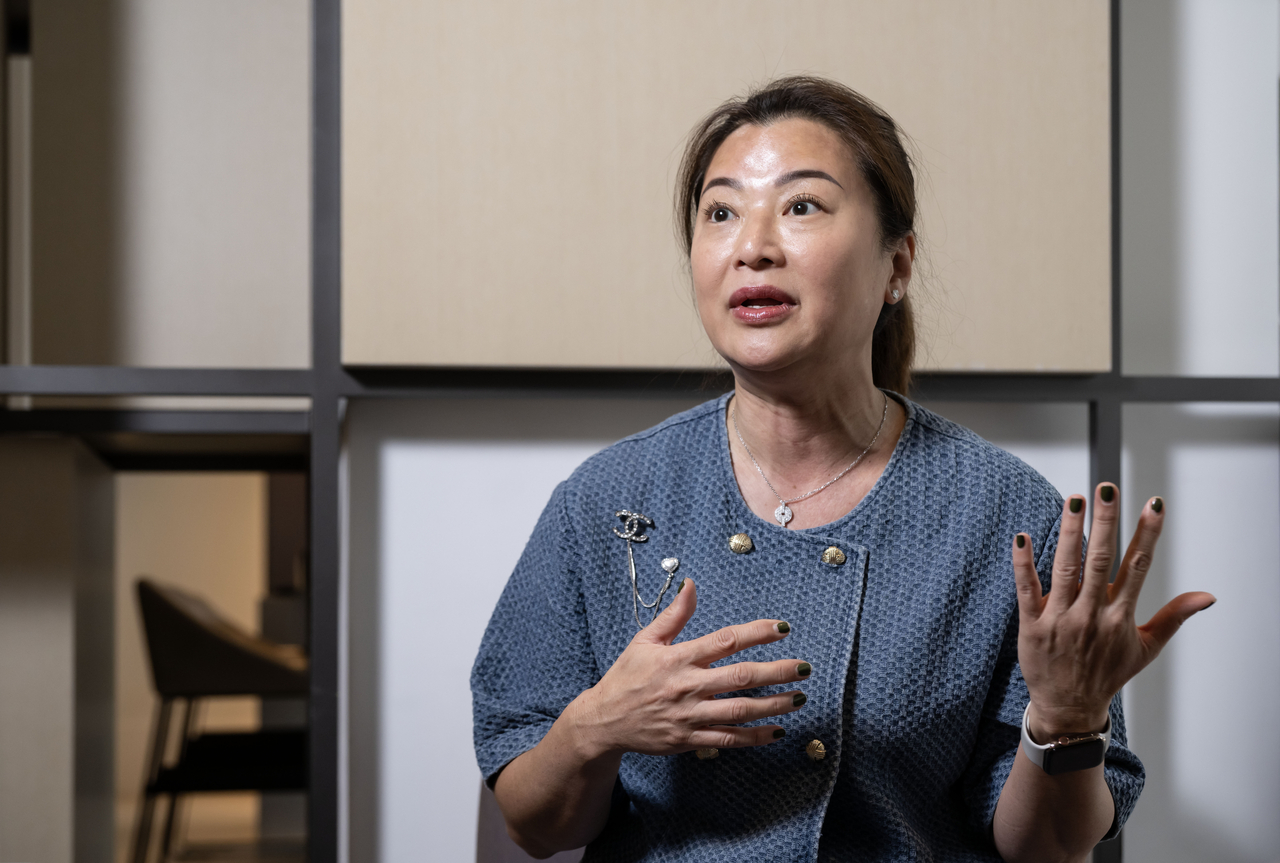
Asked whether the US-Korea alliance is shifting under pressure from the Donald Trump administration over defense cost-sharing, Park agreed that "there have been changes in relations not just with Korea but with the world as a whole," but said she is optimistic that things will change again now that elections have been held. "Korean Americans need to raise their voices in the United States, and that power comes from voting," she said.
She identified visibility as a key ingredient for strengthening the bilateral relationship. "There are many Korean Americans in New Jersey, but they are concentrated in Bergen County, so the rest of the state does not know much about Korean Americans or Korean culture," she said. "New York is running out of space, so within the next 10 years the Korean American population in New Jersey will surpass that of New York. Korean Americans need to actively tell their neighbors why Korea matters."
Park sees the next decade as a major turning point. "Everyone expected the Assembly to flip in this election, but no one was sure the Senate would too," she said. "The newly elected senators serve six-year terms, so we are going to see major changes ahead." She added that sweeping shifts are coming in technology, biotech, pharmaceuticals and AI, and that the people leading those changes will be young politicians who understand technology. "If more Korean American politicians are part of that wave, the US-Korea relationship will be far better for it."
rimsclub@heraldcorp.com