District to pursue 32 tasks across four areas through March 15 next year
89 warming shelters, 200 heated benches and 10 smart shelters among 255 cold-reduction facilities
Safety checks for about 1,600 vulnerable elderly residents to increase; snow-removal fleet expanded to 6 vehicles
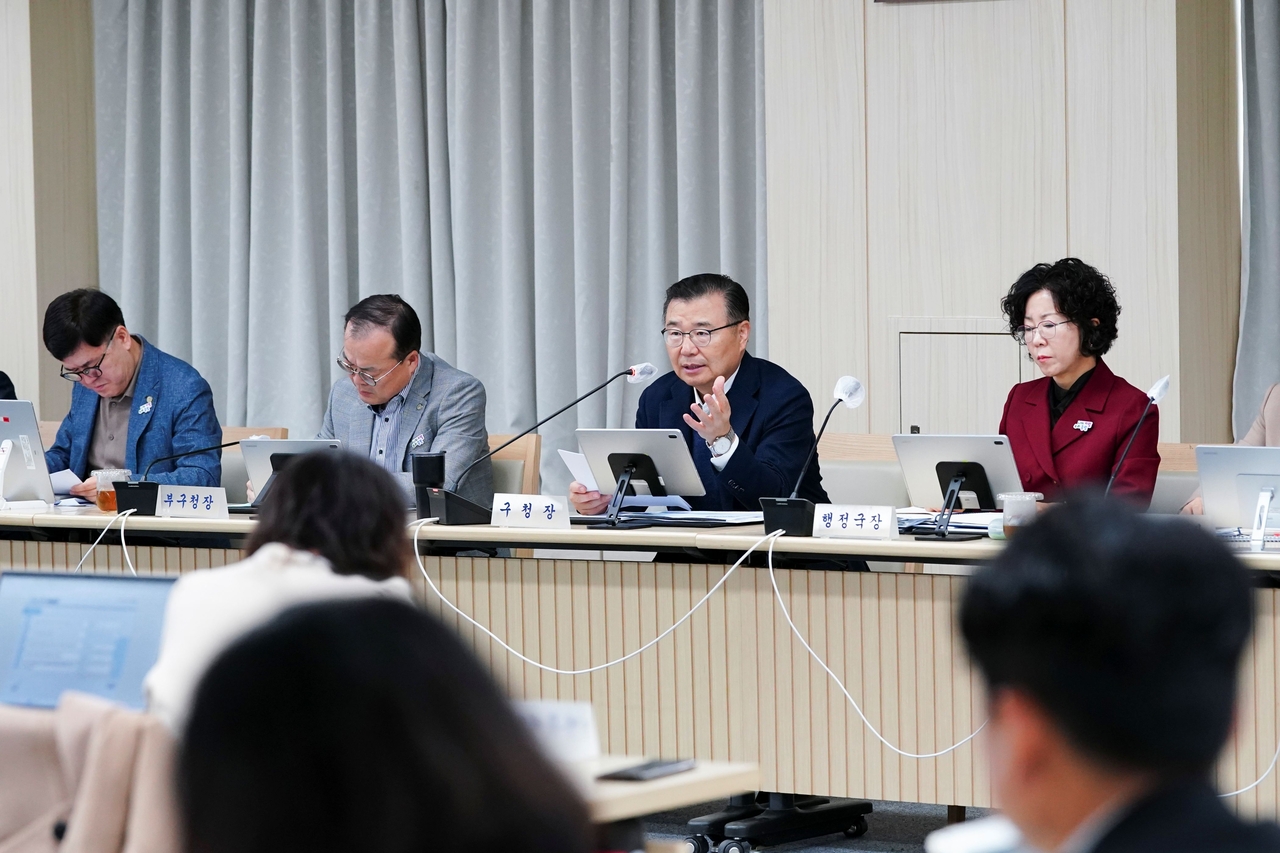
Seoul's Jungnang-gu is launching a comprehensive winter preparedness plan to brace for cold snaps and heavy snowfall, covering everything from protecting vulnerable residents to clearing roads and managing key facilities.
The district said it will carry out its "2026 Winter Comprehensive Plan" for four months through March 15 next year, built around 32 tasks spanning four areas: cold-wave response, snow removal, safety management and daily-life support.
When a cold-wave alert is issued, the district will activate a cold-wave integrated support operations center staffed by 49 personnel across five teams and 16 departments. Should large-scale damage occur or appear imminent, a disaster safety response headquarters will be mobilized for rapid action.
Cold-weather shelters and mitigation facilities will also be expanded. The number of warming shelters rises to 89 — two more than last year — and the district has set up 255 cold-reduction facilities in total, including 45 bus-stop warming spots, 200 heated benches and 10 smart shelters. In December, a new outdoor warming shelter equipped with heating units will open at Exit 2 of Junghwa Station.
The district office building will remain open until 9 p.m. daily regardless of any cold-wave alert, and the below-ground integrated operations center will serve as a 24-hour emergency shelter whenever an alert is in effect.
Protections for vulnerable residents will be strengthened as well. For about 1,600 elderly residents in need of care — including those living alone — in-person and telephone safety checks during cold-wave and heavy-snow alerts will increase from once or twice a week to three times a week. Safety and health monitoring using Internet of Things devices will run alongside those checks.
About 1,580 elderly residents at risk of going without meals will receive support through senior dining halls and dosirak and side-dish delivery services from December through February next year. Heating subsidies will go to 151 child-care centers and 23 community children's centers, and two rest facilities for mobile workers as well as a dawn-employment shelter at Myeonmok Station plaza will remain in operation.
Low-income households will receive cold-weather supplies and temporary lodging costs through Seoul's emergency welfare program, while patrols and the distribution of cold-weather goods for people experiencing homelessness will be stepped up.
Snow-removal capacity will also be boosted. The fleet of 15-ton snow-removal vehicles will grow from four to six, and dedicated pedestrian-path clearing crews will be secured to intensively manage 10 key walkways. Civil servants, volunteers and community disaster prevention teams will be deployed to back alleys and snow-removal blind spots for swift clearance.
Alongside this, the district will strengthen fire prevention and safety inspections at key facilities including traditional markets, parks and gas supply installations, and will work to prevent pipe freezing. Timely collection of fallen leaves, kimchi-making waste and coal-briquette ash, as well as winter price monitoring, will also be carried out.
"Our focus is on putting residents' safety first, minimizing damage and ensuring everyone has a warm and safe winter," Jungnang-gu District Mayor Ryu Gyeong-gi said. "I also ask residents to familiarize themselves with cold-weather safety guidelines and take care of their health."
seouldream01@heraldcorp.com