Garden workcation at Suncheon Bay National Garden
Leave the city office behind for nature
360-degree garden views through floor-to-ceiling glass
Local craft workshops to fill the evenings
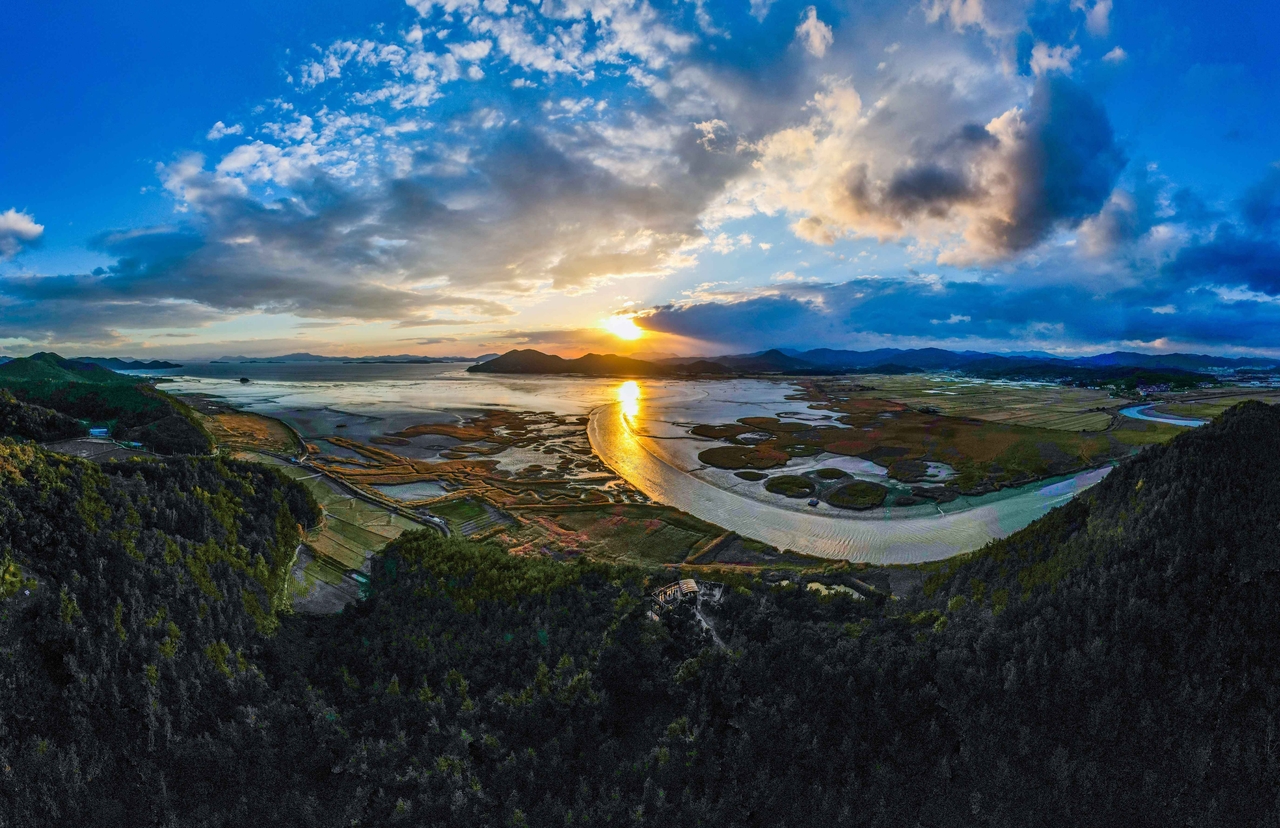
In South Jeolla Province, there is a workplace that holds an entire national garden within its embrace. Step outside and, instead of partitions and corridors, waterways and forest fill the view.
A computer that once sat under cold fluorescent lights and gray concrete walls now breathes quietly among reed beds swaying in the breeze. When birdsong and the sound of flowing water weave between the tap of a keyboard, something close to liberation sets in. The long-held notion that work and rest mix no better than oil and water begins to crack along the garden's footpaths. Land left empty so that nature could rest becomes, paradoxically, the place where the deepest focus is found.
The decision that saved the mudflats — and made a city
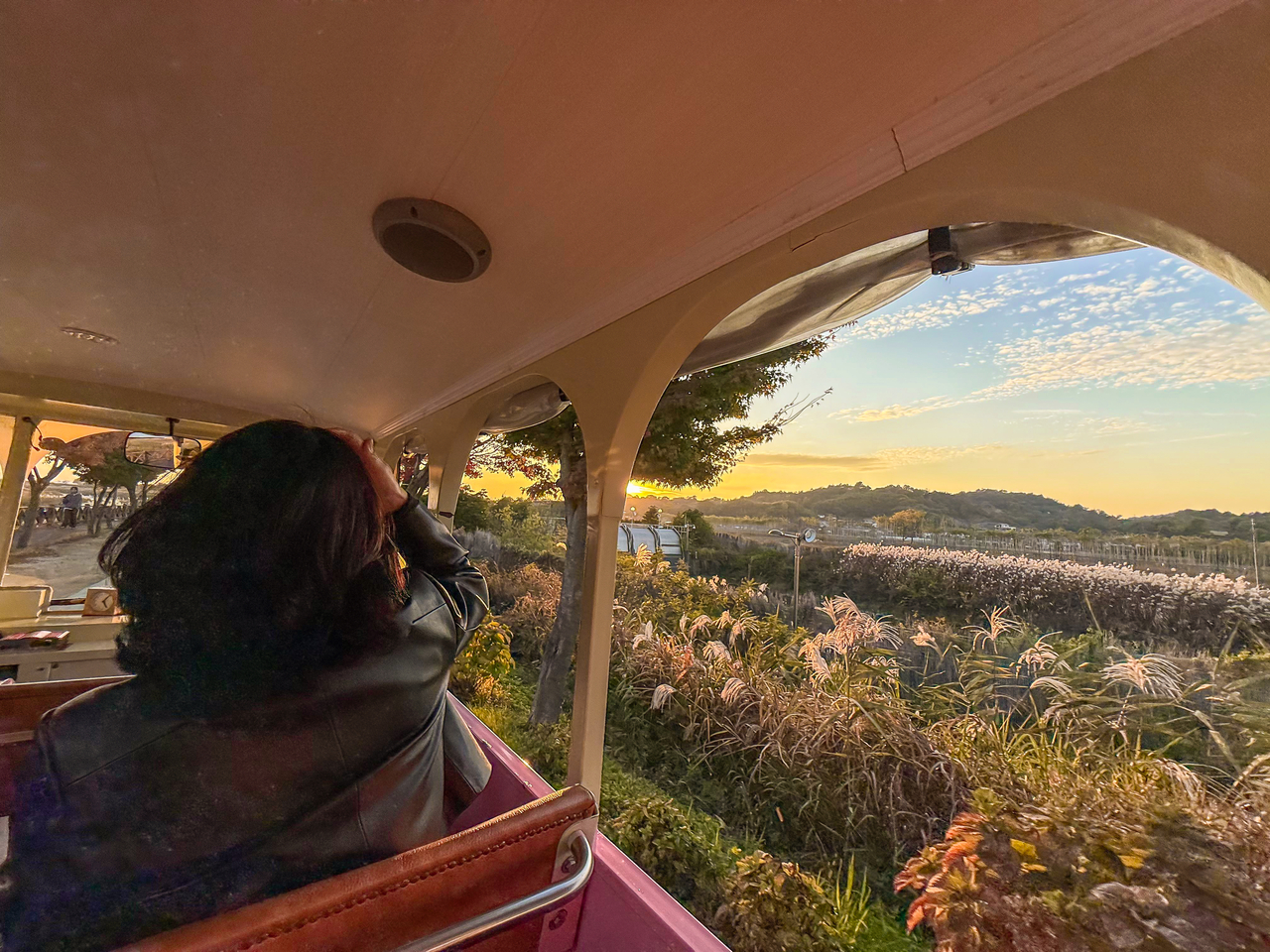
Suncheon Bay National Garden sits a short distance from Suncheon Station, a stop on the KTX high-speed rail line. This vast green expanse, positioned between the city center and the wetlands, is South Korea's first designated national garden.
The story of how it became the benchmark for Korean garden culture stretches back to the mid-1990s. At a time when neighboring Gwangyang and Yeosu had already welcomed industrial complexes, Suncheon pushed back against the development boom under the rallying cry of "save the thousand-year storehouse." To prevent an expanding urban footprint from swallowing Suncheon Bay, the city created a 1.12-million-square-meter buffer zone between the city and the wetlands — an "Eco-belt" that became the backbone of today's national garden.
That decision to protect Suncheon Bay transformed the city into a tourism destination. Last year, about 4.69 million tourists visited Suncheon Bay National Garden, up more than 10 percent from about 4.25 million the previous year. This year, visitor numbers surpassed 3 million as of Oct. 18, marking the third consecutive year since 2023 that the garden has crossed that threshold.
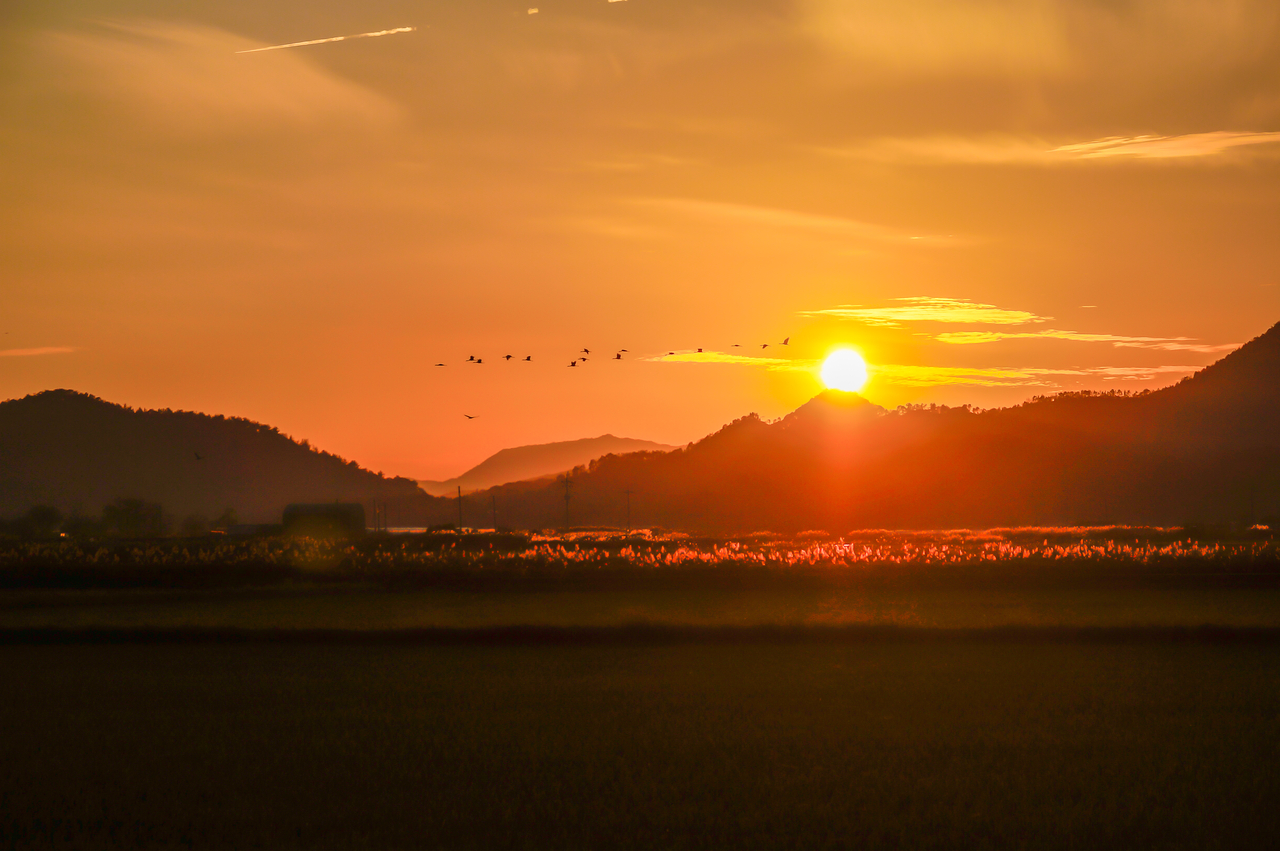
Hooded cranes have arrived at Suncheon Bay wetlands. The endangered migratory birds winter at Suncheon Bay from mid-October through March of the following year. The Sky Cube, an eco-friendly transit link between Suncheon Bay National Garden and the wetlands, stops running at 5 p.m. — the hour the birds settle in for the night. Here, keeping nature's schedule takes precedence over maximizing tourism revenue.
A workplace wrapped in green, not glass towers
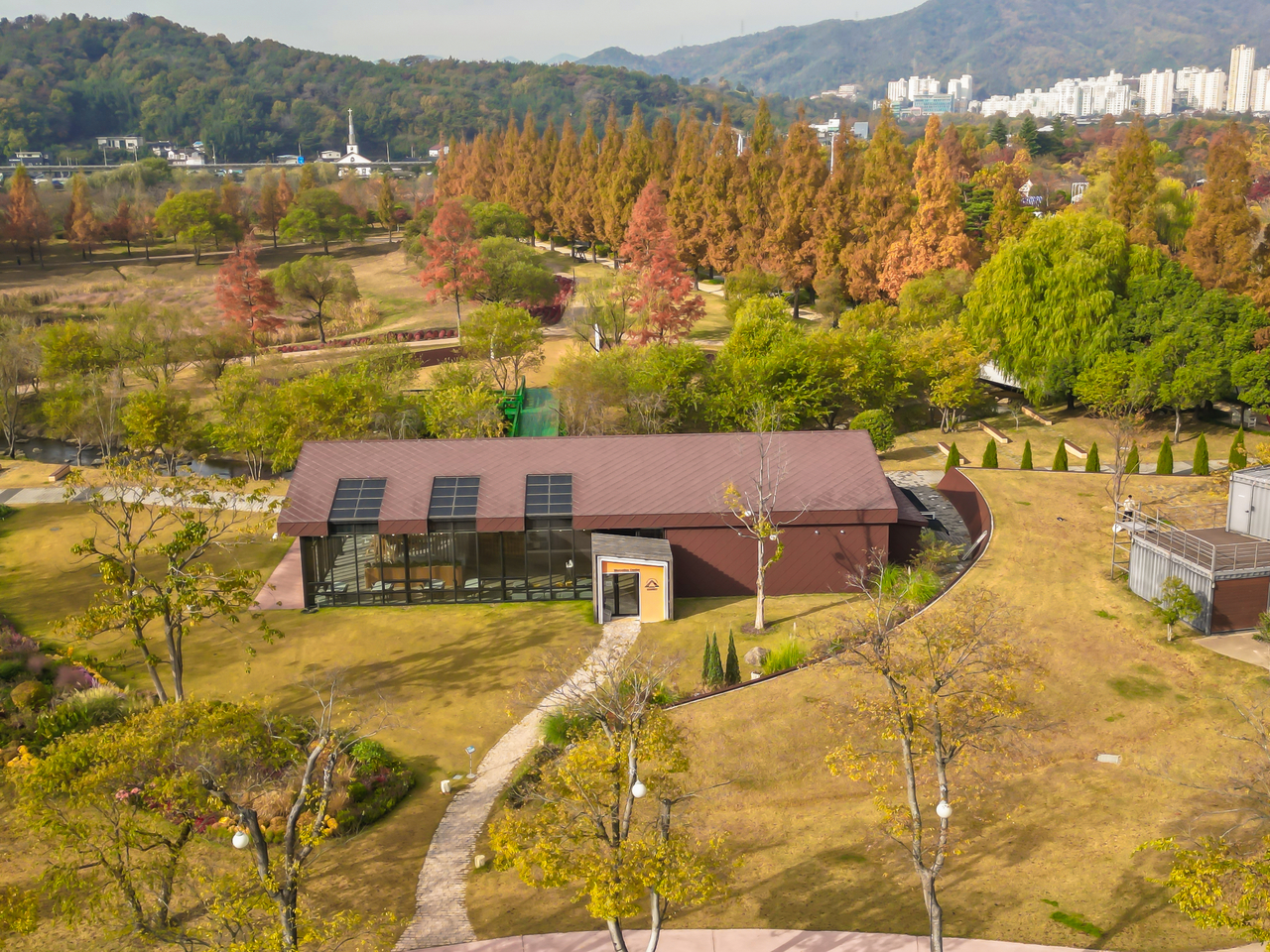
The Garden Workcation Center occupies a quiet corner of the garden. It opened in March 2024 as a base camp for workcations — a blend of work and vacation.
While workcation spaces elsewhere in South Korea have spread mainly through city-center hotels and co-working offices, Suncheon took a different approach. After the 2023 National Garden Expo, the city converted the garden itself into a workplace to boost the site's year-round utility and draw longer-staying visitors.
Upon check-in, guests choose between two welcome kits — one blue, one green. The blue kit contains work accessories such as a mouse pad; the green holds relaxation items like a massage ball. From the very entrance, visitors decide for themselves how to balance work and rest.
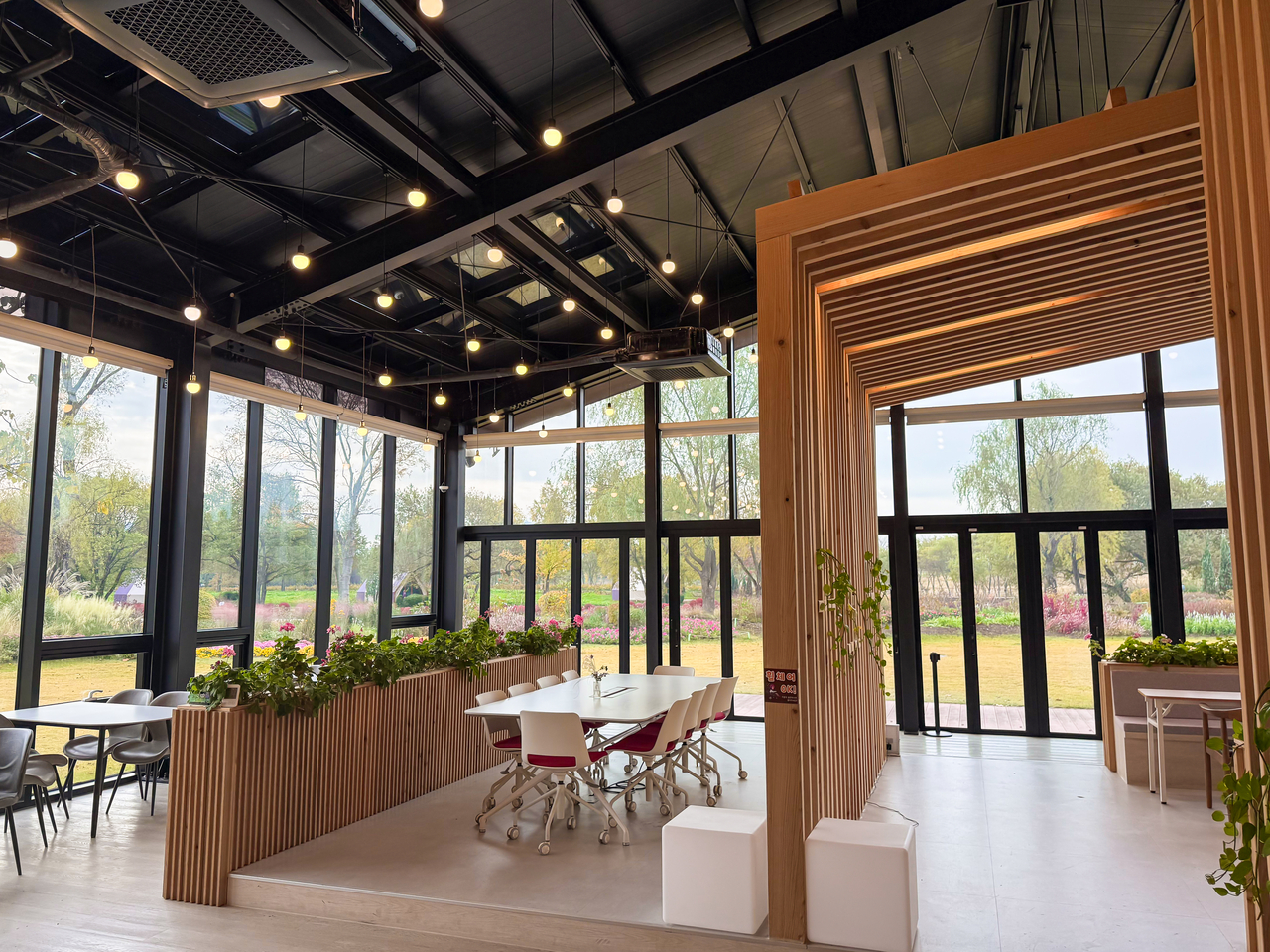
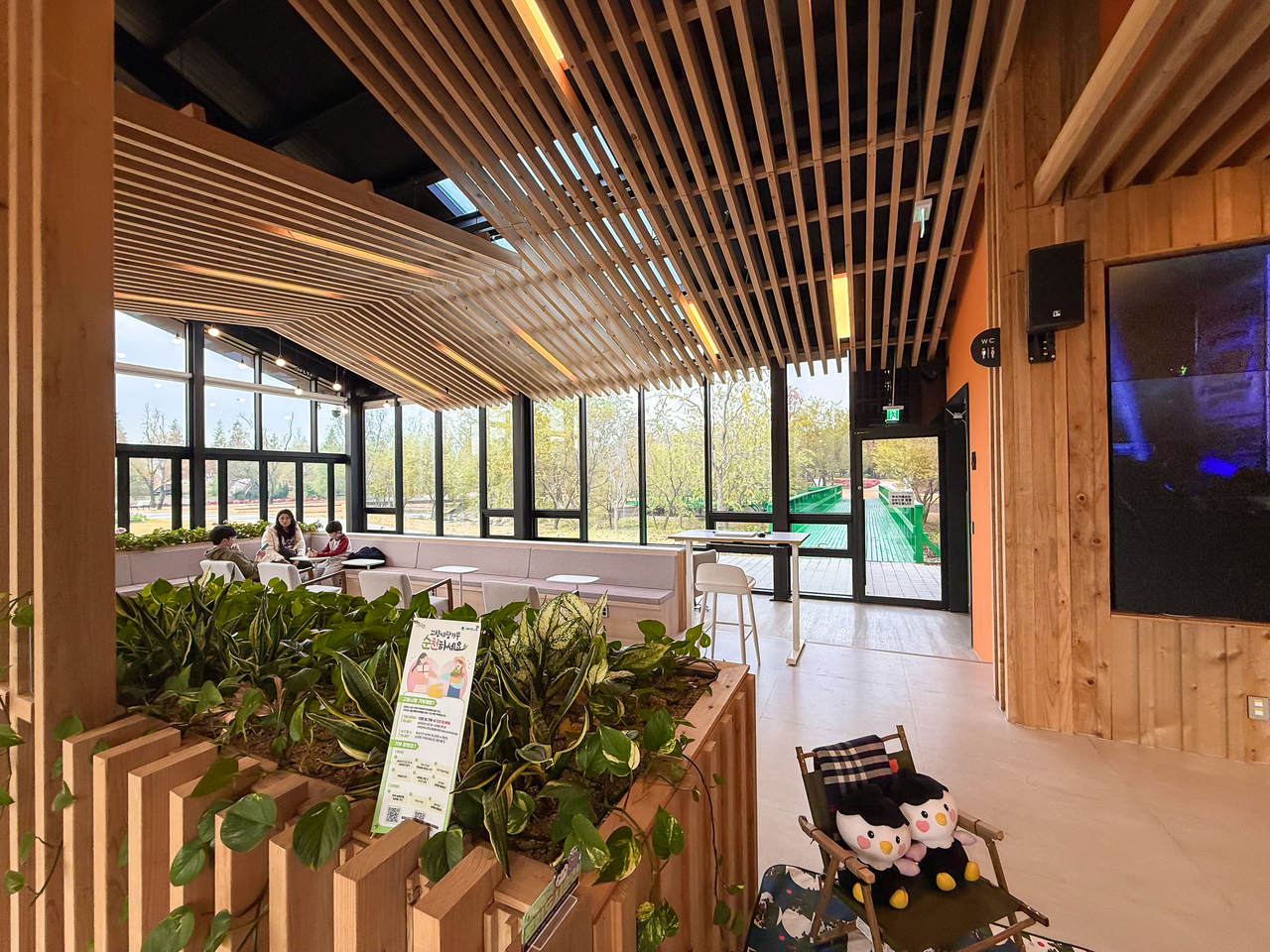
The interior is finished in warm timber, and floor-to-ceiling glass on all sides opens onto 360 degrees of garden. It is a sharp contrast to workcation spaces elsewhere that sit amid urban skylines.
With the garden visible from every angle, a glance away from the monitor is always met with green. Even the few steps to the mini-bar and back keep the outdoors constantly in view. Nothing presses or hurries, yet to-do lists seem to shrink faster here than in a city office.
The center is fully equipped for work. A single open-desk area seats 10, and two meeting rooms each accommodate 10 people. Height-adjustable standing desks and individual focus seats are neatly arranged throughout. Two single-person phone booths, an office-equipment zone with a multifunction printer and shredder, and a mini-bar stocked with coffee and snacks complete the setup.
Since opening, the center has welcomed a cumulative 5,337 workcation users through the end of June this year. A satisfaction survey conducted among users in the second half of last year found that 96 percent of respondents rated the experience positively — 74 percent said they were very satisfied and 22 percent said they were satisfied — while more than 93 percent said they intended to return.
"Urban workcation spaces are close to amenities, but they often end up feeling like an extension of the city," said Kim Kyung-hee, the official in charge of the Garden Workcation team in Suncheon's tourism division. "The garden workcation offers an independent environment separated from the outside world, which is why satisfaction with the stay is so high."
Forest cabins stripped of TV and food — built for focus
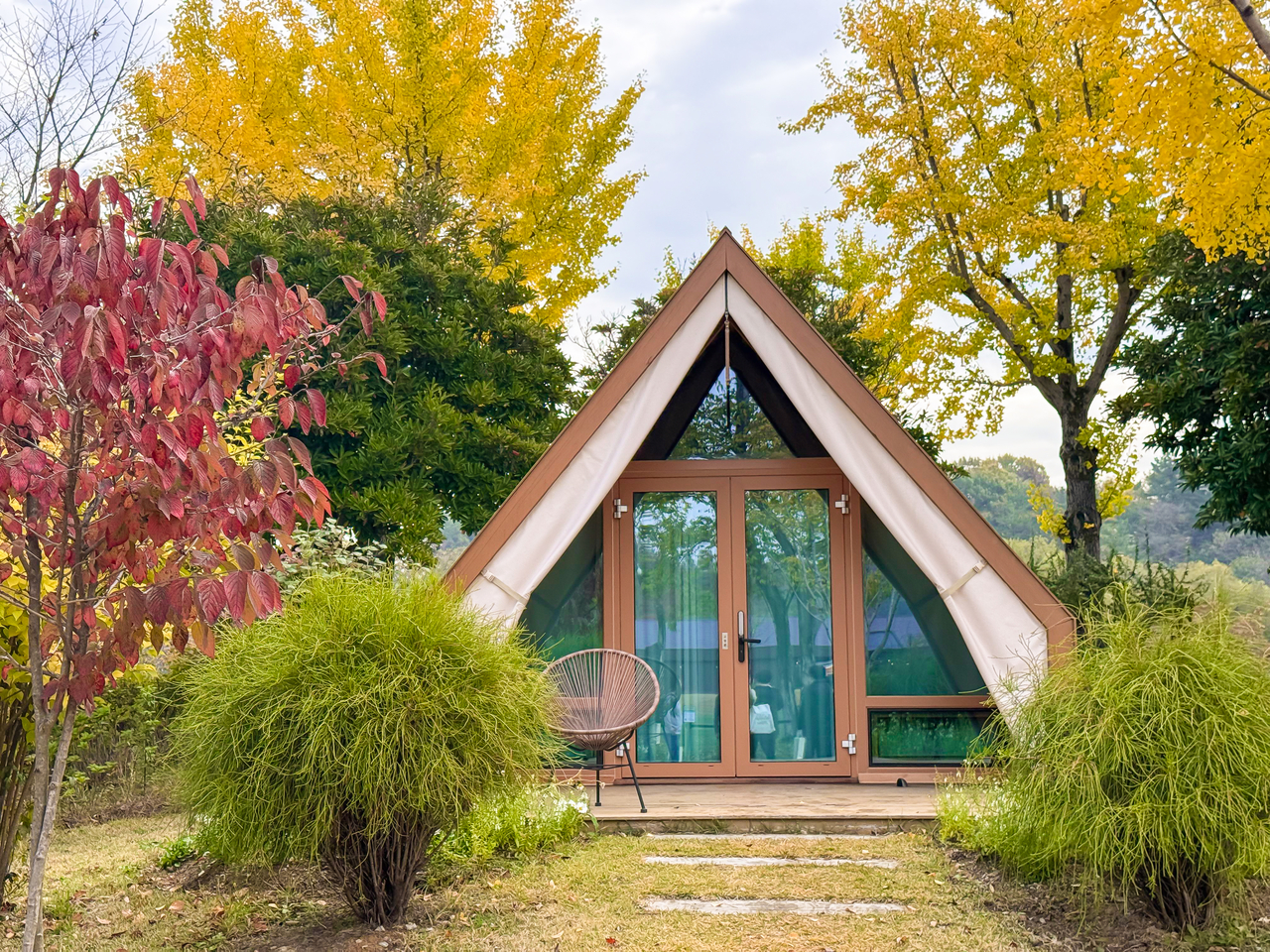
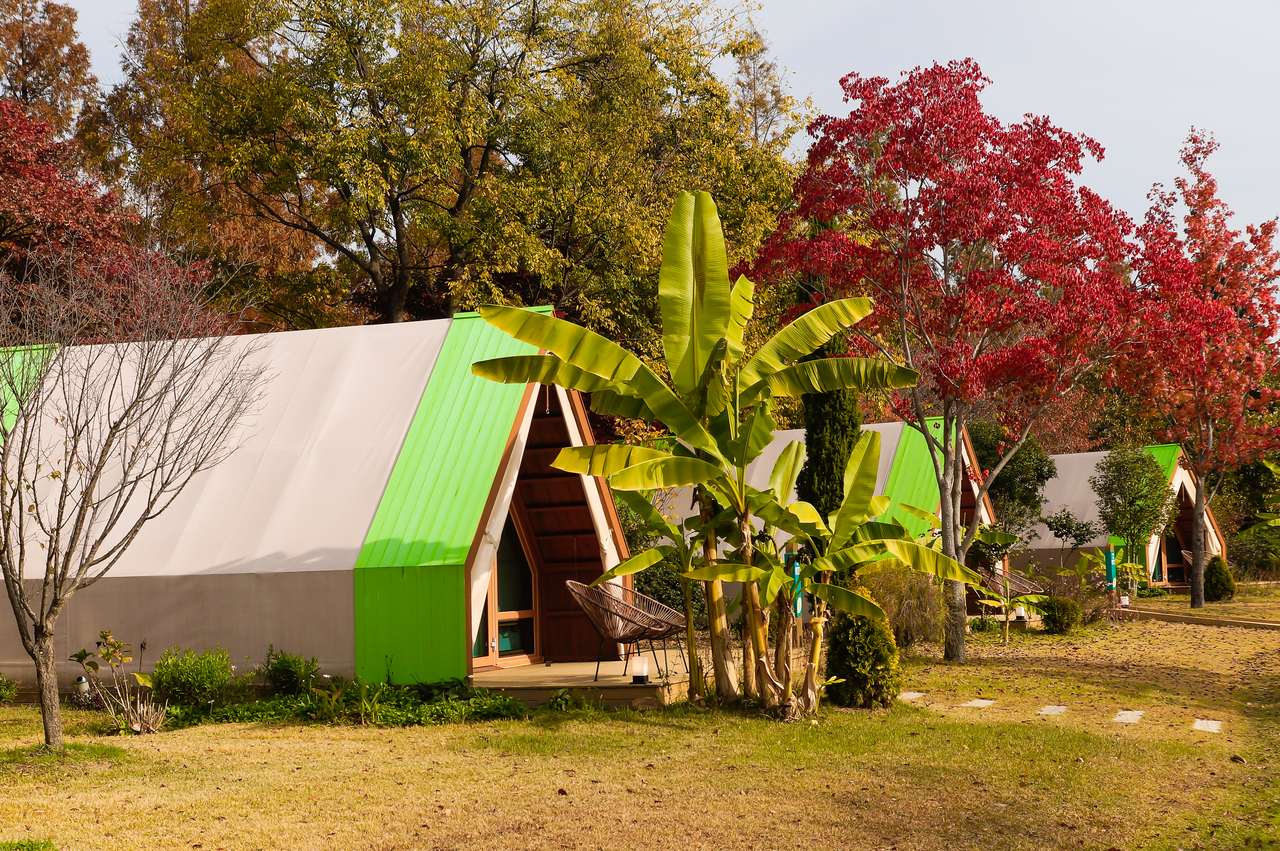
What makes the experience truly distinctive is the accommodation. A five-minute walk from the center brings guests to a cluster of 35 timber cabin houses reserved for overnight guests. Modeled on European-style glamping, the cabins are spread across three zones: "Hosullo," with views over a lake; "Yunseulro," facing the Dongcheon waterway; and "Baramro," nestled in the forest.
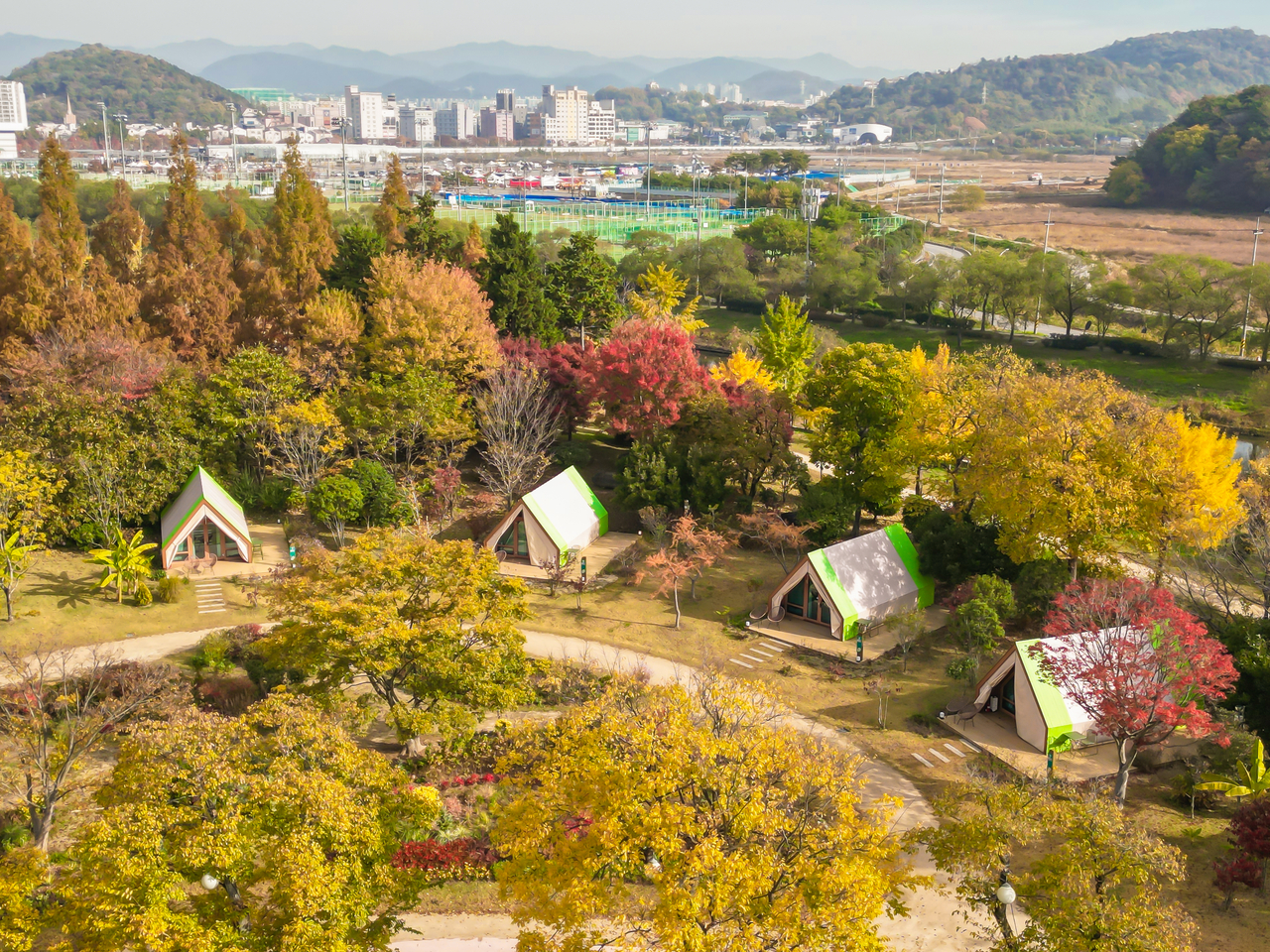
Opening the cabin door, guests are met with a rich scent of timber. Inside, the furnishings are spare: a bed, a work desk, a chair, and a private shower and bathroom. Two things common in ordinary lodgings are conspicuously absent — there is no television, and eating inside the room is not permitted. Stripped of screens and food smells, the space is given over entirely to work and reflection.
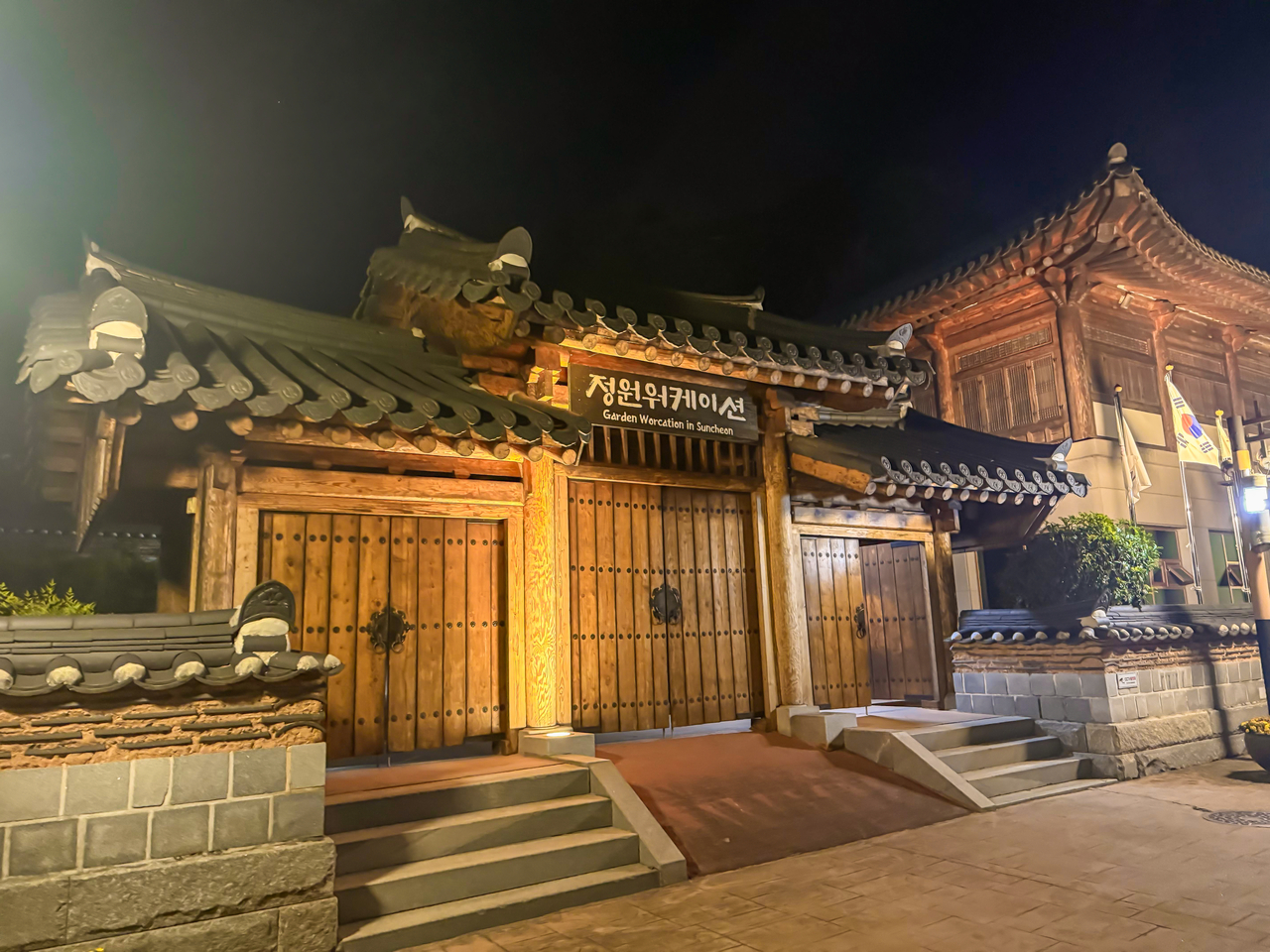
Breakfast is served across the stream at Suncheonman Eco Village, a seven-minute walk from the center over a small waterway. South Korea's first hanok-style youth hostel, the facility offers rooms ranging from double occupancy to 20-person dormitories, and serves a hansik buffet breakfast from 8 a.m.
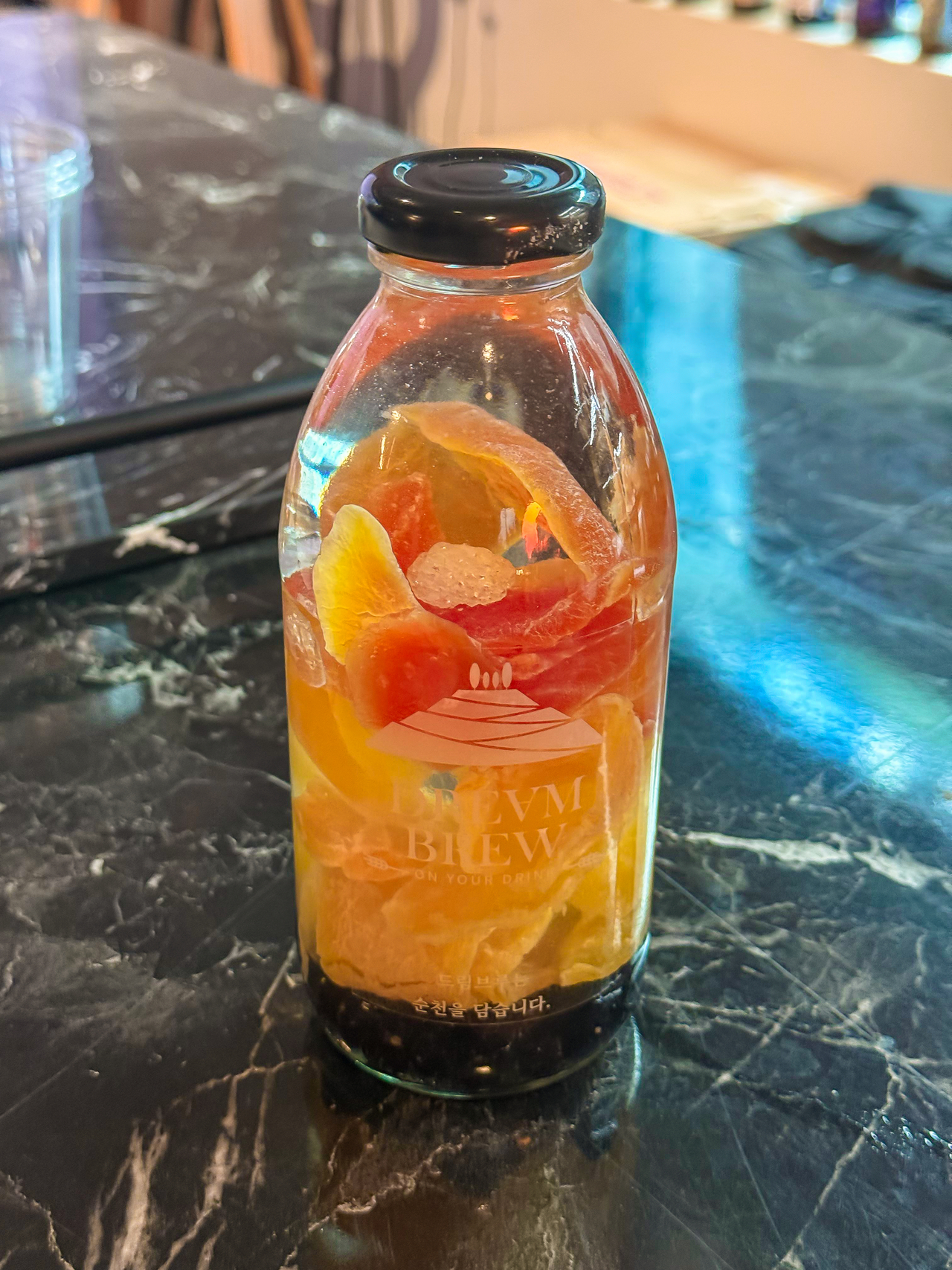
The workcation experience extends well beyond the garden's perimeter. Suncheon has designated 28 local craft workshops, cafes and other businesses as program partners, aiming to channel visitors' spending into the wider city. Guests take experience vouchers directly to the partner stores, where they can brew their own fruit liqueur or join one-day classes in aromatherapy, yoga, meditation or soap-making — filling the evenings after work with something worthwhile.
"We provide workcation users with experience vouchers, the Suncheon Day Pass for free entry to five major attractions, and breakfast — benefits currently worth about 70,000 won ($52) per night," said Jeong Yu-sun, head of the Garden Workcation team in Suncheon's tourism division. "Next year, we plan to secure a budget to offer accommodation discounts of 20 percent for general users and 30 percent for companies that have signed agreements with us."
How to book a garden workcation
The Suncheon Garden Workcation can be booked online through the official website, with reservations accepted on a first-come, first-served basis starting 60 days before the intended stay. The program is open to workers and freelancers whose registered address or place of business is outside Suncheon, and applicants must book a minimum of two weeknights.
Rates are 150,000 won per night for a cabin workcation, 90,000 won for an Eco Village workcation, and 70,000 won for the public-sector workcation package available to civil servants and employees of state-owned enterprises. All rates include accommodation, use of the Garden Workcation Center co-working space, a welcome kit of either work or relaxation supplies, and breakfast at the Eco Village.
Guests also receive vouchers valid at all 28 partner businesses, the Suncheon Day Pass granting free entry to five major attractions — including Suncheon Bay wetlands, Naganeupseong Folk Village and the Suncheon Drama Film Set — and access to guided garden tours, sound-walking sessions and a streamside stroll program.
terry@heraldcorp.com