Pay with a Korean card and stroll Tokyo's gardens — a firsthand look at the Grutto Pass
2,500 yen unlocks entry and discounts at 107 cultural facilities, with English-language guidance throughout
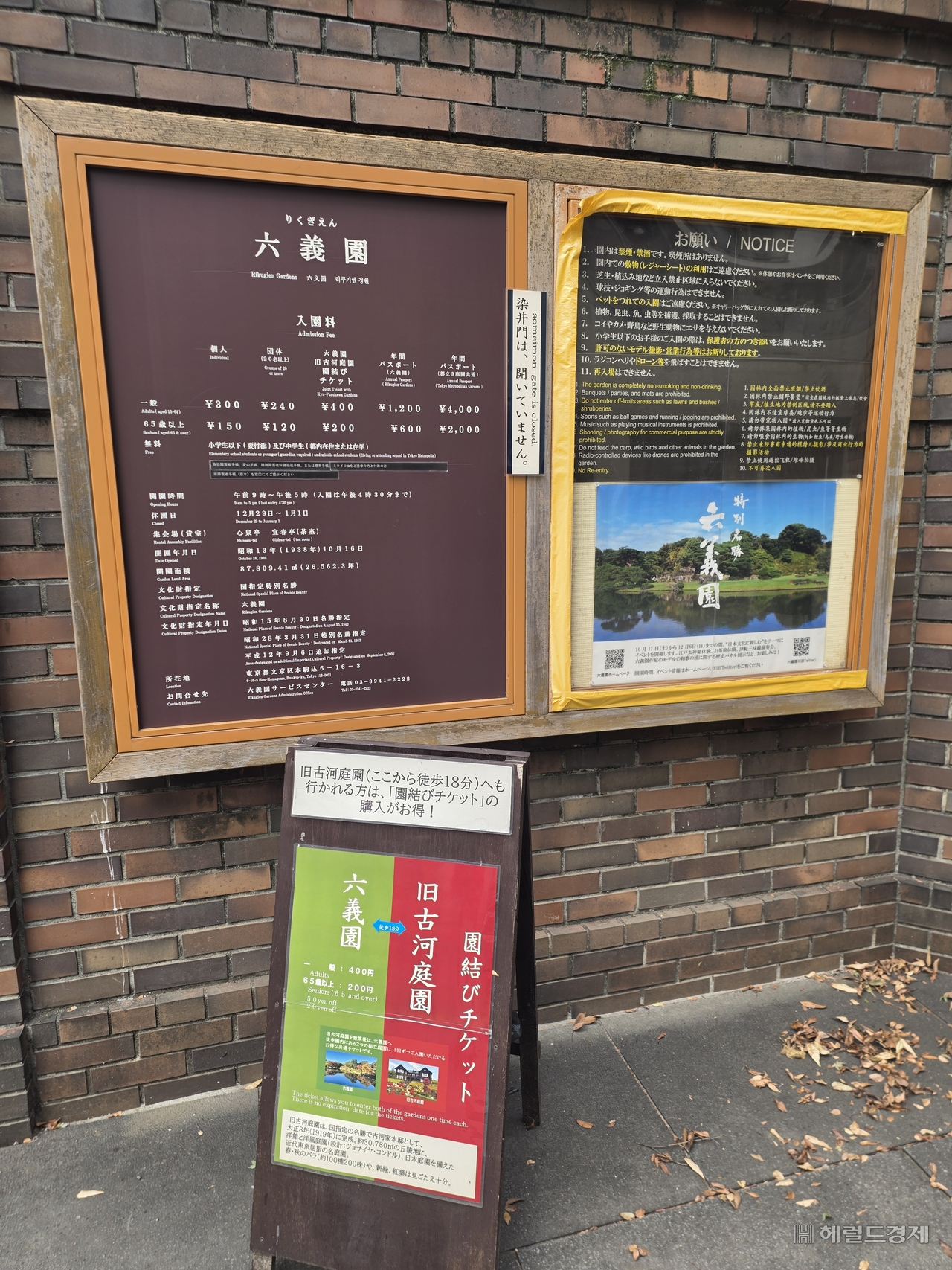
The entrance sign at Rikugien, a traditional Japanese garden in Tokyo's Bunkyo-gu, listed a general admission fee of 300 yen. This reporter, however, walked straight in using a pre-purchased Tokyo Museum Grutto Pass 2026 — no extra charge required. Visiting in person proved a rewarding way to experience Japan's cultural heritage while wandering through a historic garden.
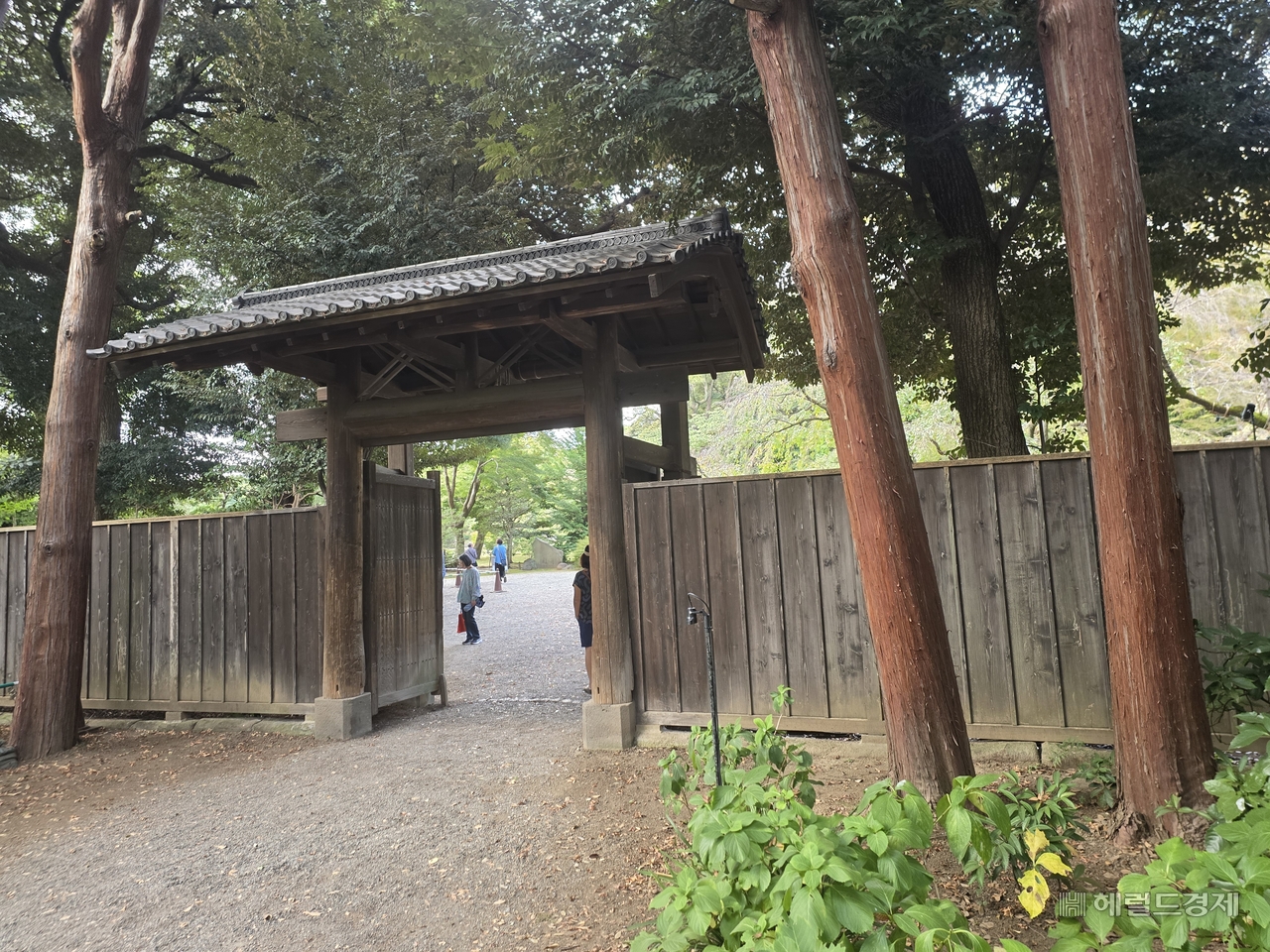
For travelers looking to see a different side of Tokyo beyond the usual shopping and dining circuit, the Grutto Pass is worth considering. A single pass costs 2,500 yen ($16) and bundles admission and discount benefits at 107 facilities across Tokyo and surrounding areas — art museums, science museums, zoos, aquariums and gardens among them.
The purchase process was straightforward. This reporter accessed the online sales site using a roaming Korean mobile phone and completed payment with a card issued in Korea. An English-language site and usage guide were available, making it easy to follow the purchase steps and understand how to use the pass. After buying, a QR code arrived by email — no trip to a separate ticket counter needed.
Rikugien illustrates how the pass works in practice. The garden normally charges admission, but Grutto Pass holders can enter during regular opening hours without paying extra. The garden is not free to the general public; admission is one of the benefits bundled into the pass.
Rikugien was created by Edo-period figure Yanagisawa Yoshiyasu, who spent roughly seven years from 1695 laying out the grounds. Designed as a stroll garden — with a central pond, artificial hills and winding paths from which visitors take in the scenery — it draws on the aesthetic of waka, the classical Japanese poetic form. The garden is designated a Special Place of Scenic Beauty by the Japanese government.
The benefits of using the pass go beyond saving on admission fees. Browsing the list of participating facilities turned up cultural venues that would not normally make it onto a travel itinerary, and that discovery led to an actual visit. The trip to Rikugien became an opportunity to add gardens and cultural heritage to what might otherwise have been a standard Tokyo trip.
The pass covers far more than gardens. According to the official facility and exhibition guide, participating venues eligible for free entry include Ueno Zoo, the Former Iwasaki Residence Garden, the Edo-Tokyo Open Air Architectural Museum and Tama Zoological Park. Visitors can build an itinerary around art museums and history museums, or mix zoos and gardens to suit the interests of the whole family.
Film enthusiasts can also add the National Film Archive of Japan to their plans. The guide lists the permanent exhibition "History of Japanese Cinema from the NFAJ Collection" and special exhibitions as covered by the pass. Film screenings, however, are excluded.
The pass is also valid outside Tokyo. Participating facilities in Yokohama include the sail training ship Nippon Maru and the Yokohama Port Museum, the Yokohama Urban History Archives and the Yokohama Archives of History. Museums in Chiba and Saitama are also on the list, giving visitors the flexibility to incorporate them into a broader itinerary.
One thing to keep in mind: not every exhibition at all 107 facilities is free. According to the guide, the permanent collections at the National Museum of Western Art and the National Museum of Nature and Science, as well as special exhibitions at the latter and the "Tohaku Collection" exhibition at the Tokyo National Museum, offer a 100-yen discount off the listed admission price rather than free entry. Depending on which facilities and exhibitions a visitor chooses, additional costs may apply.
The pass is valid for two months from the date of first use, with the final deadline for the 2026 edition set at March 31, 2027. The physical card version goes on sale through Jan. 31 next year, while the digital ticket remains available through March 31. In principle, each participating facility may be visited only once per pass.
Families traveling with children should compare the pass against individual admission fees, taking into account any free-entry conditions for children and students. Benefits and closure days vary by facility, and exhibition schedules are subject to change, so checking ahead before departure is advisable.
For travelers tired of the same tourist trail, the pass offers a chance to enjoy Tokyo's cultural riches with family. Rather than rushing through as many venues as possible, choosing a handful of exhibitions and gardens to explore at a leisurely pace can make for a richer, more lasting memory of the city.
sjkim@heraldcorp.com