Tax exam top scorer's AI cheating confession sends shockwaves days before CSAT
Proctors overwhelmed as miniature devices prove nearly impossible to spot
Teachers call for clearer rules on responsibility and complaint procedures
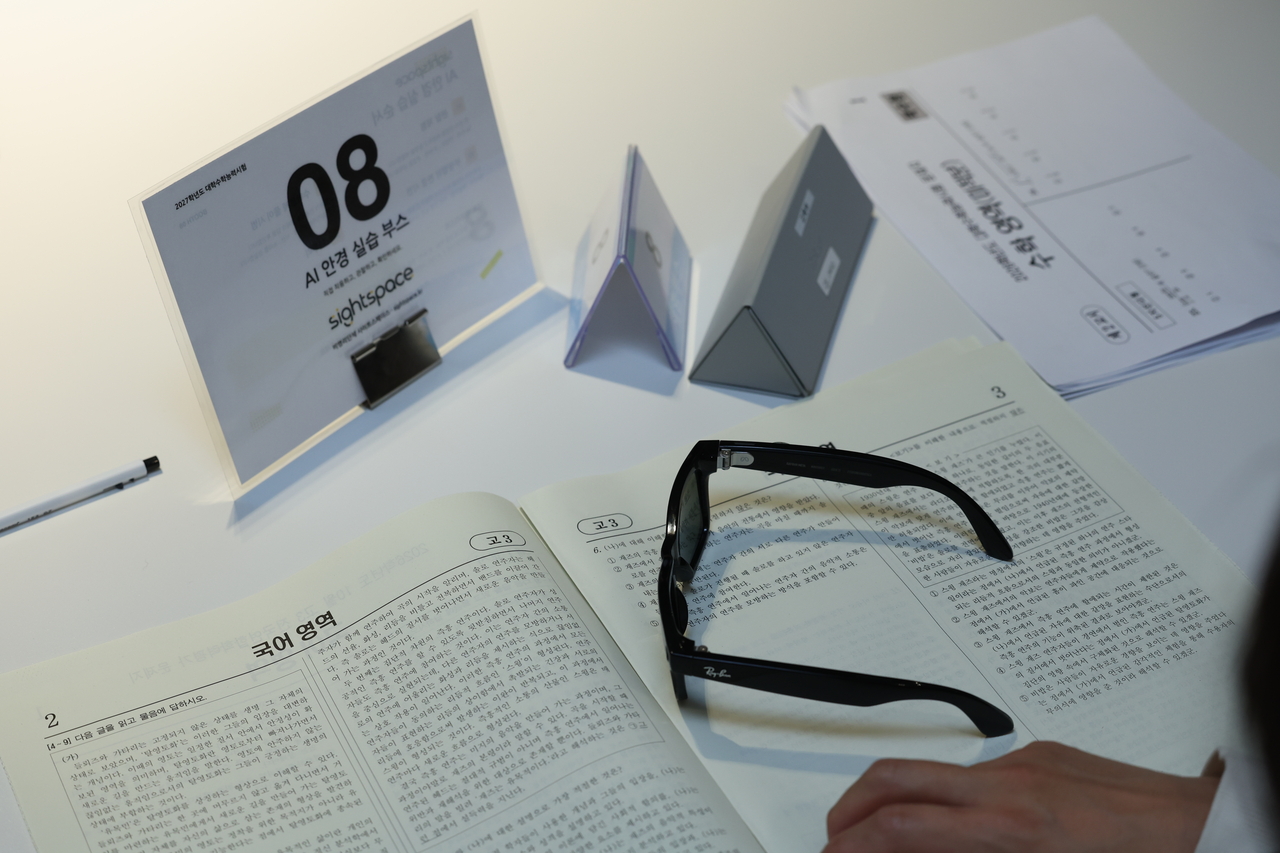
The revelation that the top scorer on this year's tax accountant licensing exam cheated using AI has put proctors of the College Scholastic Ability Test — now just three days away — on high alert.
Teachers already assigned to exam rooms say they are under enormous pressure. They must watch for prohibited devices — smart glasses, miniature cameras and rice-grain-sized earphones — yet the naked eye has its limits. Proctors must first detect any signs of suspicious behavior from test-takers concealing banned electronics. They must also respond directly when other examinees report that someone appears to be cheating, all in an atmosphere where everyone's nerves are on edge.
As controversy exploded over the weekend, the Ministry of Education said it would station smart glasses identification specialists at every test site nationwide on exam day. But the variables proctors face on the ground have only multiplied. The prospect of pushback from innocent test-takers — and the complaints and damage claims that could follow — still weighs heavily on teachers.
Cheating devices nearly impossible to spot with the naked eye — proctors fear complaints and liability claims
Han, the top scorer on this year's 63rd tax accountant licensing exam, had denied any wrongdoing before abruptly acknowledging it on Sunday. Han said the cheating involved a device other than the smart glasses that had originally been suspected. The exam's proctors had detected no suspicious behavior whatsoever. The Human Resources Development Service of Korea said it had checked with all four supervisors who monitored Han's first- and second-stage exams, and each said they had noticed nothing to suggest cheating. Even with two proctors in the room, the use of an electronic device went completely undetected.
Teachers assigned to proctor the CSAT must weigh catching such devices against avoiding any disruption to test-takers. Under Ministry of Education guidelines, even if a proctor suspects a student of wearing smart glasses, the glasses cannot be removed mid-exam. The check must wait until the session ends and all question sheets and answer sheets have been collected.
Yet even inspecting glasses during a break leaves both proctors and students in a difficult position. A student who cannot read without their glasses will struggle to prepare for the next session while waiting for the check to conclude. And if the glasses turn out to be ordinary, the proctor may face complaints about wasting the student's break time with an unnecessary inspection.
A Seoul high school teacher with CSAT proctoring experience said pulling a suspected student aside during a break is a heavy burden. "If the glasses turn out to be ordinary, there will definitely be complaints asking why that student alone was singled out and had their break taken away," the teacher said.
Another high school teacher said proctoring the CSAT was already one of the most dreaded assignments even in normal years, and that the AI glasses issue has made things considerably worse. "I joke that I wish my middle school daughter were sitting the CSAT this year," the teacher said. Teachers are typically excused from proctoring duty in years when their own children are taking the exam — a remark that underscores just how burdensome the assignment feels this year.
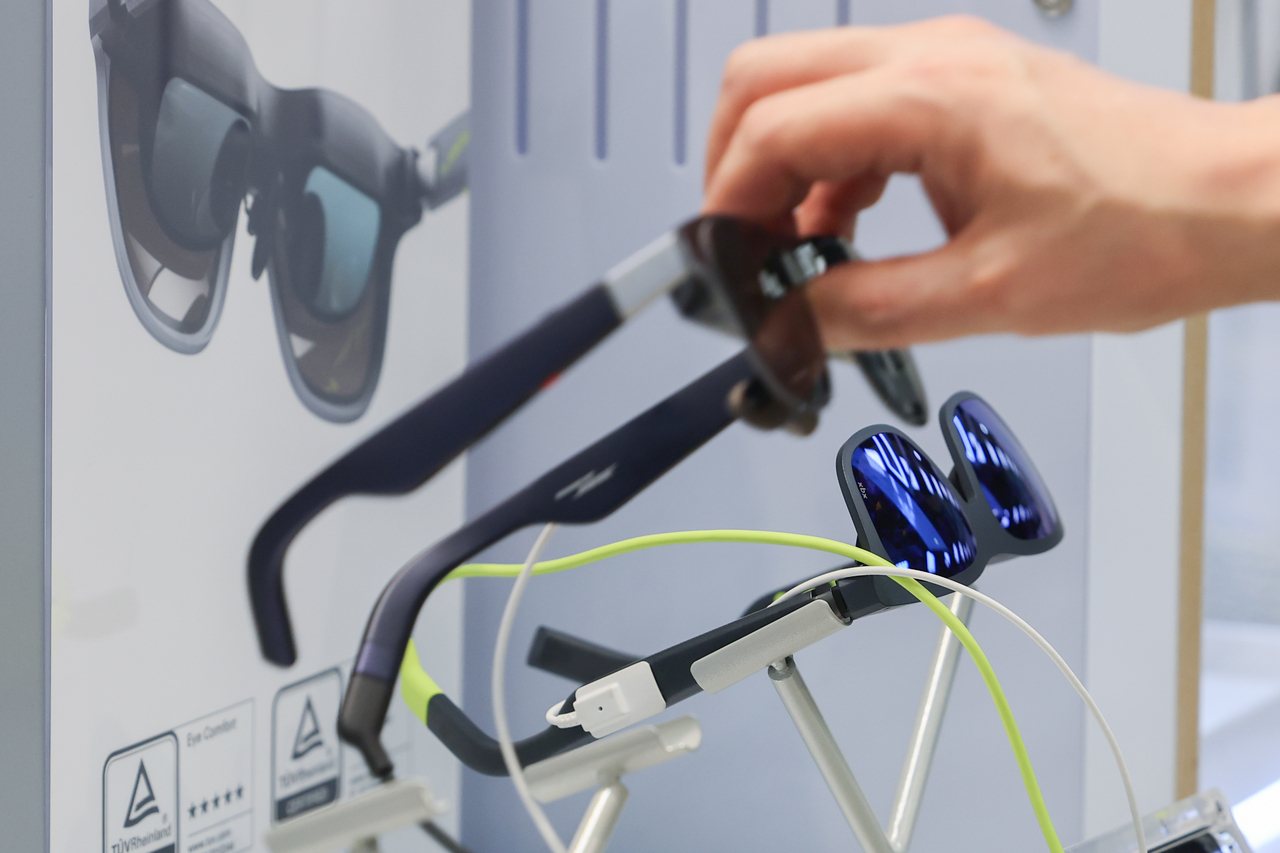
Education Ministry expands insurance coverage; teachers' unions demand clearer division of responsibility
The Ministry of Education said it is working on measures to address both smart glasses detection and cheating more broadly, and stressed that individual proctoring teachers will not be left to make identification calls on their own.
The ministry is also strengthening insurance coverage in case disputes arise during the exam. It will expand the scope and claims period of the liability insurance it takes out on behalf of all CSAT proctors this year, covering legally mandated damages, attorney fees, and litigation and mediation costs arising from incidents during proctoring duties.
Teachers' unions, however, said specialists and insurance alone are not enough to ease the burden teachers feel inside the exam room. The specialists step in only after a teacher has already flagged a specific student's glasses for review. The insurance covers costs only if that judgment leads to a dispute.
What proctors actually need, the unions said, are clear standards for when suspicion is sufficient to request a check, and defined procedures spelling out who explains the situation and handles complaints when a student wearing ordinary glasses objects.
The Korean Federation of Teachers' Unions issued an emergency statement on Sunday calling on the ministry to immediately supplement its proctoring guidelines to cover devices beyond smart glasses. While the ministry has instructed proctors to check smart glasses after each session, the unions said it remains insufficiently clear when proctors should intervene — and how far they should go — when cheating with other devices, such as miniature cameras, is suspected.
The federation said it is unreasonable to expect teachers overseeing an entire exam room to visually identify every new type of device. It called for a clear division of roles in which the exam headquarters handles device verification while education authorities take responsibility for cheating determinations and dispute resolution.
"Teachers who proctor according to the guidelines must not be held responsible for failing to catch cheating that is impossible to detect with the naked eye," the federation said. "The Ministry of Education must clarify, before the CSAT, the procedures for dealing with cheating involving new devices and the responsibilities of the exam headquarters."
brunch@heraldcorp.com