63,000 foreign visitors from China, US, Taiwan and beyond attend the three-day event
Visitors in their 20s and 30s make up nearly half of attendance as festival draws younger crowd
Visitor numbers up 15.4%, card sales up 15.6% from last year; event ends without a single accident
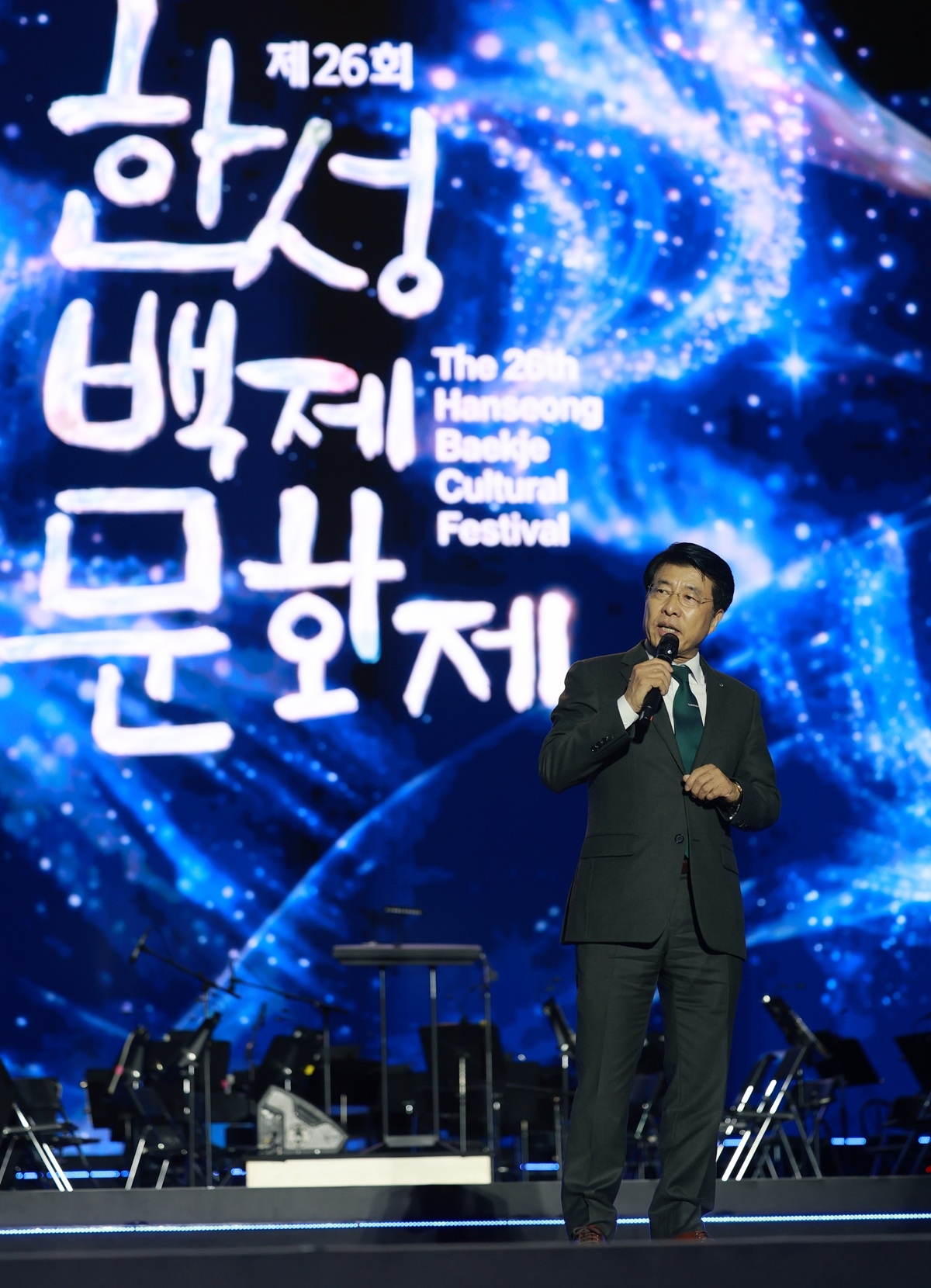
The Hanseong Baekje Cultural Festival, Songpa-gu's flagship annual event, has grown into a global attraction, drawing visitors from home and abroad while injecting new energy into the local economy.
More than 590,000 people attended the festival, and card sales at nearby businesses reached 7.4 billion won ($5.55 million) — a record high. The traditional culture festival has become a catalyst for local economic activity, driving not only tourist footfall but also consumer spending in neighborhood shops.
Songpa-gu announced that big data analysis of the 26th Hanseong Baekje Cultural Festival, held at Olympic Park's 88 Lawn from Oct. 23 to Oct. 25, recorded approximately 593,000 visitors and about 7.4 billion won in card sales at surrounding businesses.
The analysis drew on SK Telecom mobile population data and Shinhan Card spending figures to examine visitor movement patterns and consumption trends in the surrounding commercial district during the festival period.
Visitor numbers stood out. The three-day event attracted about 15.4% more visitors than the 514,000 who attended last year. Foreign visitors more than doubled compared with last year, and visitors in their 20s and 30s accounted for nearly half of total attendance — a sign that the festival's reach is expanding both domestically and internationally.
The most striking change was the surge in foreign tourists.
Of the 63,000 foreign visitors, 53,371 were tourists visiting South Korea from abroad — a 116.6% increase from 24,638 the previous year.
By country, China accounted for the largest share at 12.0%, followed by the United States (10.3%), Taiwan (7.2%), Indonesia (6.9%) and Japan (5.8%). The diverse mix of visitors from across Asia and beyond signals that the Hanseong Baekje Cultural Festival is gaining recognition as a truly international event.
Participation by younger generations also drew attention.
Among domestic visitors, those in their 20s were the largest group at 138,442, followed by those in their 30s at 116,082. Together, the two age groups made up 48.1% of all domestic visitors, up 1.5 percentage points from 46.6% last year.
The strong turnout from younger visitors is particularly meaningful for a festival rooted in history and tradition. Organizers attributed the trend to the blending of traditional culture with contemporary content and hands-on experience programs that appealed to younger audiences.
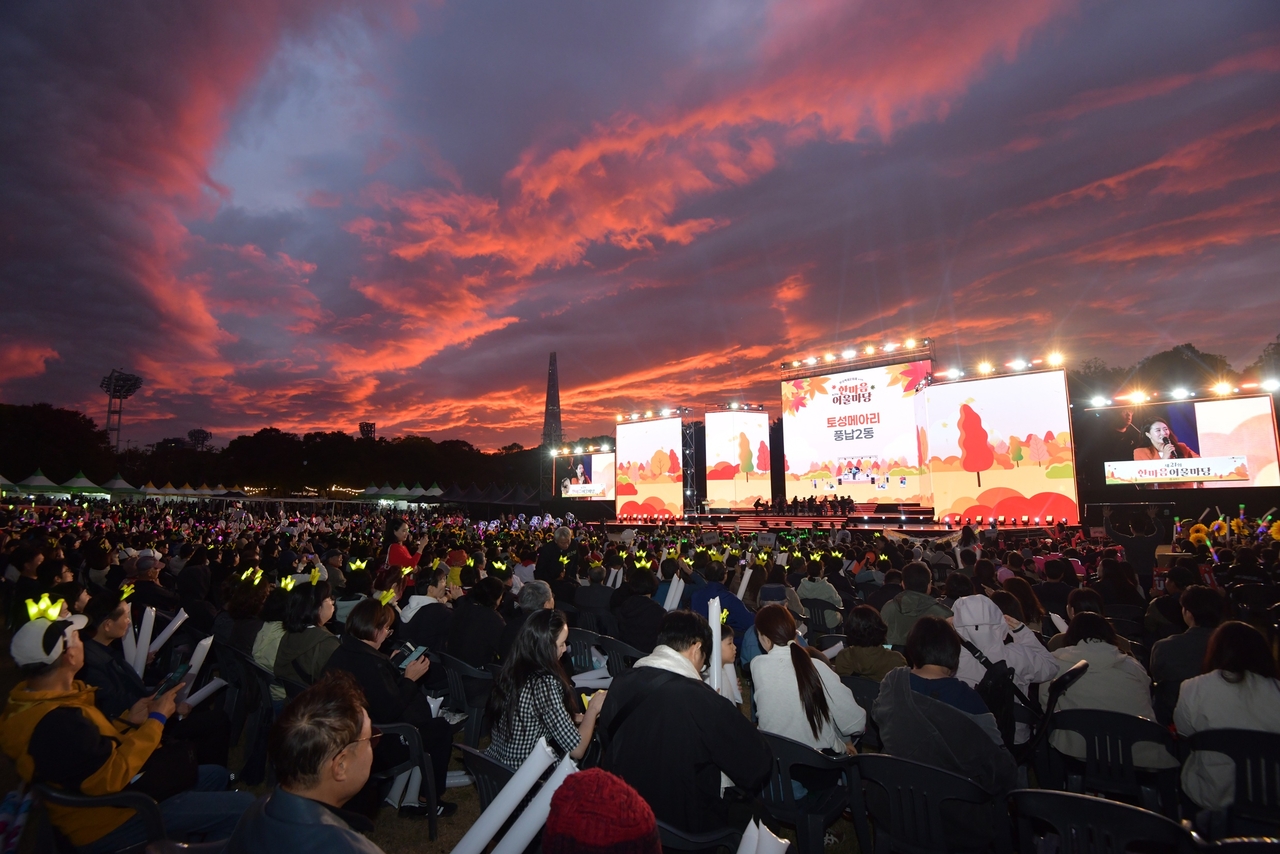
The festival's energy spilled over into the surrounding commercial district.
Card sales at nearby businesses during the festival reached about 7.4 billion won, up 15.6% from 6.4 billion won last year. Of that total, domestic visitors accounted for about 6.8 billion won, while foreign visitors contributed about 620 million won.
The rise in visitors translated directly into higher consumer spending, delivering tangible economic benefits to small business owners and neighborhood shops — a reminder that a festival's impact cannot be measured by attendance figures alone.
Completing the event without a single safety incident, despite the massive crowds, was also cited as a key achievement.
From the opening day, the district deployed emergency safety personnel and activated crowd-management measures, including visitor flow controls, to handle the large turnout. The event concluded without any safety incidents despite drawing more than 590,000 visitors.
"The results of this analysis show that the Hanseong Baekje Cultural Festival has achieved both goals — bringing in visitors and revitalizing the local economy," Songpa-gu District Mayor Seo Gang-seok said. "We will continue to incorporate data on visitor patterns by age group and region, and on spending trends, to develop the festival into one that people from around the world will want to attend."
seouldream01@heraldcorp.com