Up 23.5% from a year earlier as unmarried workers move to buy before marriage
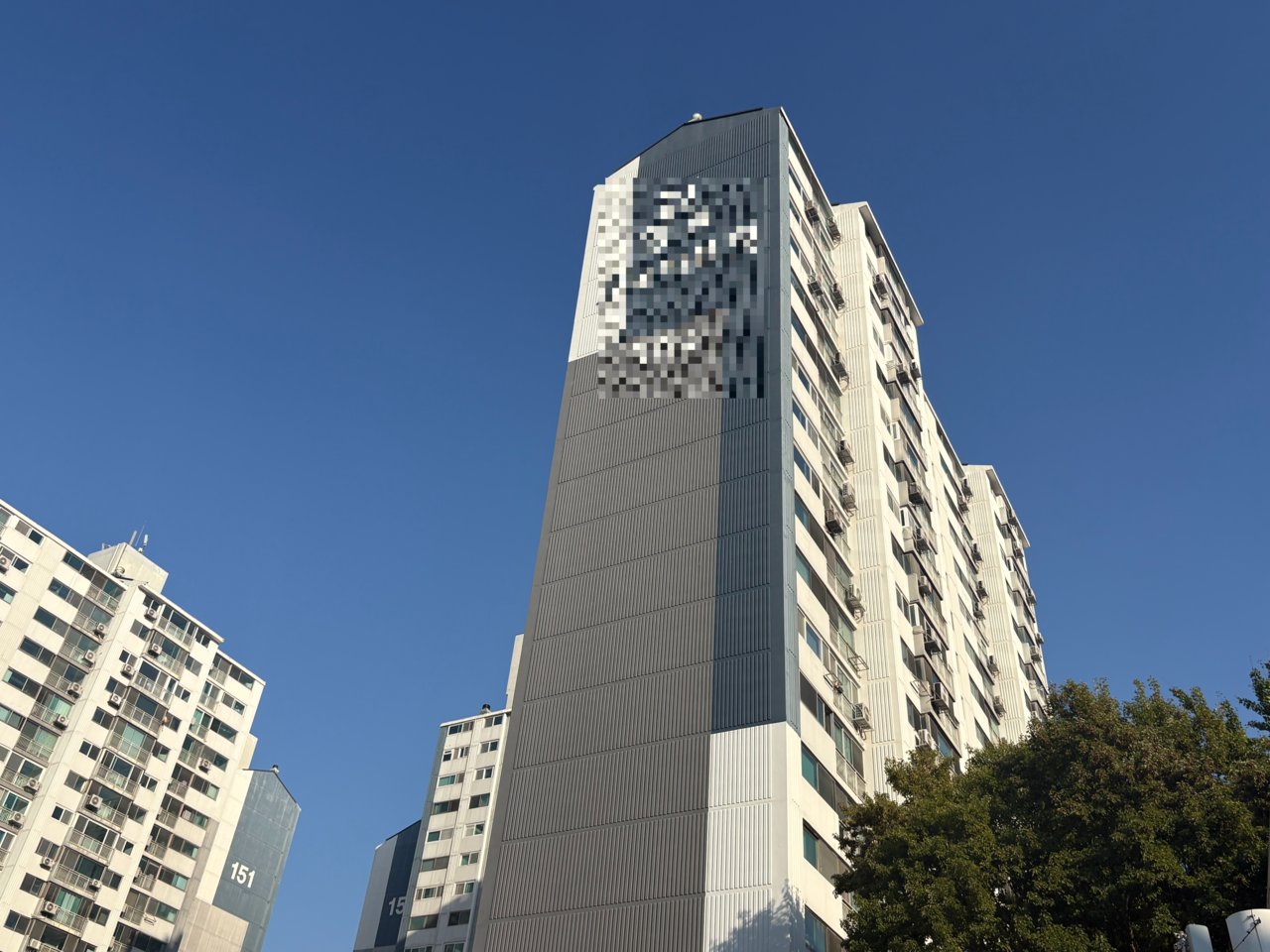
A post in a Samsung Electronics employee community reads: "I'm a single-person household planning to get married in three or four years. I'm thinking about buying a place to live for that period. Which apartments in the 900 million to 1 billion won range would you recommend?"
The number of first-time real estate buyers in Suwon, Gyeonggi Province has surpassed 13,000 as young workers rush to secure homes in the city's southern corridor. Buoyed by expectations of employment and income growth tied to the semiconductor industry boom — and bolstered by Samsung Electronics' low-interest in-house housing loans — young end-users are moving faster than ever to buy their first homes. Seven out of 10 first-time buyers in Suwon were in their 20s or 30s.
According to the Supreme Court's Registry Information Plaza, a total of 13,138 people filed for ownership transfer registration after purchasing a collective building in Suwon for the first time between January and October this year. That marks a 23.5% increase from the same period a year earlier, when the figure stood at 10,633 — a gain of 2,505 people in a single year.
By district, buying activity was most concentrated in Yeongtong-gu, the hub of the local semiconductor industry. Some 4,446 people bought their first home in Yeongtong-gu during the period, accounting for about 34 percent of Suwon's total. Of those, 3,634 — or 81.7 percent — were in their 20s or 30s. Jangan-gu followed with 3,400 first-time buyers, then Gwonseon-gu with 3,208 and Paldal-gu with 2,084.
Yeongtong-gu is home to Samsung Electronics' headquarters and major worksites, and also encompasses highly sought-after residential neighborhoods such as Gwanggyo, Yeongtong and Mangpo. Its proximity to Samsung's facilities, combined with strong transport links, schools and everyday amenities, has sustained steady demand from working residents. Analysts say growing optimism about the semiconductor sector is drawing more young buyers who want to establish a residential base close to their workplace.
A shift in buying patterns is also emerging. Where purchases were once typically tied to life events such as marriage or the birth of a child, unmarried workers are increasingly buying homes before they wed. Rather than renting and saving, they are choosing to lock in housing while they are relatively young and earning a stable income — reducing both ongoing housing costs and the risk of being priced out later. Posts in Samsung Electronics' employee community show single-person households weighing purchases of apartments in the 900 million to 1 billion won ($751,000) range, even with marriage still years away.

Samsung Electronics' housing-support loan program is also cited as a factor expanding young workers' purchasing power. Starting in September, the company began offering in-house loans of up to 500 million won to employees who do not own a home, at an annual interest rate of 1.5 percent. Eligible properties must be priced at 2.5 billion won or below, and in the greater Seoul metropolitan area the exclusive use area must not exceed 85 square meters. The loans are also not subject to the debt service ratio regulation. Because employees can secure a substantial sum at a rate well below standard mortgage rates, the program has meaningfully lowered the barrier to homeownership for staff who previously lacked the financial means.
The buying momentum is feeding through to local prices. According to the Korea Real Estate Board's weekly apartment price survey for the second week of November (based on data through Monday), apartment sale prices in Suwon's Yeongtong-gu rose 0.60 percent from the previous week — an acceleration from the 0.43 percent gain recorded the week before, and one of the strongest increases among major districts in southern Gyeonggi Province. Over the same period, Paldal-gu rose 0.39 percent, Jangan-gu 0.31 percent and Gwonseon-gu 0.26 percent, with all four of Suwon's districts posting gains.
Yeongtong-gu's rise is drawing particular attention because it is occurring alongside gains in neighboring semiconductor hubs such as Yongin and Hwaseong. Giheung-gu in Yongin rose 0.63 percent over the same period, while Dongtan-gu in Hwaseong gained 0.56 percent. Residential demand driven by the semiconductor industry in southern Gyeonggi Province appears to be spreading beyond individual districts into adjacent communities.
"As overheating in southern Gyeonggi Province, centered on Suwon, continues, a price-alignment effect is taking hold in surrounding areas," said Nam Hyeok-woo, a real estate researcher at Woori Bank. "As popular residential areas tied to the semiconductor industry hold firm, tenants whose leases are expiring and buyers with less purchasing power are moving into neighboring areas and entering the market for the first time."
hss@heraldcorp.com