Seoul Metropolitan Government's winter comprehensive plan runs through March 15 next year
'Ongiso' cold shelters — the winter version of summer's 'Happiso' — planned for Hongjepokpo and other high-traffic areas
De-icing agents to be spread within 60 minutes; new rest stops for delivery workers
312 dedicated snow-removal teams near subway stations; 50,000-won winter allowance for 267,000 low-income households
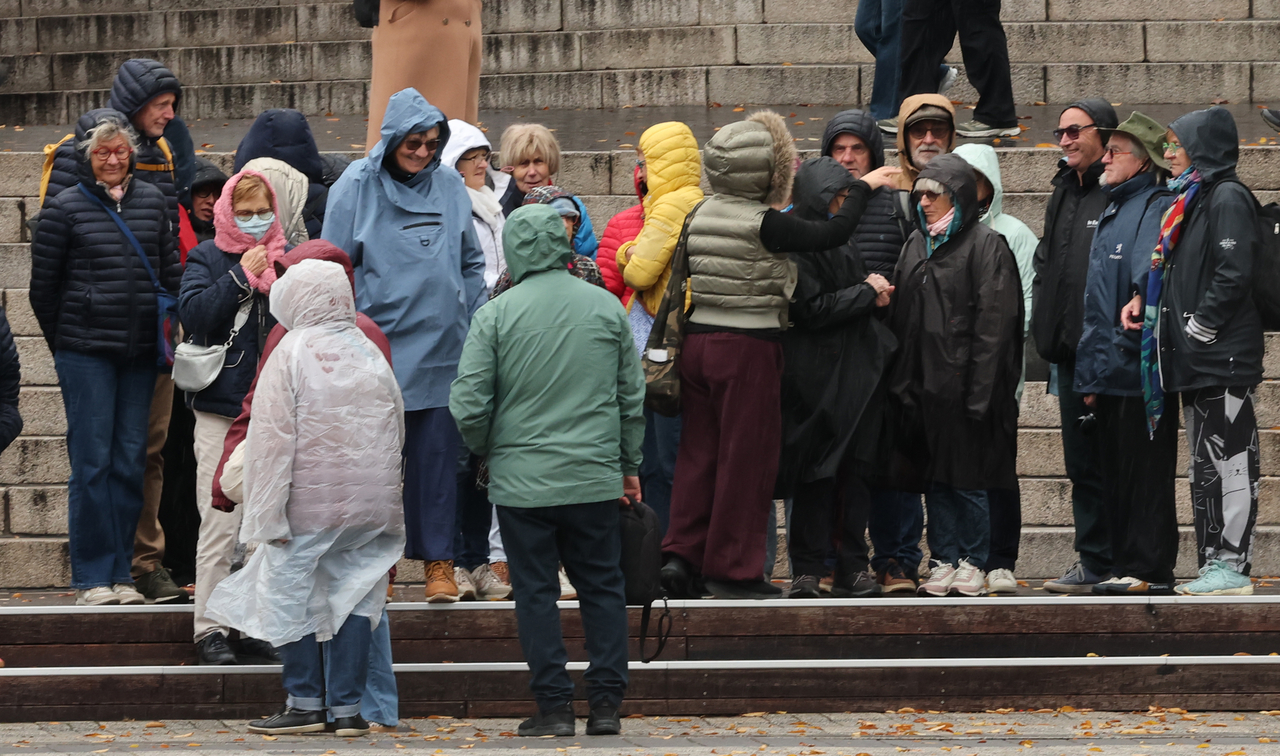
The Seoul Metropolitan Government is strengthening its cold-weather response system to protect vulnerable residents from winter cold snaps and heavy snowfall, expanding its safety net and accelerating snow-removal operations.
This winter, the city will introduce "Ongiso" — portable outdoor cold shelters — for the first time. It will also cut the time required to spread de-icing agents from a maximum of 120 minutes to within 60 minutes, and will deploy dedicated snow-removal teams at 312 locations near subway stations.
The Korea Meteorological Administration forecasts that the El Niño currently under way will develop into the strongest on record this winter. During El Niño winters, a strengthened high-pressure system to the east of the Korean Peninsula draws in warm, humid air, pushing temperatures above seasonal norms while also increasing precipitation — making heavy snowfall a particular concern. Cold snaps remain a variable as well, the agency said.
The city said it will carry out its "2026 Winter Comprehensive Plan" from Sunday through March 15 next year, covering 14 tasks across four areas: cold-weather response, snow removal, safety and daily life.
To guard against cold snaps, the city will introduce the Ongiso — a mobile, air-dome-style outdoor shelter equipped with heating and rest facilities.
The shelters serve as the winter counterpart to the "Happiso" spaces set up during summer heat waves. Starting next month through February next year, they will be installed at high-traffic locations including Gwanghwamun Square and Hongjepokpo waterfall.
The city will also set up two 24-hour unmanned container-style rest stops for delivery riders and other mobile workers. Eating areas at roughly 3,000 CU convenience stores will double as informal rest spaces, and a "mobile worker shelter on wheels" — using small buses — will operate during peak hours in areas with high concentrations of mobile workers.
A total of 1,461 cold shelters open to all residents will be in operation, along with 409 "Climate Companion Shelters" run in partnership with private businesses such as convenience stores, banks and telecommunications retailers. Facilities that reduce cold exposure — heated benches, windbreak tents and the like — will expand to more than 5,800 locations.
The city will check on the welfare of 43,957 elderly residents who need care, and monitor roughly 13,000 high-risk households through Internet of Things devices. An additional 2,327 low-income elderly residents with limited mobility will receive dosirak meal boxes and side dishes.
To protect people experiencing homelessness, the city will increase street outreach staff from 48 to 113 during cold-snap alerts, conducting patrols four to six or more times a day. Eight public canteens will provide free meals to 1,886 people daily, and emergency overnight capacity will expand from 362 to up to 675 people per night.
Five overnight cold-weather shelters will operate for residents of goshiwon-style housing, and emergency safety equipment — including fire and activity detectors — installed in 2,106 households of severely disabled residents will be inspected.
Some 267,000 low-income households will each receive a 50,000-won ($38) winter allowance. Around 31,000 energy-vulnerable households will receive heating tents and winter blankets, alongside emergency welfare support and energy vouchers.
To prevent water meters from freezing, the city will complete insulation work — covering 304,275 meters with insulating materials and protective covers — by the end of this month. A 24-hour emergency repair system will also be in place for freeze-related bursts and leaks.
The city is also overhauling its snow-removal system. The time for a single round of de-icing agent application will be cut from 90–120 minutes to within 60 minutes, and the number of arterial road snow-removal routes will increase by 38 from last year to 525.
The number of routes covered by the "snow-removal route accountability system" — which assigns a designated official to each sidewalk and back-road route — will grow by 465 from last year to 1,829.
Dedicated snow-removal teams will be newly deployed at 312 locations near subway stations, and areas around 7,109 bus stops and other public transit facilities will receive intensive management to prevent slip-and-fall accidents.
Safety infrastructure on snow- and ice-prone stretches will increase from 1,857 locations last year to 2,053 this year, a gain of 196. The city will also operate 1,058 road heating cables and 609 automatic brine-spraying devices. Plans call for securing 16,848 snow-removal workers, 3,095 pieces of equipment including 1,265 snow-removal vehicles, and 85,354 tons of de-icing agents.
To detect signs of snowfall early and respond quickly, a disaster safety command center involving 33 agencies — including the Seoul Metropolitan Government, 25 autonomous districts, six road management offices and the Seoul Facilities Corporation — will operate around the clock. Meteorological Administration forecast specialists and a closed-circuit snowfall monitoring system will be used to begin snow-removal operations before snow accumulates.
The city will also prepare tiered emergency transport measures for heavy snowfall. When a Level 2 snow-removal alert is issued, peak-hour bus and subway service will each be extended by 30 minutes. Replacement buses will be deployed if subway service is suspended.
Alongside this, the city will step up safety inspections at 2,771 fire-vulnerable facilities and multi-use venues such as construction sites and performance halls, and will activate a winter emergency medical system linked to 71 emergency medical institutions.
Some 2,000 households — home to children, elderly people living alone or people with disabilities — that lack sprinkler systems will receive automatic fire-suppression devices. Joint inspections of vulnerable residential facilities such as goshiwon clusters and evacuation drills for facilities serving people with disabilities and the elderly will also be conducted.
To prevent cold- and snow-related accidents, the city will inspect 600 public and private construction sites, 307 large private sites, 29 public sites and 58 urban infrastructure sites. Inspections will also be strengthened at 473 performance venues, 109 city parks, 3,301 public sports facilities and 15 campsites.
To handle winter medical emergencies, the Seoul Integrated Disaster Prevention Center will be linked to 71 emergency medical institutions. A disaster medical support team of 980 personnel — organized into 89 units of doctors, nurses and paramedics — will be on standby for mass-casualty events.
From next month through March next year, the city will enforce its seasonal fine-dust management program, restricting vehicles with Grade 5 emissions ratings from operating anywhere in Seoul on weekdays between 6 a.m. and 9 p.m. Violators will face a fine of 100,000 won per day.
A new "heating reduction citizen action event" will encourage voluntary energy conservation. Residents who certify a reduction in city gas usage compared with the same month the previous year will receive 1,000 Eco-Mileage points.
The supply of 12 seasonal staples — including cabbage, radish and pollock — will be expanded to 105 percent of the average transaction volume over the past three years.
Locations of cold shelters and cold-reduction facilities can be found on the Seoul Safety Nuri website. Residents eligible for energy vouchers may apply at their local community center by Dec. 31.
Kang Gyeong-hun, acting policy planning officer for the Seoul Metropolitan Government, said the city would "look after neighbors vulnerable to cold snaps with greater care and respond swiftly to heavy snowfall, so that all residents can spend a safe and warm winter."
ken@heraldcorp.com