Apple's Jobs, OpenAI's Altman among founders ousted from their own companies
Some returned to revive their firms — others never came back
Huang's exit over affair scandal seen as a harder case for a comeback
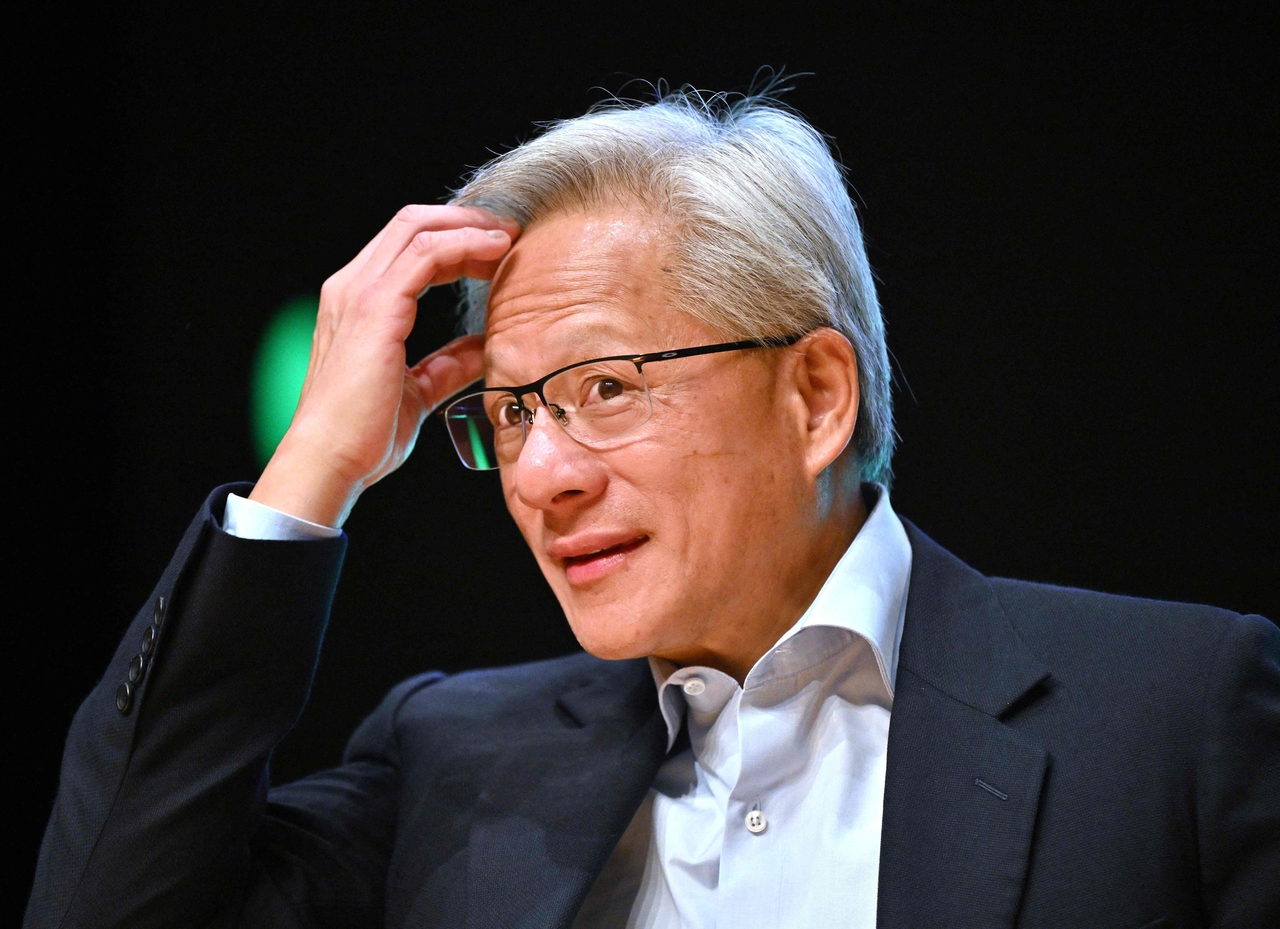
The ouster of Jensen Huang as Nvidia CEO over a series of affair allegations has added another chapter to Silicon Valley's long history of founders being pushed out of the companies they built — and is now drawing fresh attention to whether Huang could one day follow in the footsteps of those who managed to return.
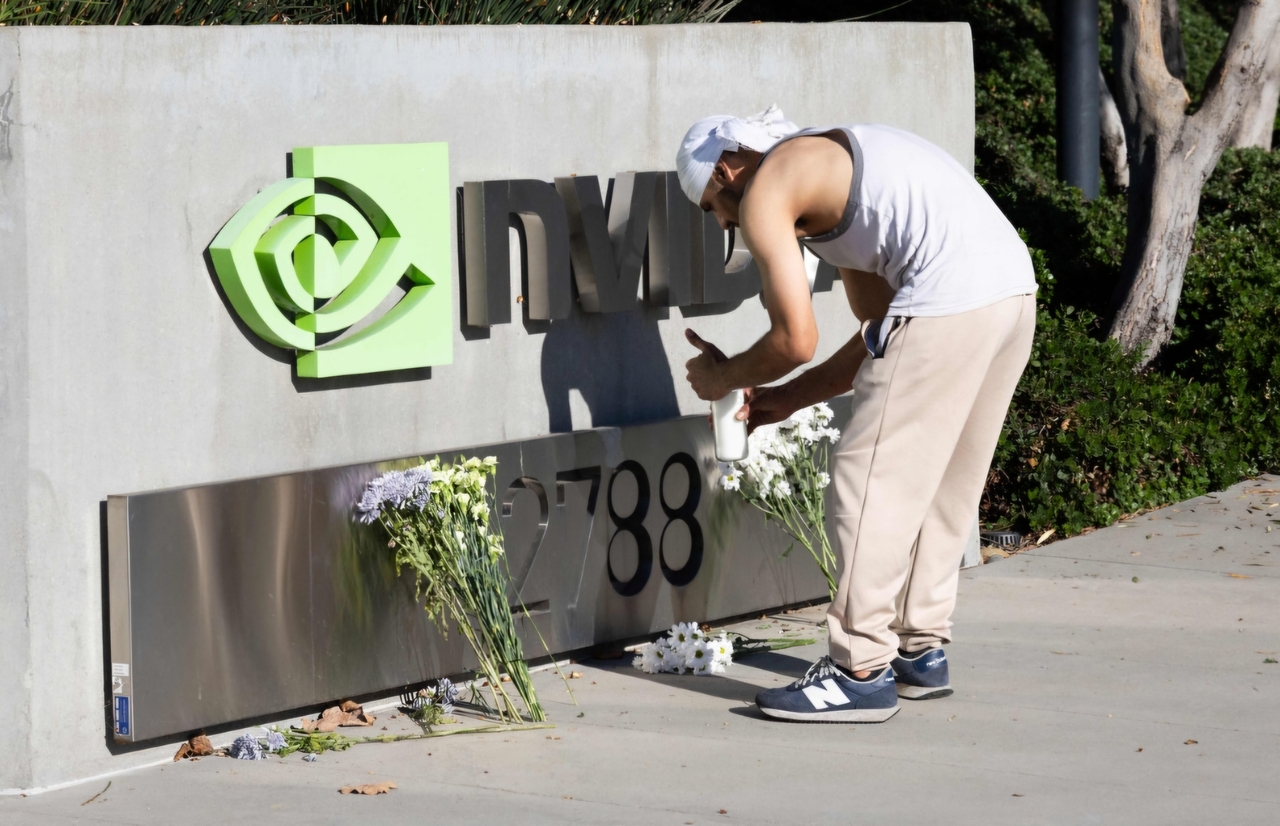
Entrepreneur, a US business publication, on Thursday (local time) revisited cases of founders forced out of the companies they created, with Apple's Steve Jobs among the most prominent examples. Jobs co-founded Apple with Steve Wozniak in 1976 at the age of 21, but was ousted in 1985 following a clash with John Sculley — the professional manager Jobs himself had recruited — after an anonymous board vote.
Jobs went on to write one of Silicon Valley's greatest comeback stories. After Apple lost ground in the PC market and struggled financially, calls to bring him back grew louder, and he returned in 1997. He then revived the company with a string of landmark products — the iPod (2001), the iPhone (2007) and the iPad (2009) — and came to so thoroughly embody Apple that the two names became virtually synonymous.
Twitter co-founder Jack Dorsey also suffered the indignity of being fired from the company he helped create. He served as CEO from 2006 before being ousted in 2008, officially over frequent absences and his management style, though many observers attributed his exit to a power struggle with fellow co-founder Evan Williams.
Dorsey, too, staged a successful comeback. He returned as CEO in 2015, and the company's share price surged 85 percent in the period that followed. He led Twitter until 2021, when Elon Musk acquired it; the platform now operates under the name X.
More recently, OpenAI's Sam Altman experienced a brief but similar humiliation. The OpenAI board abruptly announced his dismissal in 2023, citing disagreements over the pace of AI development. The move collapsed within five days, however, after 90 percent of employees signed a letter threatening to leave if Altman did not return. The episode — ending with Altman reinstated as CEO — became known as "The Blip."
Not every founder has completed the ouster-and-return arc. Travis Kalanick, who co-founded ride-sharing service Uber in 2009, stepped down in 2017 under pressure from investors who questioned his leadership. He was already besieged at the time by internal sexual harassment complaints, an intellectual property lawsuit and a government investigation, and resigned immediately after investors sent a letter demanding he do so. He later sold off a large block of Uber shares in 2019 and left the board entirely, severing all ties with the company.
Silicon Valley has seen no shortage of founders who built companies on the strength of their technical instincts, only to stumble in the management phase and find themselves pushed out. Against that backdrop, some observers have raised the possibility that Huang could return to Nvidia, much as Jobs and Altman did.
Others, however, argue that Huang's case is fundamentally different. Unlike Jobs or Dorsey, who were ousted over strategic disagreements or internal power struggles, Huang was forced out over a personal affair scandal — a distinction that many say makes a comeback far less likely. Amazon founder Jeff Bezos and Google co-founder Sergey Brin both faced similar controversies over extramarital affairs, and both have since stepped back from day-to-day management, remaining on the sidelines even after their respective divorces.
By Do Hyun-jeong
kate01@heraldcorp.com