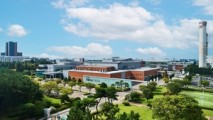
Tourist arrivals at major Yeosu attractions rose 83 percent from a year earlier, while food-sector spending climbed 26 percent during the expo period.
Seafood promotion events, a half-price island travel subsidy and upgraded island infrastructure delivered the fair's most tangible results well beyond the expo gates.
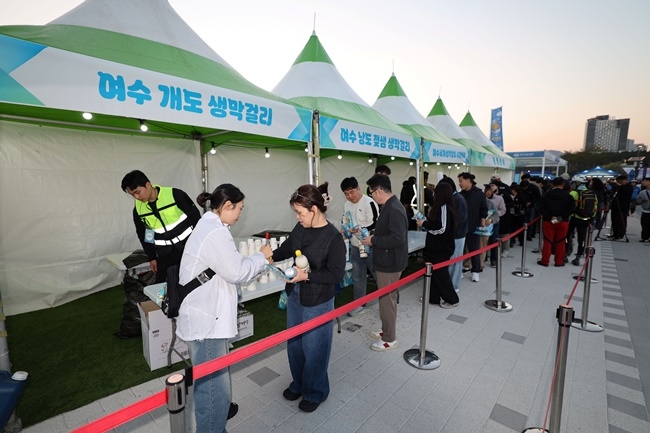
The 2026 Yeosu World Islands Expo closed its two-month run after drawing about 2.54 million visitors — and the clearest measure of its success showed up not at the ticket booth but on the credit card terminals of local businesses across Yeosu.
The expo was the world's first international fair devoted entirely to islands as a theme, reframing them not as places of neglect but as reservoirs of culture and ecology and elevating island issues to a national policy agenda. Its legacy, organizers say, runs well beyond the attendance figures.
According to the organizing committee's final tally, visits to major tourist sites in Yeosu during the September–October expo period reached about 3.9 million — up 83.1 percent from the same period last year and 94.9 percent above the five-year average.
The 2.54 million people who passed through the expo gates, in other words, kept walking — into the restaurants, shops and attractions spread across the wider city.
The surge in visitors translated directly into spending, and the numbers bear that out.
Card spending by out-of-town visitors in Yeosu in September alone reached 48.8 billion won ($36.6 million), up 10.9 percent from the same month last year.
Over the same period, spending at food establishments rose 25.9 percent and total card payments climbed 11 percent — figures that reflect expo visitors spreading out to explore the city's attractions and feeding revenue into the broader local economy.
Autumn festivals, sporting events and the perennial draw of Yeosu's famous night seascape all contributed to the numbers, but the boost to local consumption is undeniable.
Inside the expo grounds, the range of attractions proved wider than many expected, keeping visitors on site longer than anticipated.
A total of 240 performances and events were staged at the main venue. Daytime programming centered on exhibitions and hands-on experiences, while evenings brought open-air concerts against the backdrop of the sea, drawing visitors to linger for the sunset and night views — and then continue into Yeosu's downtown commercial districts after dark.
The expo period also served as a forum for longer-term thinking. The proposed Jeonnam-Gwangju integrated special city and Yeosu jointly organized sessions to discuss sustainable island development, covering economic revitalization and improvements to living conditions.
The 2026 International Islands Forum, themed "Vibrant Islands, Encountered on the Ground," was held Oct. 13-14 at Sono Calm Hotel near Odongdo and the Gaedo Island Fishing Village Culture Center, bringing together experts and island residents to explore paths for global island cooperation.
The forum addressed a broad agenda — boosting island tourism, the coexistence of fisheries and green new deal initiatives, and improving living conditions to counter population decline — underscoring the untapped potential of island resources.
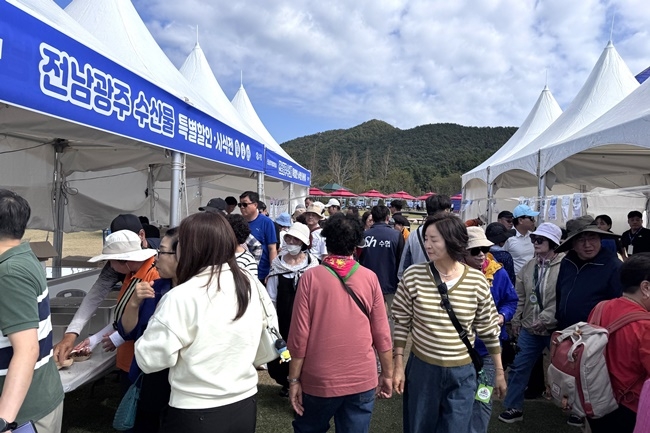
The expo also opened new sales channels for the seafood and island produce that define Yeosu, a city surrounded by 365 islands.
From mid-October through early November, a series of large-scale seafood events ran in succession — a special discount fair organized by the National Federation of Fisheries Cooperatives, a direct-sales market featuring local seafood companies, and a major showcase involving fishers from 15 branches of the South Jeolla Province–Gwangju integrated special city chapter of the Korea Fisheries Business Management Association.
Featured products included seoidae (a flat fish caught abundantly off Yeosu), croaker, octopus, live abalone from Wando, wild seaweed from Jindo, gochujang-marinated dried yellow croaker from Yeonggwang, and dried laver from Jangheung and Gangjin — all from South Jeolla Province, the nation's top seafood-producing region — sold at discounts of up to 25 percent.
The food promotion events gave fishers a direct channel to sell their catch to visitors, widening their market reach and boosting income — an attraction in their own right within the expo program.
A subsidy program lowered the cost of visiting the islands themselves, channeling visitor spending beyond the expo grounds.
The "half-price island travel" scheme refunded half of accommodation, dining and ferry costs — up to 100,000 won per person — as Yeosu Love Gift Certificates redeemable at local businesses, covering 10 islands including Geumodo, known for its Bireong Trail, as well as Gaedo and Geomundo.
Ferry fares were also subsidized at half price. Visitors paid less, and the gift certificates they received cycled back into the local economy — a self-reinforcing loop.
Ferry ridership between Gaedo and Geumodo during the expo period reached 153,135 — up 20 percent from last year. Visitor arrivals on Gaedo in Hwajong-myeon rose 25 percent, and arrivals on Geumodo climbed 17 percent.
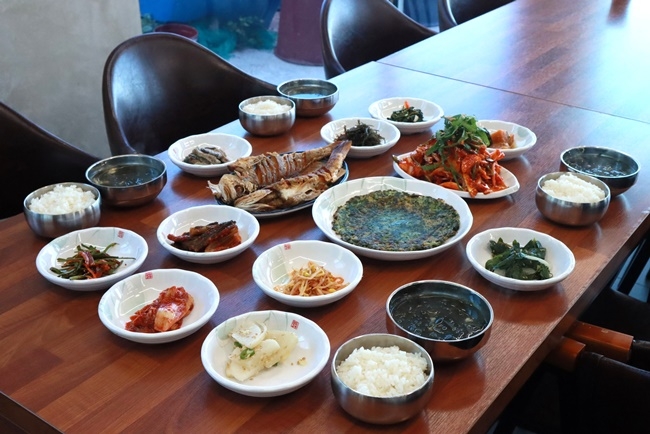
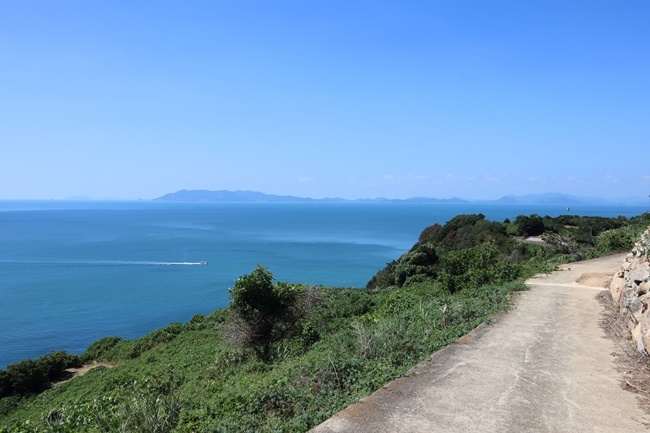
Spending on the islands themselves — on meals and overnight stays — also increased, according to the organizers' data.
"One night, three meals" packages and island wellness dining programs operated at 68 locations across eight islands, while alternative lodging facilities spanning 24 rooms on seven islands recorded 163 bookings totaling 647 guests.
The expo tested a new model of island travel — not a quick visit and departure, but an extended stay where visitors eat, sleep and spend money on the islands.
The infrastructure built for the expo will remain. The Gaedo Island Fishing Village Culture Center, a 68-unit island camping ground, seven floating piers and eight mooring points will continue to support island tourism long after the fair has closed.
Improvements to the Bireong Trail and upgrades to island restaurants and guesthouses have laid the groundwork for a structural shift in how island tourism operates — which is why the expo's impact cannot be measured by ticket revenue alone.
The organizing committee, in keeping with the public nature of the event, broadened admission fee waivers to allow island residents, Yeosu citizens and children wider access to the expo, prioritizing the spread of awareness about island resources over gate receipts.
Ticket sales came in at 5.8 billion won, falling short of the original target of 12 billion won — a disappointment. But the economic effects the expo generated outside the venue, across tourist sites, commercial districts and the islands themselves, are encouraging.
The expo confirmed the wide potential of Yeosu's 365 islands and South Korea's 3,390 islands nationwide — a meaningful achievement that goes beyond any single figure.
A formal economic impact analysis is also planned. The organizing committee will commission a study this month through January next year and release the findings once they are available.
At the closing ceremony Nov. 4, Yeosu Mayor Seo Yeong-hak said the city would work to carry the expo's momentum into tourism, MICE, a joint bid with the Yeongnam and Honam regions for COP33, and the cultural industries.
The Yeosu World Islands Expo deserves to be judged by the ledger of the local economy, not just the ledger of admission fees.
If the expo's remaining facilities — the theme island zone and island-themed areas — are developed into tourism anchors, the International Islands Forum continues, and Yeosu secures the hosting of the 33rd Conference of the Parties to the UN Framework Convention on Climate Change (COP33), scheduled for 2028, the economic effects of those 61 days could endure as a lasting tourism asset.
If the 2012 Yeosu World Expo put Yeosu on the map as a city of the sea, the 2026 Yeosu World Islands Expo transformed the islands on that sea into a stage that drives the local economy — a legacy that will outlast the fair itself.
parkds@heraldcorp.com