National Institute of Biological Resources releases comprehensive evaluation of 100 habitats nationwide
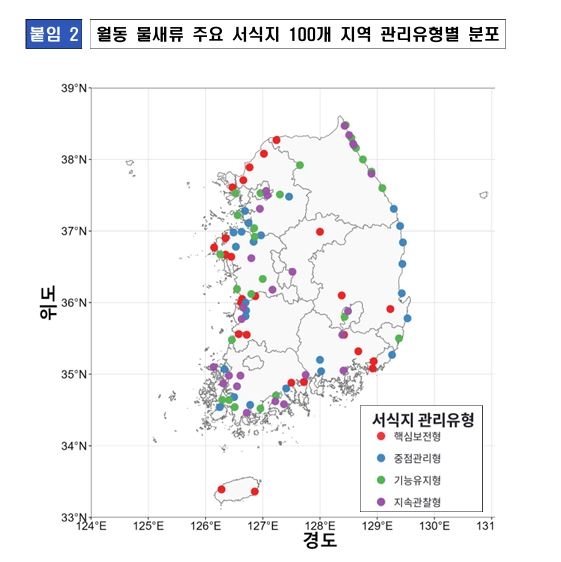
Suncheon Bay has ranked second among 100 major winter migratory bird habitats nationwide in a comprehensive evaluation released by the National Institute of Biological Resources under the Ministry of Climate, Environment and Energy, earning designation as a "core conservation" site — the highest management category.
The evaluation drew on data from the institute's Winter Bird Simultaneous Census, a survey program that has tracked the community characteristics of wintering waterfowl on the Korean Peninsula since 1999 — a span of 27 years — to guide more effective habitat management. The institute is based in Incheon.
According to Suncheon city, the survey comprehensively analyzed the ecological value and conservation needs of 100 major winter migratory bird habitats across the country.
Six standardized indicators were used in the assessment: average population size, year-to-year stability, dominant species structure stability, continuity of representative species, long-term trends and the appearance of endangered species.
Based on those indicators, the 100 sites were divided into four management types — core conservation, priority management, functional maintenance and continuous monitoring — with 25 sites assigned to each category.
The eastern coast of Jeju topped the rankings with a score of 0.798, while Suncheon Bay came in second with a composite score of 0.788 — a margin of just 0.010 points. Cheorwon in Gangwon Province placed third, followed by Geumgang Lake in fourth and the Imjin River in fifth.
The Suncheon Bay wetlands area received relatively high marks for year-to-year stability (0.931) and long-term trends (0.981), and earned a particularly strong score for the appearance of endangered species (0.907), securing its designation as a core conservation site.
Notably, the Gwangyang Bay–Galsa Bay area in Hadong, South Gyeongsang Province, was also classified as a core conservation site alongside Suncheon Bay.
The core conservation designation applies to habitats that migratory birds have used stably over a long period and that require active protection.
Suncheon Bay's classification reflects its high ecological value as a stable wintering ground for winter migratory birds and a key habitat for endangered species.
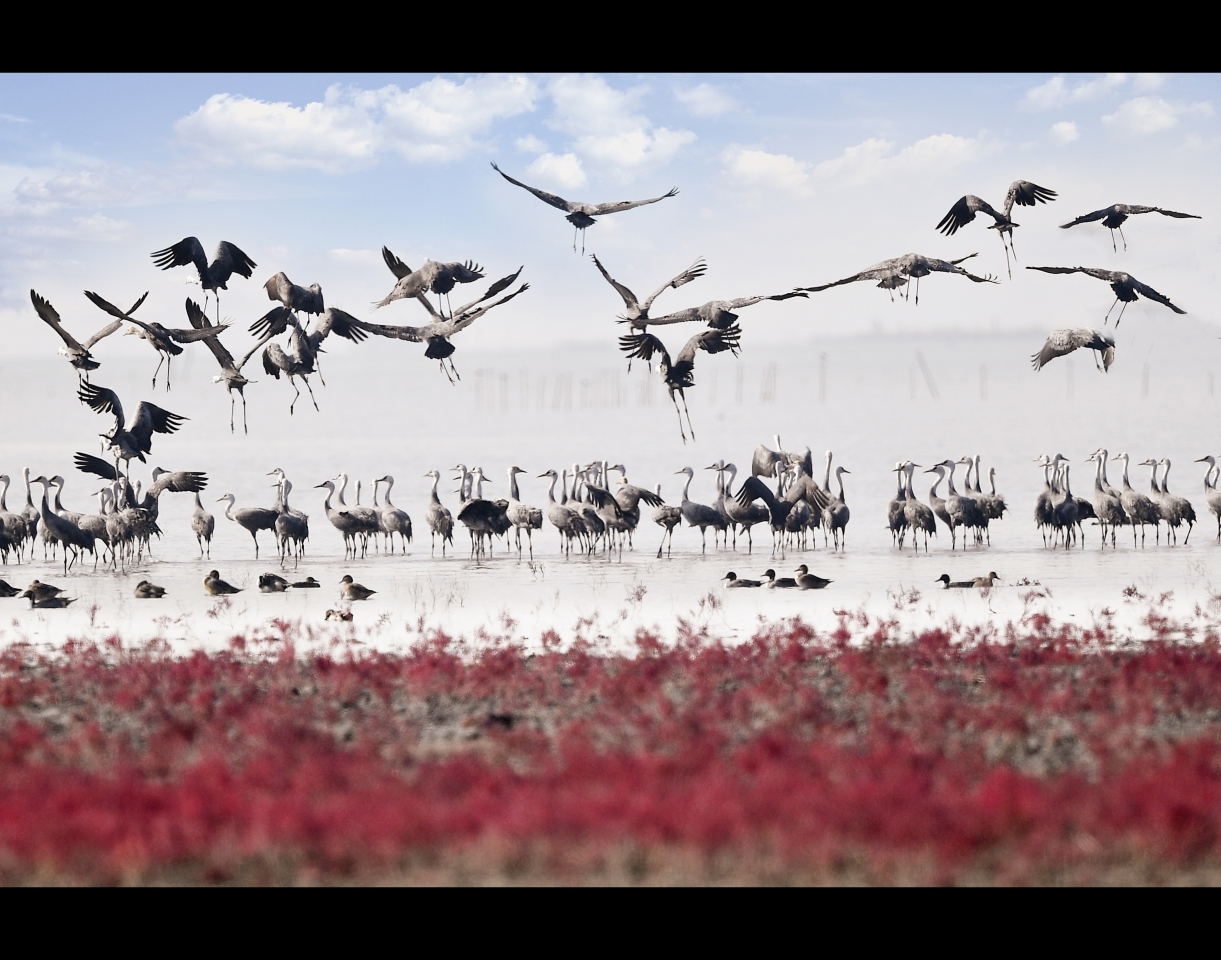
Winter migratory birds typically breed in Siberia, Mongolia and surrounding regions before moving south as winter sets in. For these birds, Suncheon Bay, along with the Nakdong River estuary, the Imjin River and Junam Reservoir, serves as a critical wintering ground and stopover point.
The city plans to continue monitoring changes in migratory bird populations and habitat use patterns, and to strengthen an integrated habitat management system linking the tidal flats, reed beds, the Dongcheon River estuary and surrounding farmland.
"This national research result is significant in that it scientifically confirms that Suncheon Bay has long been maintained as a stable habitat for winter migratory birds," Mayor Son Hun-mo said. "We will continue to pursue eco-friendly farming and habitat restoration in cooperation with local residents, and expand science-based conservation policies to respond to climate change and shifts in migratory bird wintering conditions."
parkds@heraldcorp.com