Started in a 50-square-meter workshop with 300,000-won monthly rent, delivering by bicycle
Sales surpassed 300 million won last year after landing in a department store and building a subscription base
Now sources 80–90 tons of produce annually from more than 10 local farms
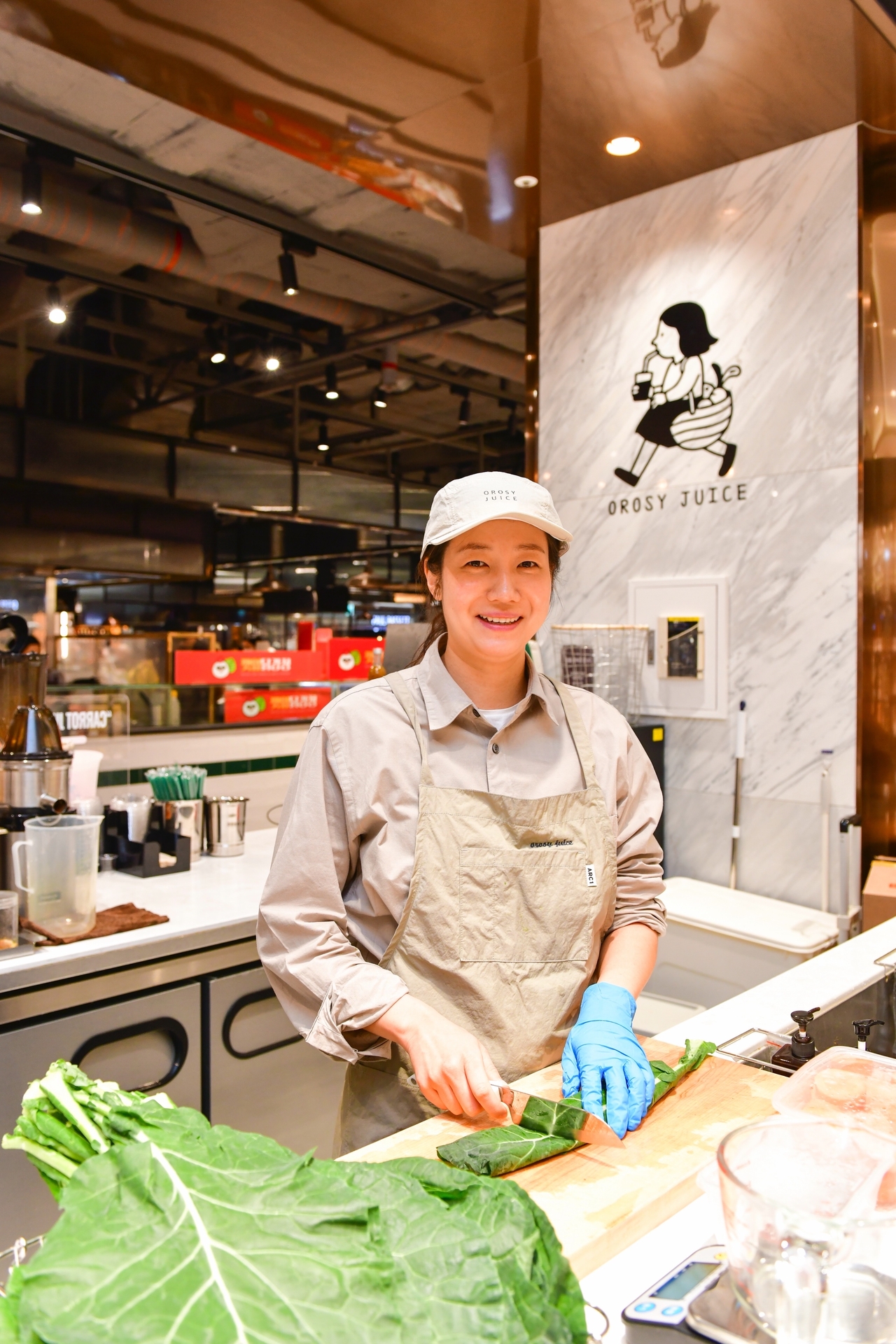
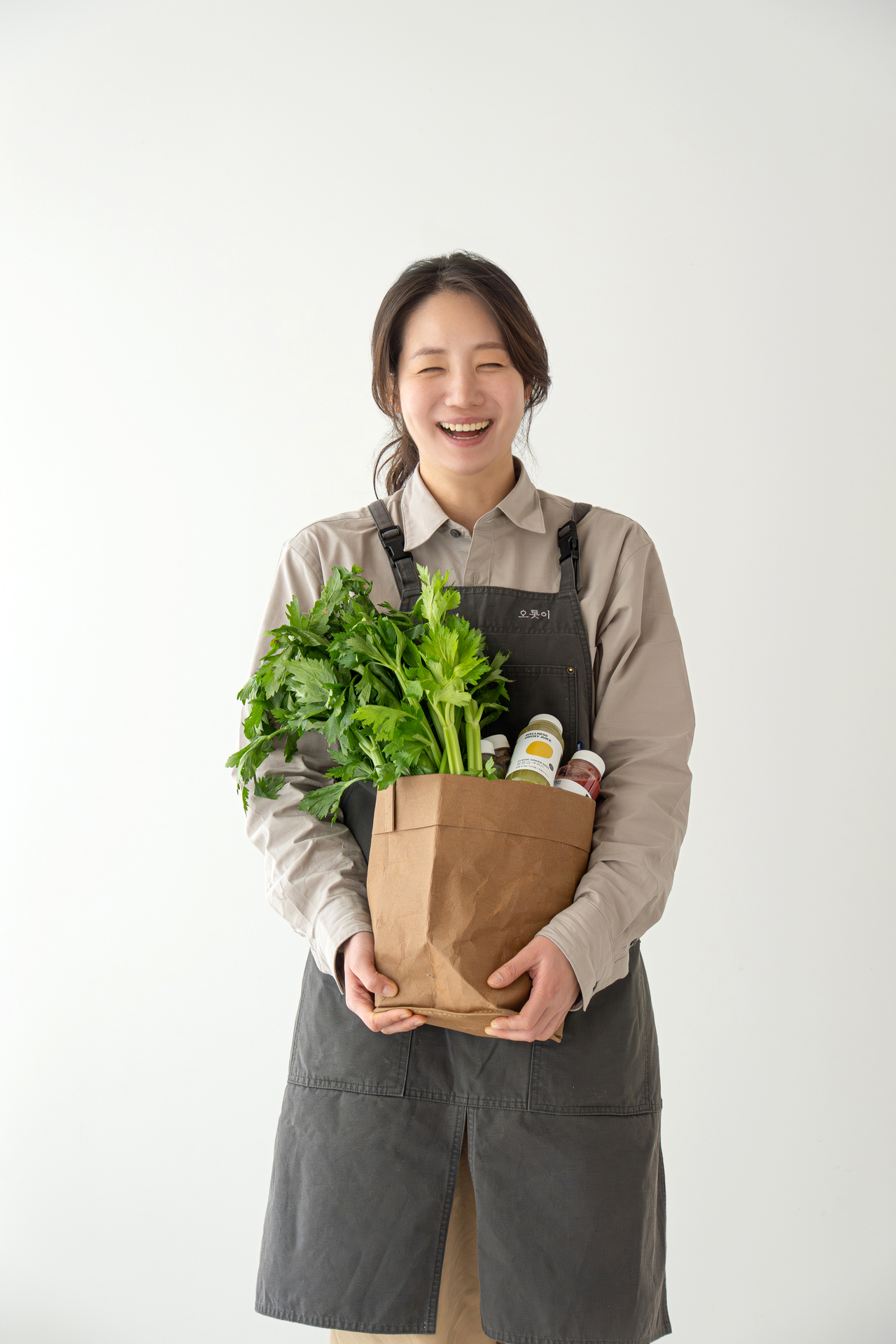
Every morning before dawn, Choi Yeon-hee walked door to door distributing 1,000 flyers. When 25 people responded, she spent two weeks making juice for them free of charge and delivering it by bicycle. Each bottle was priced at 7,000 won. Not a single customer opened their wallet at first. The small venture she launched from a workshop renting for 300,000 won a month has since grown into a business that posted sales of 302.6 million won last year. Choi, 33, who runs Oroti Juice in Gwangju, has become a local-food entrepreneur who now buys 80 to 90 tons of produce a year from more than 10 farms in the region.
Choi has had unusually exacting standards about food since childhood. Even at the supermarket, she would carefully check the origin and producer of every ingredient. "I was always picky about choosing food," she said. "I remember my parents scolding me, saying I was too fussy."
The habit of watching what she ate carried over into her working life. After early-morning swim sessions, she would stop at a local-food store to pick up apples, carrots, kale and cabbage, then press the juice herself.
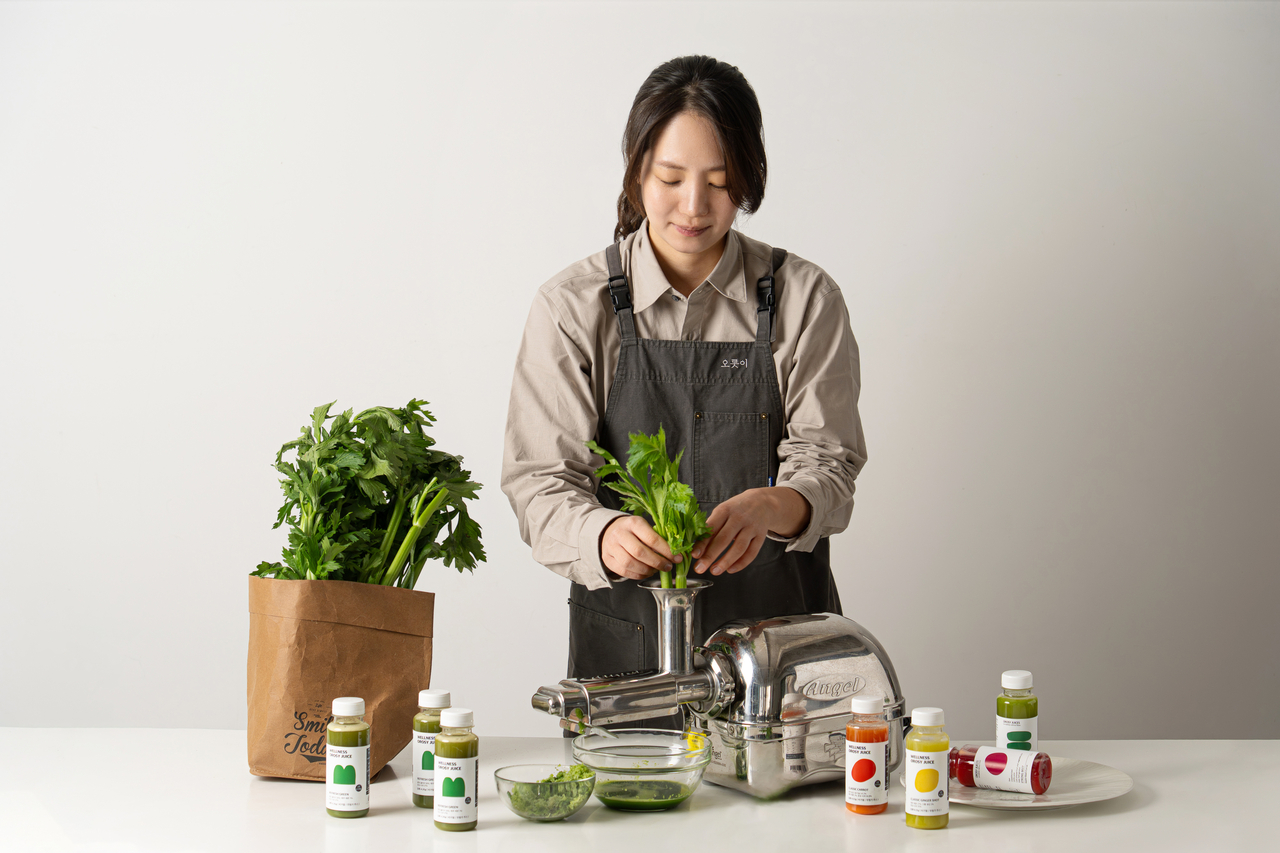
Selling juice was never the original plan. Choi simply wanted to share what she enjoyed drinking, so she began giving bottles to her tennis partners and acquaintances. The response was warm, and as people urged her to sell commercially, she started thinking seriously about starting a business.
Her interest in locally grown produce was sparked by fruits and vegetables that could not fetch a fair price because of irregular shapes or sizes. In 2023, tending her own plot at a heritage-seed farming school in Gwangju, she learned firsthand that appearance and flavor have little to do with each other. "An ugly face doesn't mean ugly taste," she said. "I thought that turning discarded produce into juice could open a new sales channel for farmers and give consumers a quality drink."
When she left a stable job to start the business in 2022, her parents objected. People around her questioned whether juice — something anyone could make — could ever be a viable business. Choi rented a roughly 50-square-meter workshop in Gwangju, painted it herself and got to work. The monthly rent was 300,000 won.
Pricing was another obstacle. Cold-pressed juice made from local produce with no additives sold for 7,000 won a bottle — 2,000 to 3,000 won more than comparable products on the market. Rather than wait for customers to come to her, Choi went looking for them. She delivered free juice to the first 25 customers she found through flyers, and when they signed up for regular subscriptions, her first steady sales channel was born.
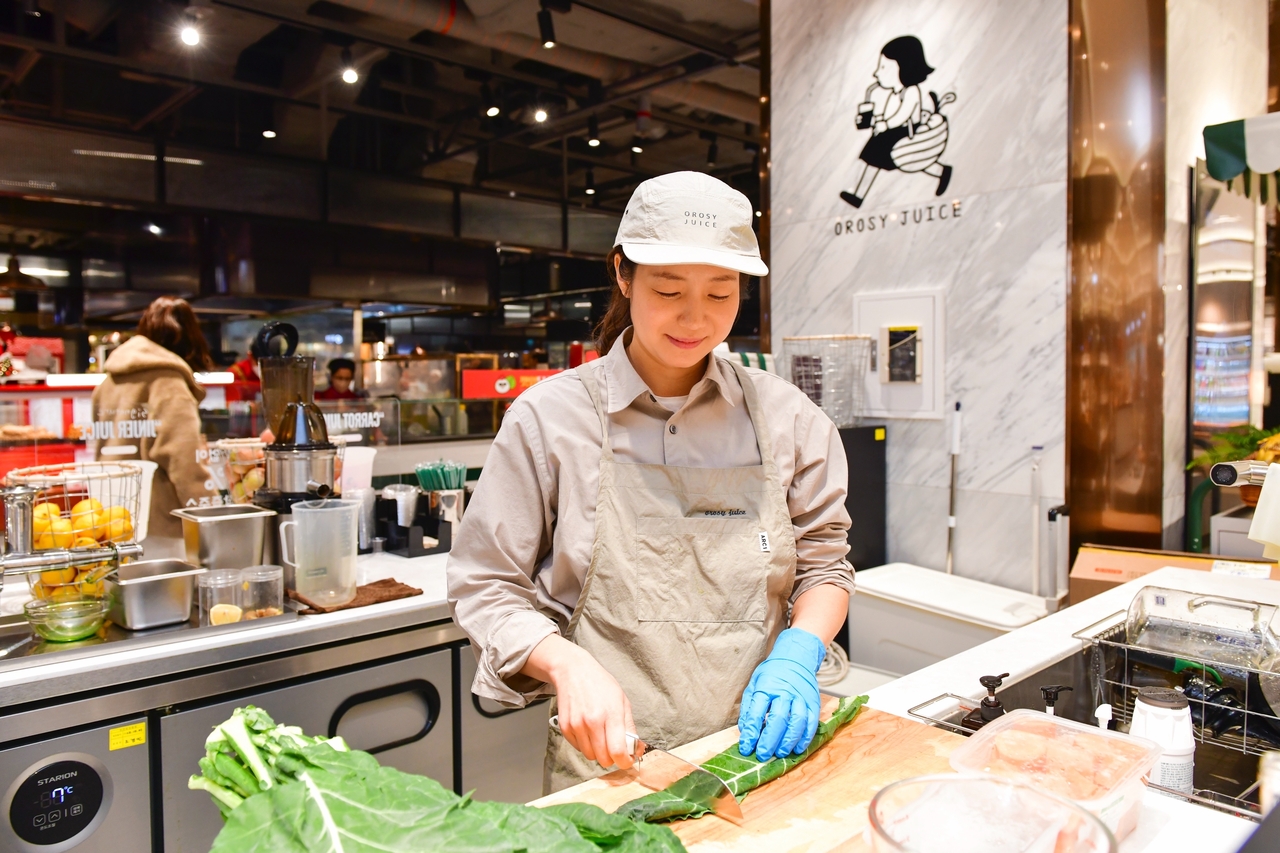
The struggles continued. At one pop-up event, she spent an entire day pressing juice and sold only 10 cups. She loaded a single juicer and traveled from one local event and market to the next, introducing the product to customers face to face.
The turning point came last year. After running a pop-up at the Lotte department store's Gwangju branch from May to June 2025, she secured a permanent spot in the Gwangju Shinsegae department store food hall. Customers who tasted the product in store began signing up for online subscriptions, and sales started to climb.
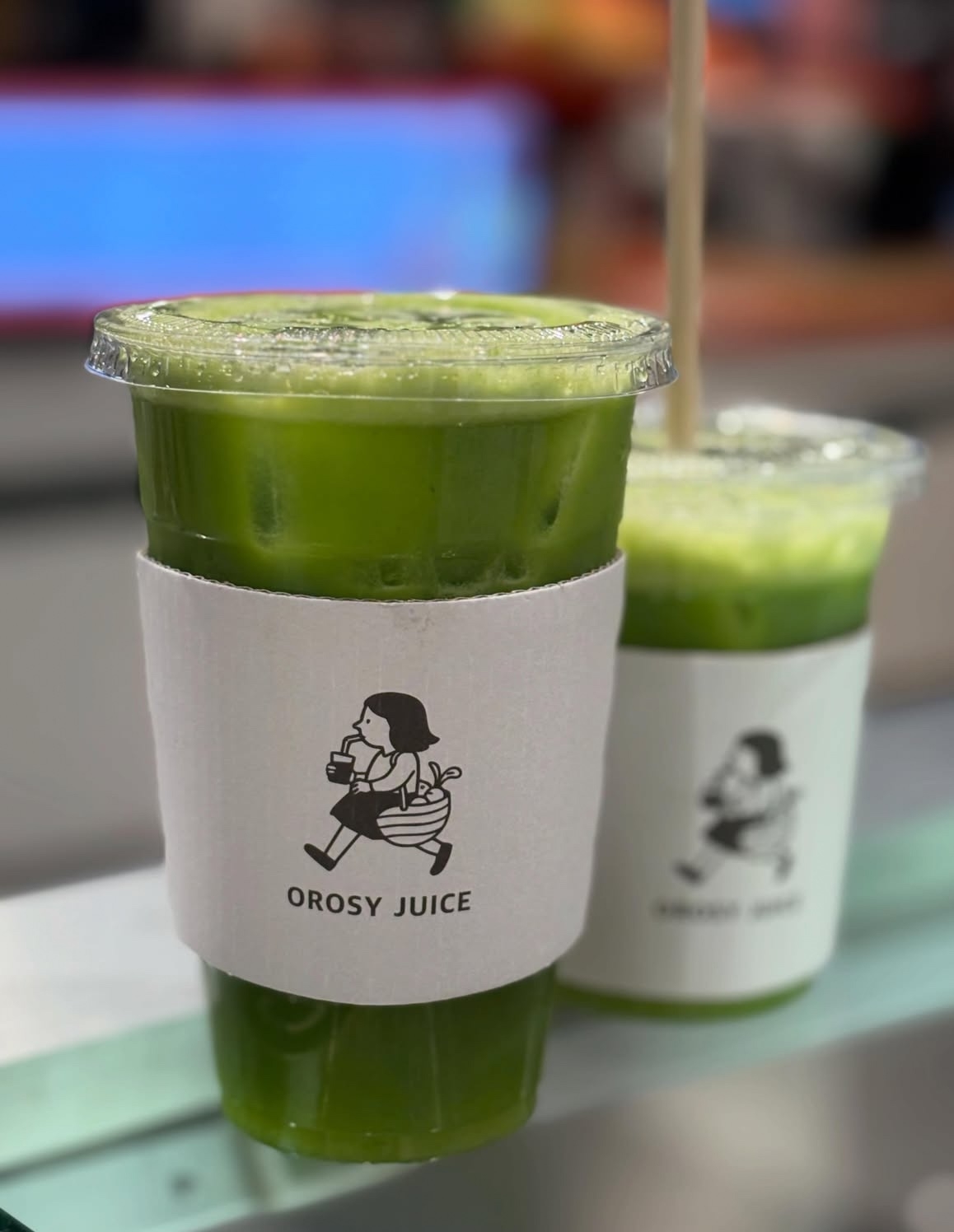
Sales of 10.6 million won in 2023 rose to 108 million won in 2024 and reached 302.6 million won last year — a roughly 28.5-fold increase in two years. Monthly sales now average about 40.8 million won, with an average of 6,360 bottles sold per month, Choi said.
A second pillar of the business's growth has been direct dealings with local farms. Choi initially bought fruit and vegetables from general retail stores, but she began visiting farms in person to cut distribution costs and secure a stable supply of raw ingredients.
The relationships did not come easily. Some farmers turned her away because her order volumes were too small. Choi kept visiting and proposing deals once or twice a week until they agreed.
She now buys 80 to 90 tons of fruit and vegetables a year from more than 10 farms. About 80 percent of that volume consists of produce deemed too irregular in shape or size to sell through conventional channels — what the industry calls "ugly" produce.
That works out to roughly 64 to 72 tons of imperfect produce used as juice ingredients each year. From one apple farm in Jangseong, Oroti receives about 800 kilograms of apples every month, including fruit classified as substandard simply because it looks slightly different or is an unusual size.
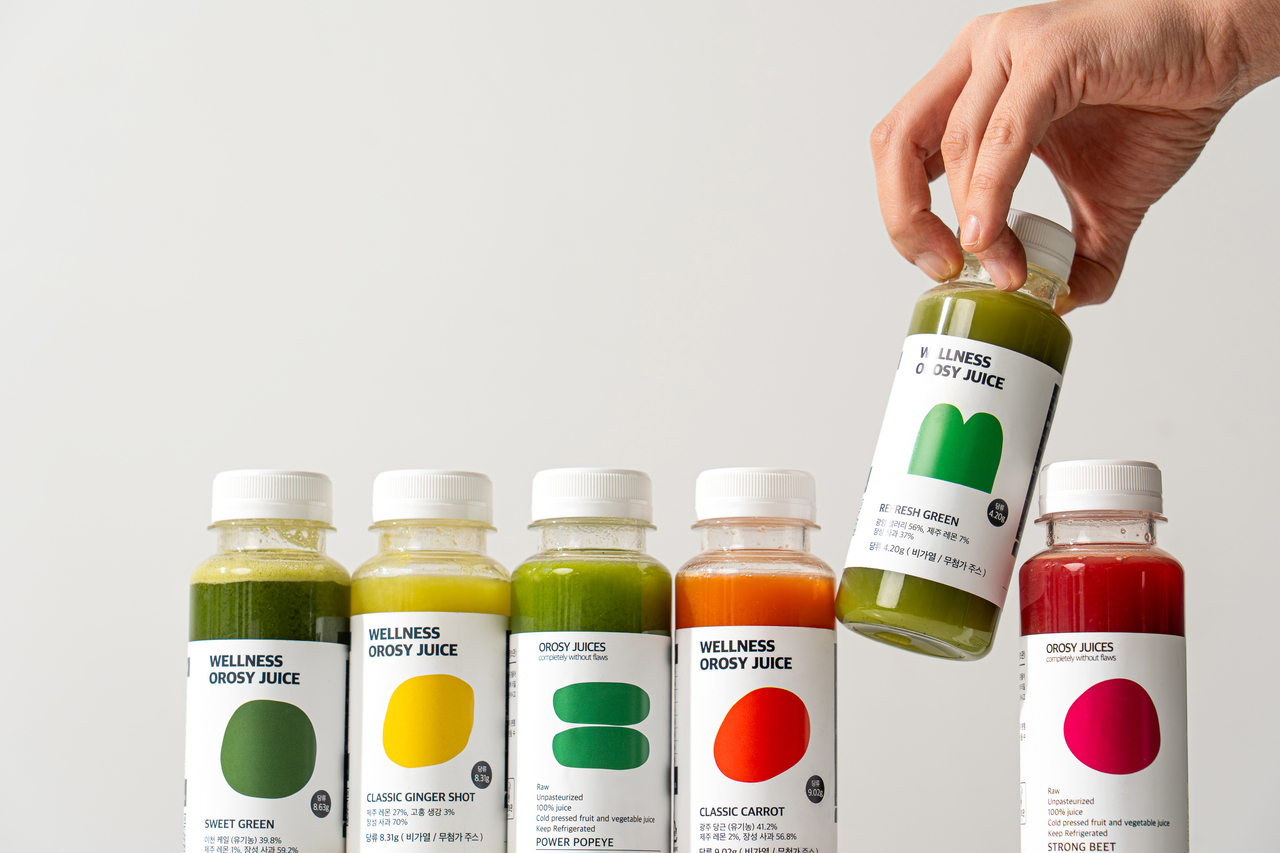
Choi applies the same exacting standards to ingredient selection. Kale and carrots must be organic, and the kale — pressed as whole leaves — must carry an organic certification. Because she deals directly with farms, she can verify how and where each ingredient was grown, which she considers essential.
The flagship product, "Popeye Juice," contains spinach grown by a young farmer in Nampyeong-eup, Naju, South Jeolla Province, along with Naju pears, apples and ginger. A "Classic Ginger Shot" combining ginger, apple and lemon is also on the menu. Every product lists the origin and producer of its ingredients, and juice is pressed to order based on reservations and subscription quantities.
Choi has also refined her sales approach. The department store serves as a tasting and demonstration space where customers can try the product and watch it being made. From there, she steers them toward purchases through her own online store and a Naver subscription service. Her guiding strategy: "The department store is for awareness; revenue comes from subscriptions."
Offline sales currently account for 70 percent of revenue, with online subscriptions making up the remaining 30 percent. Choi noted that subscriptions generate relatively higher margins because of their recurring nature. She has also expanded her client base to include department store VIP lounges, hospitals and corporate accounts.
Government startup programs also played a role in the company's development. Through a pre-startup support package, Choi advanced the commercialization of her products. A youth entrepreneurship academy helped her build out the subscription service. Separate programs linking small businesses with investors and supporting joint technology development allowed her to improve her products, packaging and brand.
The results have been recognized. Choi received ministerial commendations from both the Ministry of Agriculture, Food and Rural Affairs and the Ministry of SMEs and Startups. This year, she was selected as a top case study in the local-food rural startup category at a national rural entrepreneurship competition, chosen from among 178 teams nationwide.
Choi's sales target for this year is 600 million won. Next year she aims to reach 1 billion won and launch her first exports, targeting the premium wellness market in Asia. She also plans to raise the share of online subscription revenue from the current 30 percent to 60 percent by 2027, and is developing a canned drink made with Naju pears to open new sales channels.
"The idea that farming doesn't pay is something people say when they only look at production," Choi said. "Even with the same produce, you can make it worthwhile by adding value through processing, branding and subscriptions."
"Don't just make a product and wait," she added. "Go directly to where your customers are, let them taste it, listen to their feedback and keep improving — that's the fastest path. There are still plenty of great ingredients and stories in local communities waiting to be discovered."
adastra@heraldcorp.com